


False Lettuce Lactuca floridana
Other Common Name(s):
- Phonetic Spelling
- lak-TOO-kuh flor-ih-DAY-na
- Description
-
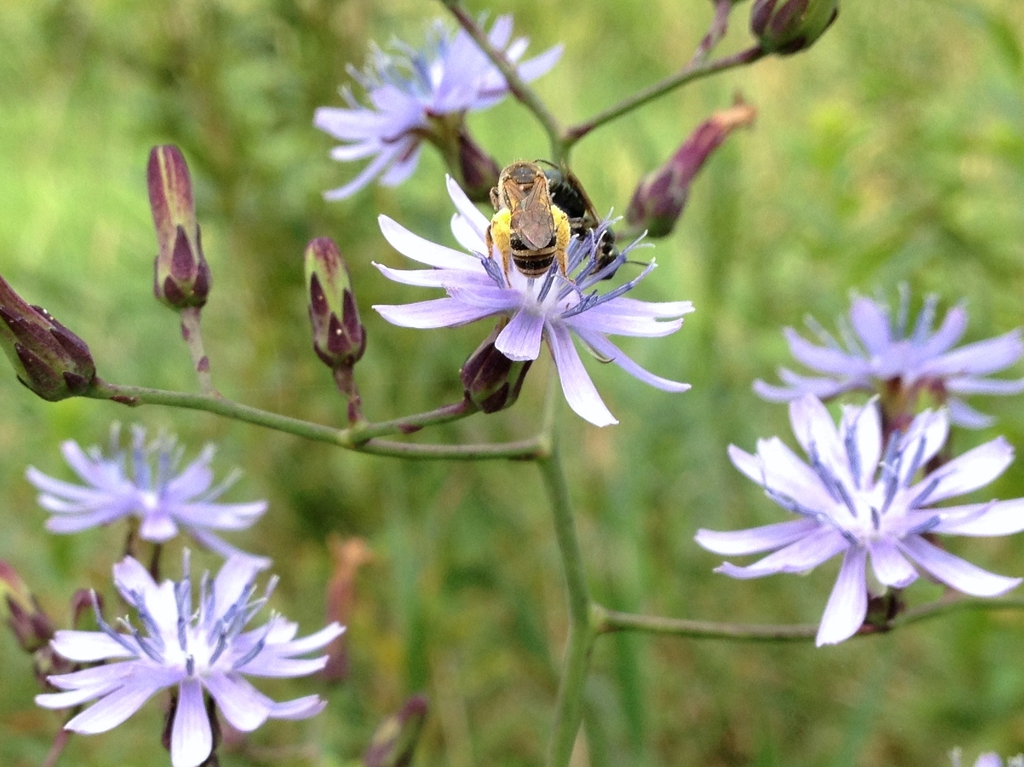
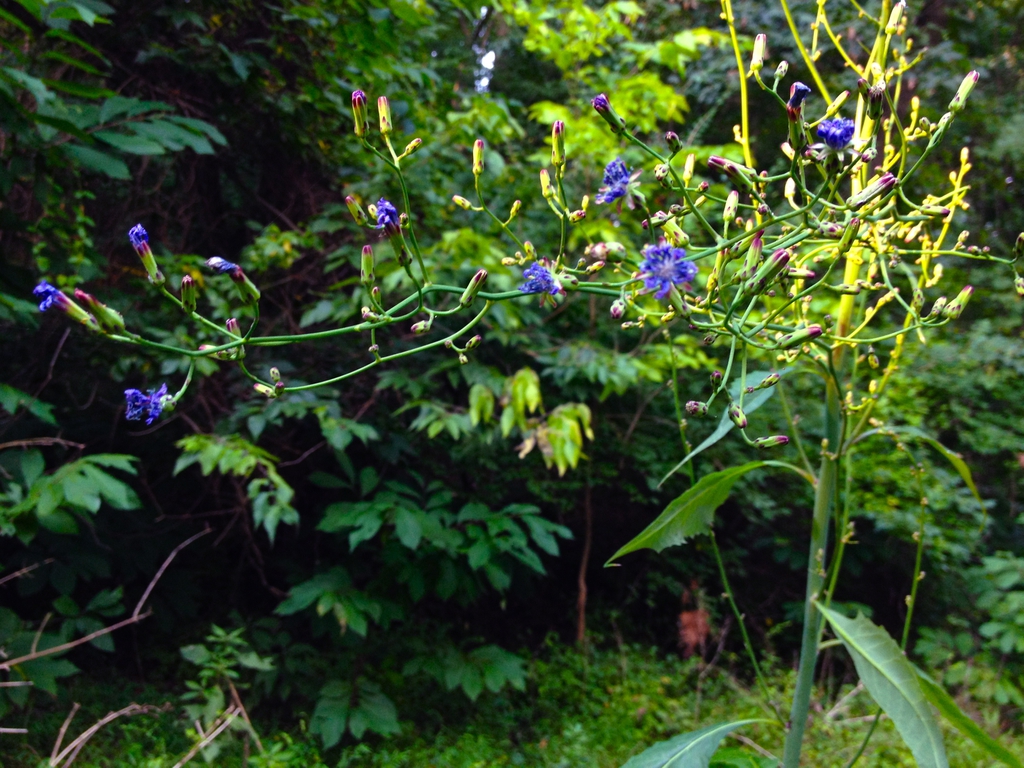
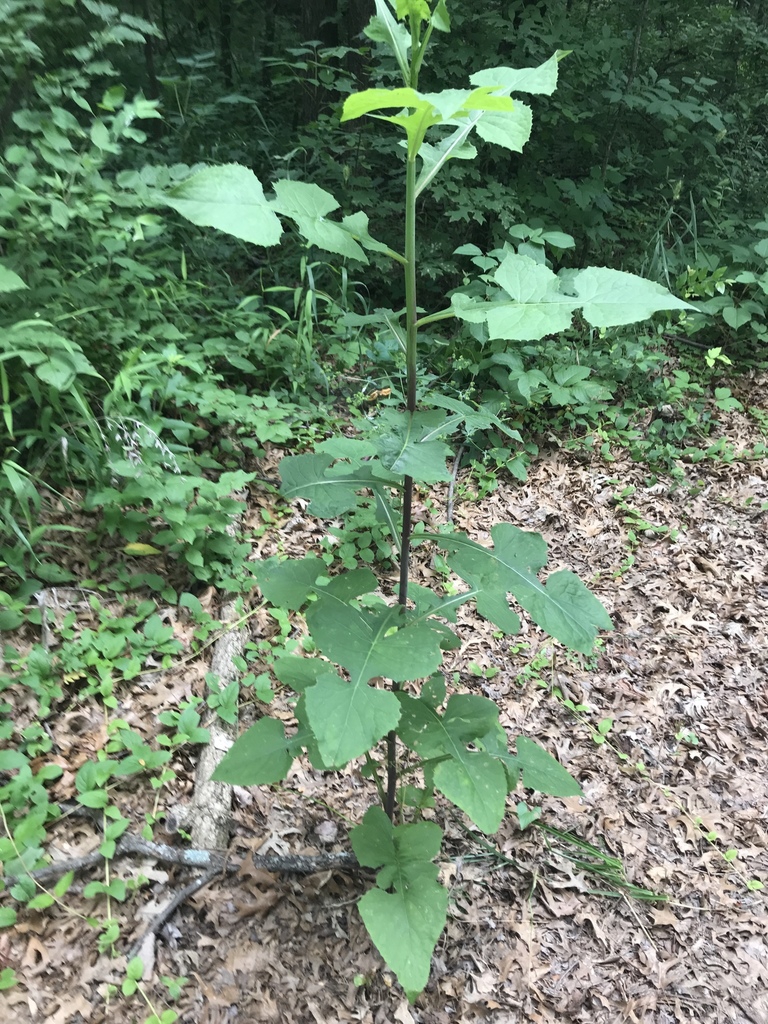
Florida Lettuce is an annual/biennial herb native to eastern and central USA and is found in all areas if NC. In the wild, it is self-seeding. The stem can reach 6 feet tall and bears an inflorescence with many flower heads containing 10-20 blue or white ray florets but has no disc florets. The leaves are edible but bitter in taste and resemble dandelion leaves. It is best to use young leaves raw in salads and cook the older leaves.
This plant prefers moist fertile soil in shade to partial shade.
- See this plant in the following landscape:
- Cultivars / Varieties:
-
- Tags:


- Cultivars / Varieties:
-
- Tags:
-
-
Attributes:
- Genus:
- Lactuca
- Species:
- floridana
- Family:
- Asteraceae
- Life Cycle:
- Annual
- Biennial
- Recommended Propagation Strategy:
- Seed
- Country Or Region Of Origin:
- Central & Eastern Canada to U.S.A
- Distribution:
- AL , AR , DC , DE , FL , GA , IA , IL , IN , KS , KY , LA , MA , MD , MI , MO , MS , NC , NE , NJ , NY , OH , OK , PA , SC , SD , TN , TX , VA , WI , WV
- Edibility:
- Leaves can be eaten but are bitter
- Dimensions:
- Height: 2 ft. 0 in. - 6 ft. 0 in.
- Width: 1 ft. 0 in. - 2 ft. 0 in.
-
-
Whole Plant Traits:
- Plant Type:
- Annual
- Native Plant
- Wildflower
- Habit/Form:
- Erect
-
-
Cultural Conditions:
- Light:
- Deep shade (Less than 2 hours to no direct sunlight)
- Partial Shade (Direct sunlight only part of the day, 2-6 hours)
- Soil Texture:
- High Organic Matter
- Soil Drainage:
- Moist
- Occasionally Wet
- Available Space To Plant:
- 12 inches-3 feet
- NC Region:
- Coastal
- Mountains
- Piedmont
-
-
Fruit:
- Fruit Color:
- Brown/Copper
- Fruit Type:
- Achene
- Fruit Description:
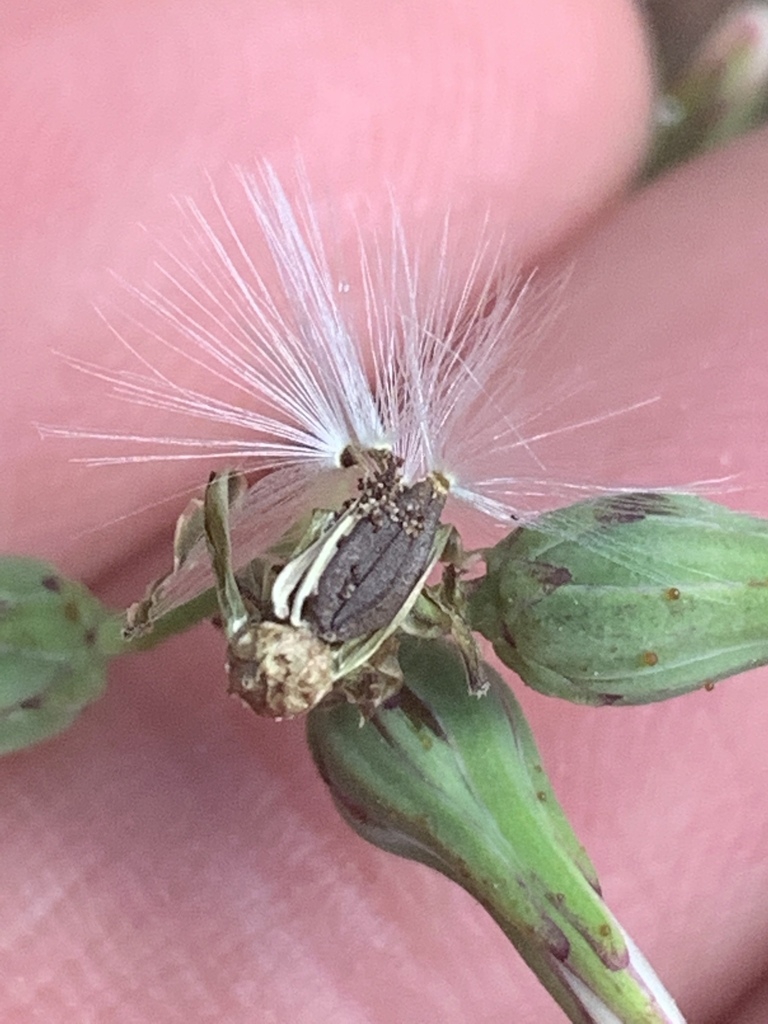
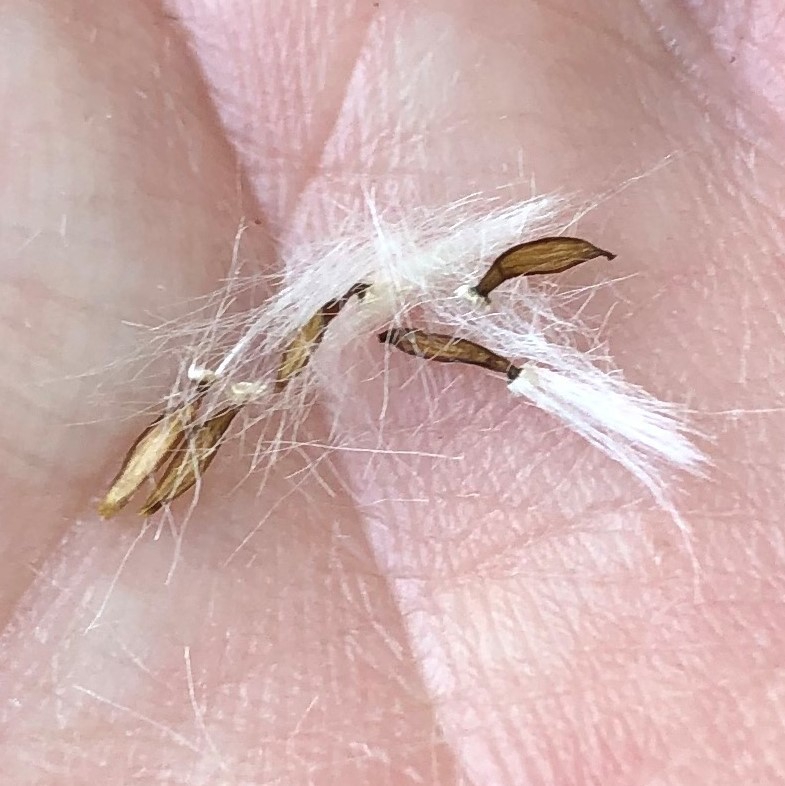
- Fruit is a flattened short-beaked achene featuring white fluffy bristles to float in the wind.
-
-
Flowers:
- Flower Color:
- Blue
- White
- Flower Inflorescence:
- Panicle
- Flower Bloom Time:
- Fall
- Summer
- Flower Shape:
- Radial
- Flower Petals:
- 7 - 20 petals/rays
- Flower Size:
- < 1 inch
- Flower Description:
- Loose panicles of 10-20 ray flowers are 1/2 inch across and light blue to nearly white.
-
-
Leaves:
- Leaf Color:
- Green
- Leaf Type:
- Simple
- Leaf Arrangement:
- Opposite
- Leaf Shape:
- Lanceolate
- Leaf Margin:
- Dentate
- Lobed
- Hairs Present:
- No
- Leaf Length:
- > 6 inches
- Leaf Width:
- 1-3 inches
- Leaf Description:
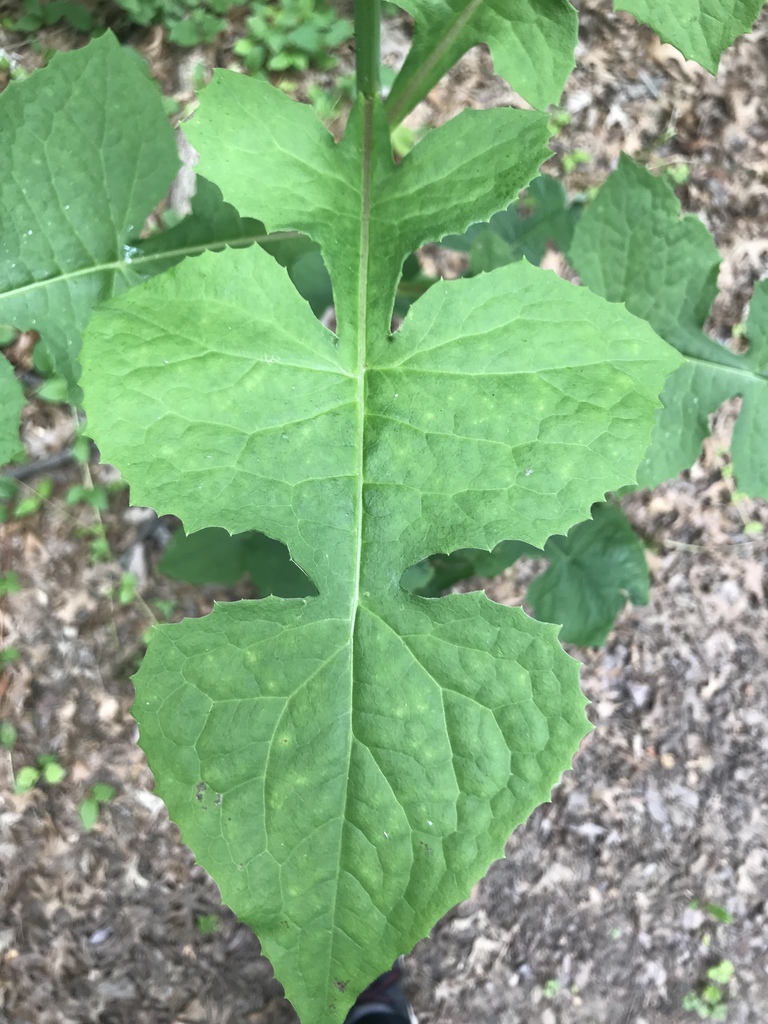
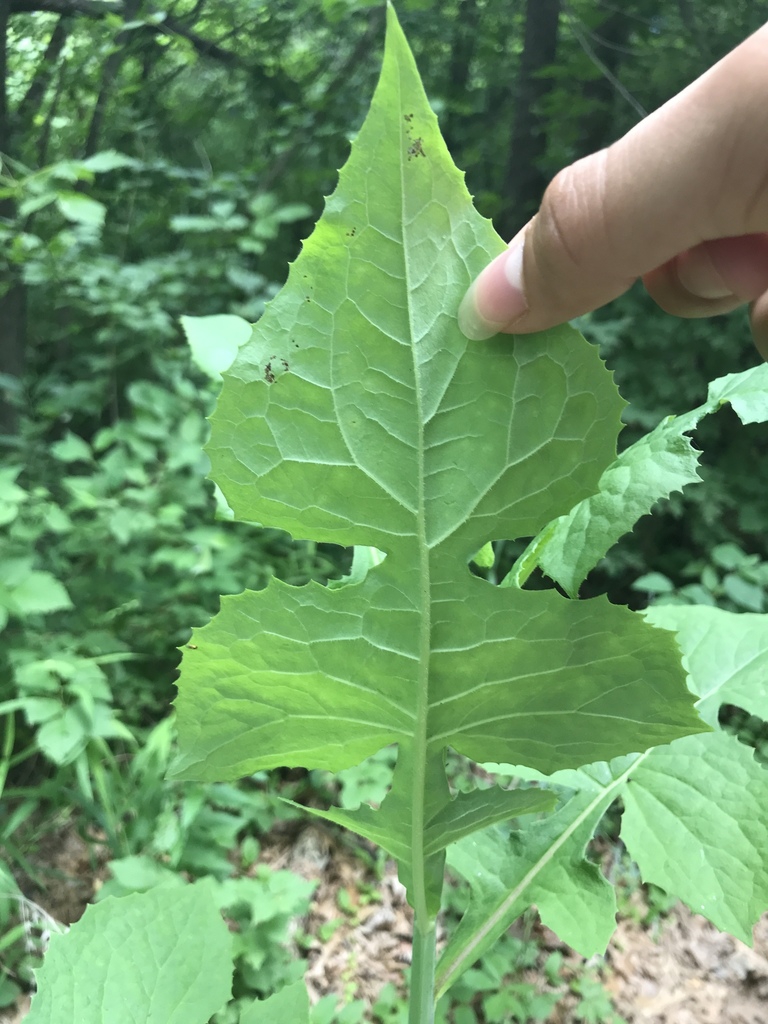
- Leaf is generally deeply-lobed, pinnately veined, leaves are 3-10" long and 1-4" wide. Leaf has pointed tips, toothed margins and tapered bases
-
-
Stem:
- Stem Color:
- Purple/Lavender
- Stem Is Aromatic:
- No
- Stem Surface:
- Smooth (glabrous)
- Stem Description:
- Tall purplish-green stems with a white milky sap
-
-
Landscape:
- Landscape Location:
- Pond
- Riparian
- Woodland
- Landscape Theme:
- Edible Garden
- Native Garden
- Pollinator Garden
- Shade Garden
- Attracts:
- Pollinators
- Problems:
- Weedy