



Krigia montana
Common Name(s):
Previously known as:
- Adopogon montanus
- Hyoseris montana
- Phonetic Spelling
- KRIG-ee-uh mon-TAY-nah
- Description
-
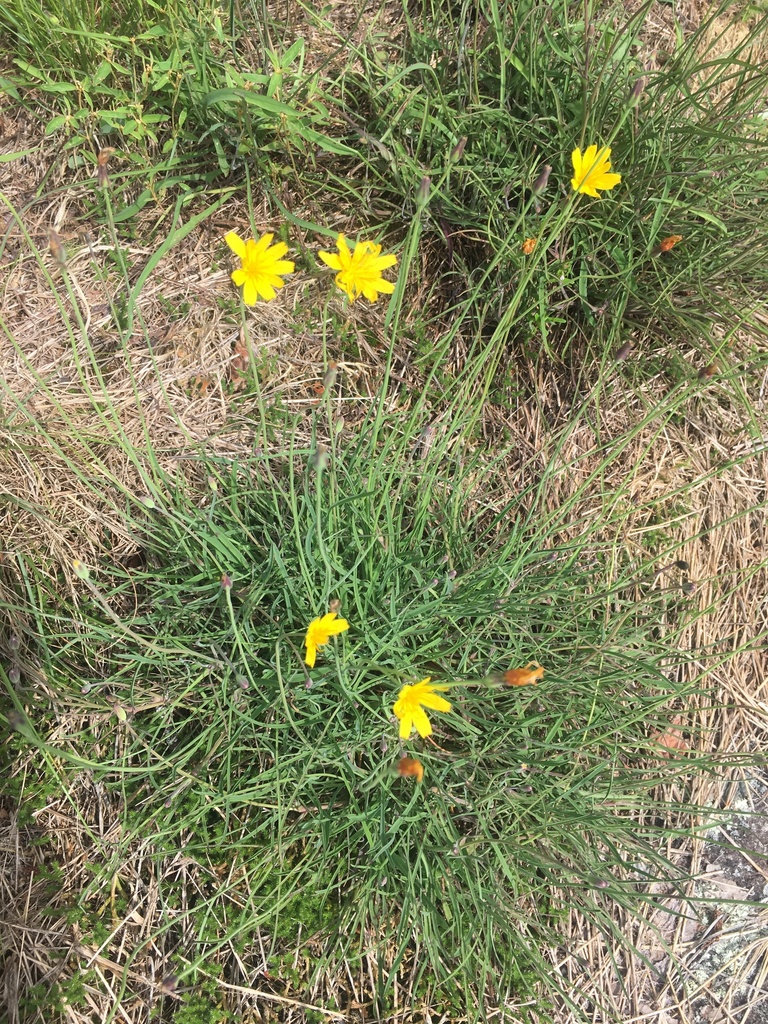
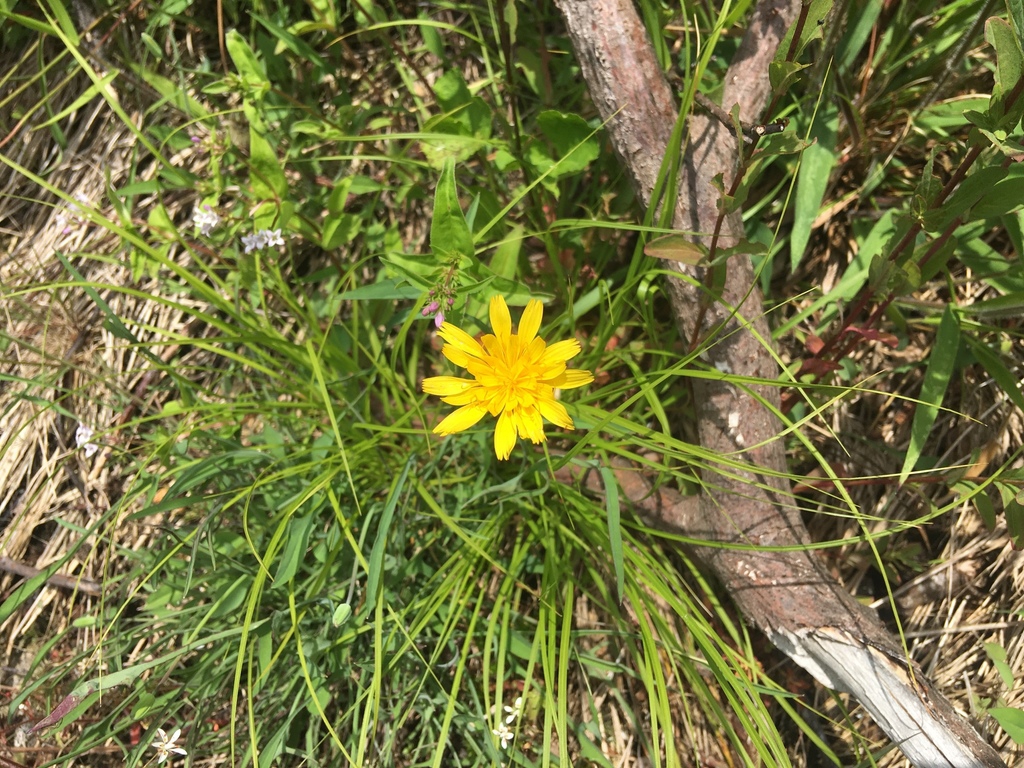
Mountain dwarf dandelion is a native perennial wildflower in the daisy family (Asteraceae) found in the southern Appalachian Mountains of Western North Carolina, Northwestern South Carolina, Eastern Tennessee, and Northeast Georgia. It grows in rocky crevices, rocky woodlands, balds, cliffs, rock barrens, and rocky roadsides at medium to high elevations. This wildflower grows 8-20 inches tall, with an erect habit, and its leaves are mostly basal, linear to lanceolate, green, and smooth, resembling a dandelion. Abundant yellow flowers bloom on long, 2-foot stalks from spring to fall, and usually only one blossom per stalk. The genus name, Krigia, honors David Krieg, a German physician and botanist from the 1600s. The specific epithet montana is Latin and means of the mountains.
Mountain dwarf dandelion thrives in full sun to partial shade and moist conditions in poor, rocky soil. It is often found in gravelly soils, wet mossy crevices on granite cliffs, rock slides, and rocky road banks. Prefers slightly acidic to neutral pH, as well as cool humidity and mountain mist. Maintain the plant by deadheading spent flowers and pruning to prevent legginess. It may be propagated by plant division or sowing seeds. division.
It is currently listed as vulnerable in North Carolina and Georgia, imperiled in South Carolina, and critically imperiled in Tennessee
Diseases, Insect Pests, and Other Plant Problems: No known diseases or insect pests. Monitor for aphids, and may be susceptible to powdery mildew. Overwatering can cause root rot.
- See this plant in the following landscape :
- Cultivars / Varieties:
-
- Tags:


- Cultivars / Varieties:
-
- Tags:
-
-
Attributes:
- Genus:
- Krigia
- Species:
- montana
- Family:
- Asteraceae
- Uses (Ethnobotany):
- Used in herbal medicine for digestive disorders and inflammation.
- Life Cycle:
- Perennial
- Recommended Propagation Strategy:
- Division
- Seed
- Country Or Region Of Origin:
- Southeastern United States
- Distribution:
- Native: Northeast Georgia, Western North Carolina, Northwestern South Carolina, Eastern Tennessee
- Wildlife Value:
- Members of the genus Krigia support the following specialized bee: Andrena (Callandrena s.l.) krigiana.
- Play Value:
- Attractive Flowers
- Attracts Pollinators
- Colorful
- Easy to Grow
- Dimensions:
- Height: 0 ft. 8 in. - 1 ft. 8 in.
- Width: 0 ft. 6 in. - 1 ft. 0 in.
-
-
Whole Plant Traits:
- Plant Type:
- Herbaceous Perennial
- Native Plant
- Wildflower
- Habit/Form:
- Clumping
- Erect
- Growth Rate:
- Medium
- Maintenance:
- Low
- Texture:
- Medium
-
-
Cultural Conditions:
- Light:
- Full sun (6 or more hours of direct sunlight a day)
- Partial Shade (Direct sunlight only part of the day, 2-6 hours)
- Soil Texture:
- Loam (Silt)
- Sand
- Shallow Rocky
- Soil pH:
- Acid (<6.0)
- Neutral (6.0-8.0)
- Soil Drainage:
- Good Drainage
- Moist
- Occasionally Dry
- Available Space To Plant:
- Less than 12 inches
- 12 inches-3 feet
- NC Region:
- Mountains
- USDA Plant Hardiness Zone:
- 5a, 5b, 6a, 6b, 7a, 7b
-
-
Fruit:
- Fruit Color:
- Brown/Copper
- Red/Burgundy
- Display/Harvest Time:
- Fall
- Summer
- Fruit Type:
- Achene
- Fruit Length:
- < 1 inch
- Fruit Width:
- < 1 inch
- Fruit Description:
- The fruit is known as an achene, but is actually a cypsela. The fruits are oval, reddish-brown, with ridges and tufts, measuring 2-2.8 mm long and contain only 1 seed. The wind disperses the seeds.
-
-
Flowers:
- Flower Color:
- Gold/Yellow
- Orange
- Flower Inflorescence:
- Head
- Flower Value To Gardener:
- Long Bloom Season
- Showy
- Flower Bloom Time:
- Fall
- Spring
- Summer
- Flower Shape:
- Radial
- Flower Petals:
- more than 20 petals/rays
- Flower Size:
- 1-3 inches
- Flower Description:
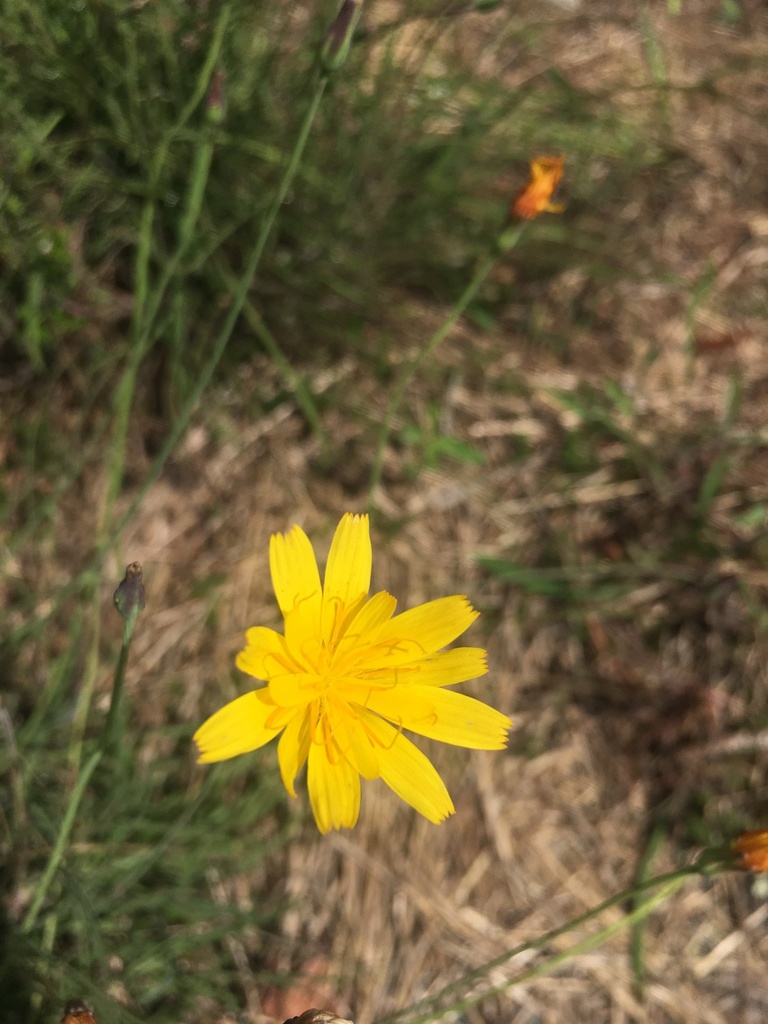
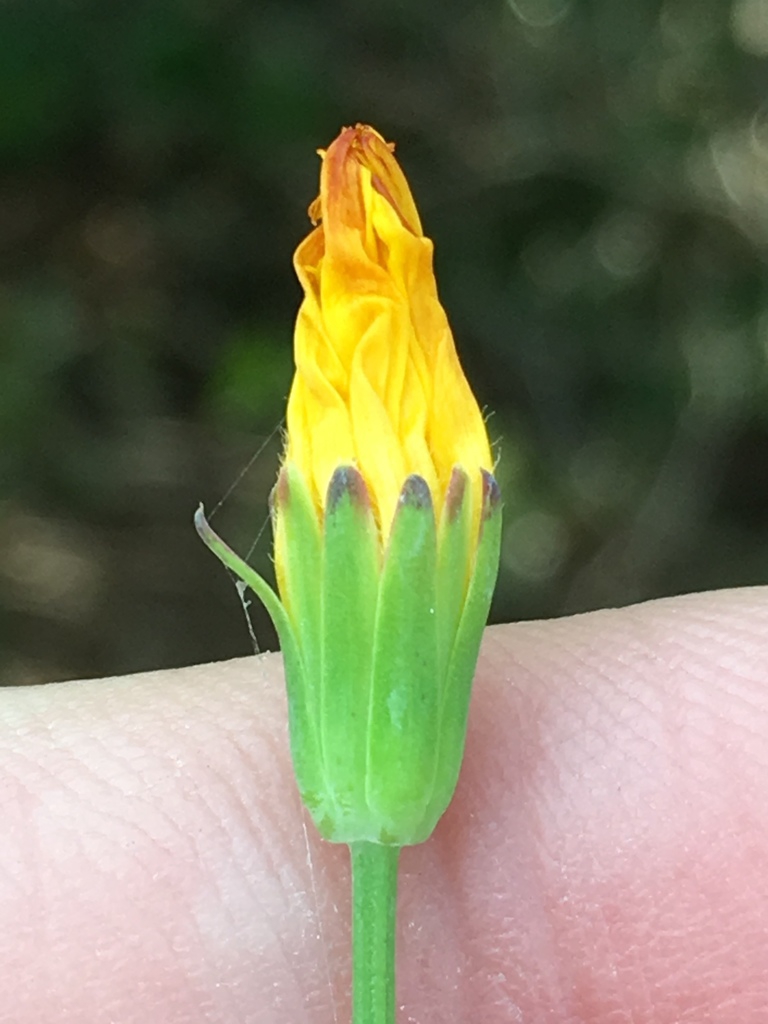
- The flowers are solitary, bright yellow-orange petal rays that are squared, have 5-toothed tips, and are borne on a long, 20-inch stem. Each flower has 20 to 60 petal rays, and each bloom measures about 1 inch wide. Several flower heads may be produced per plant. Leafy, narrow, green bracts are at the base of the flower head. Blooms from May through September.
-
-
Leaves:
- Leaf Color:
- Gold/Yellow
- Leaf Type:
- Simple
- Leaf Arrangement:
- Alternate
- Leaf Shape:
- Lanceolate
- Linear
- Oblanceolate
- Leaf Margin:
- Denticulate
- Lobed
- Hairs Present:
- No
- Leaf Length:
- > 6 inches
- Leaf Width:
- 1-3 inches
- Leaf Description:
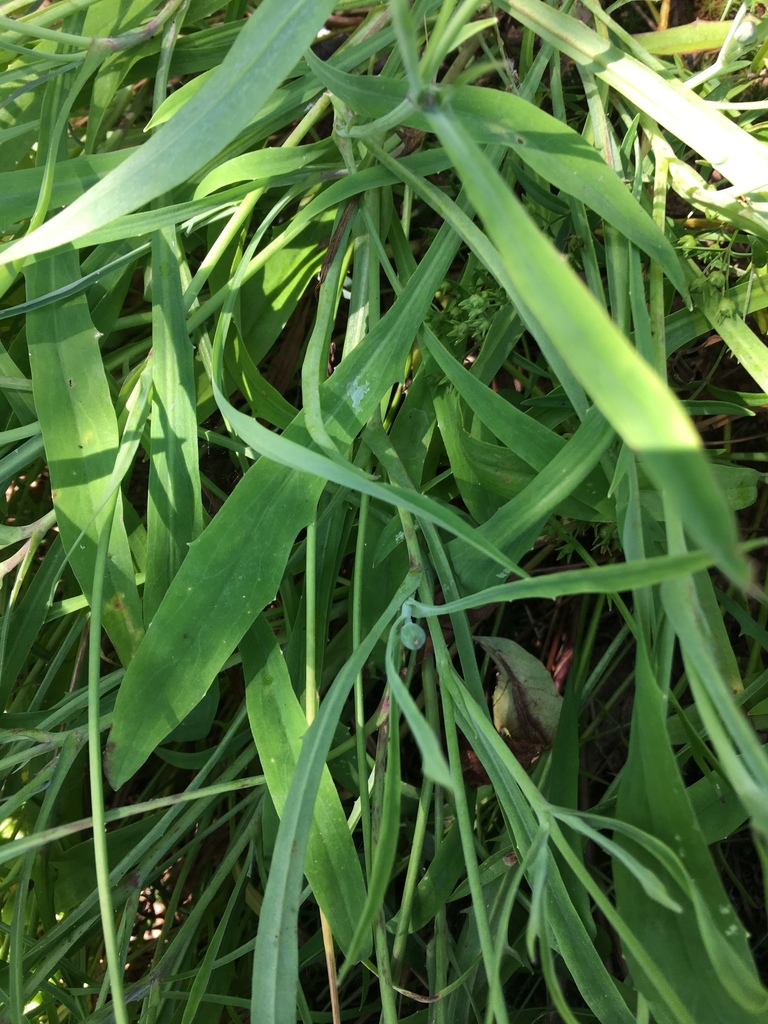
- The leaves are both basal and cauline and are petiolate. The leaves are linear to lanceolate, measuring 4-15 inches long, 1-3 inches wide, with coarse toothed (denticulate) or lobed margins. The basal leaves form a rosette, and the cauline leaves are linear.
-
-
Stem:
- Stem Color:
- Green
- Stem Is Aromatic:
- No
- Stem Surface:
- Smooth (glabrous)
- Stem Description:
- There are one to five stems, branched near the base and usually decumbent, green, slender, mostly smooth, with a milky sap when the stems are broken.
-
-
Landscape:
- Landscape Location:
- Naturalized Area
- Rock Wall
- Slope/Bank
- Woodland
- Landscape Theme:
- Native Garden
- Rock Garden
- Design Feature:
- Mass Planting
- Attracts:
- Pollinators
- Specialized Bees



