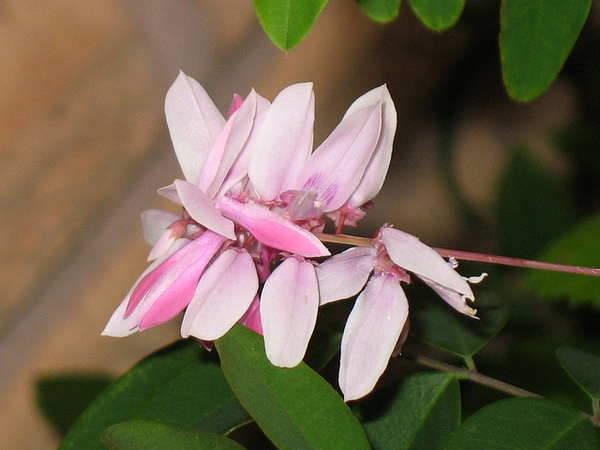


Indigofera kirilowii
Common Name(s):
- Phonetic Spelling
- in-dee-GO-fer-uh kir-ih-LOV-ee-eye
- Description
-
Kirilow Indigo is a deciduous shrub in the bean family (Fabaceae) native to Korea, northern China and southern Japan. It can be found growing along forest margins, open woodlands, and grassy or scrubby slopes.
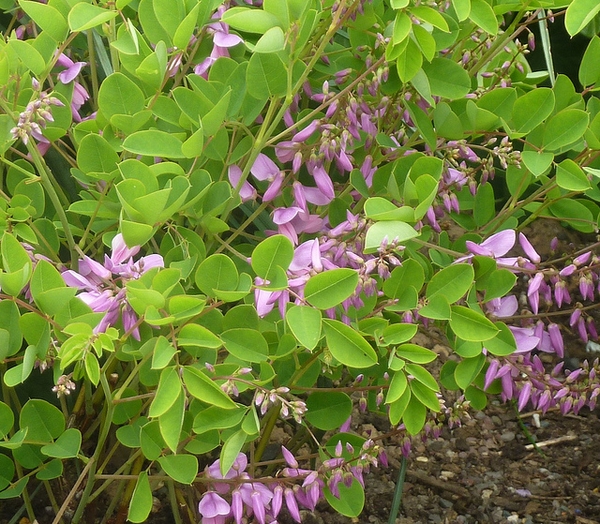
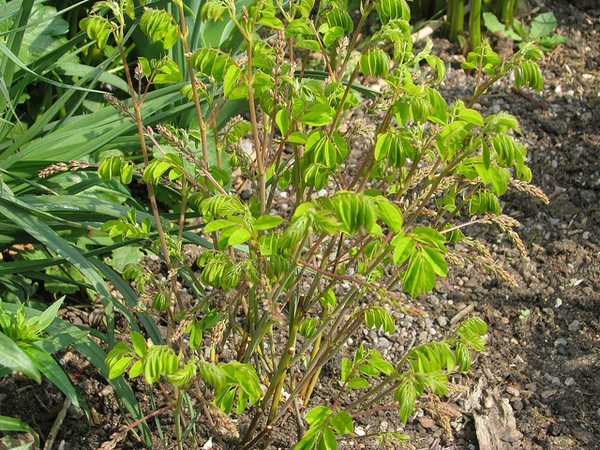
Kirilow Indigo typically grows 2 to 3 feet tall and wide and spreads by suckers. Plant in full sun in average well-drained soils with medium moisture. The shrub blooms on new wood so pruning it near to the ground in late winter will ensure more blooms.
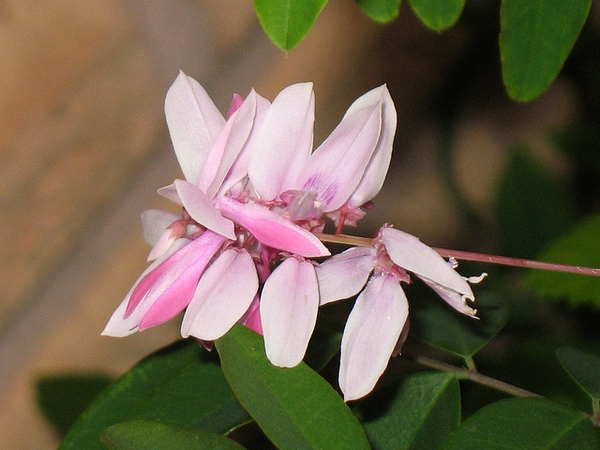
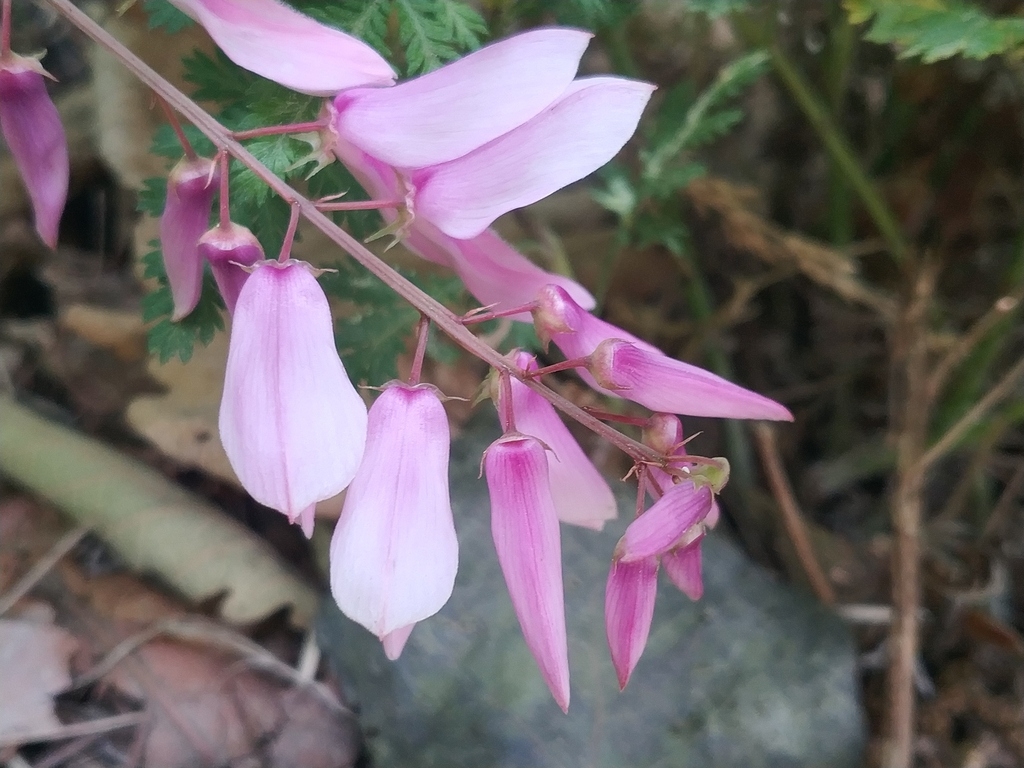
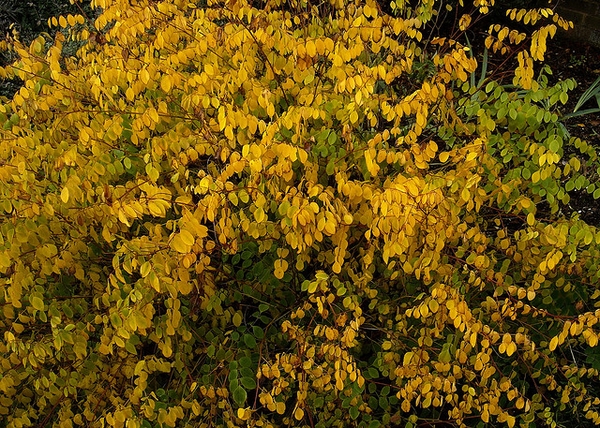
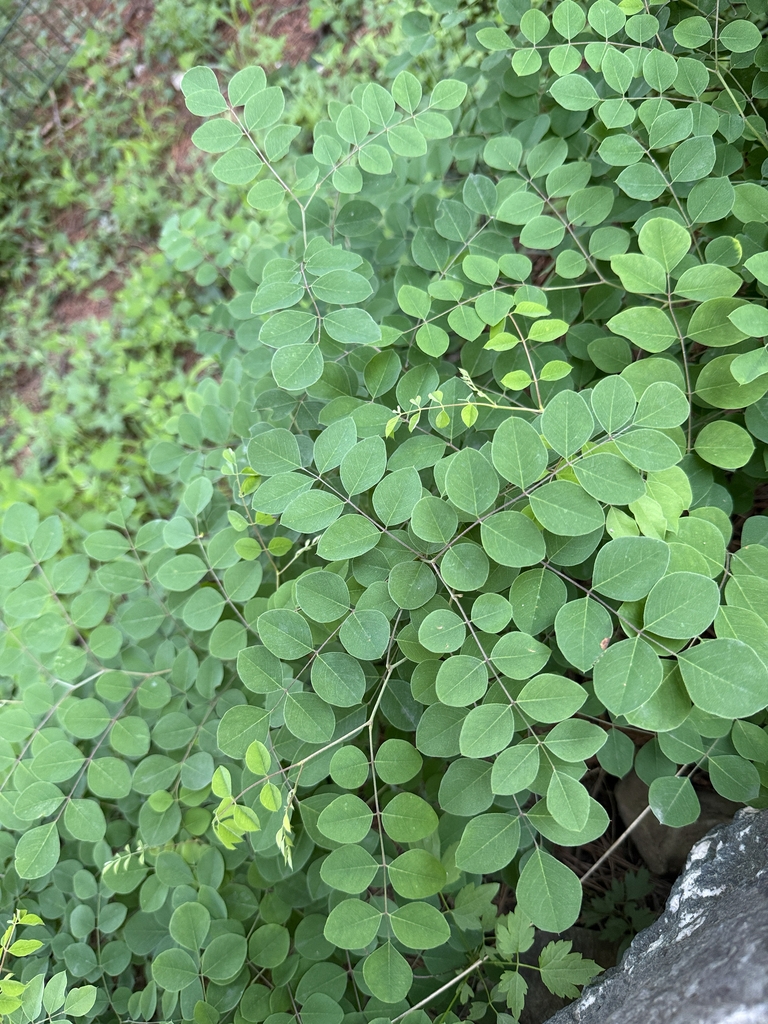
The pink pea-shaped flowers appear on 4 to 5 inch long racemes in June to July and may sporadically rebloom through fall. The 4 to 6 inch compound leaves have 7 to 11 leaflets that vary in shape and turn yellow-orange in the fall.
Use Kirilow Indigo in naturalized areas, mixed borders or as a foundation plant. The flowers attract pollinator for a pollinator garden.
Insects, Diseases, and Other Plant Problems: No serious problems.
- See this plant in the following landscape :
- Cultivars / Varieties:
-
- 'Angyo Snow'
White flowers - 'Bernheim'
4 feet tall with larger pink blooms - 'Christo'
1 to 1.5 feet tall. Pink flowers
- 'Angyo Snow'
- 'Angyo Snow', 'Bernheim', 'Christo'
- Tags:


- Cultivars / Varieties:
-
- 'Angyo Snow'
White flowers - 'Bernheim'
4 feet tall with larger pink blooms - 'Christo'
1 to 1.5 feet tall. Pink flowers
- 'Angyo Snow'
- 'Angyo Snow', 'Bernheim', 'Christo'
- Tags:
-
-
Attributes:
- Genus:
- Indigofera
- Species:
- kirilowii
- Family:
- Fabaceae
- Uses (Ethnobotany):
- Ground cover
- Life Cycle:
- Woody
- Country Or Region Of Origin:
- China to Japan
- Dimensions:
- Height: 2 ft. 0 in. - 3 ft. 0 in.
- Width: 3 ft. 0 in. - 4 ft. 0 in.
-
-
Whole Plant Traits:
- Plant Type:
- Ground Cover
- Shrub
- Woody Plant Leaf Characteristics:
- Deciduous
- Habit/Form:
- Clumping
- Dense
- Maintenance:
- Medium
-
-
Cultural Conditions:
- Light:
- Full sun (6 or more hours of direct sunlight a day)
- Soil Texture:
- Clay
- Loam (Silt)
- Sand
- Soil pH:
- Acid (<6.0)
- Neutral (6.0-8.0)
- Available Space To Plant:
- 3 feet-6 feet
- NC Region:
- Mountains
- Piedmont
- USDA Plant Hardiness Zone:
- 5a, 5b, 6a, 6b, 7a, 7b
-
-
Fruit:
- Fruit Color:
- Green
- Fruit Type:
- Legume
- Fruit Length:
- 1-3 inches
- Fruit Width:
- < 1 inch
- Fruit Description:
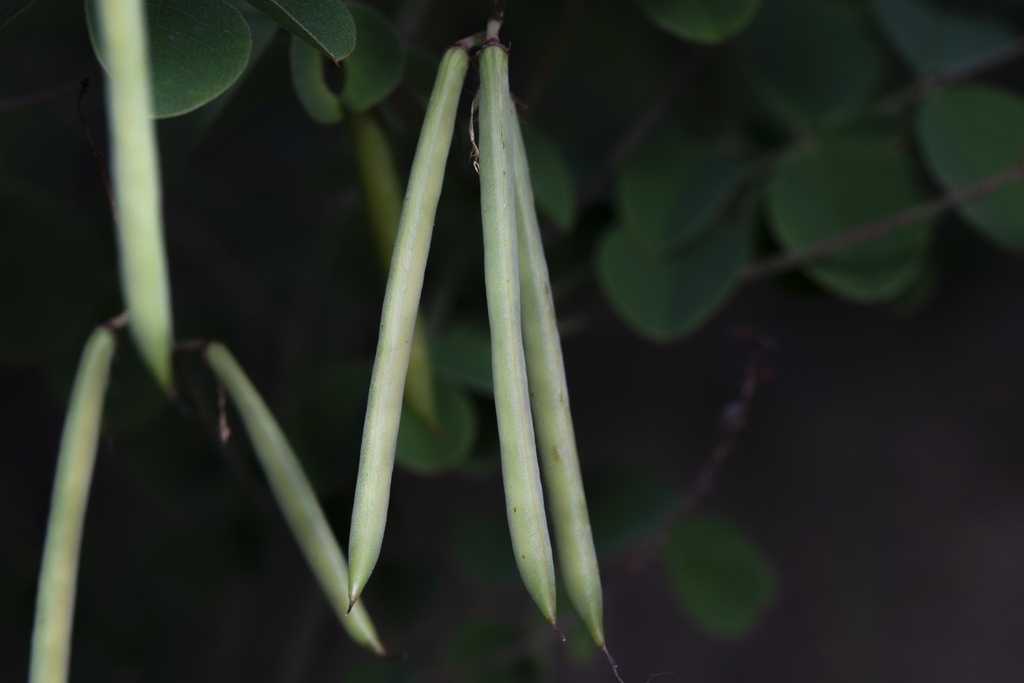
- 1.5 to 2 inch long thin pods
-
-
Flowers:
- Flower Color:
- Pink
- Flower Inflorescence:
- Raceme
- Flower Value To Gardener:
- Showy
- Flower Bloom Time:
- Summer
- Flower Shape:
- Lipped
- Flower Petals:
- 2-3 rays/petals
- Flower Size:
- < 1 inch
- Flower Description:
- Axillary racemes are 4 to 5 inches long with pea-shaped pink flowers from June to July and sometimes intermittently until September. Individual flowers are 3/4 inch long.
-
-
Leaves:
- Woody Plant Leaf Characteristics:
- Deciduous
- Leaf Color:
- Gold/Yellow
- Green
- Deciduous Leaf Fall Color:
- Gold/Yellow
- Orange
- Leaf Type:
- Compound (Pinnately , Bipinnately, Palmately)
- Leaf Arrangement:
- Alternate
- Leaf Shape:
- Elliptical
- Leaf Margin:
- Entire
- Hairs Present:
- Yes
- Leaf Length:
- 3-6 inches
- Leaf Width:
- 1-3 inches
- Leaf Description:
- Gree pinnately compound leaves are 4 to 6 inches long and have 7 to 11 rounded to ovate leaflets with a bristle-like tip. Leaflets are 1/2 to 1.25 inches long with a rounded or wedge-shaped base. Both surfaces have pale flattened hairs. Fall color is yellow-orange.
-
-
Stem:
- Stem Is Aromatic:
- No
- Stem Form:
- Straight
- Stem Description:
- Somewhat angular erect stems soon lose their hairs
-
-
Landscape:
- Landscape Location:
- Naturalized Area
- Landscape Theme:
- Cottage Garden
- Pollinator Garden
- Design Feature:
- Border
- Foundation Planting
- Small groups
- Attracts:
- Bees
- Butterflies