



Illicium henryi
Common Name(s):
- Phonetic Spelling
- il-LISS-ee-um HEN-re-eye
- This plant has high severity poison characteristics.
- See below
- Description
-
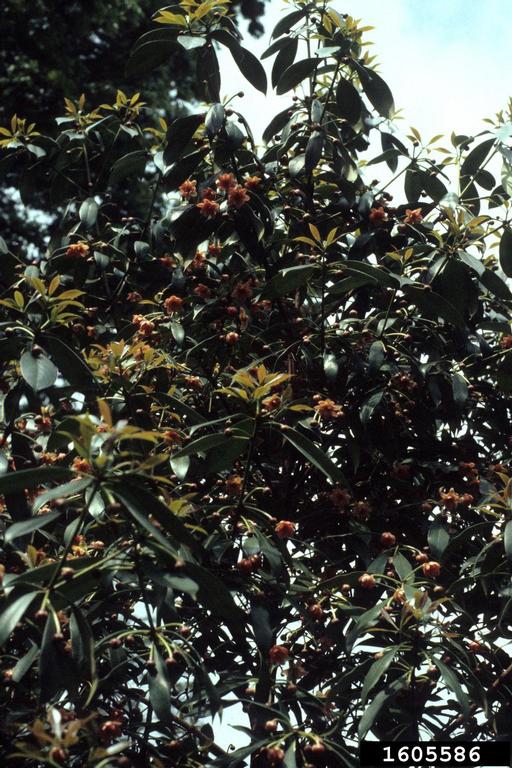
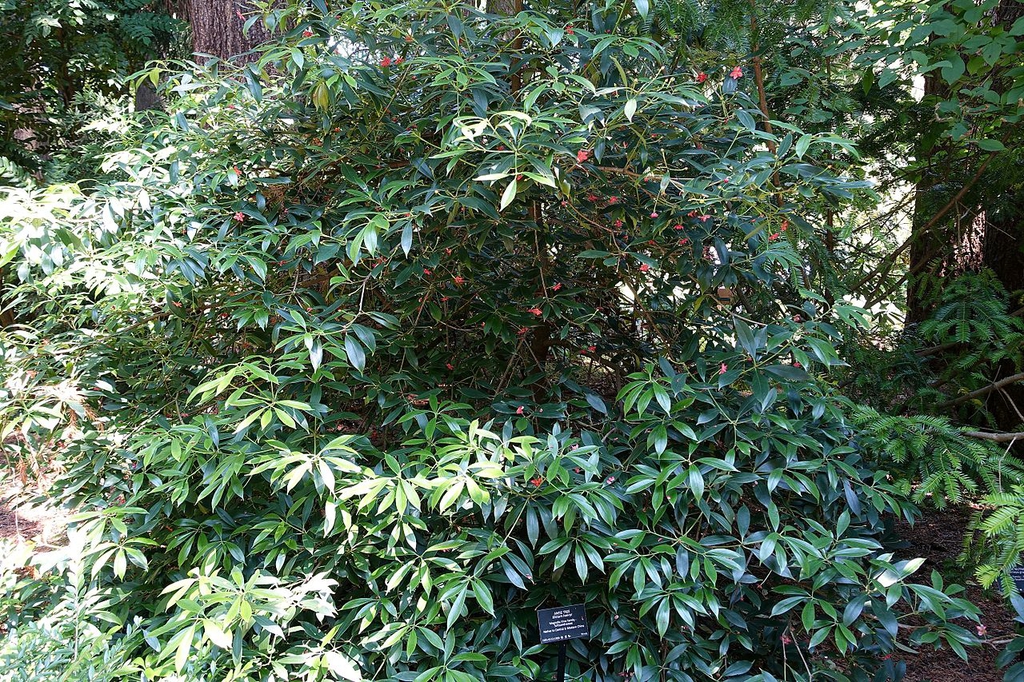
Henry Anise Tree is a flowering evergreen shrub in the Schisandraceae family native to China. It is found on cliffs and in scrub brush habitat. It grows to 6 to 8 feet tall or more and 4 to 6 feet wide with a dense pyramidal to rounded shape.
Henry Anise Tree grows best in moist, high-organic, well-drained, acidic soil in partial to full shade. It will tolerate full sun in its more northern range with care.
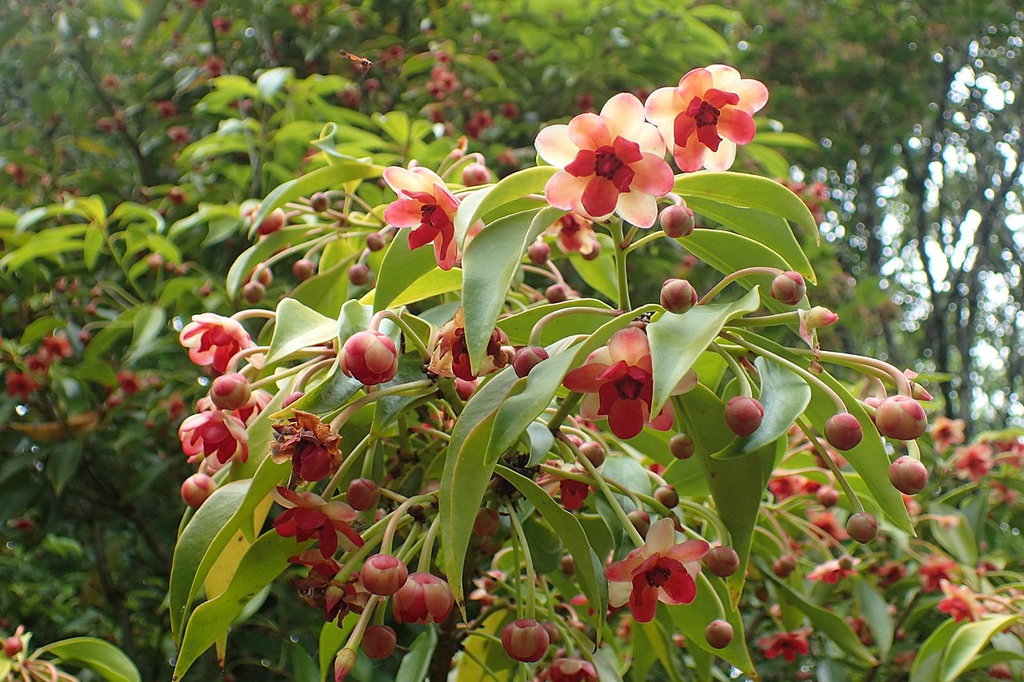
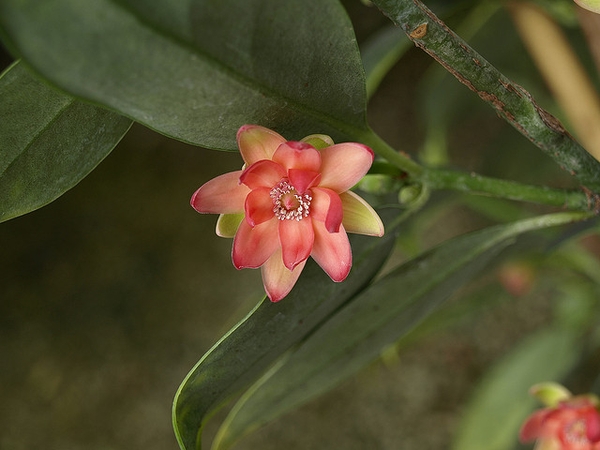
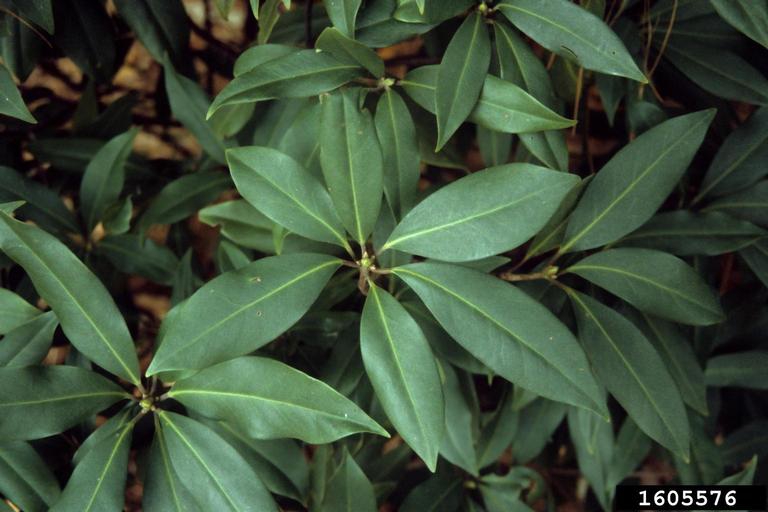
Small coppery-pink to red waxy blooms with 10 to 14 petals occur in spring. The waxy glossy leaves have an anise aroma when crushed.
You can use the plant as a specimen, as a hedge for privacy, for winter interest, or in small groups.
Diseases, Insect Pests, and Other Plant Problems: No serious insect or disease problems. However, keep a watch for the presence of whiteflies.
VIDEO created by Andy Pulte for “Landscape Plant Identification, Taxonomy and Morphology” a plant identification course offered by the Department of Plant Sciences, University of Tennessee.
- Profile Video:
- See this plant in the following landscape :
- Cultivars / Varieties:
-
- Tags:


- Cultivars / Varieties:
-
- Tags:
-
-
Attributes:
- Genus:
- Illicium
- Species:
- henryi
- Family:
- Schisandraceae
- Life Cycle:
- Perennial
- Woody
- Recommended Propagation Strategy:
- Seed
- Stem Cutting
- Country Or Region Of Origin:
- Central and South China
- Wildlife Value:
- Deer and rabbit tolerant
- Play Value:
- Screening
- Particularly Resistant To (Insects/Diseases/Other Problems):
- Deer damage
- Edibility:
- All species and cultivars of Illicium, except for I. verum (Chinese Star Anise), have varying levels of toxicity.
- Dimensions:
- Height: 6 ft. 0 in. - 8 ft. 0 in.
- Width: 4 ft. 0 in. - 6 ft. 0 in.
-
-
Whole Plant Traits:
- Plant Type:
- Poisonous
- Shrub
- Tree
- Woody Plant Leaf Characteristics:
- Broadleaf Evergreen
- Habit/Form:
- Dense
- Erect
- Pyramidal
- Rounded
- Growth Rate:
- Medium
- Maintenance:
- Medium
- Texture:
- Medium
-
-
Cultural Conditions:
- Light:
- Dappled Sunlight (Shade through upper canopy all day)
- Deep shade (Less than 2 hours to no direct sunlight)
- Full sun (6 or more hours of direct sunlight a day)
- Partial Shade (Direct sunlight only part of the day, 2-6 hours)
- Soil Texture:
- High Organic Matter
- Loam (Silt)
- Soil pH:
- Acid (<6.0)
- Soil Drainage:
- Good Drainage
- Moist
- Available Space To Plant:
- 3 feet-6 feet
- NC Region:
- Coastal
- Mountains
- Piedmont
- USDA Plant Hardiness Zone:
- 7a, 7b, 8a, 8b, 9a, 9b
-
-
Fruit:
- Fruit Color:
- Brown/Copper
- Display/Harvest Time:
- Fall
- Fruit Type:
- Follicle
- Fruit Length:
- < 1 inch
- Fruit Width:
- < 1 inch
- Fruit Description:
- Brown, star-shaped seed pods in fall
-
-
Flowers:
- Flower Color:
- Orange
- Pink
- Red/Burgundy
- Flower Inflorescence:
- Solitary
- Flower Bloom Time:
- Spring
- Flower Shape:
- Star
- Flower Petals:
- 7 - 20 petals/rays
- Flower Size:
- 1-3 inches
- Flower Description:
- 1 to 1 1/2 inch waxy pink to deep crimson flowers in spring.
-
-
Leaves:
- Woody Plant Leaf Characteristics:
- Broadleaf Evergreen
- Leaf Color:
- Green
- Leaf Feel:
- Leathery
- Rubbery
- Smooth
- Waxy
- Leaf Value To Gardener:
- Fragrant
- Long-lasting
- Leaf Type:
- Simple
- Leaf Arrangement:
- Alternate
- Leaf Shape:
- Elliptical
- Obovate
- Ovate
- Leaf Margin:
- Entire
- Hairs Present:
- No
- Leaf Length:
- 3-6 inches
- Leaf Width:
- 1-3 inches
- Leaf Description:
- Alternate, simple, leathery, lustrous, dark green leaves; 4 to 5 inches long; fragrant when bruised. Paler undersides.
-
-
Stem:
- Stem Is Aromatic:
- No
-
-
Landscape:
- Landscape Location:
- Coastal
- Lawn
- Naturalized Area
- Pond
- Riparian
- Slope/Bank
- Landscape Theme:
- Rain Garden
- Shade Garden
- Water Garden
- Winter Garden
- Design Feature:
- Accent
- Border
- Hedge
- Mass Planting
- Screen/Privacy
- Small groups
- Specimen
- Attracts:
- Pollinators
- Songbirds
- Resistance To Challenges:
- Deer
- Drought
- Rabbits
- Wet Soil
- Problems:
- Poisonous to Humans



