



Swamp Jasmine Gelsemium rankinii
Other Common Name(s):
- Phonetic Spelling
- gel-SEM-ee-um rank-EN-ee-eye
- This plant has high severity poison characteristics.
- See below
- Description
-
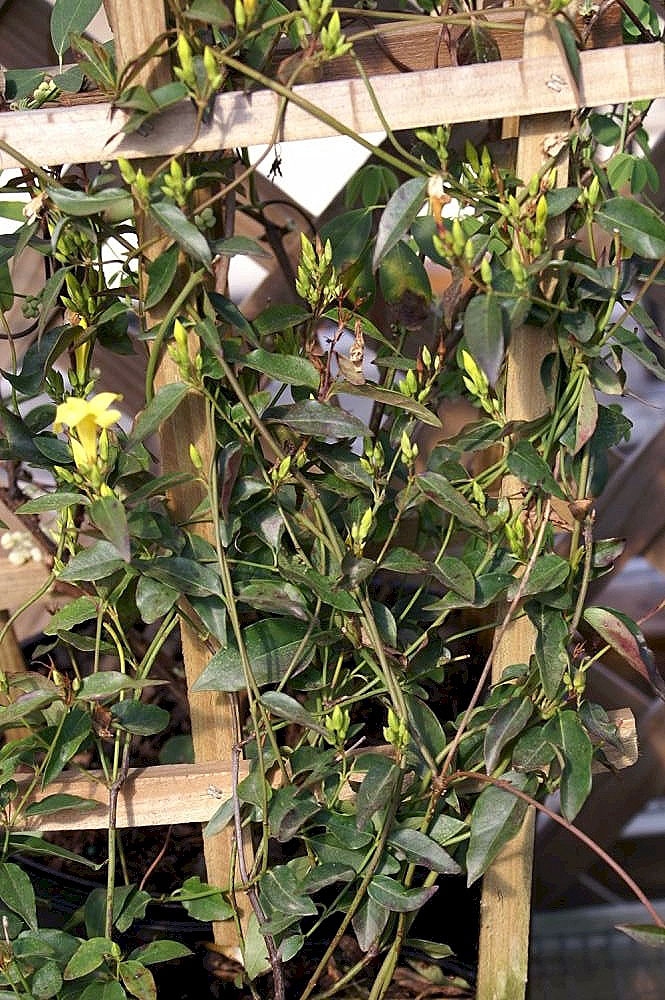
Swamp jasmine is a woody twining vine in the Gelseminaceae family native to the southern US. It can be found in swampy areas of forests and natural land and is often cultivated in landscapes. It is found most notably in the swamps of the Black and Waccamaw rivers.
This plant can be grown in sun to partial shade and needs rich, acidic, moist to wet soil. It offers wildlife enhancement and is resistant to damage by deer. Tolerant of occasional flooding. The vine usually grow to 10 feet tall but can reach 20 feet and spread 3 to 20 feet. It will climb trees or climb over shrubs.
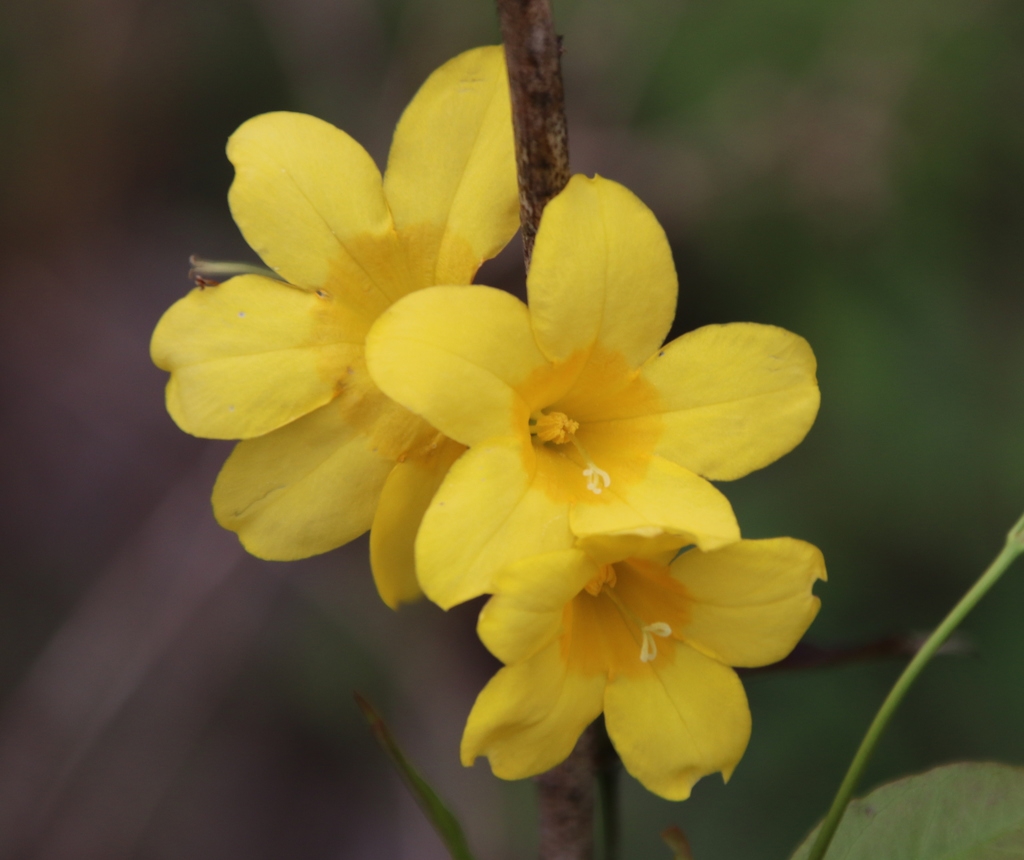
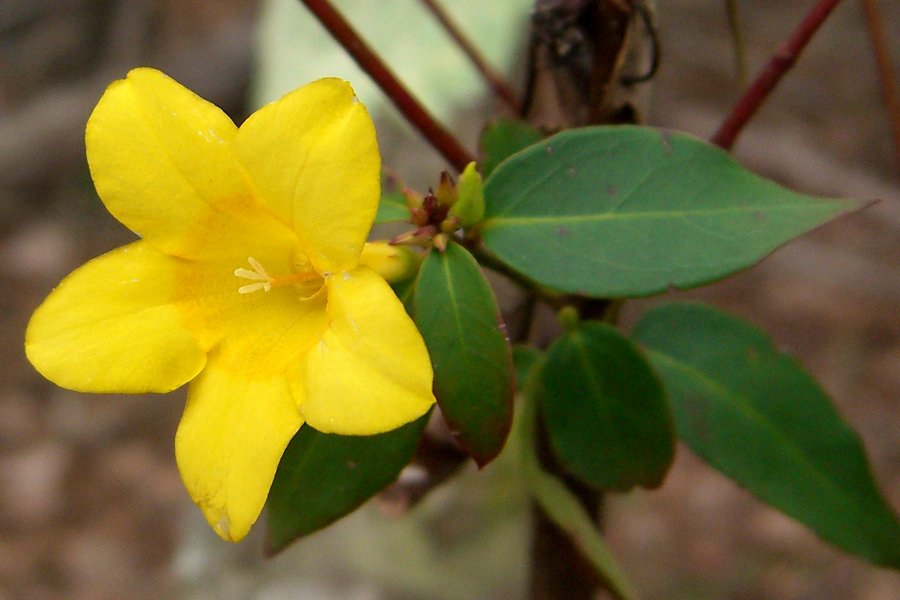
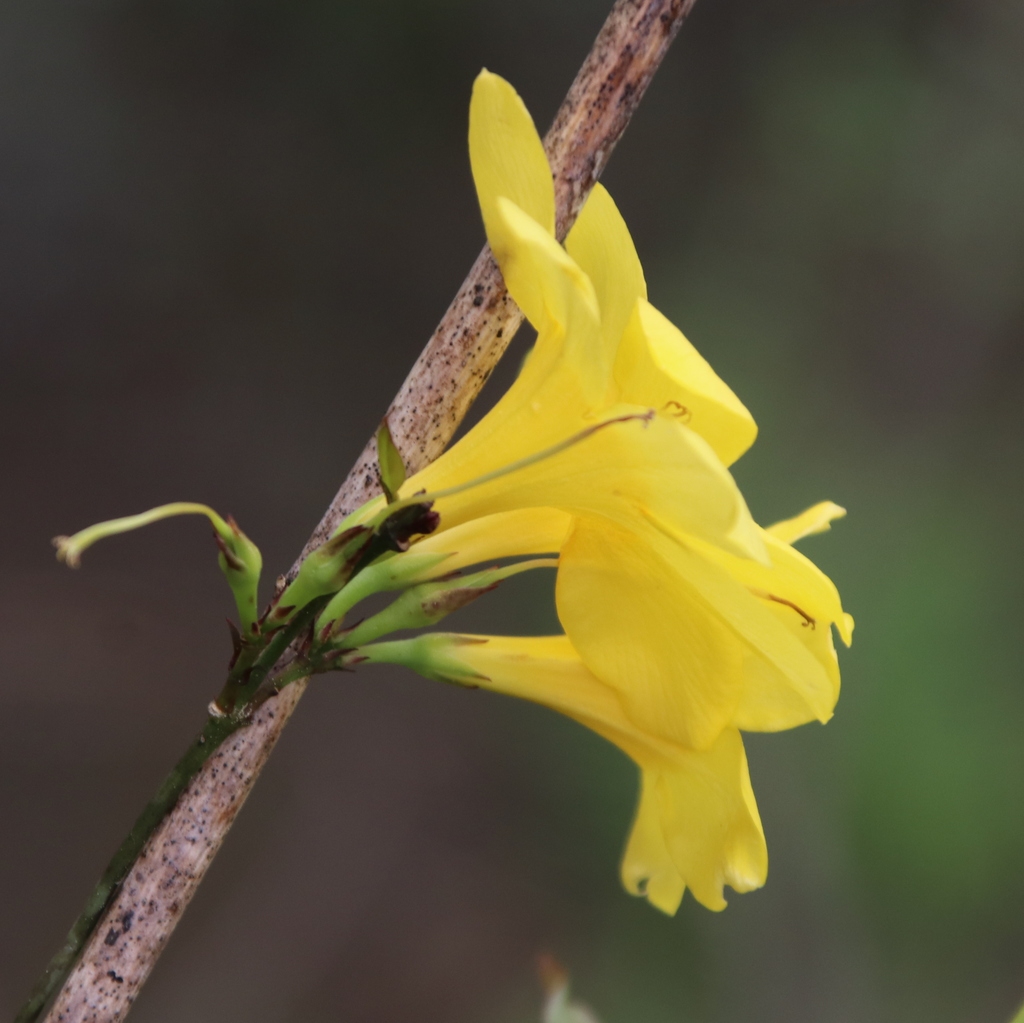
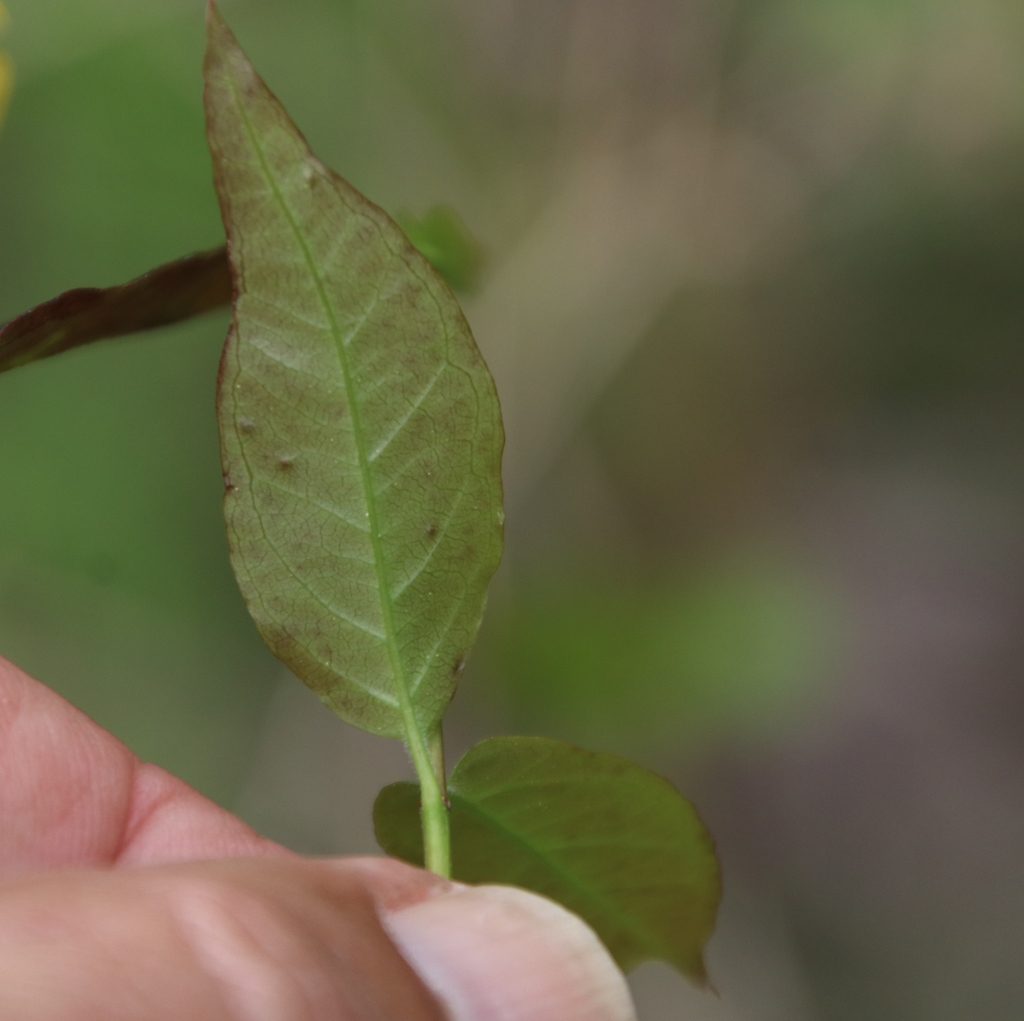
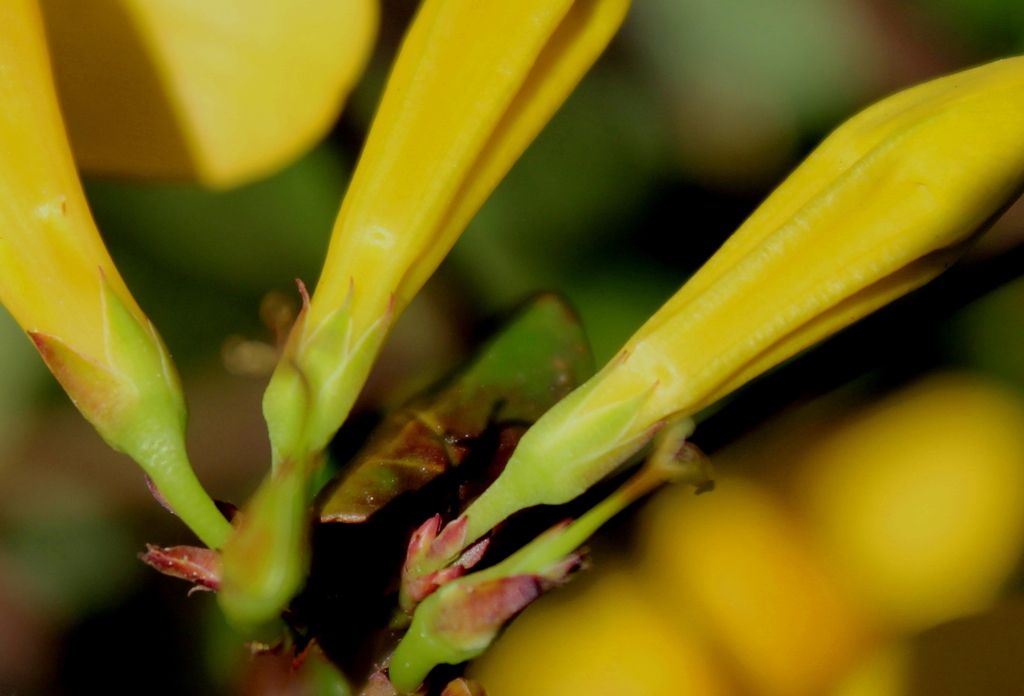
It is evergreen with simple, opposite leaves and a smooth margin. Its showy yellow flowers, which bloom in the spring and fall, are funnel-shaped with 5 lobes and are not aromatic. Its fruit is a thin, flattened capsule. The flowers, leaves, and roots of this plant are toxic. This plant is classified as an NC Special Concern species.
Use Swamp jasmine on any vertical surface. It can be used for screening and privacy or in a native pollinator or woodland garden. Avoid planting around children or pets.
Insects, Diseases, and Other Plant Problems: Generally problem-free but occasionally affected by aphids, spider mites, slugs and snails. Fungal diseases such as rust, blight, and anthracnose are also possible, but uncommon.
- See this plant in the following landscape:
- Cultivars / Varieties:
-
- Tags:


- Cultivars / Varieties:
-
- Tags:
-
-
Attributes:
- Genus:
- Gelsemium
- Species:
- rankinii
- Family:
- Gelseminaceae
- Life Cycle:
- Woody
- Country Or Region Of Origin:
- Southern USA, NC
- Distribution:
- AL , FL , GA , LA , MS , NC
- Play Value:
- Wildlife Food Source
- Climbing Method:
- Twining
- Dimensions:
- Height: 5 ft. 0 in. - 20 ft. 0 in.
- Width: 3 ft. 0 in. - 20 ft. 0 in.
-
-
Whole Plant Traits:
- Plant Type:
- Native Plant
- Perennial
- Poisonous
- Vine
- Woody Plant Leaf Characteristics:
- Broadleaf Evergreen
- Habit/Form:
- Climbing
- Spreading
- Growth Rate:
- Rapid
- Maintenance:
- Medium
- Texture:
- Fine
-
-
Cultural Conditions:
- Light:
- Full sun (6 or more hours of direct sunlight a day)
- Partial Shade (Direct sunlight only part of the day, 2-6 hours)
- Soil Texture:
- High Organic Matter
- Soil pH:
- Acid (<6.0)
- Soil Drainage:
- Good Drainage
- Moist
- Occasionally Wet
- NC Region:
- Coastal
- USDA Plant Hardiness Zone:
- 7a, 7b, 8a, 8b, 9a, 9b
-
-
Fruit:
- Display/Harvest Time:
- Fall
- Fruit Type:
- Capsule
- Fruit Description:
- Thin, flattened capsule. Fruits are available from September to October.
-
-
Flowers:
- Flower Color:
- Gold/Yellow
- Flower Inflorescence:
- Solitary
- Flower Value To Gardener:
- Showy
- Flower Bloom Time:
- Fall
- Spring
- Flower Shape:
- Funnel
- Flower Petals:
- 4-5 petals/rays
- fused petals
- Flower Size:
- 1-3 inches
- Flower Description:
- Funnel-shaped 1-1.5 inch yellow flowers in spring and fall from March-April and also October. Not fragrant
-
-
Leaves:
- Woody Plant Leaf Characteristics:
- Broadleaf Evergreen
- Leaf Color:
- Green
- Leaf Feel:
- Smooth
- Waxy
- Leaf Type:
- Simple
- Leaf Arrangement:
- Opposite
- Leaf Shape:
- Lanceolate
- Leaf Margin:
- Entire
- Hairs Present:
- No
- Leaf Length:
- 1-3 inches
- Leaf Description:
- Waxy lanceolate leaves with entire margins and acute apex are 1 to 3 inches long.
-
-
Stem:
- Stem Is Aromatic:
- No
-
-
Landscape:
- Landscape Location:
- Naturalized Area
- Vertical Spaces
- Woodland
- Landscape Theme:
- Butterfly Garden
- Native Garden
- Pollinator Garden
- Design Feature:
- Screen/Privacy
- Attracts:
- Bees
- Butterflies
- Hummingbirds
- Pollinators
- Songbirds
- Resistance To Challenges:
- Deer
- Problems:
- Poisonous to Humans
- Problem for Dogs
-
-
Poisonous to Humans:
- Poison Severity:
- High
- Poison Symptoms:
- Sweating, nausea, muscular weakness, dilated pupils, lowered temperature, convulsions, and respiratory failure.
- Poison Toxic Principle:
- Alkaloids
- Causes Contact Dermatitis:
- No
- Poison Part:
- Bark
- Flowers
- Fruits
- Leaves
- Roots
- Sap/Juice
- Seeds
- Stems


