


Galanthus elwesii
Common Name(s):
Previously known as:
- Chianthemum elwesii
- Phonetic Spelling
- guh-LAN-thus el-WEZ-ee-eye
- This plant has low severity poison characteristics.
- See below
- Description
-
Giant snowdrop is a deciduous perennial bulb in the amaryllis family (Amaryllidaceae). It is a native of the Balkans, western Turkey, Macedonia and northern Greece. The genus name Galanthus comes from the Greek words for milk (gala) and flower (anthos) because the flower is always white. The species is named for English botanist and naturalist Henry John Elwes (1846-1922).
It grows easily in moist, well-drained, hummus-rich soils in full sun to partial shade. This flower naturalizes readily through self-seeding and bulb offsets and can grow into large colonies. It prefers cooler climates and may be short-lived when grown south of USDA Zone 7. The plant requires less than 12 inches of space and can be planted 3 to 4 inches apart. Plant bulbs 5 inches deep in the fall. This flower thrives in that difficult-to-grow location under deciduous trees, because it receives full sun in the early spring. When the trees leaf out in the heat of summer, the shade then protects the plant. Leaves should be left to yellow on spent bulbs because they provide nutrients for the next year's bloom. The dead leaves eventually fall off by themselves as the bulbs go dormant for the summer. The plant is deer resistant.
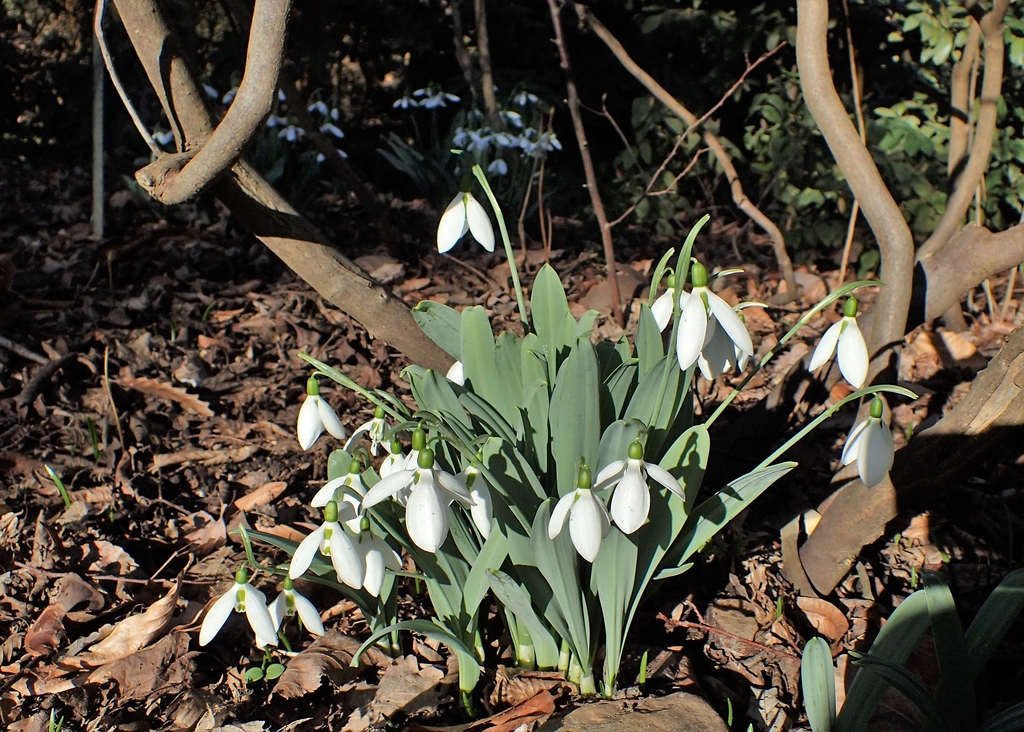
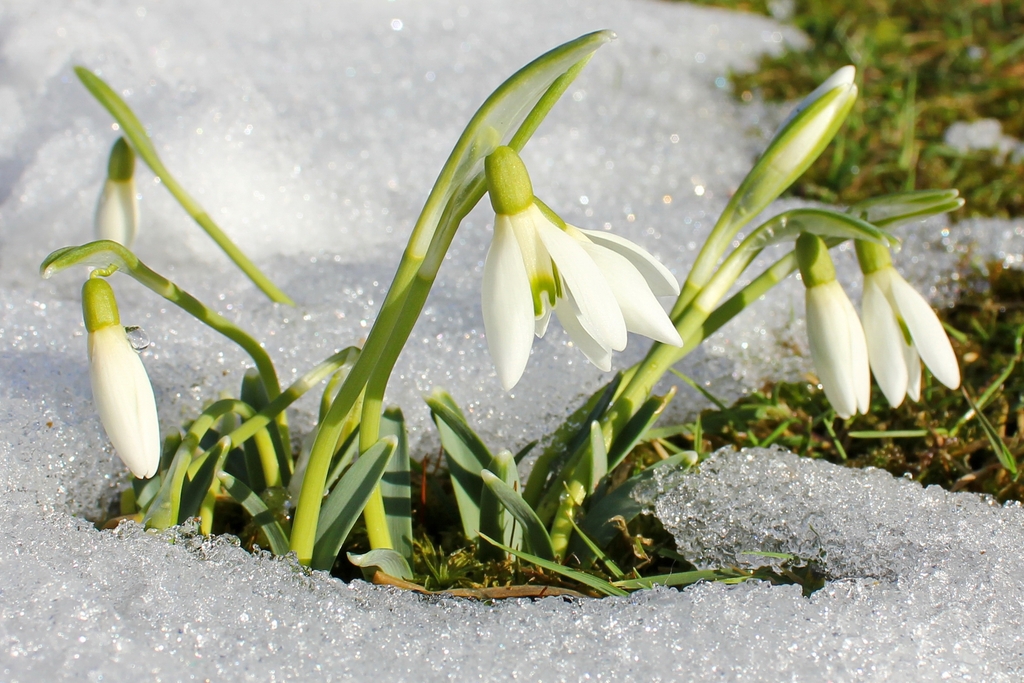
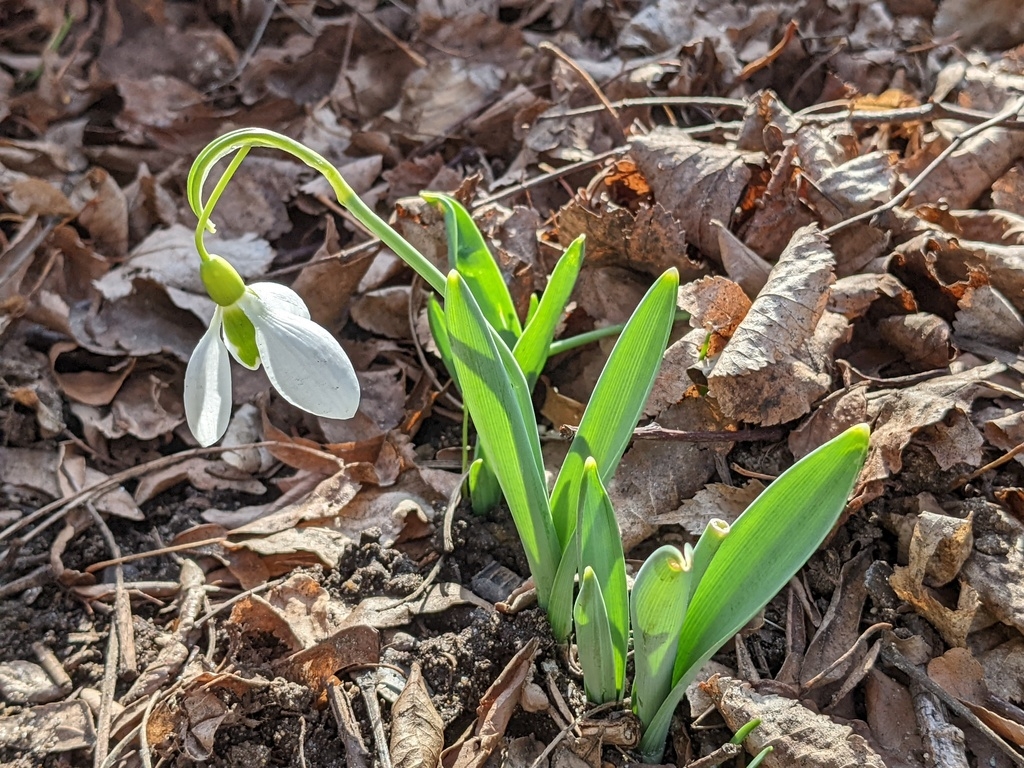
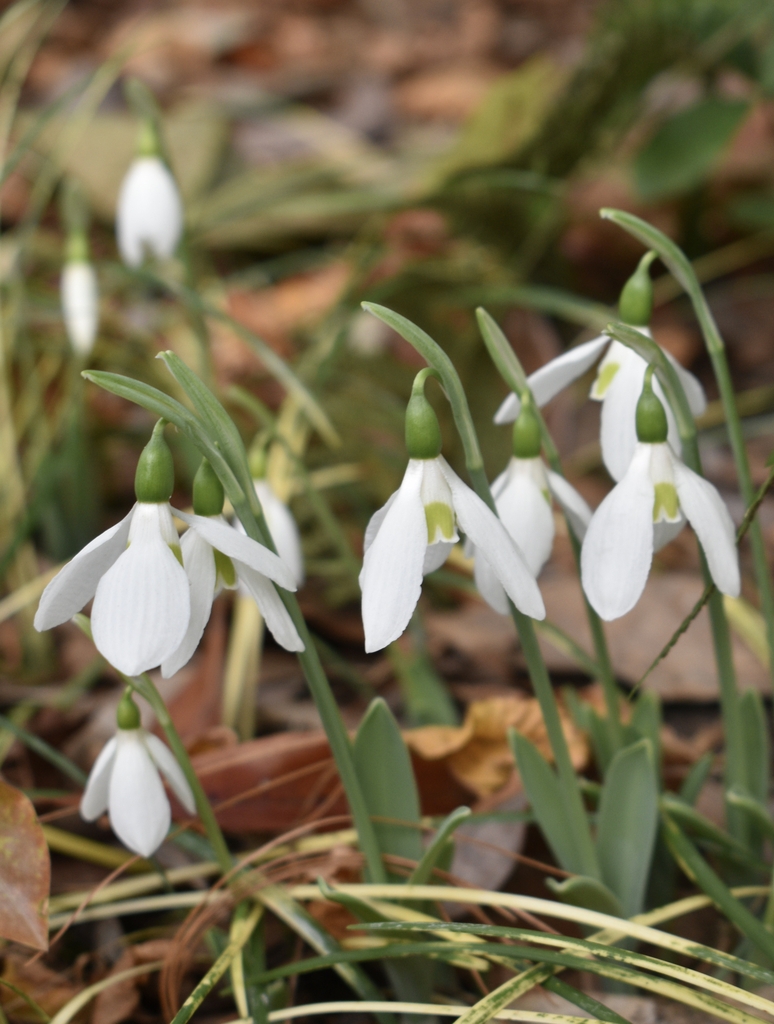
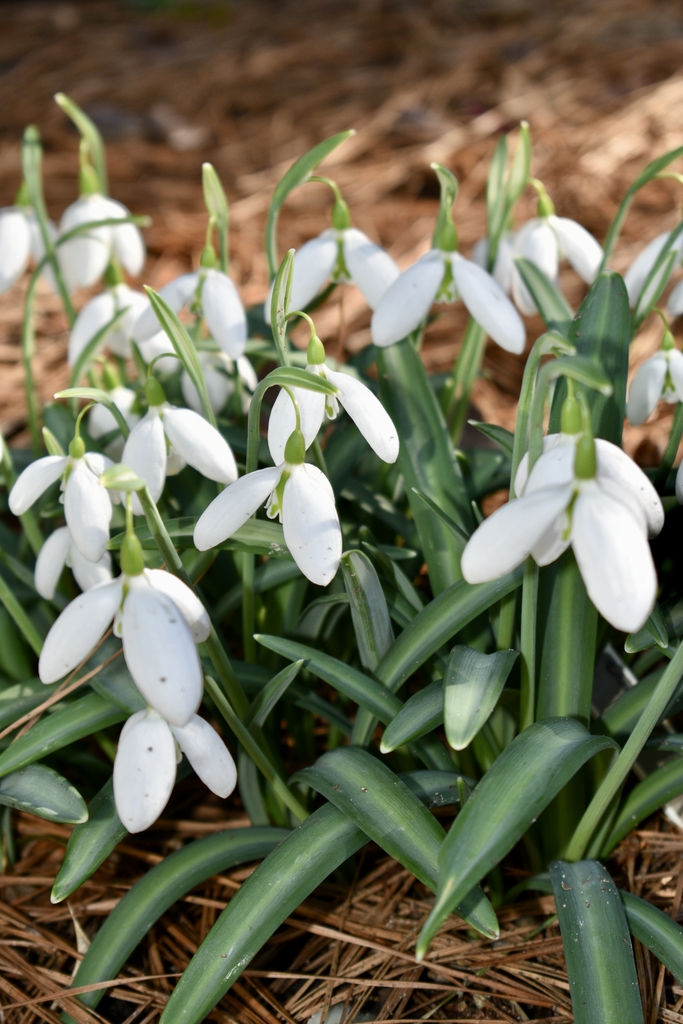
The giant snowdrop grows up to a foot in height, and its large, solitary, white flowers are about 2 inches wide. The flowers appear on naked stems in late winter to early spring, poking above the snow if it is present. Giant snowdrop gets its name because its flowers and leaves are larger than the similar common snowdrop (G. nivalis).
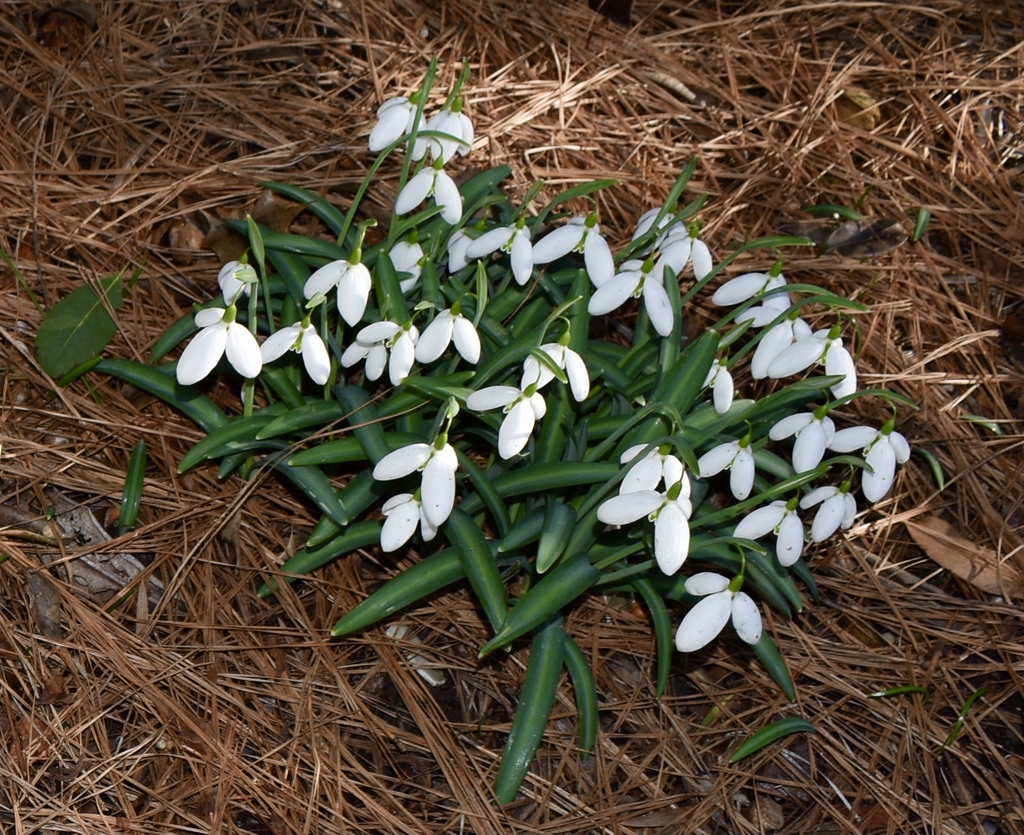
Display it where it can naturalize in large drifts such as in woodland margins, meadows or in lawns under large deciduous trees. It can also be mass planted or in small groups among other early flowering bulbs in rock gardens, along paths or in front of shrubs. Use it also in cottage, pollinator and winter gardens.
Insects, Diseases and Other Plant Problems: No significant problems.
- See this plant in the following landscape :
- Cultivars / Varieties:
-
- Tags:
 Download Image
 Download Image


- Cultivars / Varieties:
-
- Tags:
-
-
Attributes:
- Genus:
- Galanthus
- Species:
- elwesii
- Family:
- Amaryllidaceae
- Life Cycle:
- Bulb
- Perennial
- Country Or Region Of Origin:
- Balkans, western Turkey, Macedonia, northern Greece
- Particularly Resistant To (Insects/Diseases/Other Problems):
- Tolerates deer, clay soil, black walnut trees
- Dimensions:
- Height: 0 ft. 6 in. - 1 ft. 0 in.
- Width: 0 ft. 3 in. - 0 ft. 6 in.
-
-
Whole Plant Traits:
- Plant Type:
- Bulb
- Perennial
- Woody Plant Leaf Characteristics:
- Deciduous
- Habit/Form:
- Clumping
- Spreading
- Growth Rate:
- Medium
- Maintenance:
- Low
- Texture:
- Fine
-
-
Cultural Conditions:
- Light:
- Dappled Sunlight (Shade through upper canopy all day)
- Full sun (6 or more hours of direct sunlight a day)
- Partial Shade (Direct sunlight only part of the day, 2-6 hours)
- Soil Texture:
- Clay
- High Organic Matter
- Soil Drainage:
- Good Drainage
- Moist
- Occasionally Wet
- Available Space To Plant:
- Less than 12 inches
- NC Region:
- Mountains
- Piedmont
- USDA Plant Hardiness Zone:
- 4a, 4b, 5a, 5b, 6a, 6b, 7a, 7b
-
-
Fruit:
- Fruit Type:
- Capsule
- Fruit Length:
- < 1 inch
- Fruit Width:
- < 1 inch
- Fruit Description:
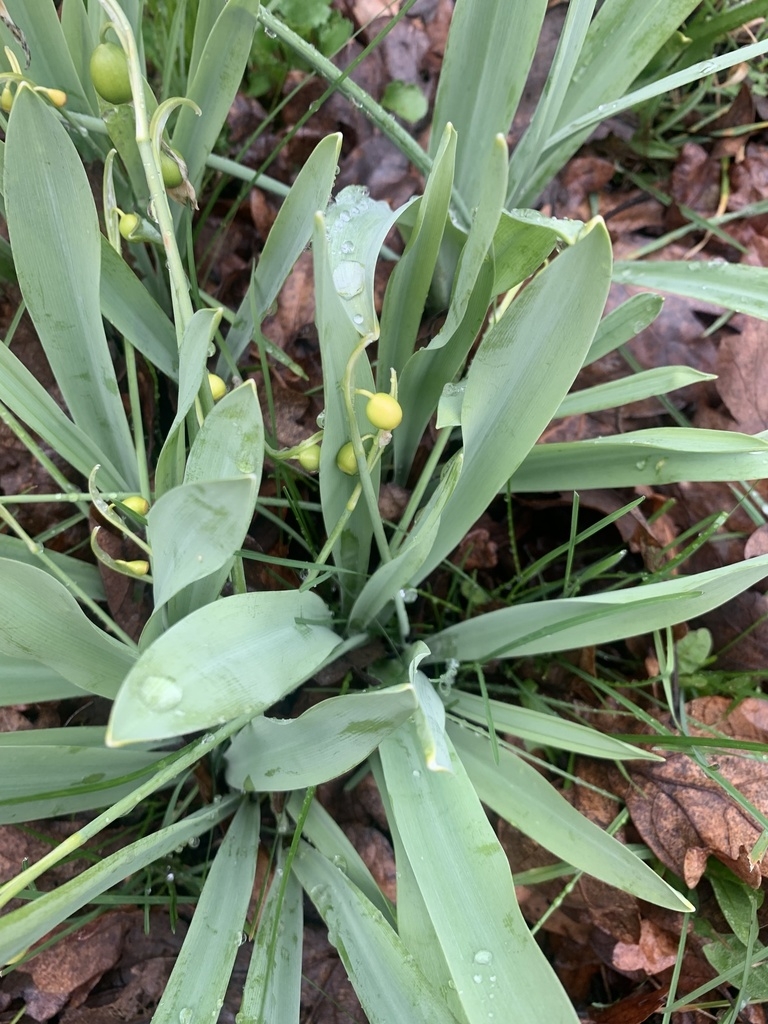
- Capsule splits in thirds
-
-
Flowers:
- Flower Color:
- Green
- White
- Flower Inflorescence:
- Solitary
- Flower Value To Gardener:
- Showy
- Flower Bloom Time:
- Spring
- Winter
- Flower Shape:
- Bell
- Flower Petals:
- 6 petals/rays
- Tepals
- Flower Size:
- 1-3 inches
- Flower Description:
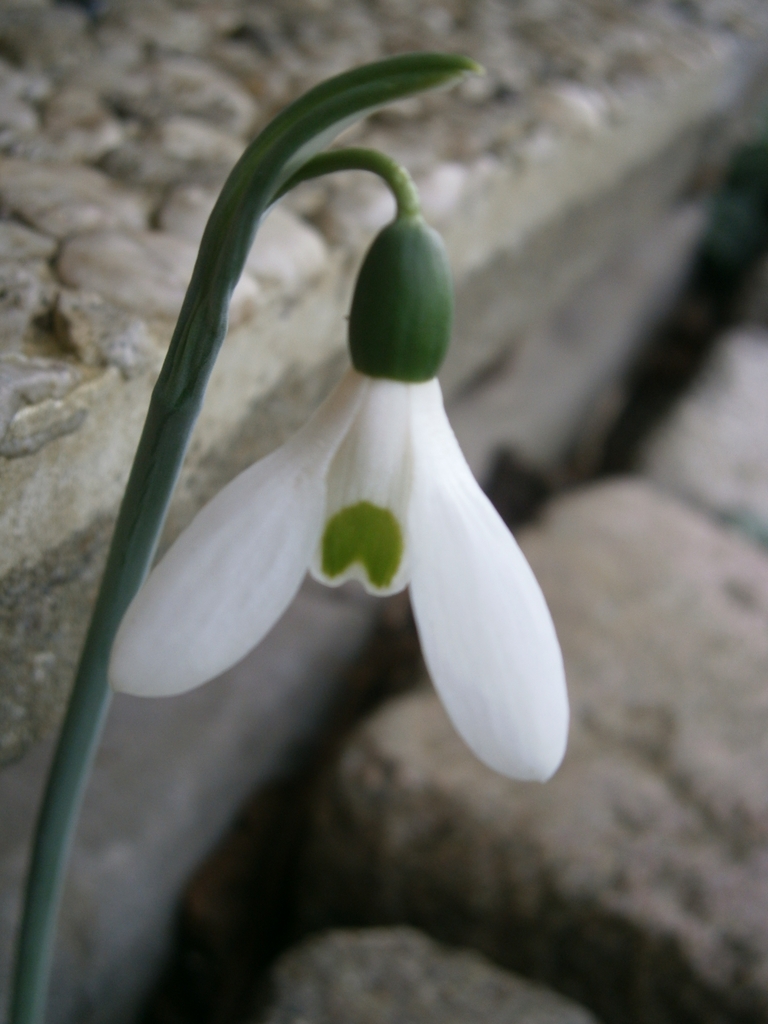
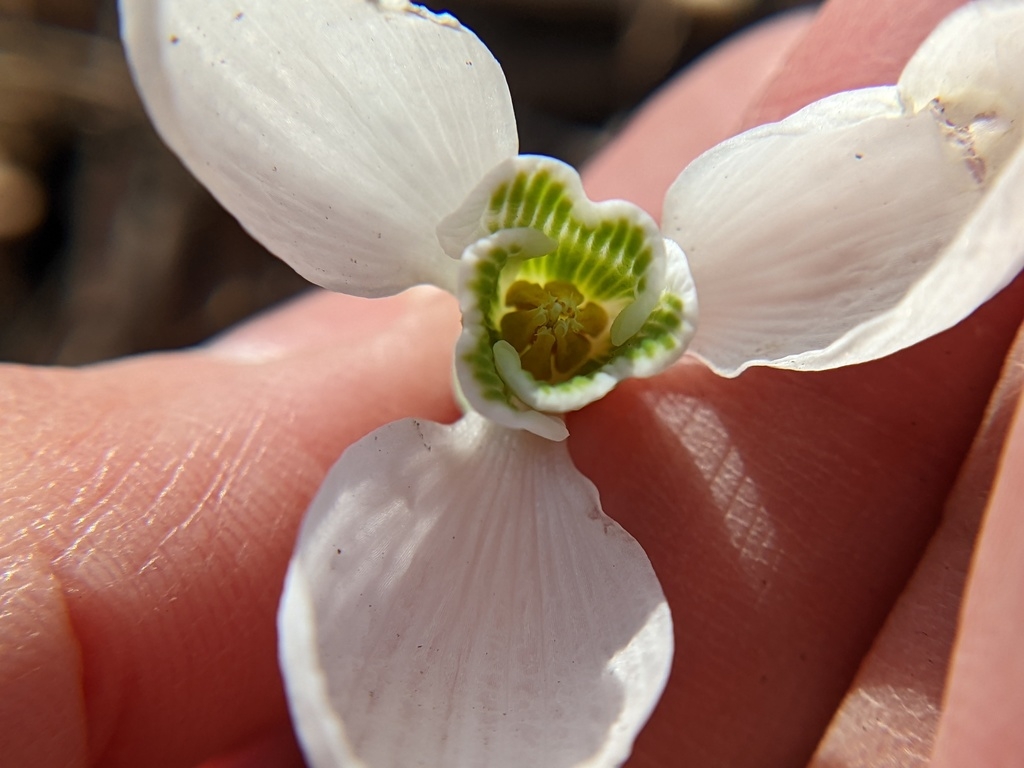
- A solitary 2" wide, waxy, pendulous, bell-shaped white flower, held on a slender leafless pedicel. 6-parted tepals, white but with inner segments that have a terminal green mark. They bloom late winter to early spring.
-
-
Leaves:
- Woody Plant Leaf Characteristics:
- Deciduous
- Leaf Color:
- Gray/Silver
- Green
- Leaf Type:
- Simple
- Leaf Arrangement:
- Rosulate
- Leaf Shape:
- Lanceolate
- Linear
- Leaf Margin:
- Entire
- Hairs Present:
- No
- Leaf Length:
- 3-6 inches
- Leaf Width:
- 1-3 inches
- Leaf Description:
- Two to three linear, or very narrowly lanceolate, reaching 4 inches long after flowering, 1 1/4 inch wide, greyish-green leaves arise from the base of the bulb.
-
-
Stem:
- Stem Color:
- Green
- Stem Is Aromatic:
- No
- Stem Surface:
- Smooth (glabrous)
- Stem Description:
- Smooth green stem
-
-
Landscape:
- Landscape Location:
- Meadow
- Naturalized Area
- Walkways
- Woodland
- Landscape Theme:
- Cottage Garden
- Pollinator Garden
- Rock Garden
- Winter Garden
- Design Feature:
- Border
- Mass Planting
- Small groups
- Attracts:
- Bees
- Resistance To Challenges:
- Black Walnut
- Deer
- Problems:
- Poisonous to Humans