



Fringed Willowherb Epilobium ciliatum
Other Common Name(s):
- Phonetic Spelling
- ep-ih-LOW-bee-um sil-ee-ATE-um
- Description
-
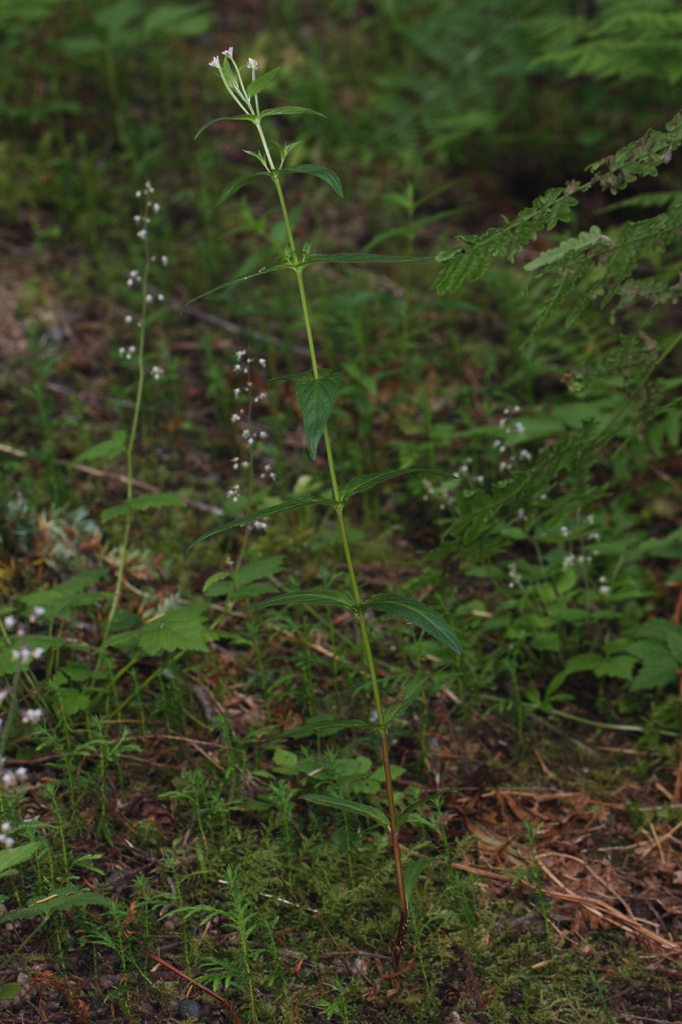
Fringed willowherb is a native flowering, herbaceous perennial, wildflower in the evening primrose family (Onagraceae) and is found in much of North America, southern South America, and Eastern Asia. Its habitats include wetlands, marshes, swamps, wet meadows, forest edges, and rocky cliffs. It grows from 4 to 6 feet tall with an erect, single or multiple stems. The flowers are solitary and are borne with 1 to 2-inch-long pedicels, 4-petaled, white to pale pink blooms, and have a basal rosette of green leaves. This plant is very adaptable and has become problematic in container and field nurseries in the United States.
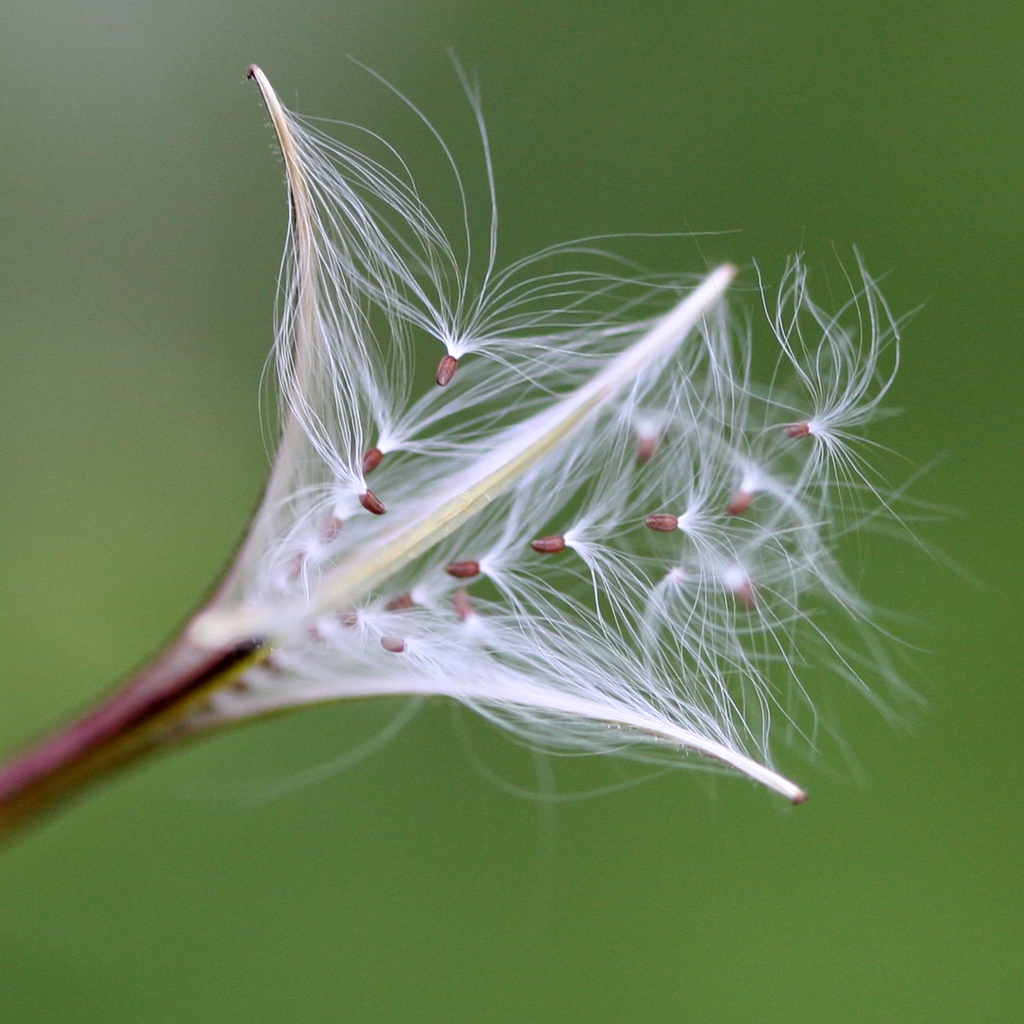
This perennial prefers full sun to partial shade and moist, loamy soil. This fast grower can spread rapidly in garden settings. The plant's capsule splits open upon maturity, and then its seeds are easily dispersed by the wind and germinate readily. Vegetative buds or turions are sometimes produced. They can overwinter in the soil surface and become a seed source in the spring. Once this plant is established, it is difficult to remove.
Fringed willowherb attracts pollinators such as bees, flies, and hummingbirds. It is also the larval host for several moth species.
Don't let this delicate and airy plant fool you. While it is beneficial for pollinators, it can easily colonize disturbed, wet areas and is becoming weedy. It is considered invasive in some areas outside of its native range. In our region, sanitation is very important in container nurseries, and the plant liners need to be inspected to prevent further spread or introduction. Preventing the plants from going to seed can also curb their spread. Willowherbs are not well-managed by herbicides, but herbicide efficacy rankings for this species are based on limited experimental data.
Insects, Diseases, and Other Plant Problems: No serious insect or disease issues. Monitor for powdery mildew. It can become weedy.
- See this plant in the following landscape :
- Cultivars / Varieties:
-
- Epilobium ciliatum subsp. ciliatum (American Willowherb)
White blooms from June to Sept., hardy 5b to 10b, lower stem portion hairy, turions absent, inflorescence is branched - Epilobium ciliatum subsp. glandulosum (Northern Willowherb)
Crowded inflorescences, large rose-purple flowers, bloom from March to September, hardy 6a to 9b, - Epilobium ciliatum subsp. watsonii (Watson's Willowherb)
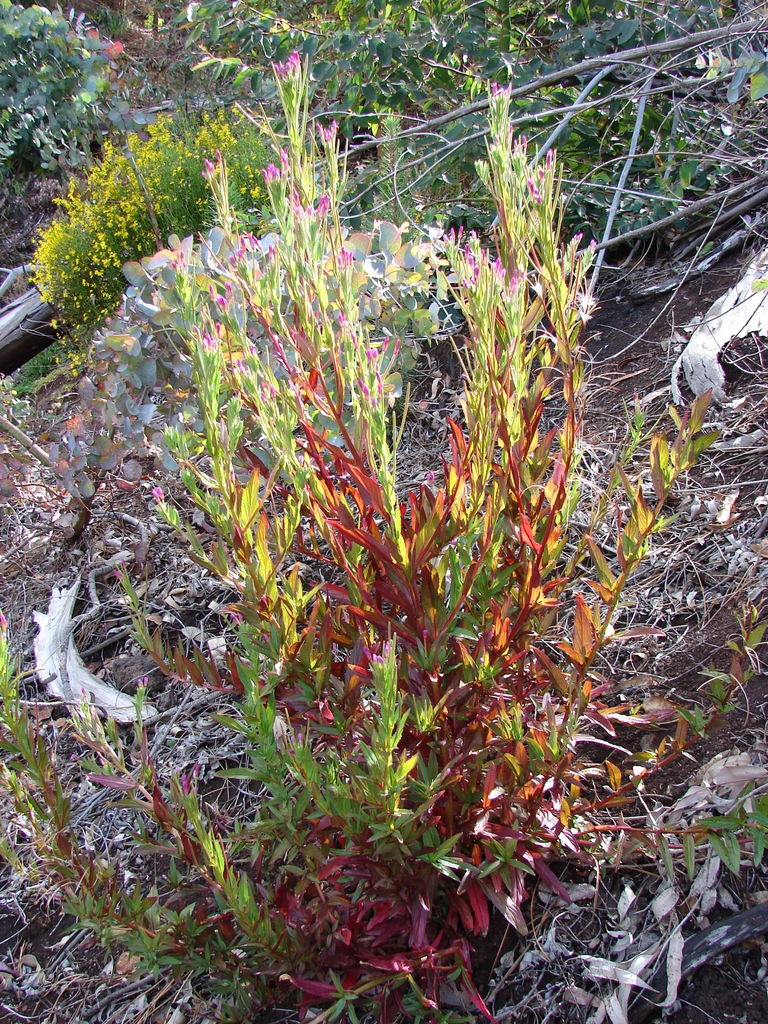
Rosy-pink flowers, bloom March to September, hardy 9a to 10b, found only on the Pacific Coast
- Epilobium ciliatum subsp. ciliatum (American Willowherb)
- Epilobium ciliatum subsp. ciliatum (American Willowherb), Epilobium ciliatum subsp. glandulosum (Northern Willowherb), Epilobium ciliatum subsp. watsonii (Watson's Willowherb)
- Tags:


- Cultivars / Varieties:
-
- Epilobium ciliatum subsp. ciliatum (American Willowherb)
White blooms from June to Sept., hardy 5b to 10b, lower stem portion hairy, turions absent, inflorescence is branched - Epilobium ciliatum subsp. glandulosum (Northern Willowherb)
Crowded inflorescences, large rose-purple flowers, bloom from March to September, hardy 6a to 9b, - Epilobium ciliatum subsp. watsonii (Watson's Willowherb)
Rosy-pink flowers, bloom March to September, hardy 9a to 10b, found only on the Pacific Coast
- Epilobium ciliatum subsp. ciliatum (American Willowherb)
- Epilobium ciliatum subsp. ciliatum (American Willowherb), Epilobium ciliatum subsp. glandulosum (Northern Willowherb), Epilobium ciliatum subsp. watsonii (Watson's Willowherb)
- Tags:
-
-
Attributes:
- Genus:
- Epilobium
- Species:
- ciliatum
- Family:
- Onagraceae
- Life Cycle:
- Perennial
- Recommended Propagation Strategy:
- Seed
- Country Or Region Of Origin:
- Russia, North America to Guatemala, and South America
- Distribution:
- Native: Alberta, Argentina, British Columbia, Chile, Greenland, Guatemala, Manitoba, Mexico, New Brunswick, Newfoundland, Northwest Territories, Nova Scotia, Ontario, Prince Edward Island, Quebec, Saskatchewan, Yukon, and the United States--AK. AZ, CA, CO, CT, DE, DC, ID, IL, IN, IA, KS, KY, ME, MD, MA, MI, MN, MO, MT, NE, NV, NH, NJ, NM, NY, NC, ND, OH, OK, OR, PA, RI, SC, SD, TN, TX, UT, VT, VA, WA, WV, WI, and WY. Introduced: Baltic States, Bulgaria, Central European Russia, Czechoslovakia, Denmark, Eastern European Russia, Finland, Germany, Great Britain, Greece, Hawaii, Iceland, Japan, Korea, Malaya, Manchuria, Mongolia, New South Wales, New Zealand North, New Zealand South, North European Russia, Northwest European Russia, Norway, Poland, Queensland, South Australia, Spain, Sweden, Tasmania, Victoria, West Siberia, and Western Australia.
- Wildlife Value:
- It serves as a host plant for several types of butterflies and moths. The flowers also attract hummingbirds and bees.
- Play Value:
- Attracts Pollinators
- Wildlife Larval Host
- Dimensions:
- Height: 1 ft. 0 in. - 4 ft. 6 in.
- Width: 1 ft. 0 in. - 2 ft. 0 in.
-
-
Whole Plant Traits:
- Plant Type:
- Herbaceous Perennial
- Native Plant
- Weed
- Habit/Form:
- Clumping
- Erect
- Growth Rate:
- Rapid
- Maintenance:
- Medium
- Texture:
- Medium
-
-
Cultural Conditions:
- Light:
- Full sun (6 or more hours of direct sunlight a day)
- Partial Shade (Direct sunlight only part of the day, 2-6 hours)
- Soil Texture:
- Loam (Silt)
- Soil pH:
- Acid (<6.0)
- Soil Drainage:
- Occasional Flooding
- Occasionally Wet
- Available Space To Plant:
- 3 feet-6 feet
- NC Region:
- Coastal
- USDA Plant Hardiness Zone:
- 8a, 8b, 9a, 9b, 10a, 10b, 11a, 11b
-
-
Fruit:
- Fruit Color:
- Brown/Copper
- Display/Harvest Time:
- Fall
- Fruit Type:
- Capsule
- Fruit Length:
- 1-3 inches
- Fruit Width:
- < 1 inch
- Fruit Description:
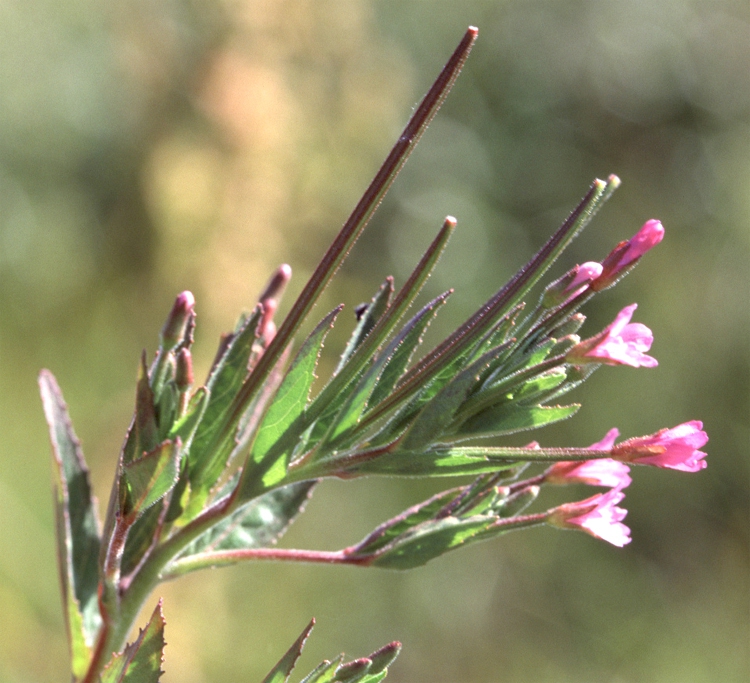
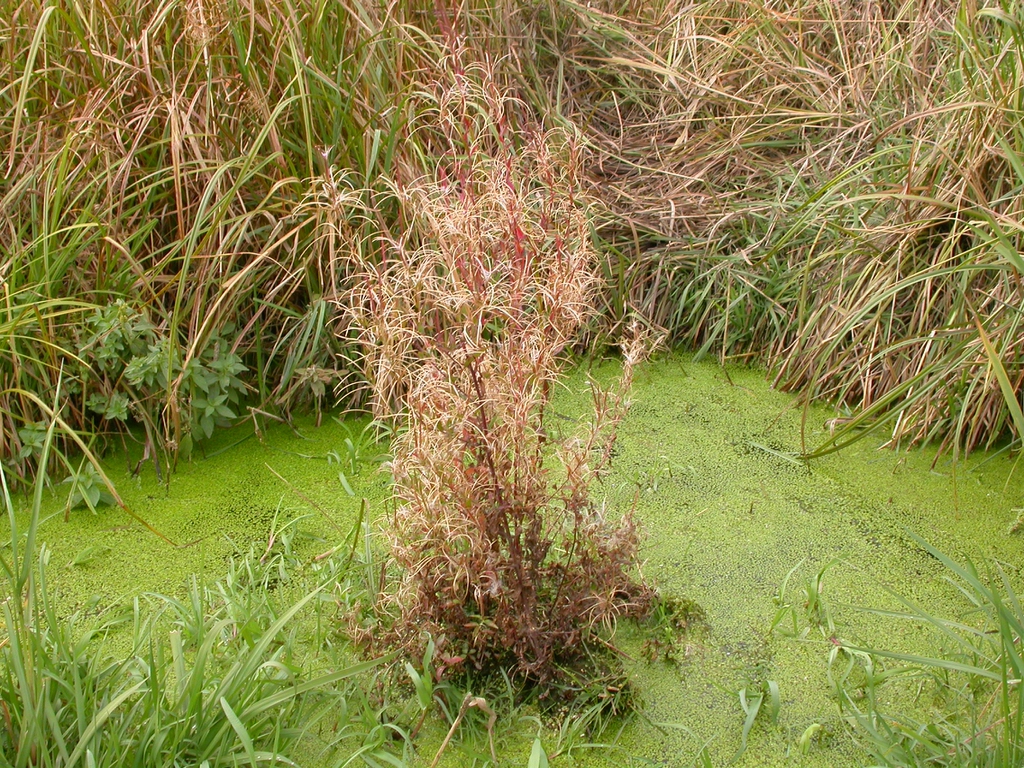
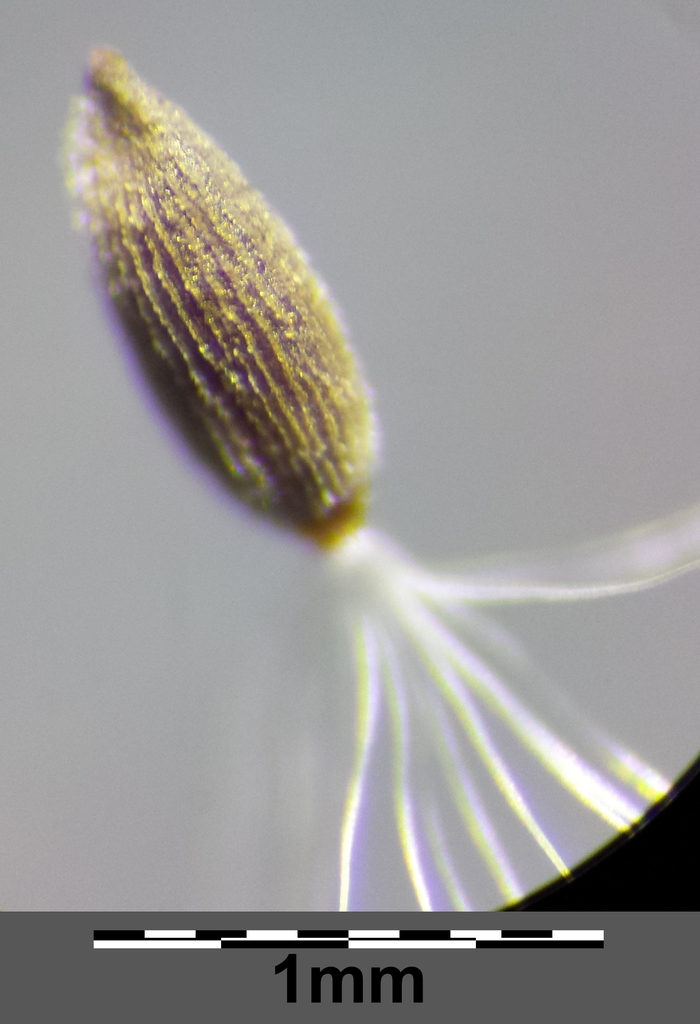
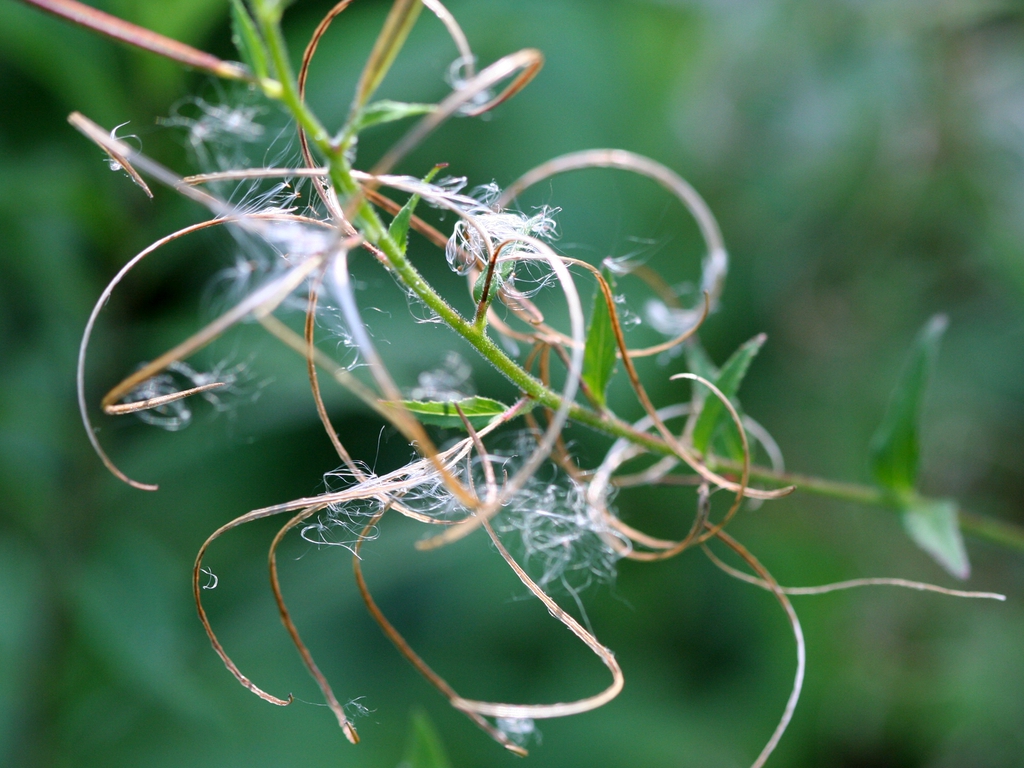
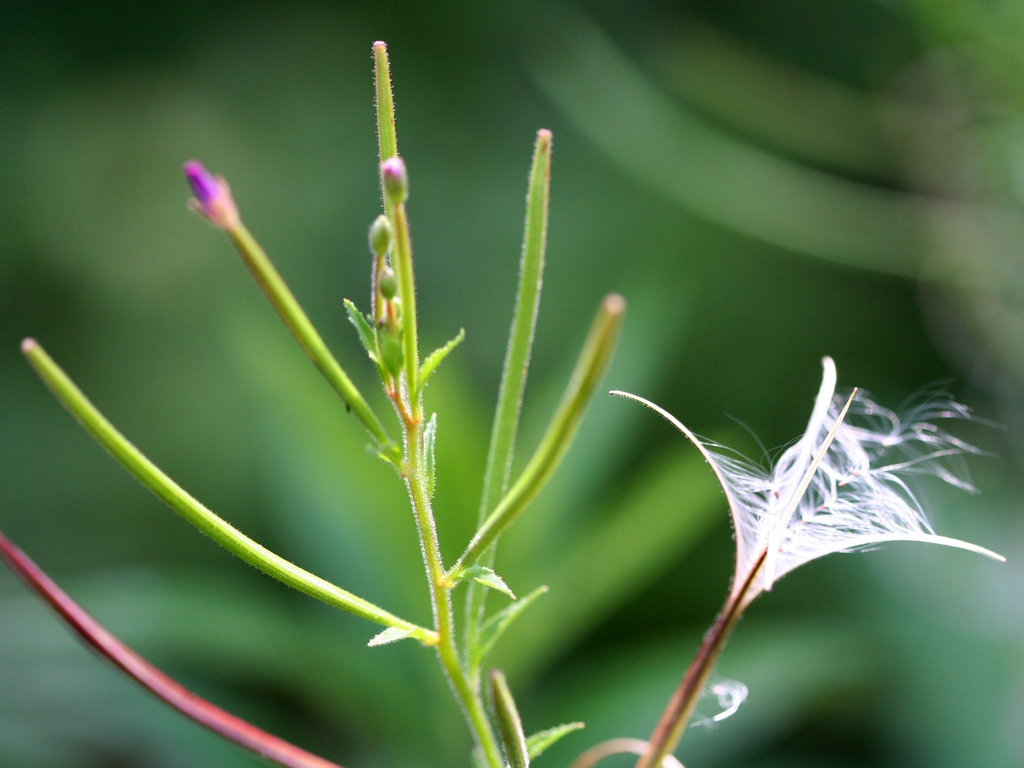
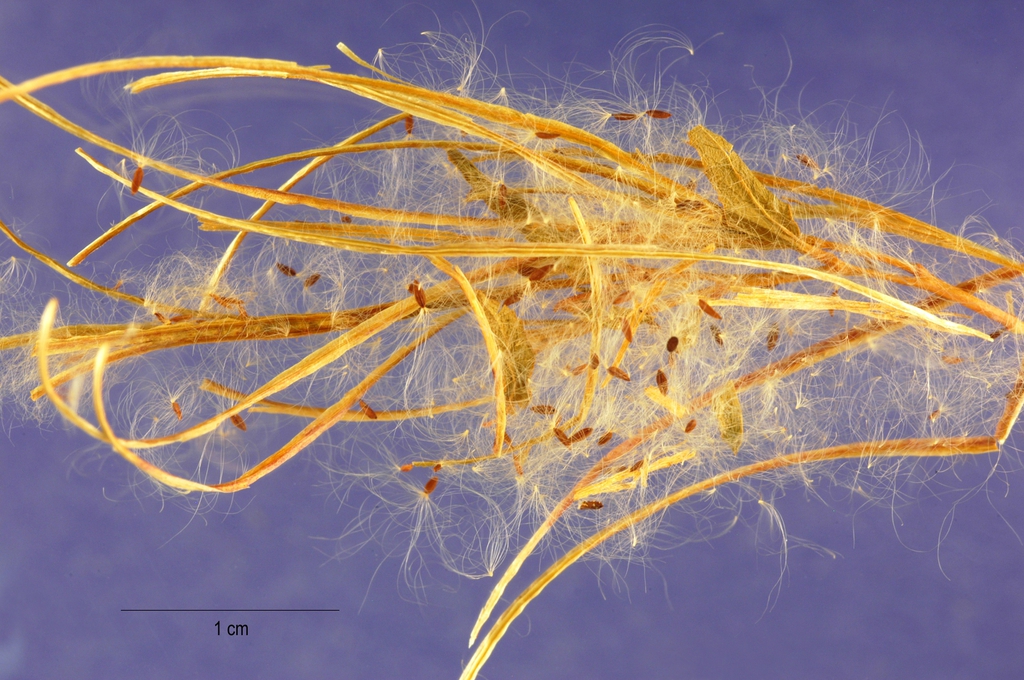
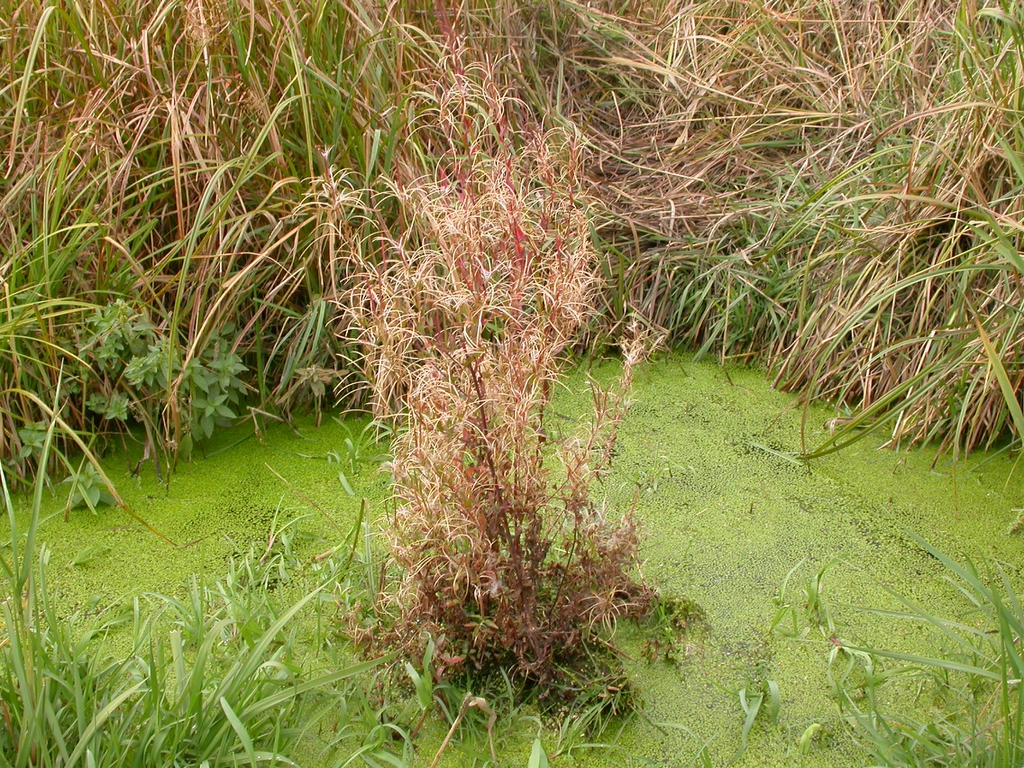
- The fruits are long, slim, straight, cylinder-like, hairy, ridged, and four-chambered capsules. Each capsule can measure from 1.5 to 3 inches long and may be stalkless or on a long stalk. They will split open when dry, dispersing seeds. The seeds are tiny, brown, egg-shaped, and have tufts of long, soft white hairs on the tips.
-
-
Flowers:
- Flower Color:
- Pink
- Purple/Lavender
- Red/Burgundy
- White
- Flower Inflorescence:
- Raceme
- Flower Bloom Time:
- Fall
- Summer
- Flower Shape:
- Trumpet
- Flower Petals:
- 4-5 petals/rays
- Flower Size:
- < 1 inch
- Flower Description:
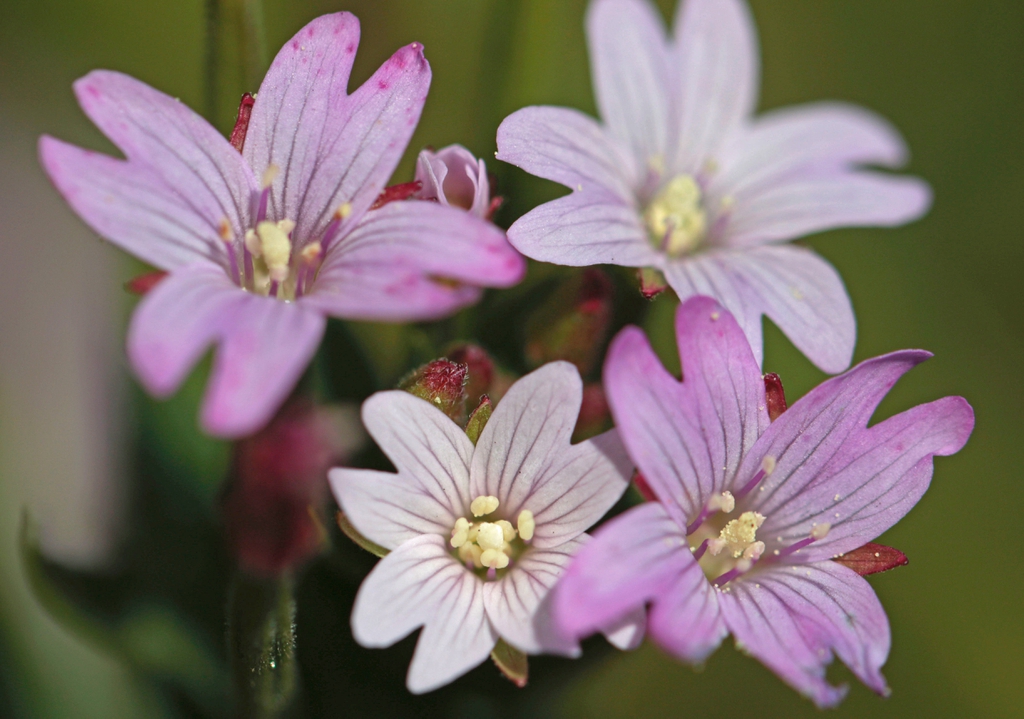
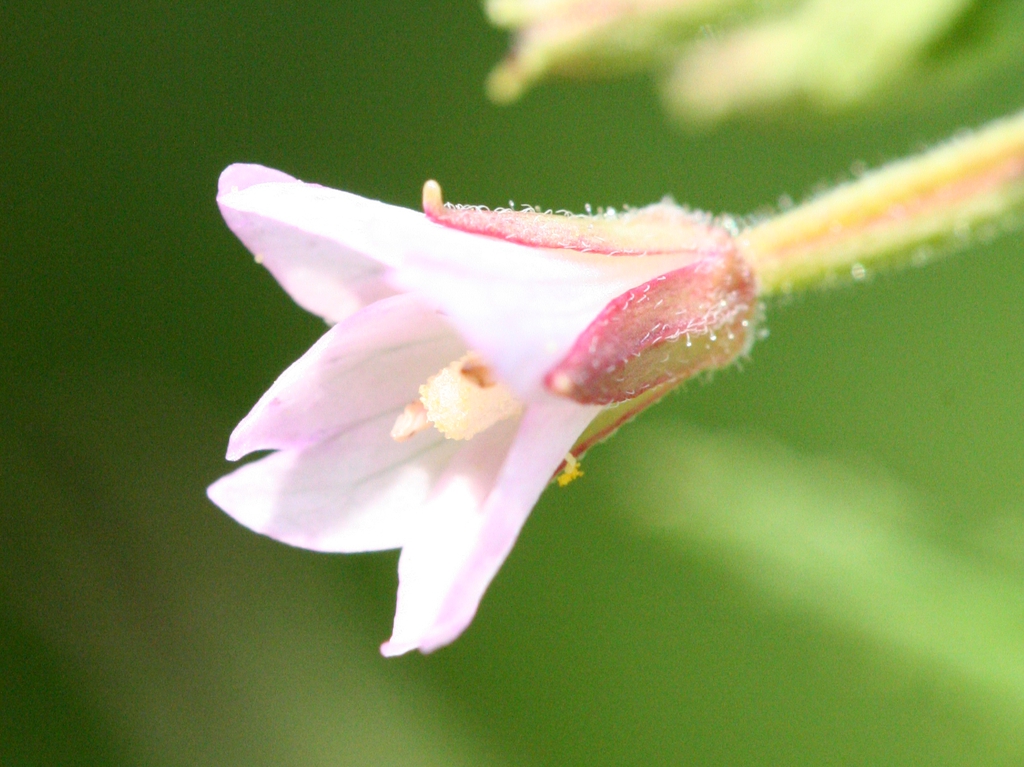
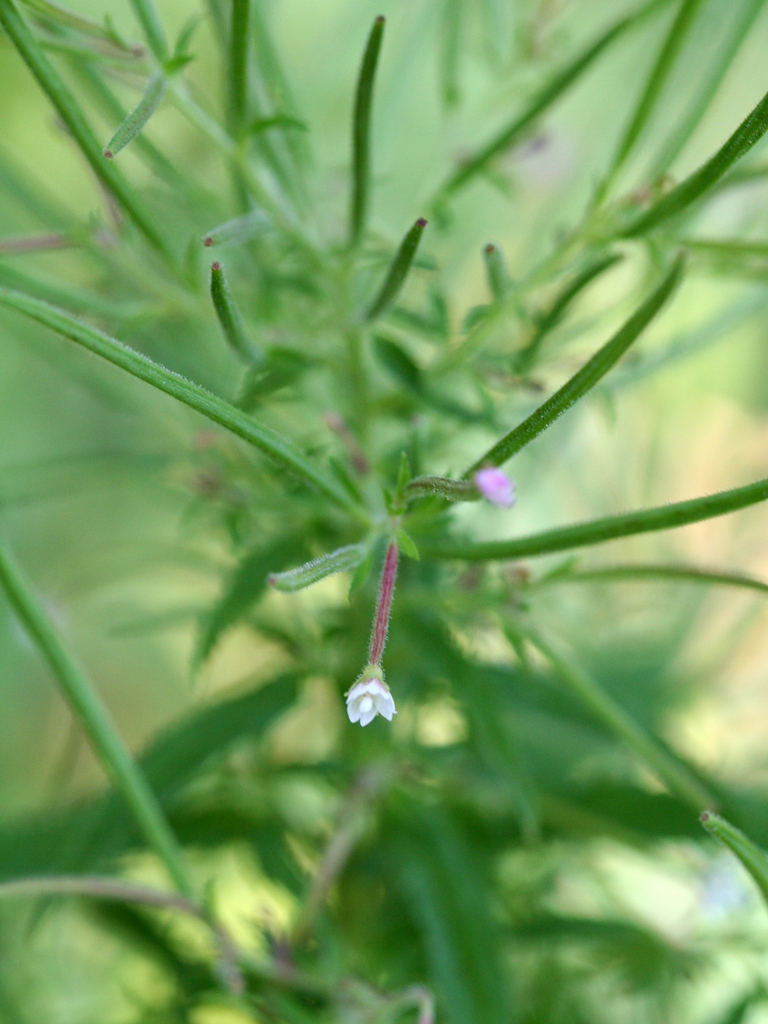
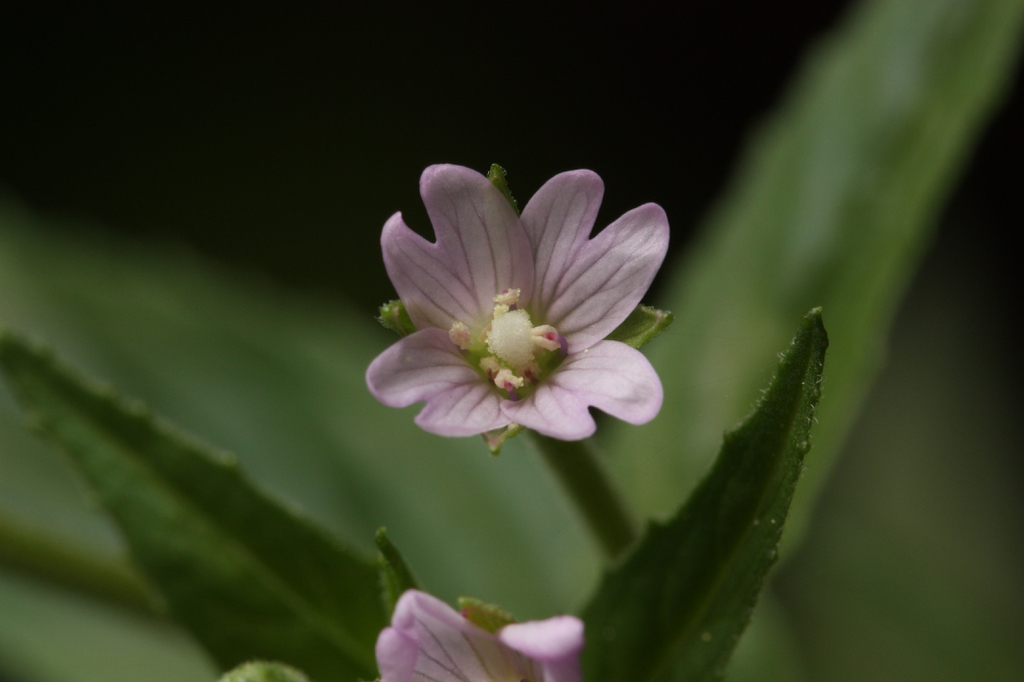
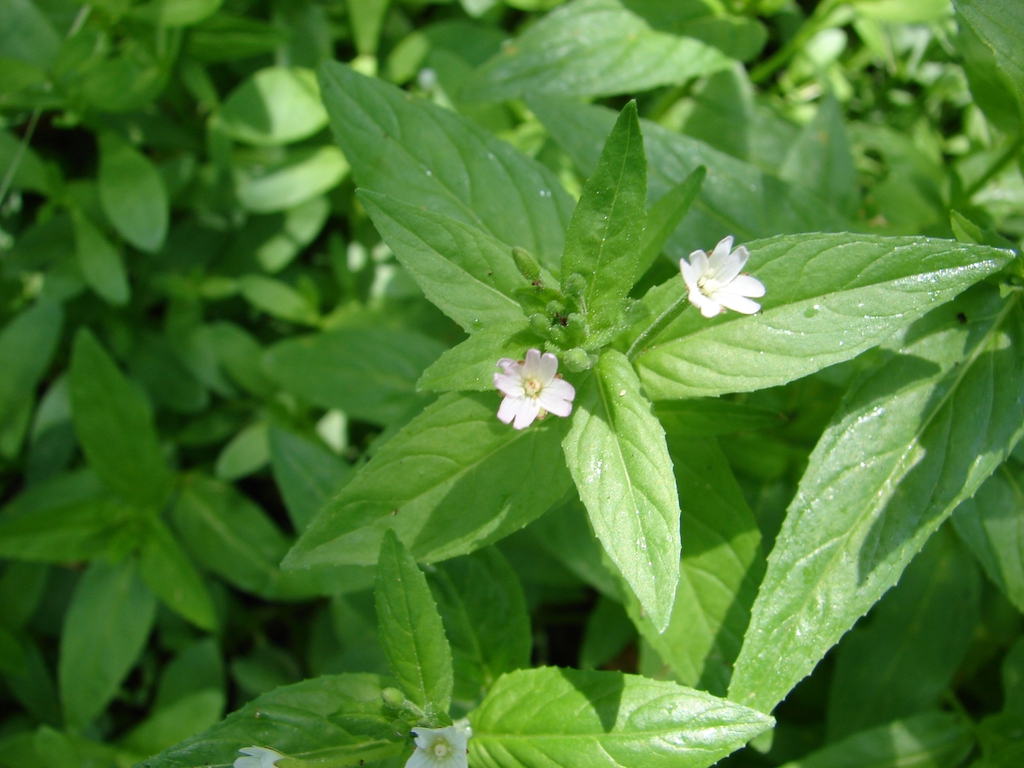
- The flower inflorescence is a raceme, and flowers can be white, pink, or rosy-purple with dark veining. Each bloom is trumpet-shaped, having 4 deeply notched petals, and measures 0.25 to 0.33 inches wide. They arise from the leaf axils on the upper portion of the plant. Each has four petals, sepals, or tepals. The tepals or sepals are not fused, but separate. A club-shaped, white style, and 8 stamens are in the center of the flower. The flower stalk is about 0.5 inches long. The ovary is about 1 inch long and sits between the flower and the stalk. Blooming occurs from June to October.
-
-
Leaves:
- Leaf Color:
- Green
- Leaf Feel:
- Glossy
- Leaf Type:
- Simple
- Leaf Arrangement:
- Alternate
- Opposite
- Leaf Shape:
- Lanceolate
- Ovate
- Leaf Margin:
- Serrate
- Hairs Present:
- Yes
- Leaf Length:
- 1-3 inches
- Leaf Width:
- < 1 inch
- Leaf Description:
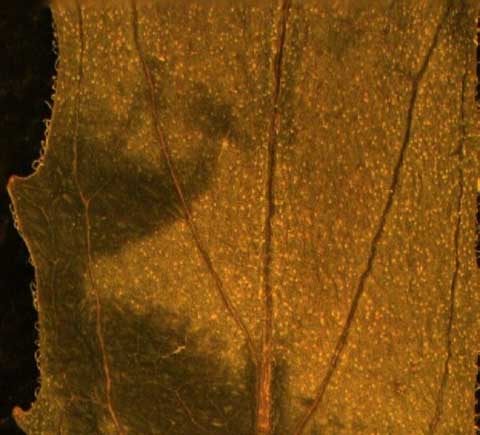
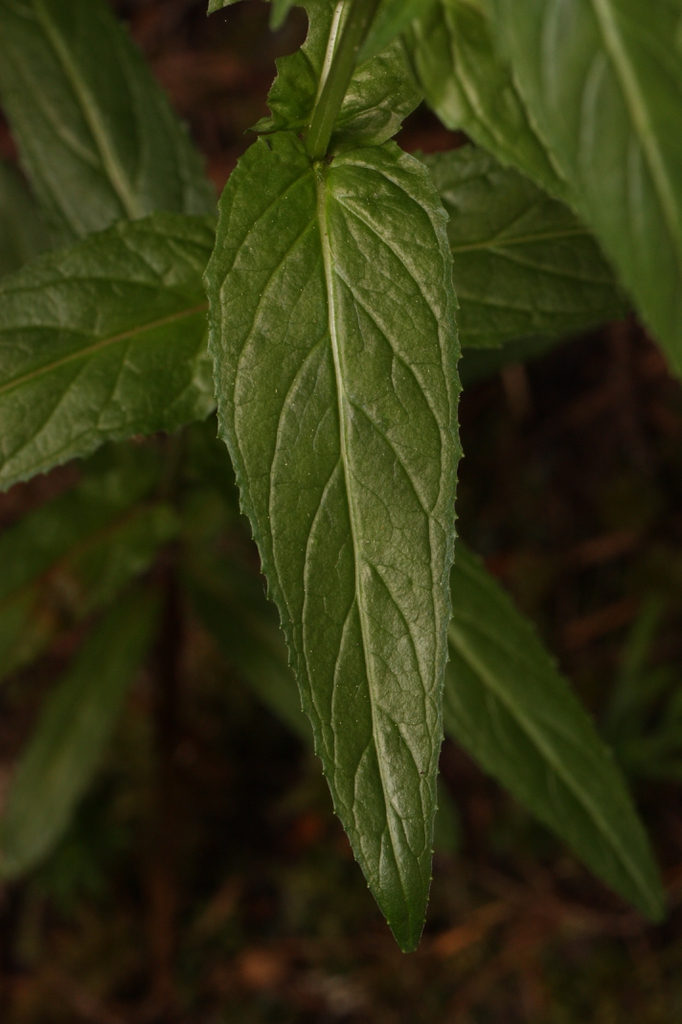
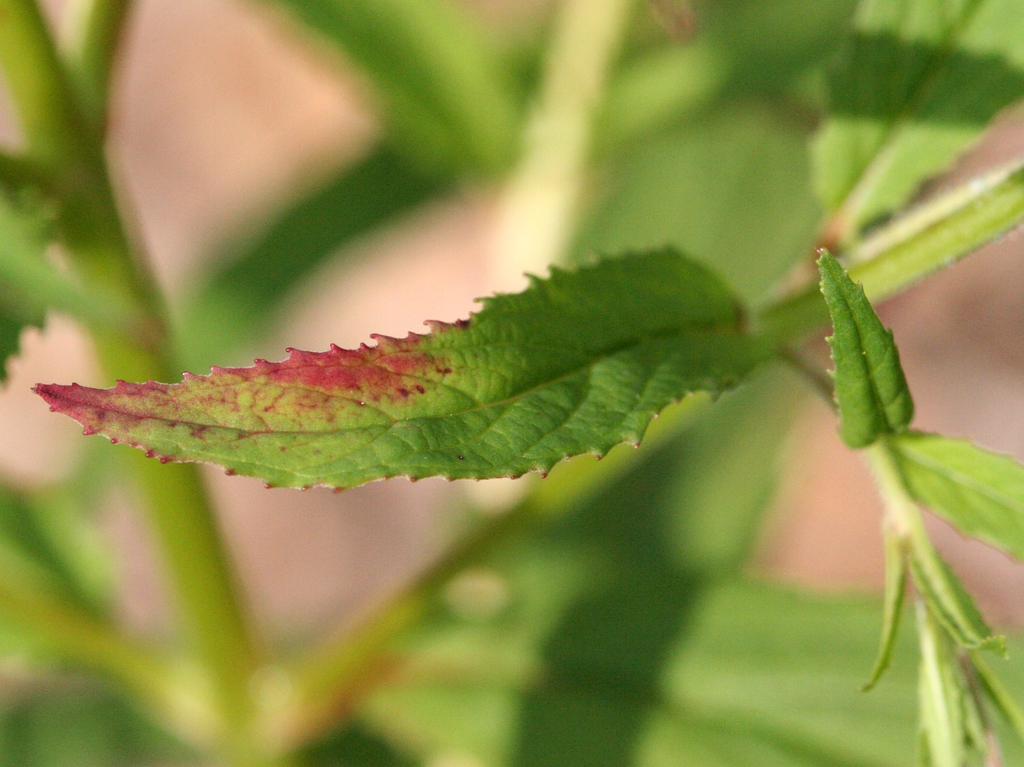
- The leaves are lanceolate to ovate, mostly opposite at the base, thickly veined with serrate margins, and form a basal rosette. Each leaf measures 1 to 3 inches long. The upper stem can have alternate leaves. The petiole may be short or almost sessile. The leaves that lack petioles are deeply veined and may have purple shading along the margins. The lower leaves are hairless, while the leaves closer to the flowers have a small quantity of hairs.
-
-
Stem:
- Stem Color:
- Cream/Tan
- Green
- Red/Burgundy
- Stem Is Aromatic:
- No
- Stem Cross Section:
- Square
- Stem Surface:
- Hairy (pubescent)
- Stem Description:
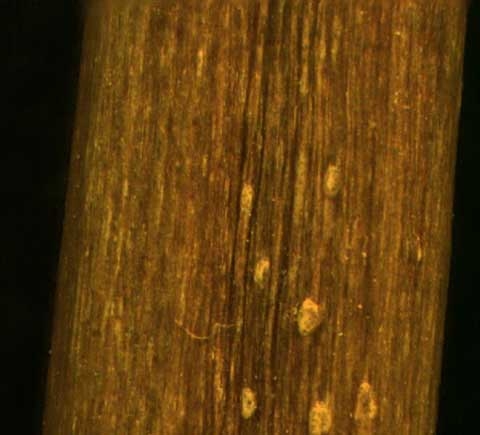
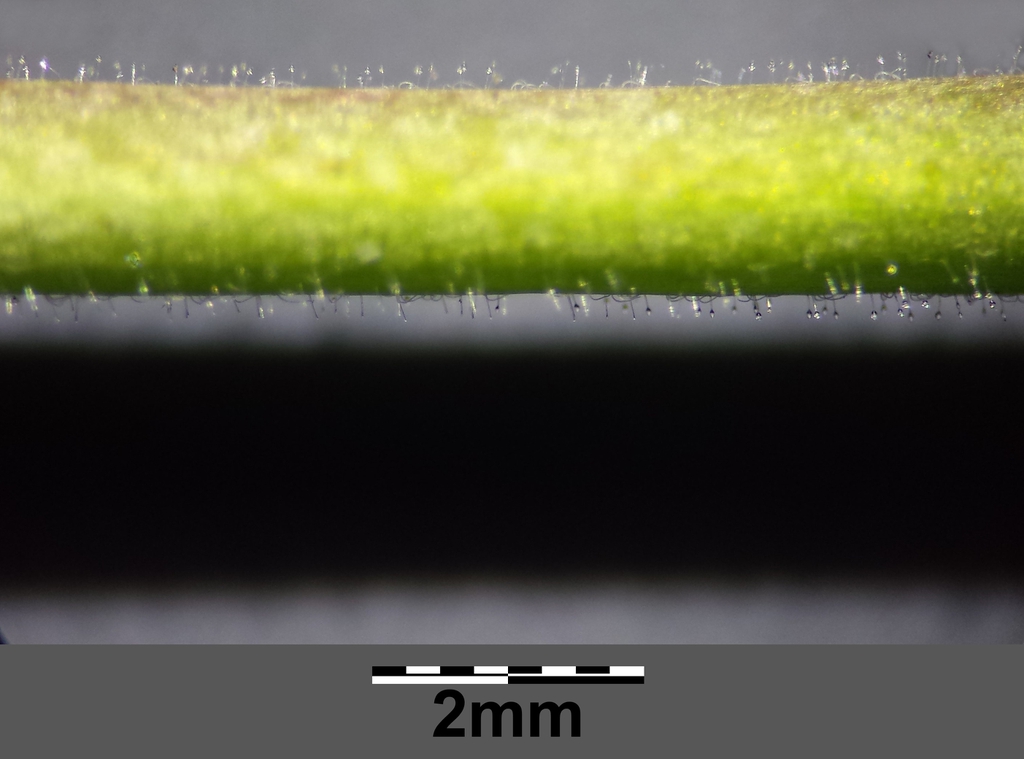
- The stems are green or tan to reddish-green, slightly squared, erect, and simple or branched on the upper portion of the plant. The lower stem is hairless, but the upper stem has short hairs that are either straight or curved. Sometimes turions or vegetative buds are produced.
-
-
Landscape:
- Landscape Location:
- Naturalized Area
- Pond
- Woodland
- Landscape Theme:
- Butterfly Garden
- Cottage Garden
- Native Garden
- Pollinator Garden
- Rain Garden
- Water Garden
- Attracts:
- Butterflies
- Hummingbirds
- Pollinators
- Songbirds
- Problems:
- Weedy



