



Dryopteris villarii
Common Name(s):
- Phonetic Spelling
- dry-OP-ter-iss vil-LAR-ee-eye
- Description
-
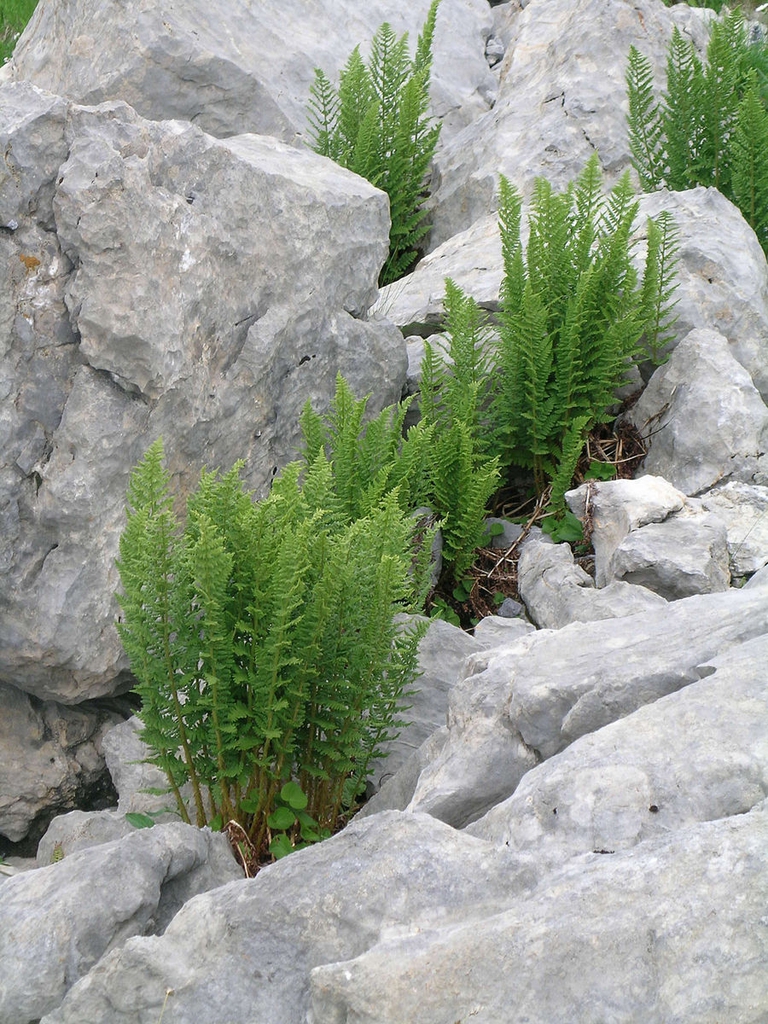
The rigid buckler fern is an herbaceous perennial in the polypody family (Polypodiaceae). Native to central and southern Europe, it is usually found growing over limestone in crevices. The species epithet honors fern collector “Cl. Villarius,” about whom little is known.
The rigid buckler fern will grow in most soils that are moist and well-drained. Grow in shade or partially shaded areas and do not let the soil dry out. Avoid over-fertilizing, which can burn the shallow roots. Propagation is by spores or division.
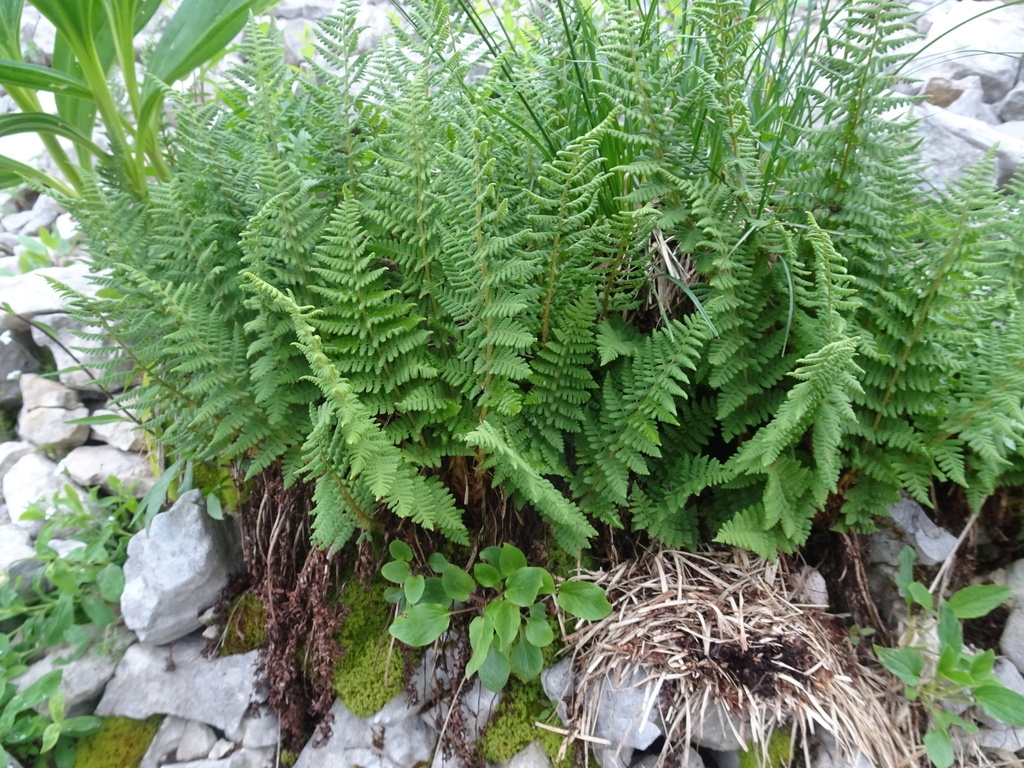
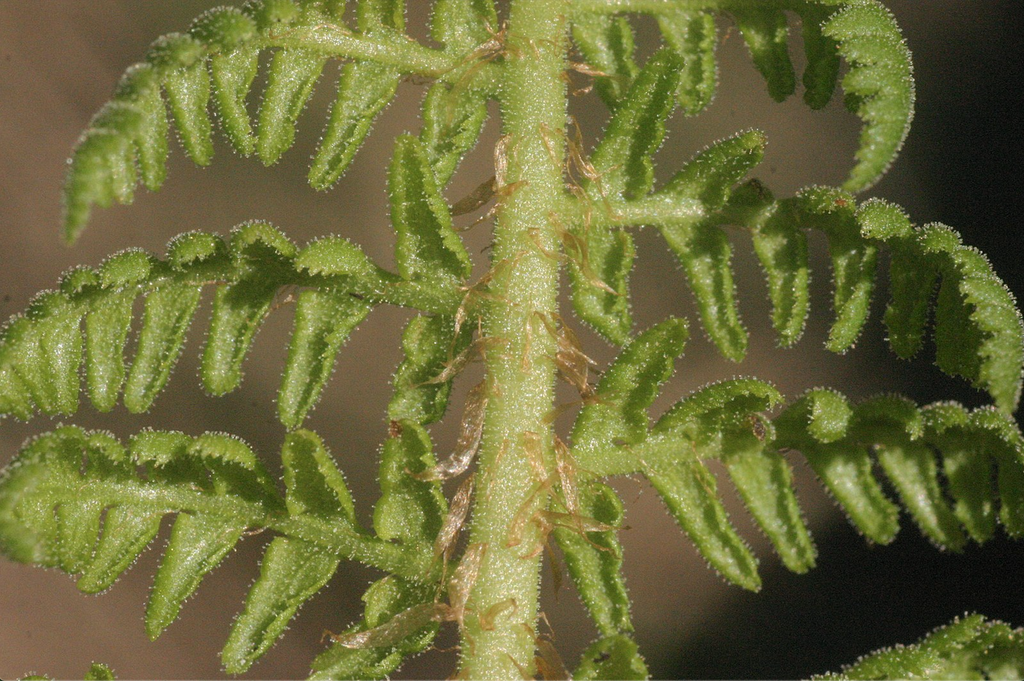
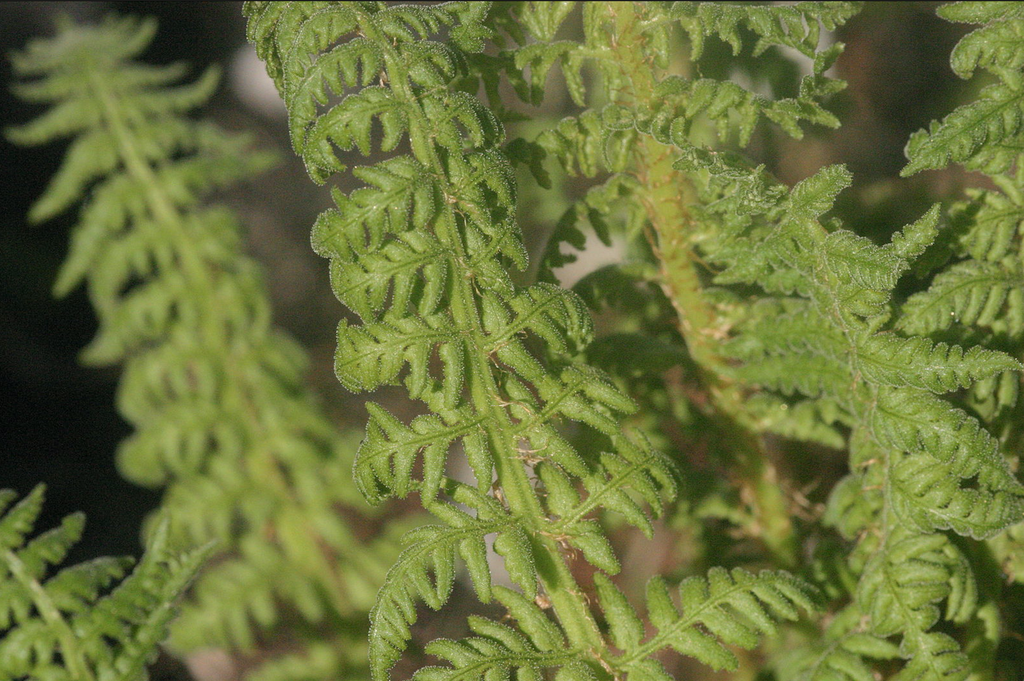
The rigid, leathery fronds arise from rhizomes and are attractive. The fronds and short brown stems are 16 inches tall and spread by rhizomes. In its native environment, it can grow up to 30 inches from May to November, followed by spores from July to September. The fronds are tufted, erect or spreading. Like most ferns, they are deer and rabbit-resistant. It grows best in hardiness zones 5 through 8.
Plant it in woodlands or naturalized areas and along ponds or streams. Use as a mass planting to control erosion. It can also be used in small spaces.
Insects, Diseases, and Other Plant Problems: Relatively problem-free.
VIDEO Created by NC State Extension's Homegrown series featuring Mark Weathington, Director of JC Raulston Arboretum.
- Profile Video:
- See this plant in the following landscape :
- Cultivars / Varieties:
-
- Tags:


- Cultivars / Varieties:
-
- Tags:
-
-
Attributes:
- Genus:
- Dryopteris
- Species:
- villarii
- Family:
- Polypodiaceae
- Life Cycle:
- Perennial
- Recommended Propagation Strategy:
- Division
- Country Or Region Of Origin:
- Central & South Europe
- Particularly Resistant To (Insects/Diseases/Other Problems):
- This plant is seldom damaged by deer.
- Dimensions:
- Height: 1 ft. 0 in. - 1 ft. 4 in.
- Width: 1 ft. 0 in. - 2 ft. 0 in.
-
-
Whole Plant Traits:
- Plant Type:
- Fern
- Herbaceous Perennial
- Habit/Form:
- Erect
- Growth Rate:
- Medium
- Maintenance:
- Low
- Texture:
- Fine
-
-
Cultural Conditions:
- Light:
- Dappled Sunlight (Shade through upper canopy all day)
- Partial Shade (Direct sunlight only part of the day, 2-6 hours)
- Soil Texture:
- High Organic Matter
- Loam (Silt)
- Soil pH:
- Acid (<6.0)
- Alkaline (>8.0)
- Neutral (6.0-8.0)
- Soil Drainage:
- Good Drainage
- Moist
- Available Space To Plant:
- 12 inches-3 feet
- NC Region:
- Coastal
- Mountains
- Piedmont
- USDA Plant Hardiness Zone:
- 5a, 5b, 6a, 6b, 7a, 7b, 8a, 8b
-
-
Fruit:
- Fruit Description:
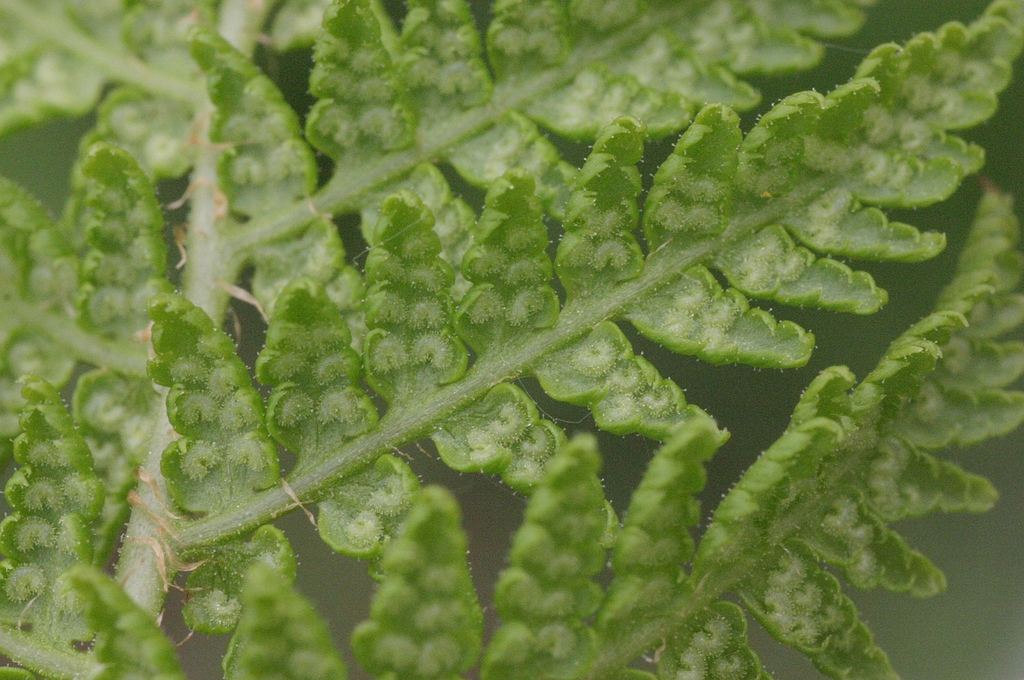
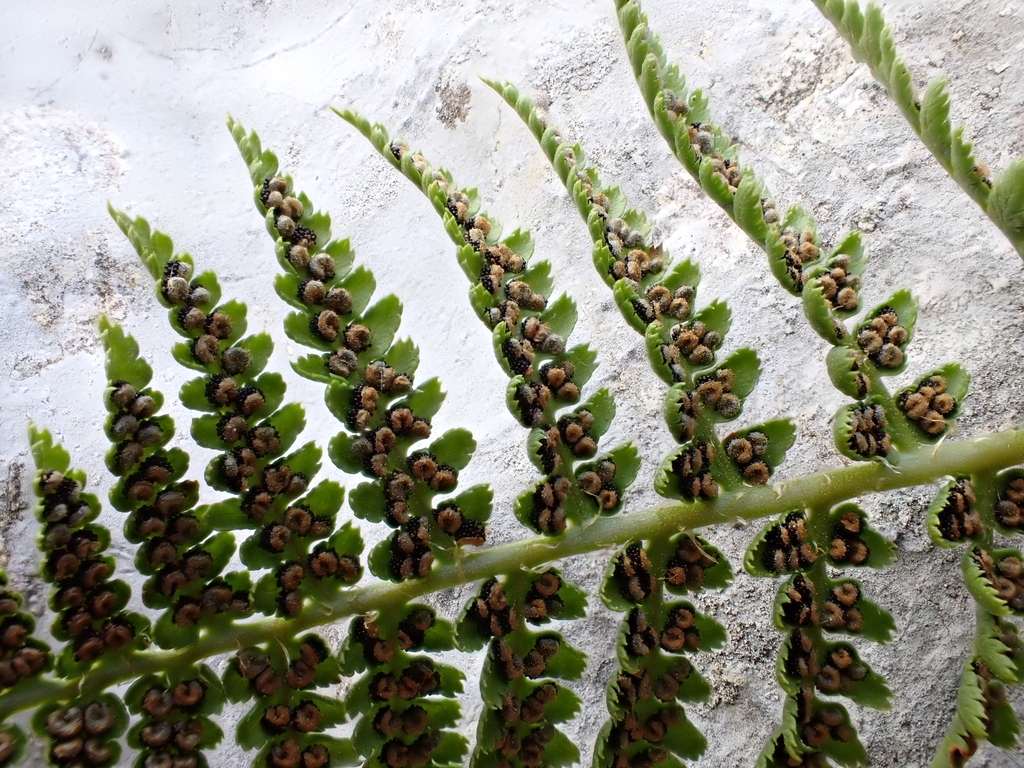
- No fruits. This plant reproduces via spores. The sori are arranged in two rows along the midrib, usually four to six per row.
-
-
Flowers:
- Flower Description:
- No flowers.
-
-
Leaves:
- Leaf Color:
- Gray/Silver
- Green
- Leaf Feel:
- Rough
- Leaf Value To Gardener:
- Showy
- Leaf Type:
- Compound (Pinnately , Bipinnately, Palmately)
- Fronds
- Leaf Arrangement:
- Alternate
- Leaf Shape:
- Lanceolate
- Obovate
- Leaf Margin:
- Dentate
- Hairs Present:
- No
- Leaf Length:
- > 6 inches
- Leaf Description:
- The gray-green fronds are 8 inches long with short brown stipes. There are aromatic glands on both sides of the leaflets. Leaflets are bipinnate with slightly dentate margins and are narrowly oblong-lanceolate.
-
-
Stem:
- Stem Color:
- Brown/Copper
- Red/Burgundy
- Stem Is Aromatic:
- No
- Stem Description:
- Reddish-brown stems
-
-
Landscape:
- Landscape Location:
- Naturalized Area
- Pond
- Riparian
- Small Space
- Woodland
- Landscape Theme:
- Shade Garden
- Water Garden
- Design Feature:
- Accent
- Border
- Mass Planting
- Resistance To Challenges:
- Deer
- Rabbits



