


Conradina verticillata
Common Name(s):
Previously known as:
- Conradina montana
- Phonetic Spelling
- kon-rah-DEE-nah ver-tik-il-LAH-tah
- Description
-
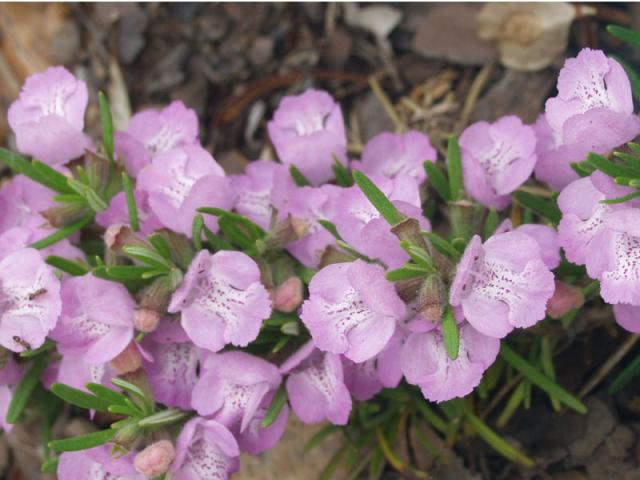
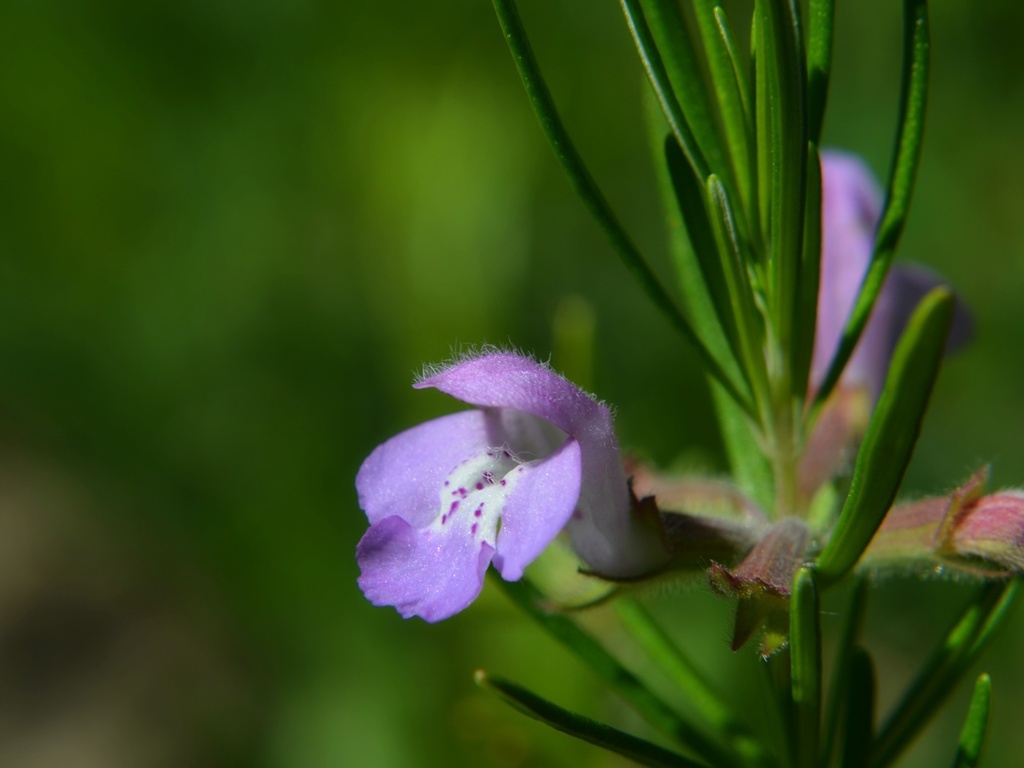
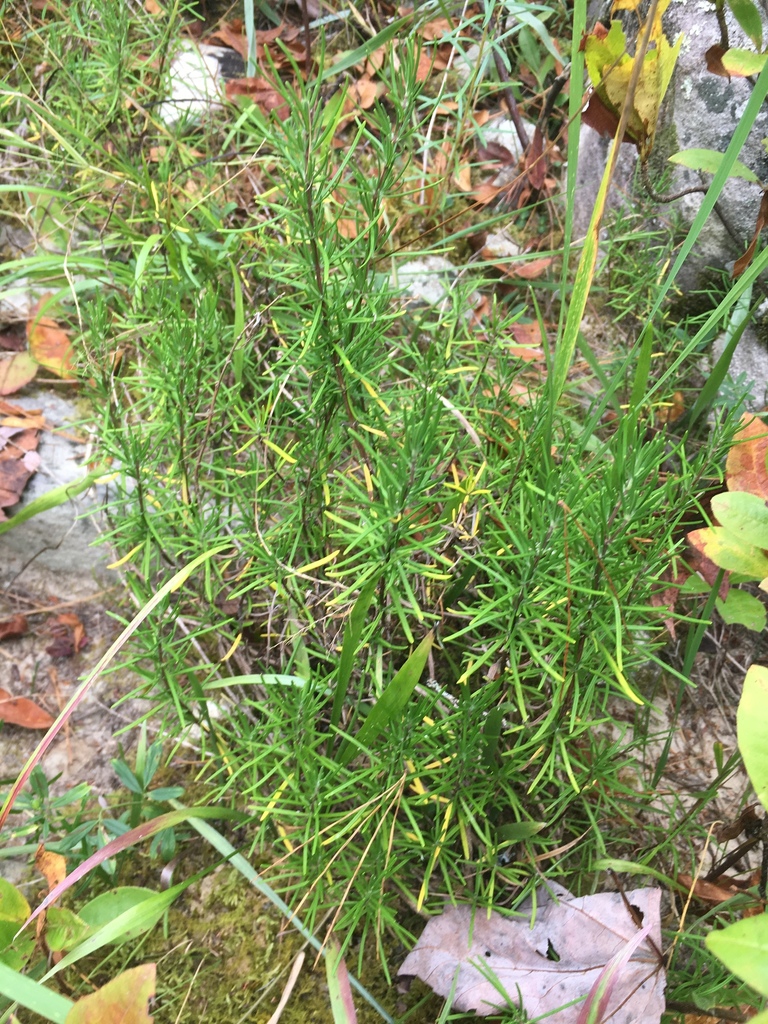
Cumberland rosemary is a small native flowering evergreen perennial shrub in the mint family (Lamiaceae). This plant is found near the Cumberland Plateau in the eastern portions of the States of Kentucky and Tennessee. It grows in sandy or gravelly stream banks in areas that experience seasonal flooding followed by somewhat dry summers. The shrubs grow 1 to 2 feet tall and equally as wide with a clumping or matting habit. The stems spread along the ground and can root at nodes. Its leaves are dark green, needle-like, and fragrant, and its flowers are pinkish-lavender. two-lipped with red spots. The genus name, Conradina, is in honor of an American botanist, Solomon White Conrad, from the 18th century. The specific epithet, verticillata, refers to the plant's flowers, which form a false whorl known as a verticillaster.
Prefers well-drained sandy and poorer soil in full sun but will tolerate some shade. The soil should be medium to dry, and once established, the plant is drought-tolerant. Propagated by seeds and will reseed itself in ideal conditions.
The fragrant leaves resemble culinary rosemary, and the fragrant lavender-pink flowers appear in May to June.
Unfortunately, this plant has been listed as threatened by the United States Fish and Wildlife Service. It can not be sold in interstate commerce.
Insects, Diseases, and Other Plant Problems: Has no serious insect or disease problems.
- See this plant in the following landscape :
- Cultivars / Varieties:
-
- 'Rocky Top'
up to 6 inches tall, prostrate habit, mauve-violet flowers starting in May - 'Snowflake'
up to 12 inches tall, needle-like foliage, tiny, white flowers in May and June
- 'Rocky Top'
- 'Rocky Top', 'Snowflake'
- Tags:


- Cultivars / Varieties:
-
- 'Rocky Top'
up to 6 inches tall, prostrate habit, mauve-violet flowers starting in May - 'Snowflake'
up to 12 inches tall, needle-like foliage, tiny, white flowers in May and June
- 'Rocky Top'
- 'Rocky Top', 'Snowflake'
- Tags:
-
-
Attributes:
- Genus:
- Conradina
- Species:
- verticillata
- Family:
- Lamiaceae
- Life Cycle:
- Woody
- Recommended Propagation Strategy:
- Seed
- Country Or Region Of Origin:
- East Central United States (Appalachian Mountains)
- Distribution:
- Kentucky and Tennessee/Cumberland Plateau/Piedmont areas.
- Edibility:
- It can be used as a rosemary substitute.
- Dimensions:
- Height: 1 ft. 0 in. - 2 ft. 0 in.
- Width: 1 ft. 0 in. - 2 ft. 0 in.
-
-
Whole Plant Traits:
- Plant Type:
- Native Plant
- Perennial
- Shrub
- Woody Plant Leaf Characteristics:
- Broadleaf Evergreen
- Habit/Form:
- Clumping
- Maintenance:
- Low
- Texture:
- Fine
-
-
Cultural Conditions:
- Light:
- Full sun (6 or more hours of direct sunlight a day)
- Soil Texture:
- Sand
- Shallow Rocky
- Soil pH:
- Acid (<6.0)
- Soil Drainage:
- Good Drainage
- Occasionally Dry
- Available Space To Plant:
- 12 inches-3 feet
- NC Region:
- Coastal
- Mountains
- Piedmont
- USDA Plant Hardiness Zone:
- 6a, 6b, 7a, 7b, 8a, 8b
-
-
Fruit:
- Fruit Type:
- Schizocarp
- Fruit Length:
- < 1 inch
- Fruit Width:
- < 1 inch
- Fruit Description:
- The fruits are tiny, dry nutlets.
-
-
Flowers:
- Flower Color:
- Pink
- Purple/Lavender
- Flower Inflorescence:
- Cyme
- Solitary
- Flower Value To Gardener:
- Fragrant
- Showy
- Flower Bloom Time:
- Spring
- Summer
- Flower Size:
- < 1 inch
- Flower Description:
- The flowers are fragrant, 0.5 inches in diameter, two- lipped, lavender-pink flowers with red spots. The flowers may occur singularly or in clusters. Flowers in May to June
-
-
Leaves:
- Woody Plant Leaf Characteristics:
- Broadleaf Evergreen
- Leaf Color:
- Green
- Leaf Value To Gardener:
- Fragrant
- Leaf Type:
- Simple
- Leaf Arrangement:
- Opposite
- Leaf Shape:
- Linear
- Leaf Margin:
- Entire
- Hairs Present:
- No
- Leaf Length:
- < 1 inch
- Leaf Width:
- < 1 inch
- Leaf Description:
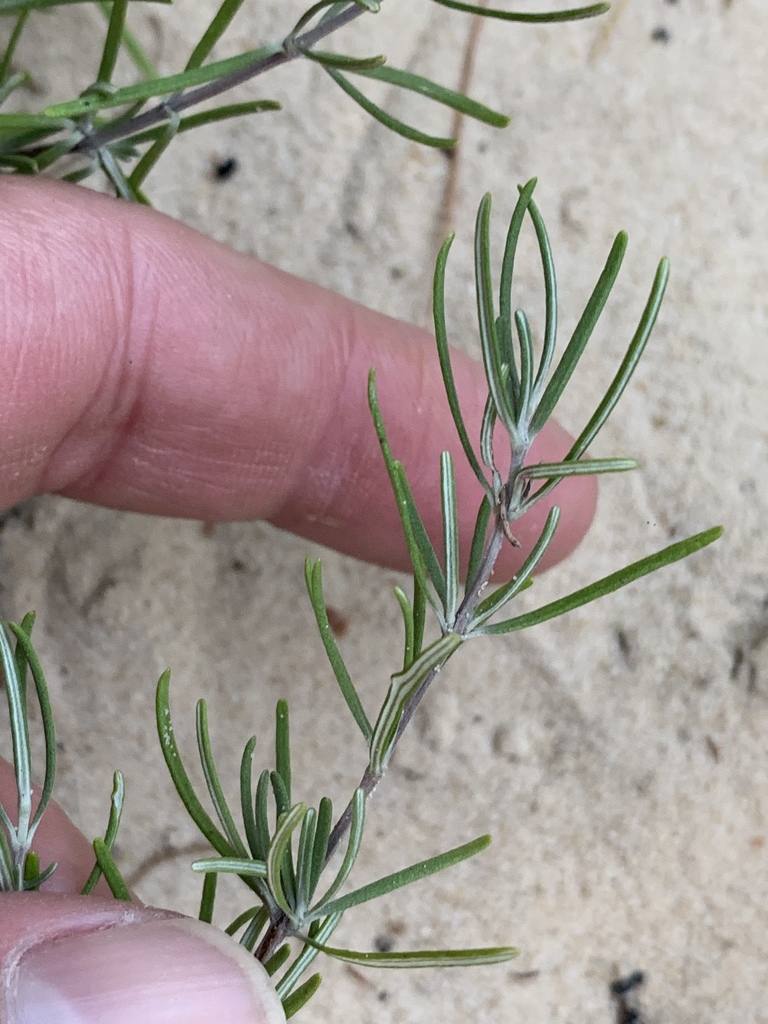
- The leaves are dark green, simple, opposite, 3/4 inches long, stiff, linear, sessile, needle-like with entire margins, and resemble rosemary. Has a minty fragrance.
-
-
Bark:
- Bark Color:
- Dark Brown
-
-
Stem:
- Stem Color:
- Brown/Copper
- Red/Burgundy
- Stem Is Aromatic:
- No
- Stem Cross Section:
- Square
- Stem Description:
- Has shaggy red-brown stems.
-
-
Landscape:
- Landscape Location:
- Naturalized Area
- Woodland
- Landscape Theme:
- Pollinator Garden
- Rock Garden
- Design Feature:
- Mass Planting
- Small groups
- Resistance To Challenges:
- Drought
- Dry Soil
- Poor Soil
- Problems:
- Short-lived