


Grapefruit Citrus
Other plants called Grapefruit:
- Description
-
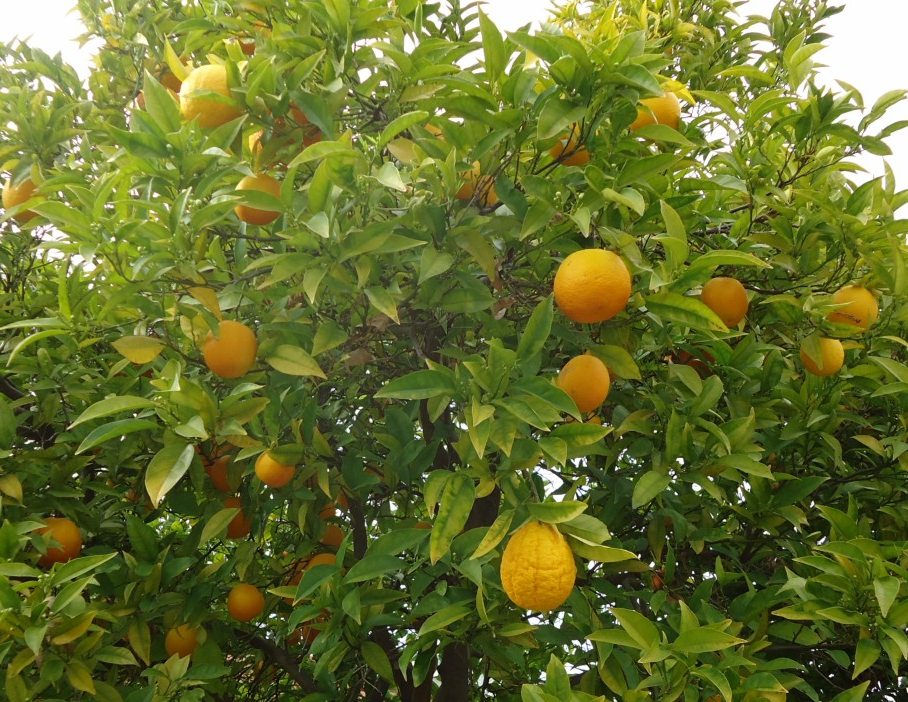
Citrus is a genus of flowering trees and shrubs in the citrus family (Rutaceae) native to Asia, Melanesia, and Australia. It includes fruits as citrons, mandarins, and pomelos that have been heavily hybridized to produce our lemons, limes, oranges and grapefruits. There are many cultivars available.
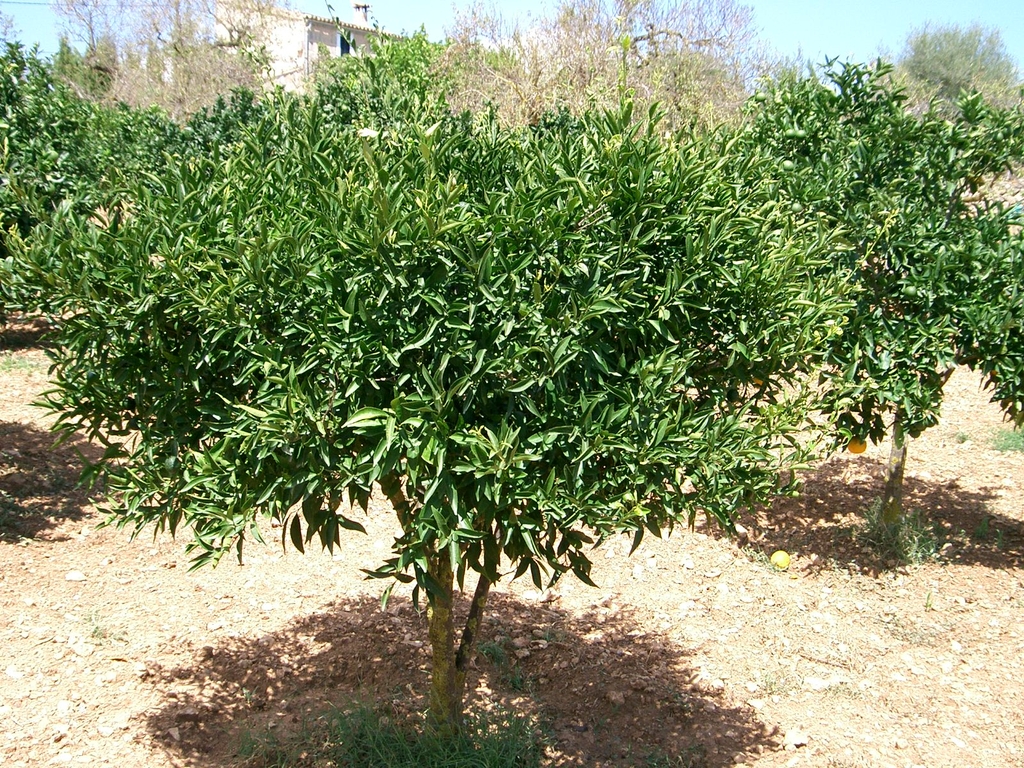
The large shrubs to small to medium trees will grow 15 to 50 feet tall. Most commercially grown trees are grafted onto rootstock chosen for desired qualities. Most trees are not frost-hardy and need full sun and humid conditions in fertile, well-drained soils that are not allowed to dry out, with a pH of around 6.
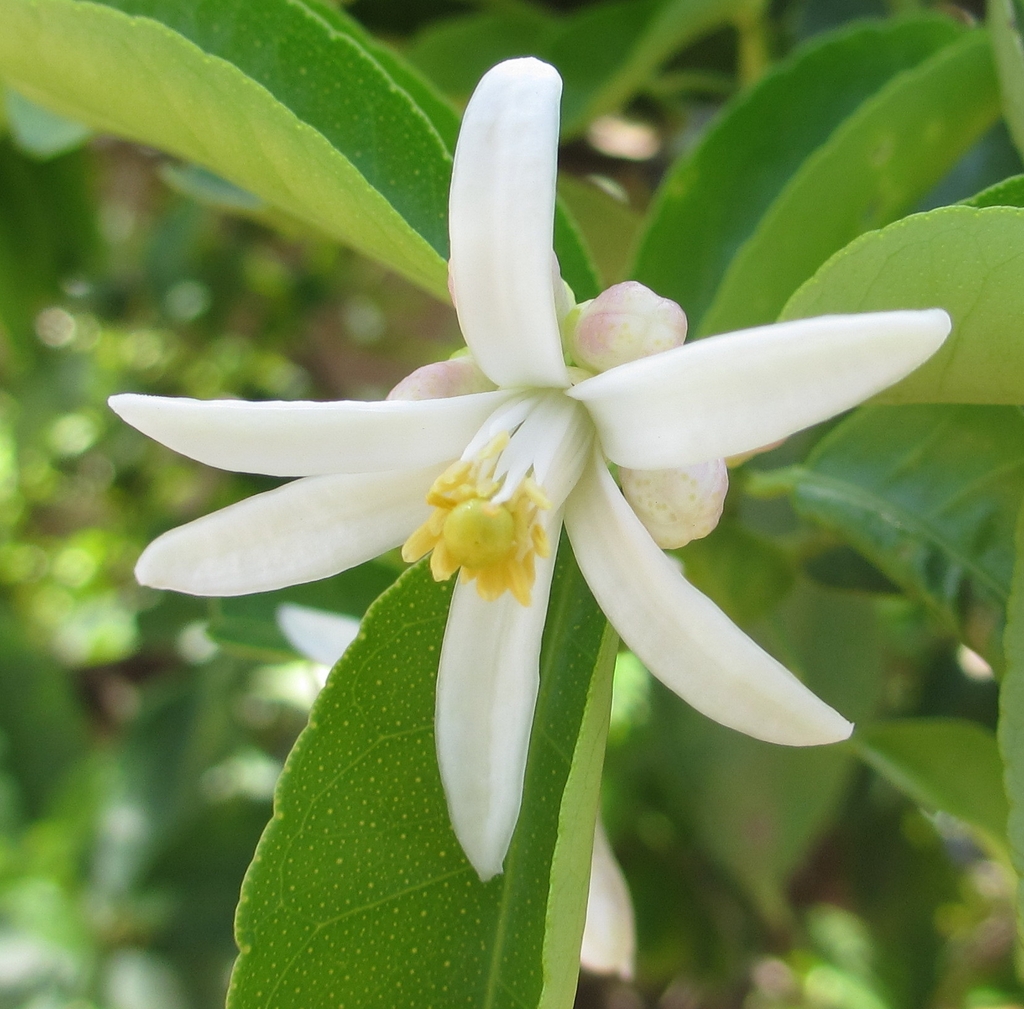
The white flowers are often fragrant, produced in spring and borne individually or in small clusters. The fruits vary by cultivar, but all have the outer rind called a pericarp. Citrus fruits rate among the most favorite foods in the world, with flavors from tart to sweet and can be eaten raw, cooked or preserved. Citrus essential oils are produced.
Citrus trees are grown commercially but can also be utilized in the home edible garden or as a flowering shade tree. Some trees such as the dwarf Meyer lemon can be grown in containers and brought indoors in colder climates.
Insects, Diseases, and Other Plant Problems: Diseases include citrus black spot, citrus canker and sweet orange scab. Insects include the citrus mealybug, citrus leafminer, citrus flatid planthopper, citrus red mite and citrus whitefly
- See this plant in the following landscape :
- Cultivars / Varieties:
- C. trifoliata, C. x aurantiifolia, C. x aurantium, C. x latifolia, C. x limon, C. x microcarpa, C. x paradisi, C. x sinensis
- Tags:




- Cultivars / Varieties:
- C. trifoliata, C. x aurantiifolia, C. x aurantium, C. x latifolia, C. x limon, C. x microcarpa, C. x paradisi, C. x sinensis
- Tags:
-
-
Attributes:
- Genus:
- Citrus
- Family:
- Rutaceae
- Uses (Ethnobotany):
- Essential oils can be made from plants.
- Life Cycle:
- Woody
- Wildlife Value:
- Pollinators are attracted to the flowers. Some are host plants to moths and butterflies. Trees provide nesting sites and the fruits are attractive to birds and mammals.
- Edibility:
- Fruits are edible with tart to sweet flavors and many uses. Leaves used as flavoring (like bay leaves). Flowers are edible.
-
-
Whole Plant Traits:
- Plant Type:
- Shrub
- Tree
- Woody Plant Leaf Characteristics:
- Broadleaf Evergreen
- Habit/Form:
- Erect
- Maintenance:
- High
- Texture:
- Coarse
- Appendage:
- Spines
-
-
Cultural Conditions:
- Light:
- Full sun (6 or more hours of direct sunlight a day)
- Soil Texture:
- High Organic Matter
- Soil pH:
- Acid (<6.0)
- Soil Drainage:
- Good Drainage
- Moist
- USDA Plant Hardiness Zone:
- 9a, 9b, 10a, 10b, 11a, 11b
-
-
Fruit:
- Fruit Color:
- Gold/Yellow
- Green
- Orange
- Red/Burgundy
- Fruit Value To Gardener:
- Edible
- Display/Harvest Time:
- Fall
- Summer
- Winter
- Fruit Type:
- Berry
- Fruit Description:
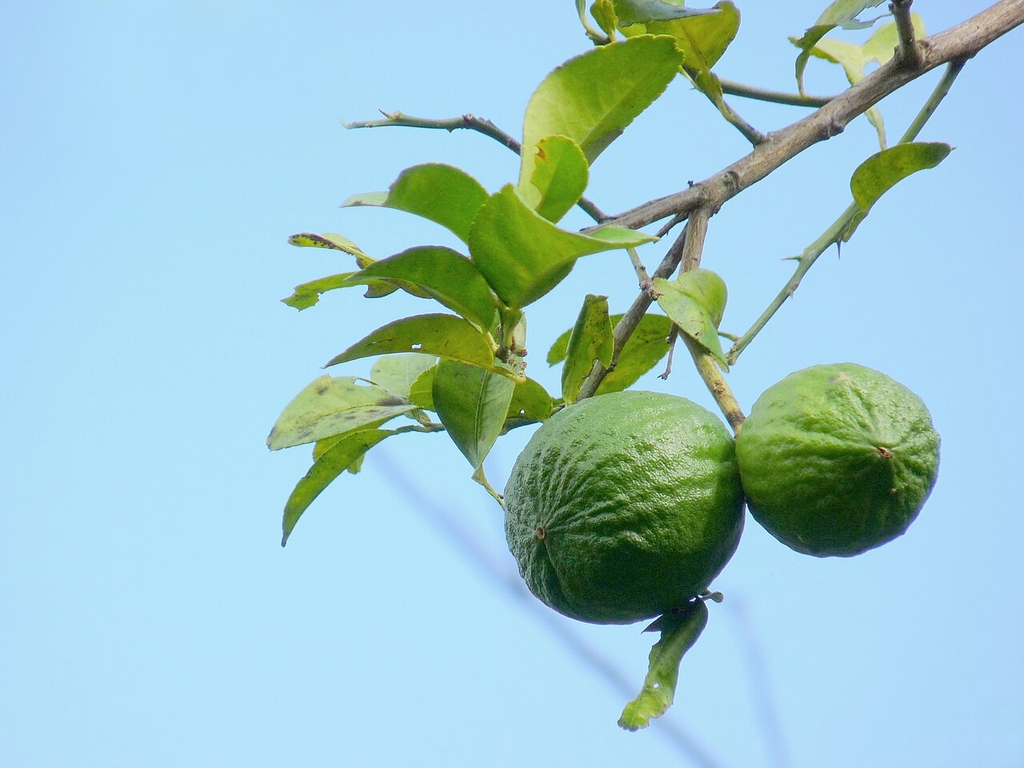
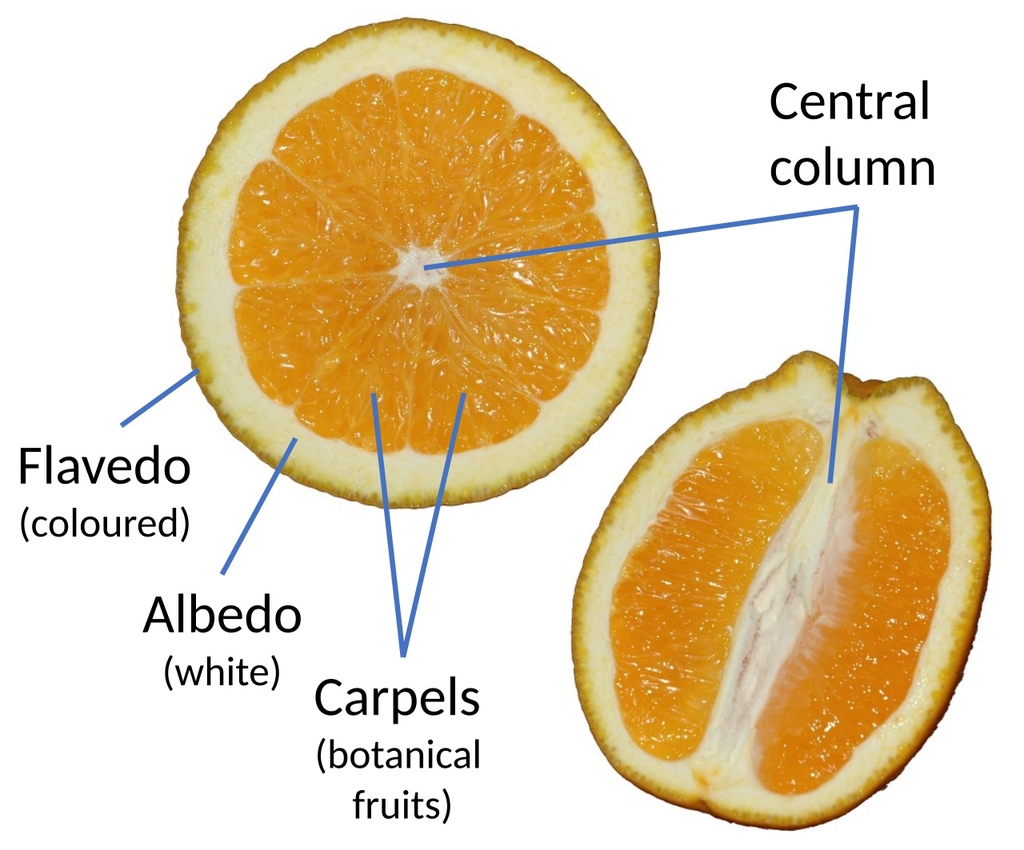
- The fruit is a complicated berry with an outer rind and are edible with a tart to sweet flavor. Size, shape and color vary.
-
-
Flowers:
- Flower Color:
- White
- Flower Inflorescence:
- Cyme
- Solitary
- Flower Value To Gardener:
- Fragrant
- Showy
- Flower Bloom Time:
- Spring
- Flower Shape:
- Cup
- Flower Petals:
- 4-5 petals/rays
- Flower Description:
- White flowers with 5 petals appear solitary or in small clusters in spring and are often fragrant.
-
-
Leaves:
- Woody Plant Leaf Characteristics:
- Broadleaf Evergreen
- Leaf Color:
- Green
- Leaf Type:
- Simple
- Leaf Arrangement:
- Alternate
- Leaf Margin:
- Entire
- Hairs Present:
- No
- Leaf Description:
- Green alternate leaves with entire margins. Size and shape varies per species and cultivar.
-
-
Bark:
- Bark Description:
- Varues per species. Protect from sunburn.
-
-
Stem:
- Stem Is Aromatic:
- No
- Stem Description:
- Stems may have spines
-
-
Landscape:
- Landscape Location:
- Lawn
- Landscape Theme:
- Edible Garden
- Design Feature:
- Flowering Tree
- Shade Tree
- Attracts:
- Bees
- Butterflies
- Moths
- Small Mammals
- Songbirds