



Citrus x microcarpa
Common Name(s):
Previously known as:
- Citrus × Citrofortunella
- Phonetic Spelling
- SI-trus my-kro-CAR-pa
- Description
-
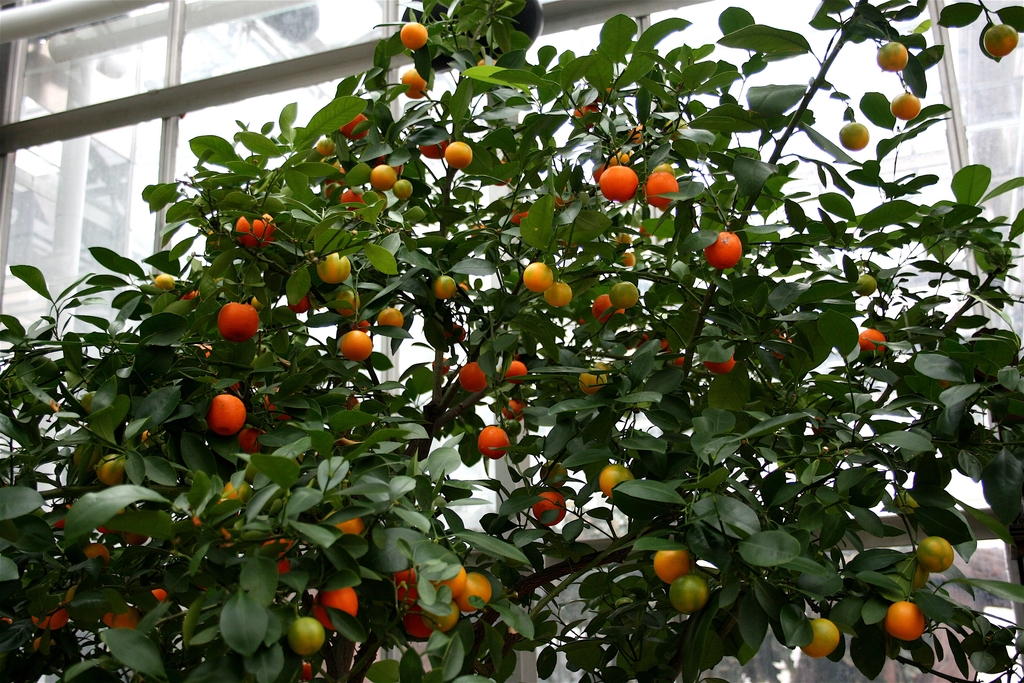
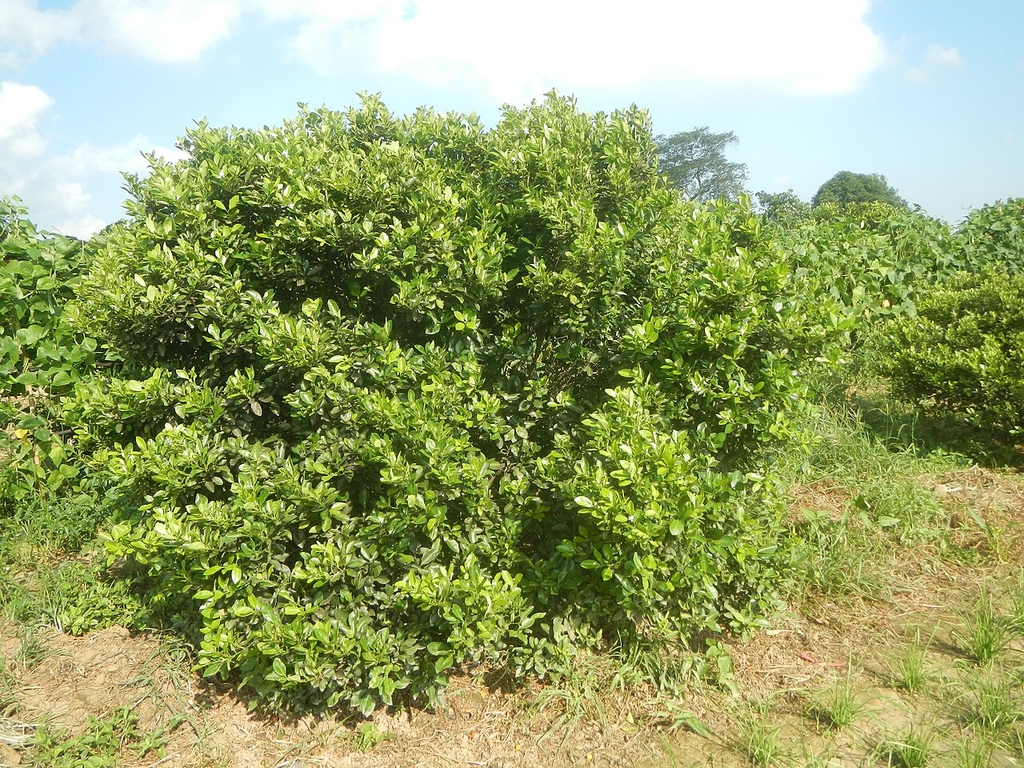
Calamondin is a small evergreen tree or large shrub in the citrus family (Rutaceae) native to Asia and is thought to be a cross between mandarin orange and a kumquat. It is grown commercially in the Philippines and parts of tropical Asia and Latin America. The specific epithet microcarpa means "small fruit" in reference to the relatively small size of the fruit.
Grow calamondin in full sun and high humidity for best flowering and fruit production and in fertile, moist, well-drained soil. In colder winter areas, it is best grown in a container and overwintered indoors. Sources vary as to what the growing zones are. Some say 10 to 11, some 9b to 11 and others 8b to 11.
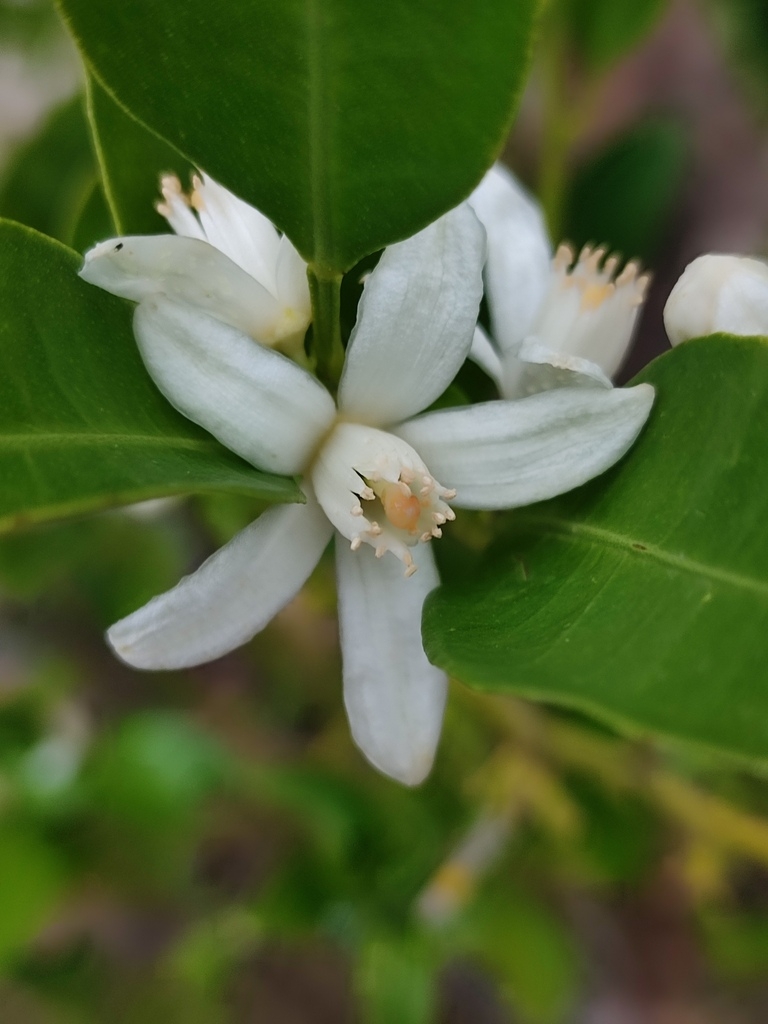
The tree blooms in spring with fragrant white flowers and repeats bloom 4 to 5 times during the season. It is possible to see blooms and fruit at the same time. The fruit has a thin, fragrant peel and an acidic pulp and it can take up to a year to mature. It is used in drinks and as a flavoring for foods.
Calamondin is often used as an ornamental in this country and can be grown in a container in cooler climates. It can also be grown for its edible fruits, in an Asian garden or a winter garden.
Insects, Diseases, and Other Plant Problems: Insects include spider mites, scale insects, citrus leafminer and aphids. Diseases that affect the plant include citrus canker, sooty mold, citrus greening and root rot.
- See this plant in the following landscape :
- Cultivars / Varieties:
-
- Tags:


- Cultivars / Varieties:
-
- Tags:
-
-
Attributes:
- Genus:
- Citrus
- Species:
- microcarpa
- Family:
- Rutaceae
- Life Cycle:
- Woody
- Recommended Propagation Strategy:
- Stem Cutting
- Country Or Region Of Origin:
- Asia
- Wildlife Value:
- The flowers attract pollinators. The fruit is eaten by birds, squirrels, and opossums. Deer may browse the fruit.
- Edibility:
- The fruit is edible and adds a tangy flavor to drinks and foods, such as noodles
- Dimensions:
- Height: 10 ft. 0 in. - 20 ft. 0 in.
- Width: 6 ft. 0 in. - 10 ft. 0 in.
-
-
Whole Plant Traits:
- Plant Type:
- Edible
- Tree
- Woody Plant Leaf Characteristics:
- Broadleaf Evergreen
- Habit/Form:
- Dense
- Erect
- Growth Rate:
- Medium
- Maintenance:
- Medium
- Texture:
- Coarse
-
-
Cultural Conditions:
- Light:
- Full sun (6 or more hours of direct sunlight a day)
- Soil Texture:
- High Organic Matter
- Soil pH:
- Acid (<6.0)
- Neutral (6.0-8.0)
- Soil Drainage:
- Good Drainage
- Moist
- Available Space To Plant:
- 12-24 feet
- NC Region:
- Coastal
- USDA Plant Hardiness Zone:
- 8b, 9a, 9b, 10a, 11a, 11b
-
-
Fruit:
- Fruit Color:
- Green
- Orange
- Fruit Value To Gardener:
- Edible
- Showy
- Display/Harvest Time:
- Fall
- Summer
- Fruit Length:
- 1-3 inches
- Fruit Width:
- 1-3 inches
- Fruit Description:
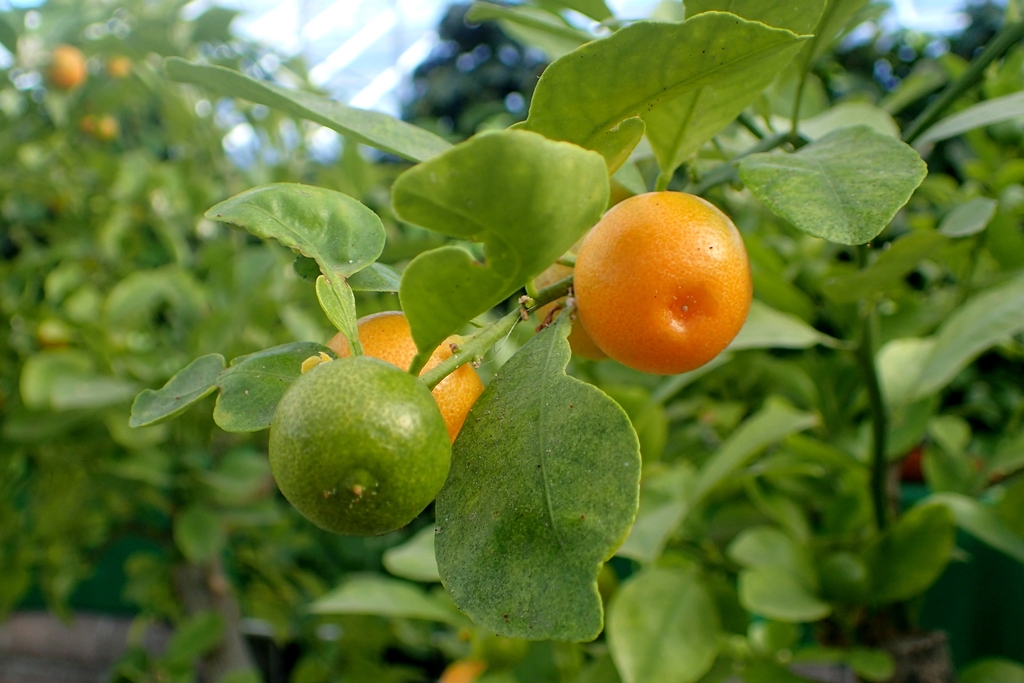
- The round fruit is 1 to 1 3/4 inches across and starts out green, maturing to orange.
-
-
Flowers:
- Flower Color:
- Purple/Lavender
- White
- Flower Inflorescence:
- Cyme
- Flower Value To Gardener:
- Fragrant
- Showy
- Flower Bloom Time:
- Spring
- Summer
- Flower Shape:
- Star
- Flower Petals:
- 4-5 petals/rays
- Flower Size:
- < 1 inch
- Flower Description:
- Fragrant white 1-inch 5-petaled star-shaped flowers that may have a hint of purple and a yellow center. Blooms in spring and then intermittently through summer. They grow singly or in small clusters in the leaf axils.
-
-
Leaves:
- Woody Plant Leaf Characteristics:
- Broadleaf Evergreen
- Leaf Color:
- Green
- Leaf Feel:
- Leathery
- Leaf Type:
- Simple
- Leaf Arrangement:
- Alternate
- Leaf Shape:
- Elliptical
- Ovate
- Hairs Present:
- No
- Leaf Length:
- 3-6 inches
- Leaf Width:
- 1-3 inches
- Leaf Description:
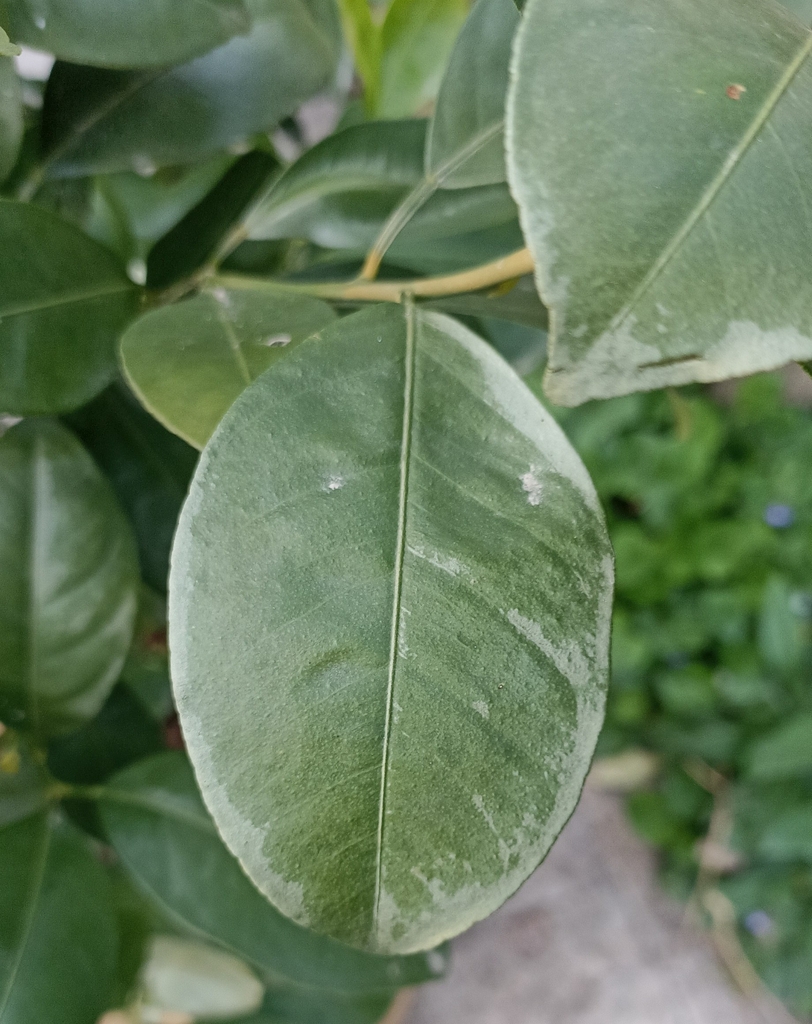
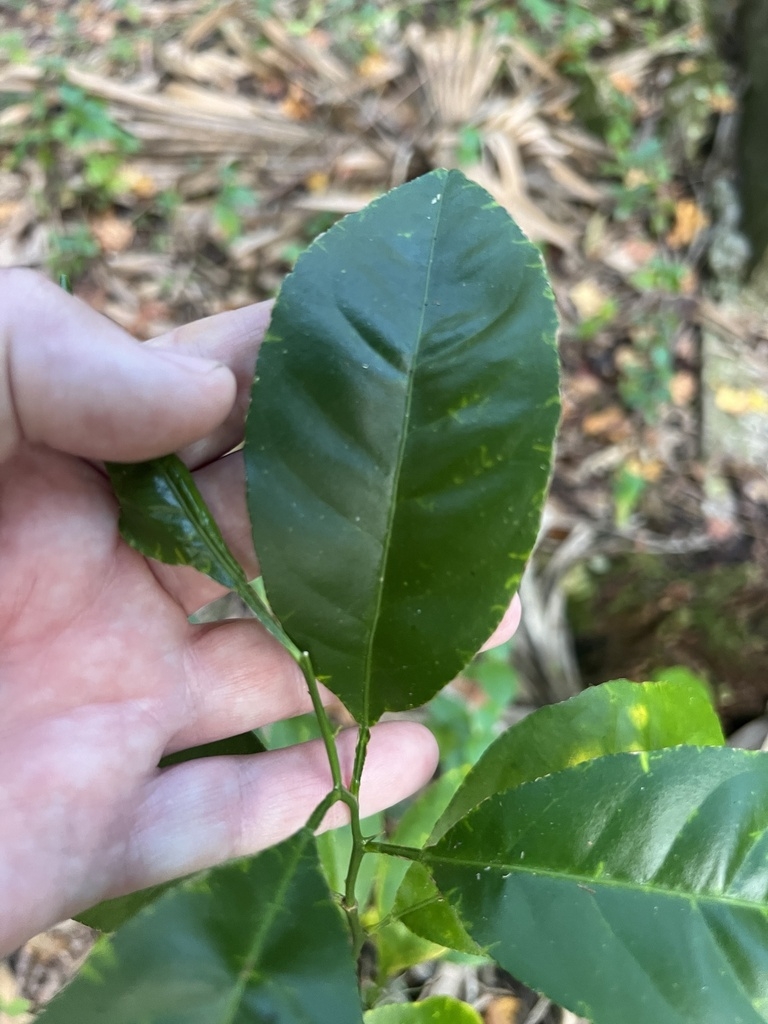
- Leaves are glossy, rich green with wing-like appendages on the leaf petioles. They have a citrus aroma when crushed. They are 2 to 4 inches long and 1 to 3 inches wide.
-
-
Bark:
- Bark Color:
- Light Brown
- Light Gray
- Surface/Attachment:
- Fissured
- Bark Description:
- Mature bark is grayish brown is finely fissured and corky.
-
-
Stem:
- Stem Color:
- Brown/Copper
- Gray/Silver
- Green
- Stem Is Aromatic:
- No
- Stem Surface:
- Smooth (glabrous)
- Stem Description:
- Stems are greenish when young, turning woody and greyish-brown as they mature and are nearly thornless with a smooth texture.
-
-
Landscape:
- Landscape Location:
- Container
- Patio
- Landscape Theme:
- Asian Garden
- Children's Garden
- Edible Garden
- Winter Garden
- Design Feature:
- Flowering Tree
- Attracts:
- Pollinators



