


Ceanothus x pallidus
Common Name(s):
- Phonetic Spelling
- see-a-NOH-thus PAL-lid-dus
- Description
-
California lilac is a hybrid deciduous to semi-deciduous shrub in the buckthorn family (Rhamnaceae). Parentage is a cross between C. herbaceus and C. × delilianus (C. americanus and C. coeruleus). The genus name comes from keanothos, which is an ancient Greek name relating to some plants in the buckthorn family. The specific epithet pallidus comes from Latin meaning "pale".
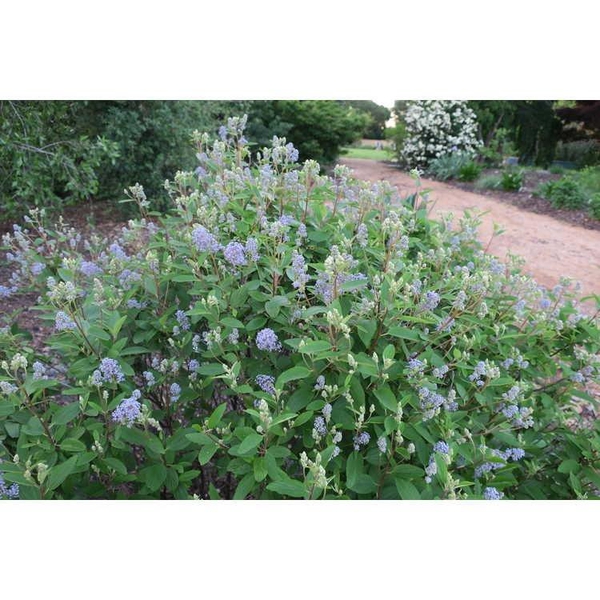
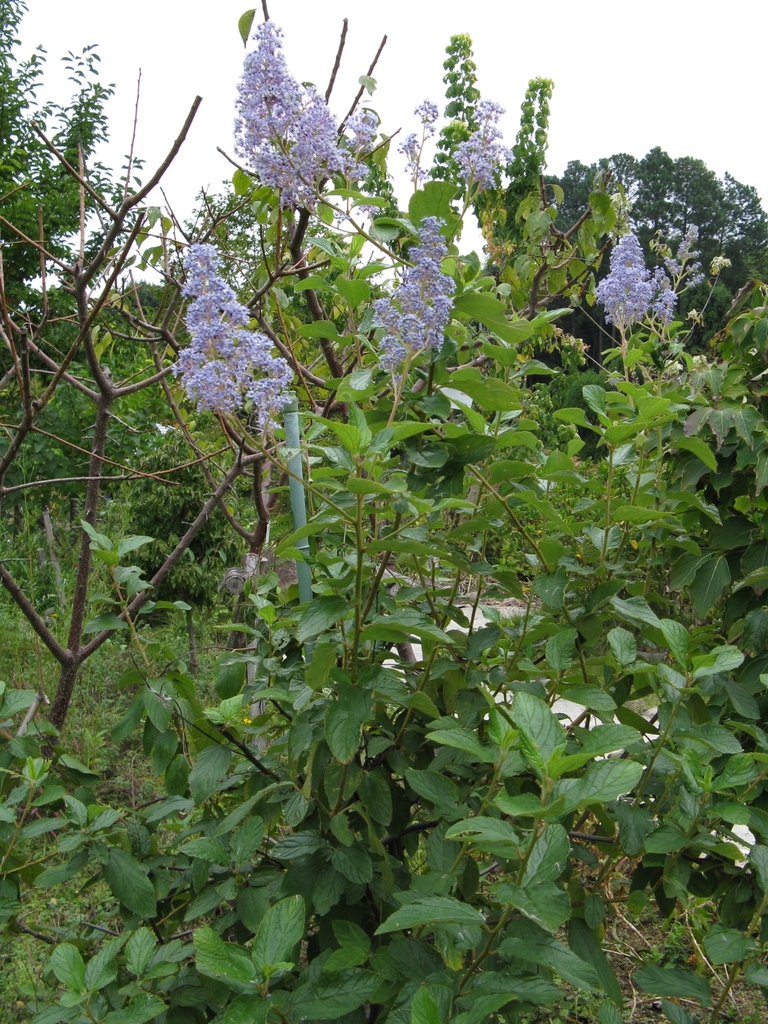
The shrub grows 2 to 4 feet tall and 2 to 3 feet wide in a bushy, rounded form and does best in well-drained sandy or rocky soils in full sun. It is drought-tolerant once established due to the deep root system. In hotter summer areas, it will appreciate some afternoon shade. Prune in early spring to control size. Temperatures below 0 degrees F will cause it to die to the ground but it will regrow in spring.
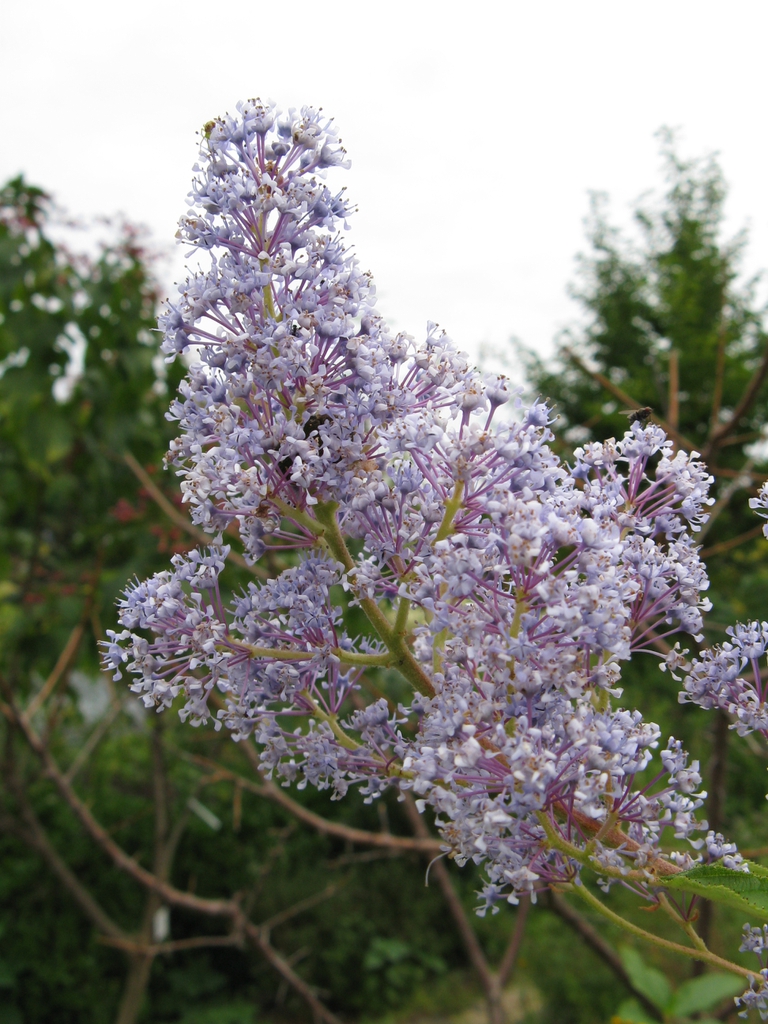
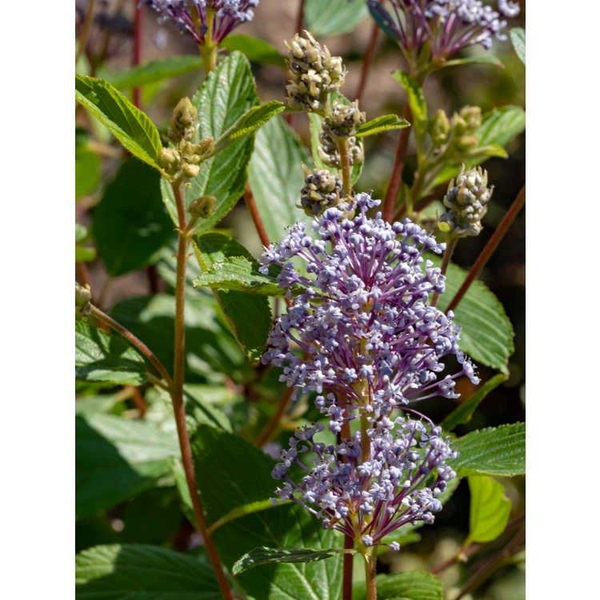
The showy clusters of soft pink blooms resembling lilacs appear in early summer and attract butterflies and bees. It blooms on new wood so pruning will just make it better. It is easier to find the hybrids for sale, such as 'Marie Simon'.
Use the shrub in a border, butterfly or pollinator garden, as a foundation or specimen plant or a low hedge.
Insects Diseases, and Other Plant Problems: No serious problems though occasional problems with powdery mildew and leaf spot. Wet soils can cause root rot.
- See this plant in the following landscape :
- Cultivars / Varieties:
-
- 'Marie Simon'
Pink flowers - 'Minmarie'
Compact blue-flowered - ‘Roseus’
3 to 4 feet tall and wide. Soft pink blooms
- 'Marie Simon'
- 'Marie Simon', 'Minmarie', ‘Roseus’
- Tags:
 Download Image
 Download Image


- Cultivars / Varieties:
-
- 'Marie Simon'
Pink flowers - 'Minmarie'
Compact blue-flowered - ‘Roseus’
3 to 4 feet tall and wide. Soft pink blooms
- 'Marie Simon'
- 'Marie Simon', 'Minmarie', ‘Roseus’
- Tags:
-
-
Attributes:
- Genus:
- Ceanothus
- Family:
- Rhamnaceae
- Life Cycle:
- Woody
- Wildlife Value:
- Members of the genus Ceanothus support the following specialized bees: Pseudopanurgus pauper and Pseudopanurgus virginicus.
- Particularly Resistant To (Insects/Diseases/Other Problems):
- Deer and drought tolerant
- Dimensions:
- Height: 2 ft. 0 in. - 4 ft. 0 in.
- Width: 2 ft. 0 in. - 3 ft. 0 in.
-
-
Whole Plant Traits:
- Plant Type:
- Shrub
- Woody Plant Leaf Characteristics:
- Deciduous
- Semi-evergreen
- Habit/Form:
- Mounding
- Rounded
- Growth Rate:
- Medium
- Maintenance:
- Low
- Texture:
- Medium
-
-
Cultural Conditions:
- Light:
- Full sun (6 or more hours of direct sunlight a day)
- Partial Shade (Direct sunlight only part of the day, 2-6 hours)
- Soil Texture:
- Loam (Silt)
- Sand
- Shallow Rocky
- Soil pH:
- Neutral (6.0-8.0)
- Soil Drainage:
- Good Drainage
- Occasionally Dry
- Available Space To Plant:
- 3 feet-6 feet
- NC Region:
- Coastal
- Mountains
- Piedmont
- USDA Plant Hardiness Zone:
- 6a, 6b, 7a, 7b, 8a, 8b
-
-
Fruit:
- Fruit Color:
- Red/Burgundy
- Fruit Value To Gardener:
- Showy
- Fruit Type:
- Capsule
- Fruit Description:
- Attractive red seed heads
-
-
Flowers:
- Flower Color:
- Pink
- Purple/Lavender
- Flower Inflorescence:
- Panicle
- Flower Value To Gardener:
- Showy
- Flower Bloom Time:
- Spring
- Summer
- Flower Size:
- < 1 inch
- Flower Description:
- Panicles of pink to blue blooms in May to June that resemble lilacs.
-
-
Leaves:
- Woody Plant Leaf Characteristics:
- Deciduous
- Semi-evergreen
- Leaf Color:
- Green
- Leaf Feel:
- Glossy
- Leaf Type:
- Simple
- Leaf Arrangement:
- Alternate
- Leaf Shape:
- Elliptical
- Leaf Margin:
- Entire
- Hairs Present:
- No
- Leaf Length:
- 1-3 inches
- Leaf Description:
- Broad, shiny, lustrous, non-showy fall color up to 3 inches long.
-
-
Stem:
- Stem Color:
- Red/Burgundy
- Stem Is Aromatic:
- No
- Stem Description:
- Reddish stems
-
-
Landscape:
- Landscape Theme:
- Butterfly Garden
- Drought Tolerant Garden
- Pollinator Garden
- Design Feature:
- Foundation Planting
- Hedge
- Attracts:
- Pollinators
- Specialized Bees
- Resistance To Challenges:
- Drought
- Dry Soil