


Humped Bladderwort Utricularia gibba
Other Common Name(s):
- Phonetic Spelling
- yoo-trik-u-LAR-ee-uh GIB-buh
- Description
-
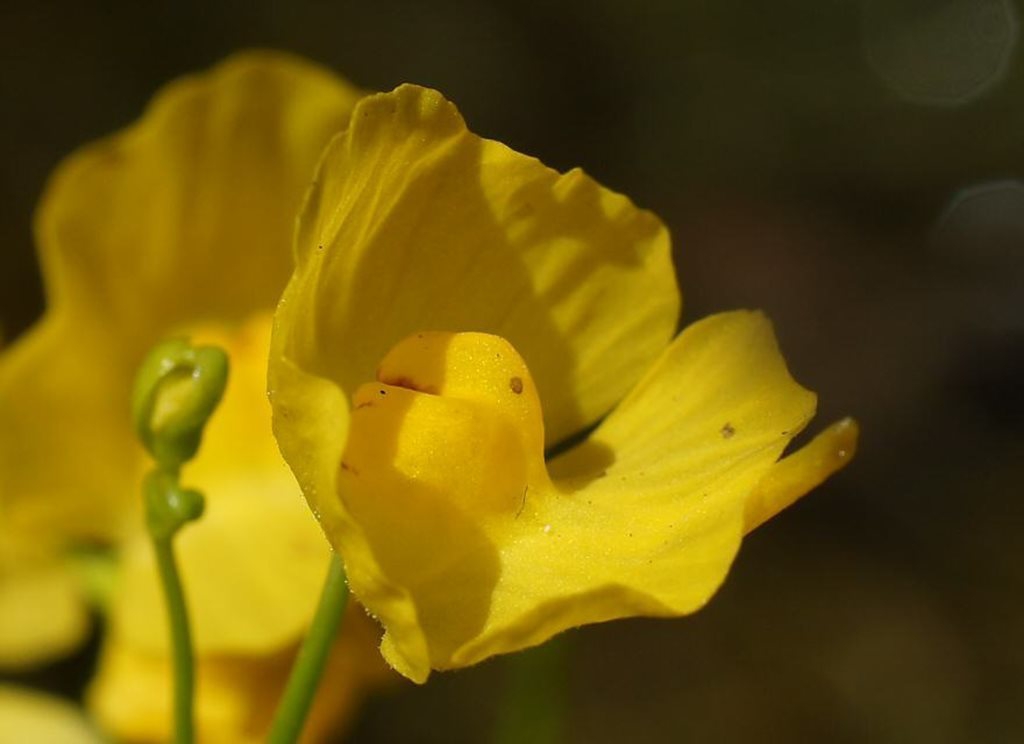
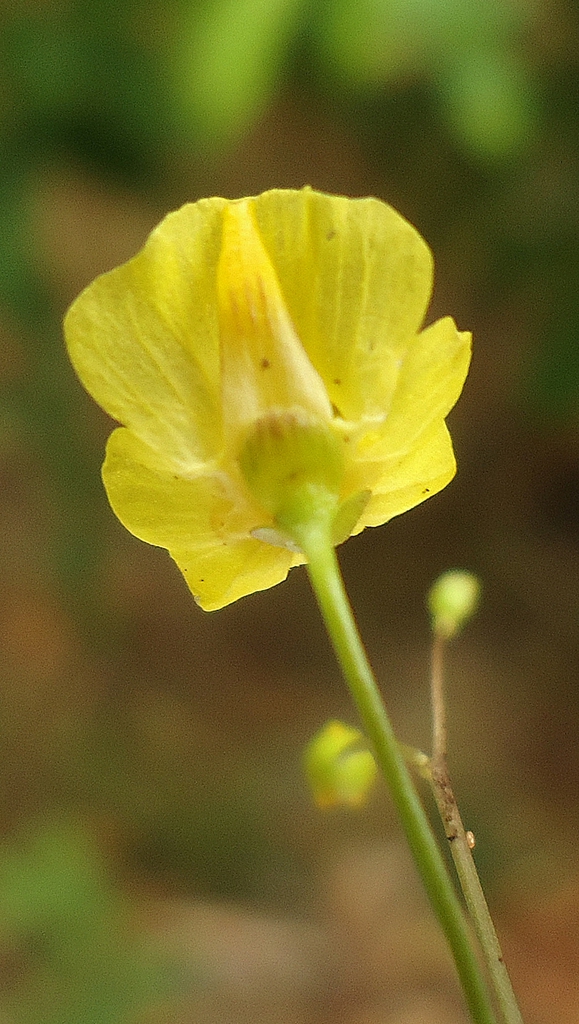
Floating bladderwort is an aquatic carnivorous plant found on every continent except Antarctica. It is a member of the bladderwort family (Lentibulariaceae). It is native to North Carolina. The species epithet is Latin for “gibbous,” meaning inflated one side or pouched and likely referring to the protrusions on the lower lip of the flower.
Floating bladderwort generally prefers shallow and slow-moving waters in full to partial sun. This plant can become weedy.
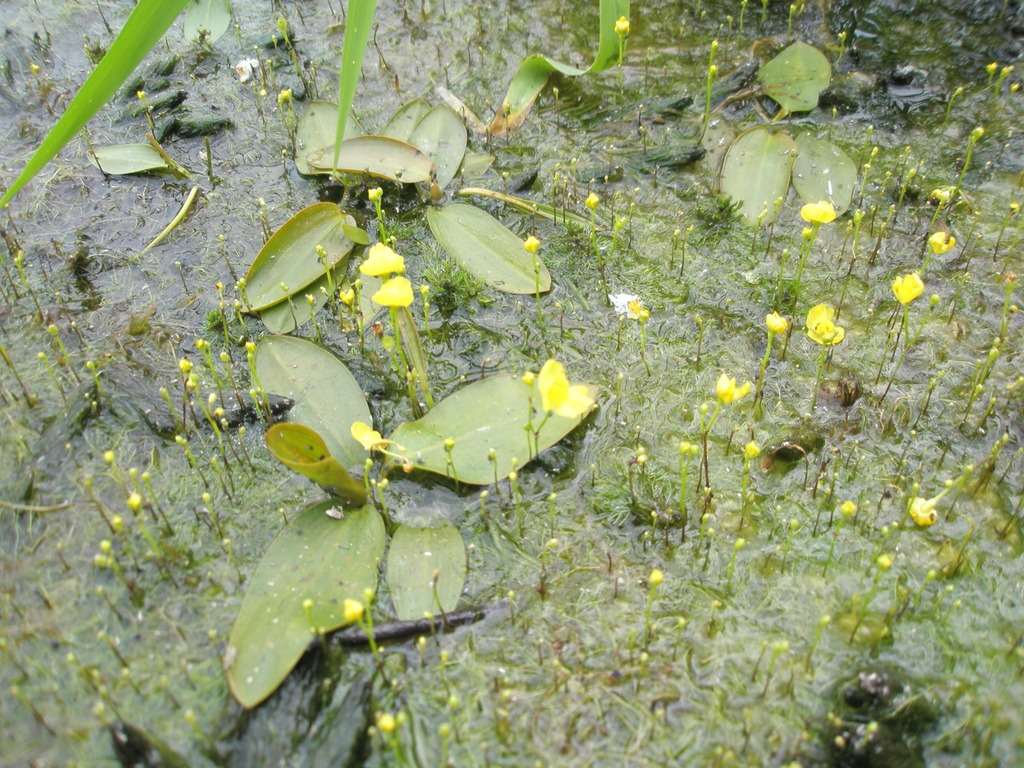
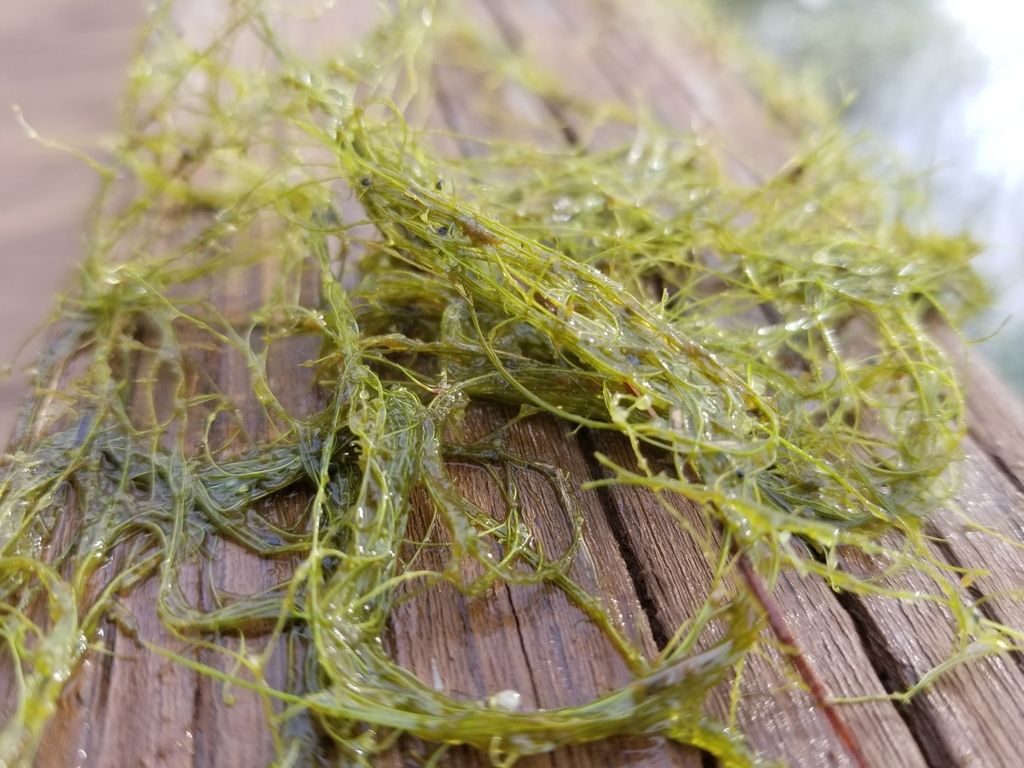
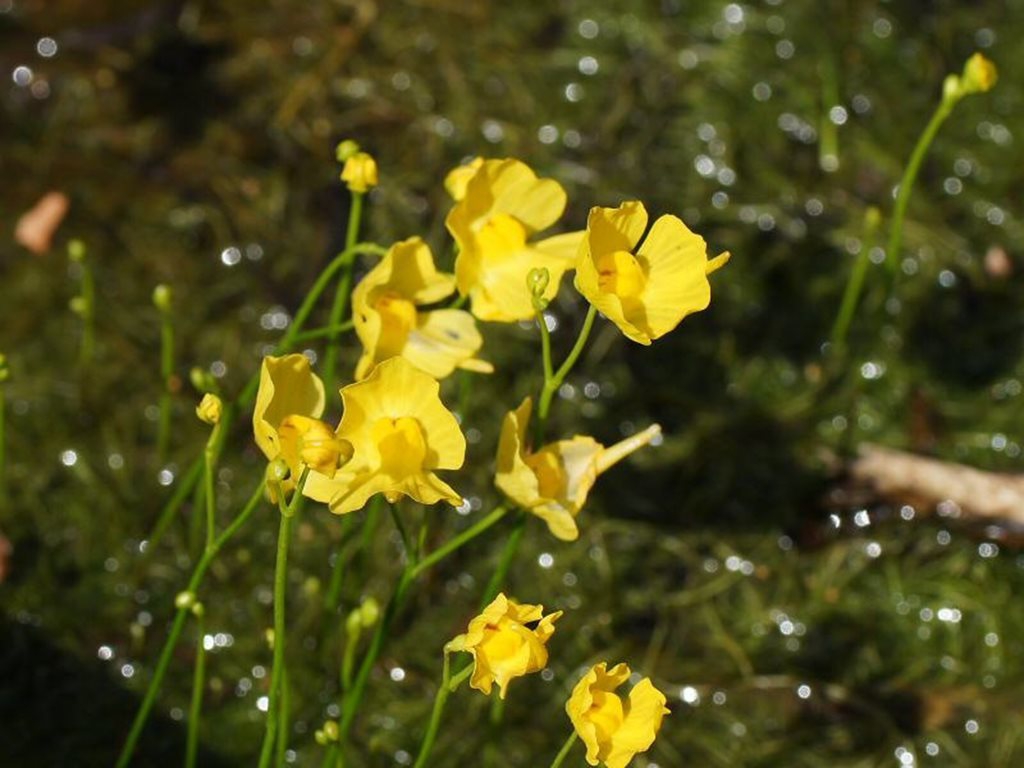
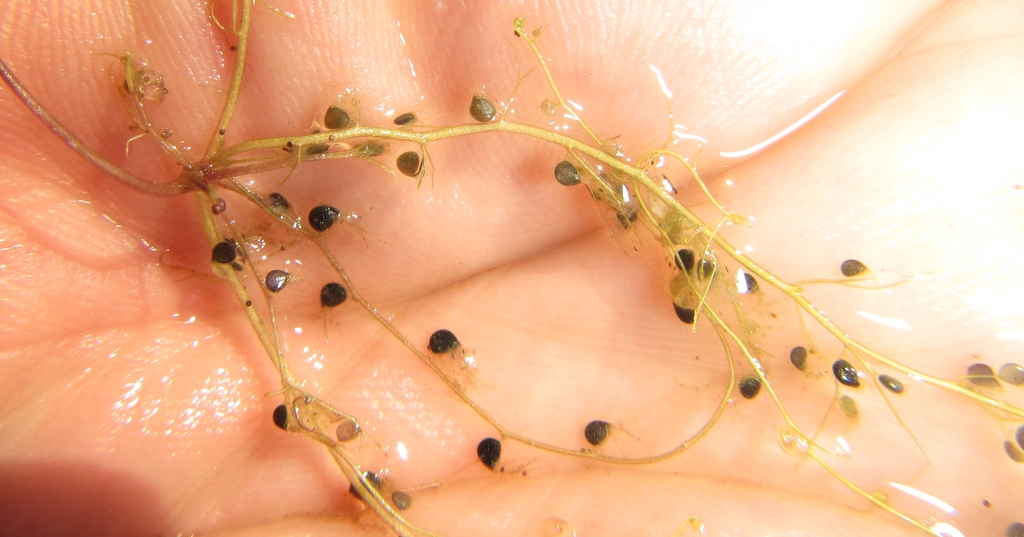
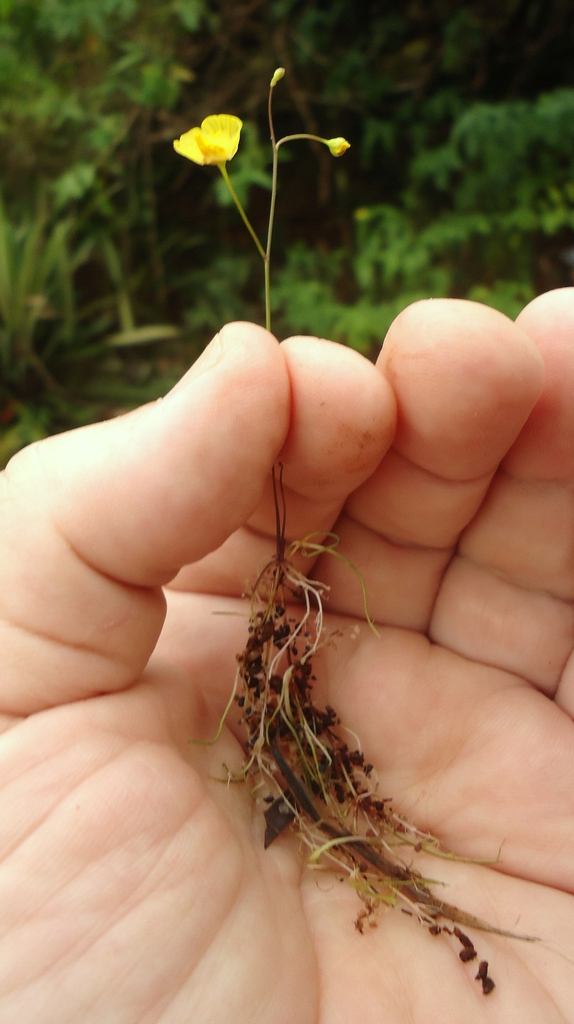
It forms mats of crisscrossing, branching, thread-like stolons, each growing to approximately 8 to 10 inches long. They can be free-floating or loosely rooted in the substrate of shallow water. The traps among the leaf-like structures are for capturing tiny water creatures. The small, two-lipped flowers are held above the water and can occur anytime during the growing season. Plants that are rooted in the substrate generally bloom more. It inhabits ponds, lakes, bogs, marshes and ditches.
Floating bladderwort is perfect for a pond, bog garden, aquarium or container water garden. As the trapping mechanism cannot be easily observed, they are not as popular as other carnivorous plants in children’s gardens. It is suitable for an aquatic pollinator garden or native plant garden.
Insects, Diseases, and Other Plant Problems: No serious problems.
- See this plant in the following landscape :
- Cultivars / Varieties:
-
- Tags:


- Cultivars / Varieties:
-
- Tags:
-
-
Attributes:
- Genus:
- Utricularia
- Species:
- gibba
- Family:
- Lentibulariaceae
- Life Cycle:
- Perennial
- Country Or Region Of Origin:
- Subtropical and Tropical Old World
- Wildlife Value:
- It provides food for aquatic waterfowl and habitat for small aquatic animals as frogs.
- Particularly Resistant To (Insects/Diseases/Other Problems):
- Heat tolerant.
-
-
Whole Plant Traits:
- Plant Type:
- Carnivorous
- Herbaceous Perennial
- Native Plant
- Water Plant
- Habit/Form:
- Spreading
- Maintenance:
- High
-
-
Cultural Conditions:
- Light:
- Full sun (6 or more hours of direct sunlight a day)
- Soil Drainage:
- Frequent Standing Water
- Occasionally Wet
- NC Region:
- Coastal
- Mountains
- Piedmont
- USDA Plant Hardiness Zone:
- 4a, 4b, 5a, 5b, 6a, 6b, 7a, 7b, 8a, 8b, 9a, 9b, 10a, 10b
-
-
Fruit:
- Display/Harvest Time:
- Fall
- Summer
- Fruit Type:
- Capsule
- Fruit Description:
- The round capsule display from July to October.
-
-
Flowers:
- Flower Color:
- Gold/Yellow
- Flower Inflorescence:
- Raceme
- Flower Value To Gardener:
- Showy
- Flower Bloom Time:
- Summer
- Flower Shape:
- Lipped
- Flower Petals:
- 2-3 rays/petals
- Flower Size:
- < 1 inch
- Flower Description:
- Yellow flowers often with reddish-brown nerves, and are split into two lips. The lower one has a humped area in the center. Flowers May to November.
-
-
Leaves:
- Leaf Color:
- Green
- Leaf Arrangement:
- Opposite
- Leaf Shape:
- Filiform
- Hairs Present:
- No
- Leaf Length:
- < 1 inch
- Leaf Width:
- < 1 inch
- Leaf Description:
- Thin forked leaf-like structures 3/8 inch long
-
-
Stem:
- Stem Color:
- Green
- Stem Is Aromatic:
- No
- Stem Description:
- Stems are up to 10 inches long, either free-floating, submerged or creeping along the substrate and can create dense mats
-
-
Landscape:
- Landscape Location:
- Container
- Pond
- Landscape Theme:
- Native Garden
- Water Garden
- Attracts:
- Frogs
- Resistance To Challenges:
- Wet Soil
- Problems:
- Weedy