


Ming Tree Polyscias fruticosa
Other Common Name(s):
Previously known as:
- Aralia fruticosa
- Panax fruticosus
- Phonetic Spelling
- pol-ISS-see-as froo-tih-KOH-suh
- Description
-
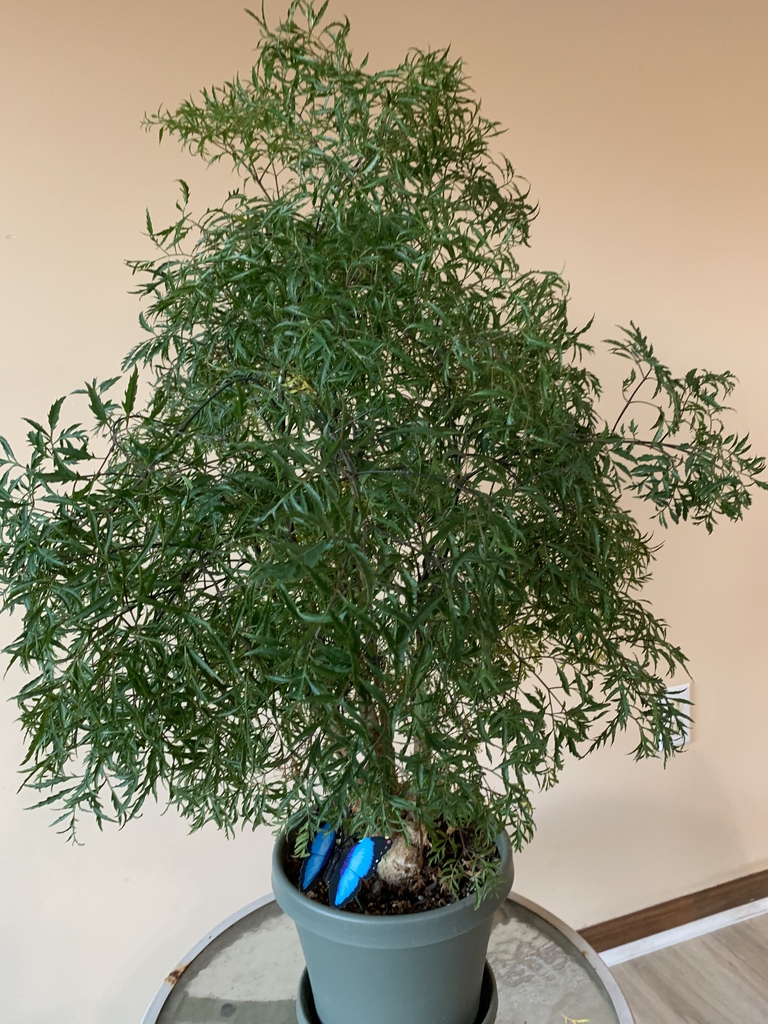
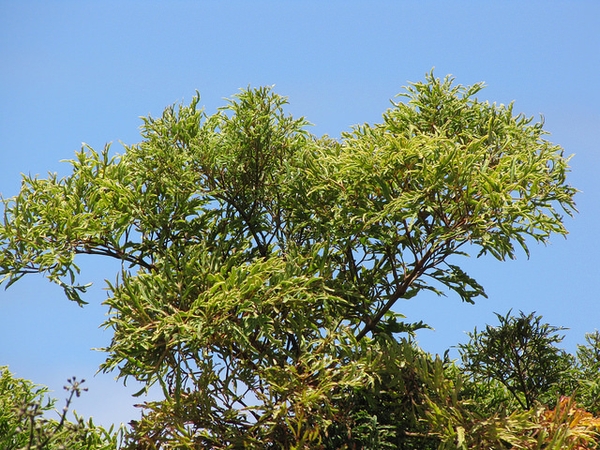
Ming Aralia is a tropical evergreen shrub or short tree that is erect and upright and grows up to 25 feet tall in its native habitat of the Southwest Pacific. In NC, it is grown as a houseplant and grows only 6 to 8 feet tall. It needs bright indirect light, warm air temperatures, and medium to high humidity. It can be grown in a variety of soil types, provided it receives good drainage. It will perform best in soil that is neither too wet nor too dry. Allow the top 2 inches of soil to dry before watering. To increase the interior humidity, consider using a humidifier or setting the plant container on a tray of wet pebbles. This plant is prized for its oriental look; the fern-like foliage makes it an excellent specimen for interiorscapes, but large plants are very expensive.
Consider the Ming Aralia as an indoor container plant; however, it typically does not flower or produce fruit when grown indoors. It may be used as a tropical plant in USDA Hardiness Zones 11 to 12 as a specimen, accent, or hedge.
Quick ID Hints:
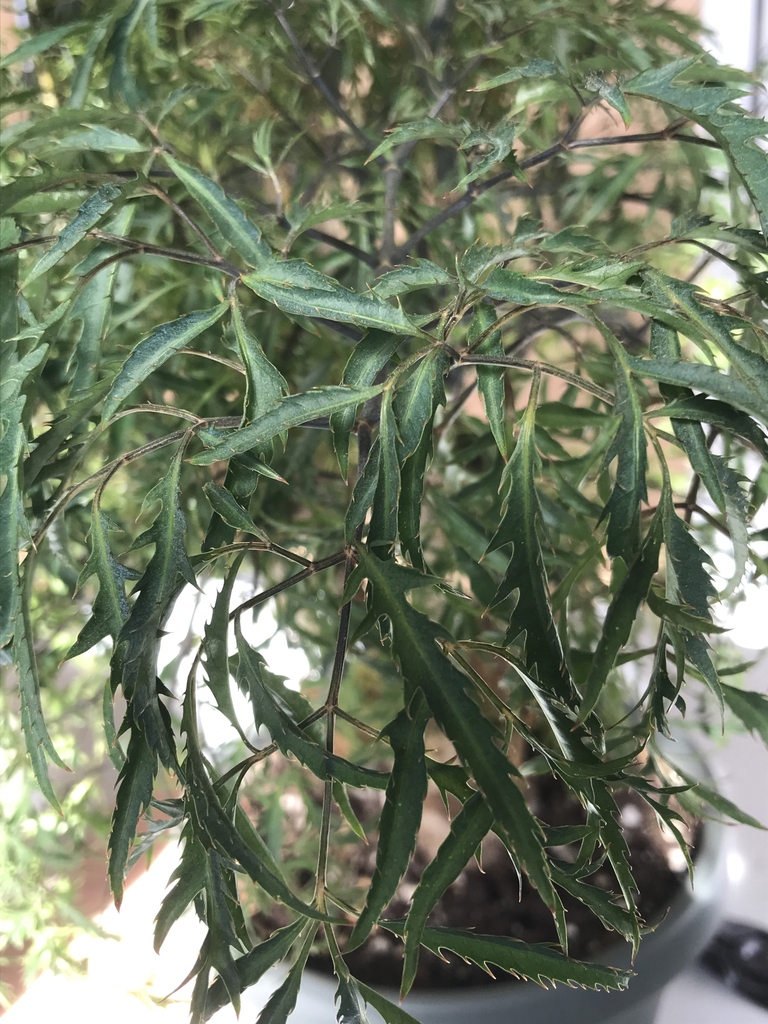
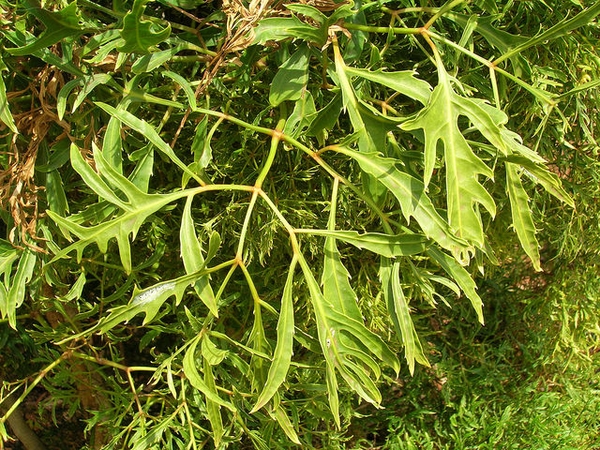
- Leaves are tri-pinnate
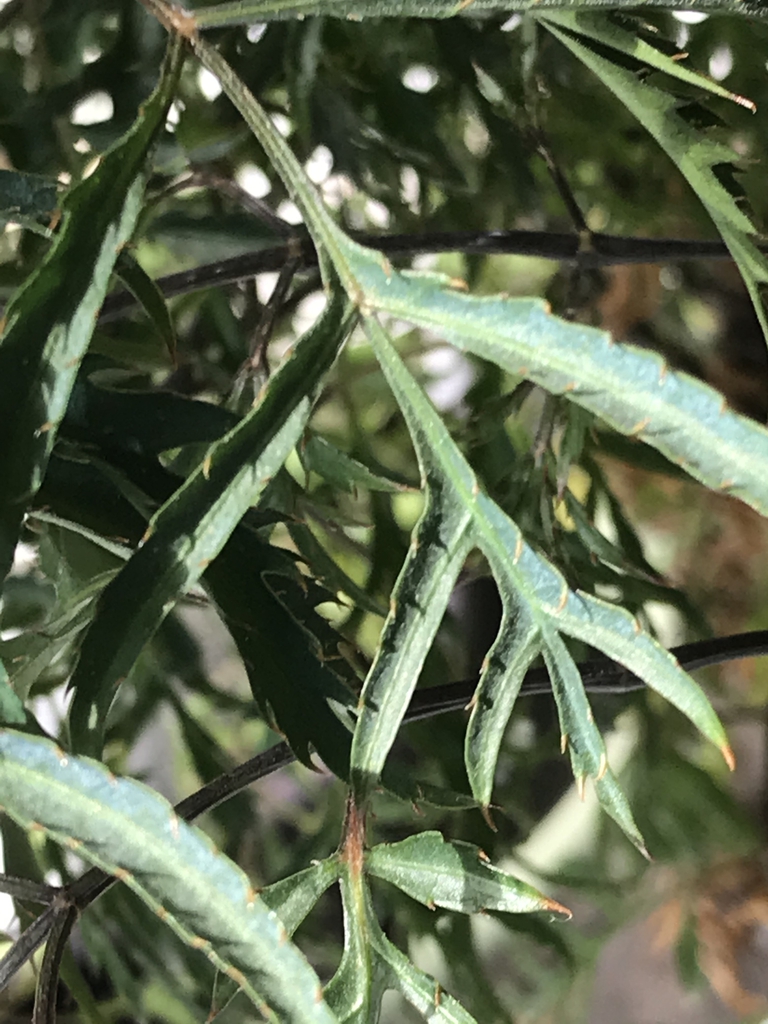
- Leaflets are irregularly lobed and serrated
- Finely cut foliage
Insects, Diseases, and Other Plant Problems: Monitor of aphids, scales, mealybugs, whiteflies, and nematodes. In wet or overly moist soils, root rot can occur. Mites can appear in dry conditions.
- See this plant in the following landscape :
- Cultivars / Varieties:
- 'Elegans'
- Tags:



- Cultivars / Varieties:
- 'Elegans'
- Tags:
-
-
Attributes:
- Genus:
- Polyscias
- Species:
- fruticosa
- Family:
- Araliaceae
- Uses (Ethnobotany):
- Used in herbal medicine
- Life Cycle:
- Perennial
- Woody
- Recommended Propagation Strategy:
- Leaf Cutting
- Seed
- Stem Cutting
- Country Or Region Of Origin:
- Central Malesia to Southwest Pacific
- Distribution:
- Bangladesh, Borneo, Dominican Republic, Haiti, Marshall Islands, Mozambique, Myanmar, Puerto Rico, Thailand, Tonga, Trinidad-Tobago, and Vietnam
- Play Value:
- Easy to Grow
- Edibility:
- Young leaves and shoots can be cooked as a vegetable and flavoring.
- Dimensions:
- Height: 6 ft. 0 in. - 8 ft. 0 in.
- Width: 2 ft. 0 in. - 3 ft. 0 in.
-
-
Whole Plant Traits:
- Plant Type:
- Houseplant
- Shrub
- Tree
- Woody Plant Leaf Characteristics:
- Broadleaf Evergreen
- Habit/Form:
- Erect
- Spreading
- Growth Rate:
- Slow
- Maintenance:
- Low
- Texture:
- Fine
-
-
Cultural Conditions:
- Light:
- Partial Shade (Direct sunlight only part of the day, 2-6 hours)
- Soil Texture:
- Loam (Silt)
- Sand
- Soil pH:
- Acid (<6.0)
- Soil Drainage:
- Good Drainage
- Moist
- Available Space To Plant:
- 3 feet-6 feet
- USDA Plant Hardiness Zone:
- 11a, 11b, 12a, 12b
-
-
Fruit:
- Fruit Type:
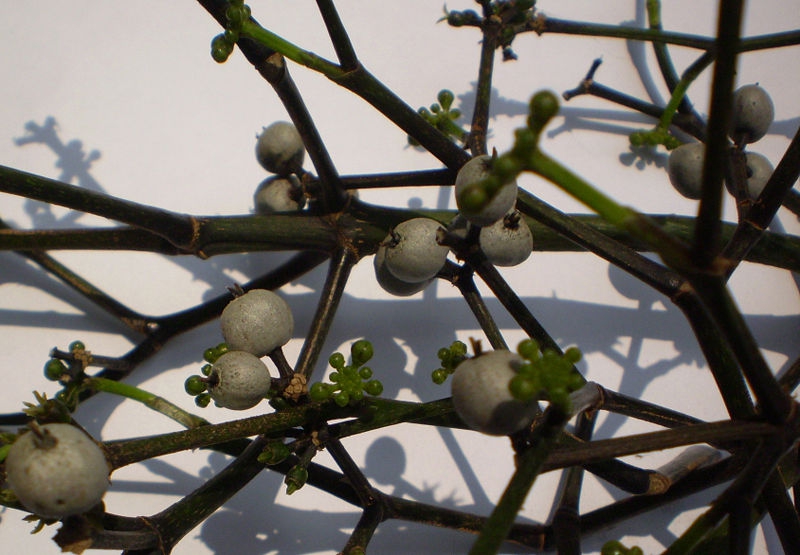
- Drupe
- Fruit Description:
- The fruits or drupes are rarely seen in cultivation.
-
-
Flowers:
- Flower Color:
- Gold/Yellow
- White
- Flower Inflorescence:
- Panicle
- Flower Value To Gardener:
- Showy
- Flower Bloom Time:
- Fall
- Spring
- Summer
- Winter
- Flower Size:
- > 6 inches
- Flower Description:
- Flowers are in small umbels and green-white. Inflorescence is a panicle up to 6 inches. Flowers can bloom all year round. Flowers and fruits are rarely seen when cultivated as a houseplant.
-
-
Leaves:
- Woody Plant Leaf Characteristics:
- Broadleaf Evergreen
- Leaf Color:
- Green
- Leaf Feel:
- Glossy
- Leaf Value To Gardener:
- Edible
- Showy
- Leaf Type:
- Compound (Pinnately , Bipinnately, Palmately)
- Leaf Arrangement:
- Opposite
- Leaf Shape:
- Lanceolate
- Linear
- Oblong
- Ovate
- Leaf Margin:
- Serrate
- Hairs Present:
- No
- Leaf Length:
- > 6 inches
- Leaf Width:
- 3-6 inches
- Leaf Description:
- Leaves are 1-3 pinnately compound up to 1.5 inches. Leaflets are linear-lanceolate, narrow-ovate or oblong. Apices are acute, toothed, lobed, or irregularly pinnatisect. The leaves are dark green and are clustered near the tips of branches.
-
-
Bark:
- Bark Color:
- Dark Brown
- Bark Description:
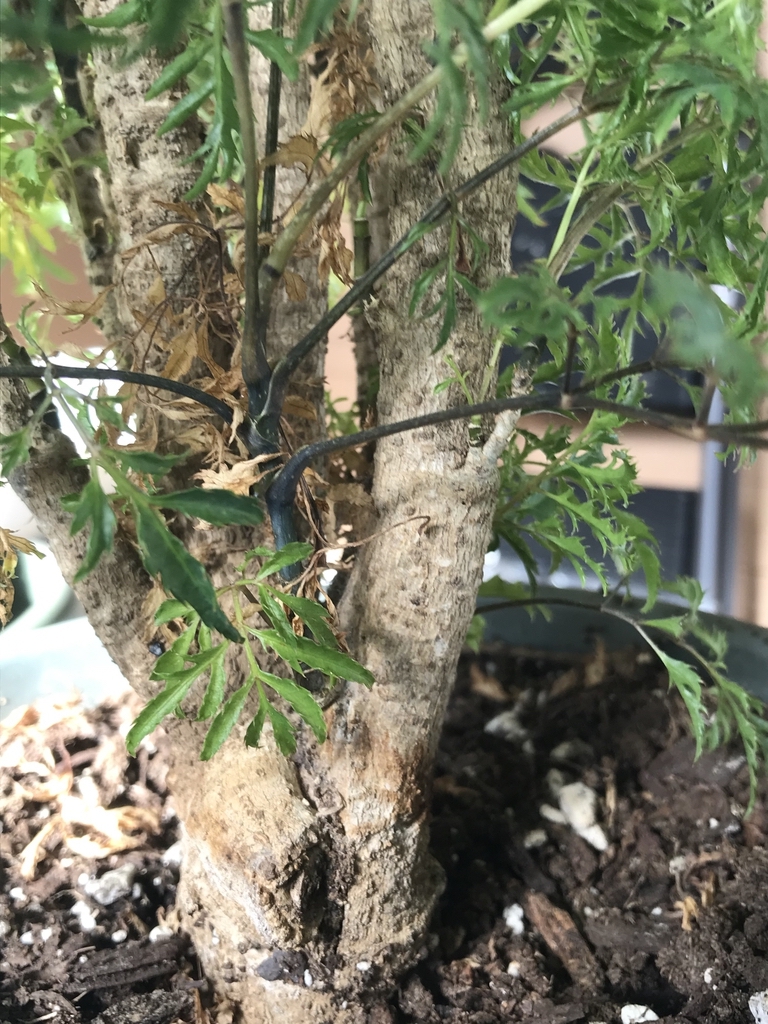
- Fairly smooth medium brown bark
-
-
Stem:
- Stem Color:
- Brown/Copper
- Red/Burgundy
- Stem Is Aromatic:
- No
- Stem Surface:
- Smooth (glabrous)
- Stem Description:
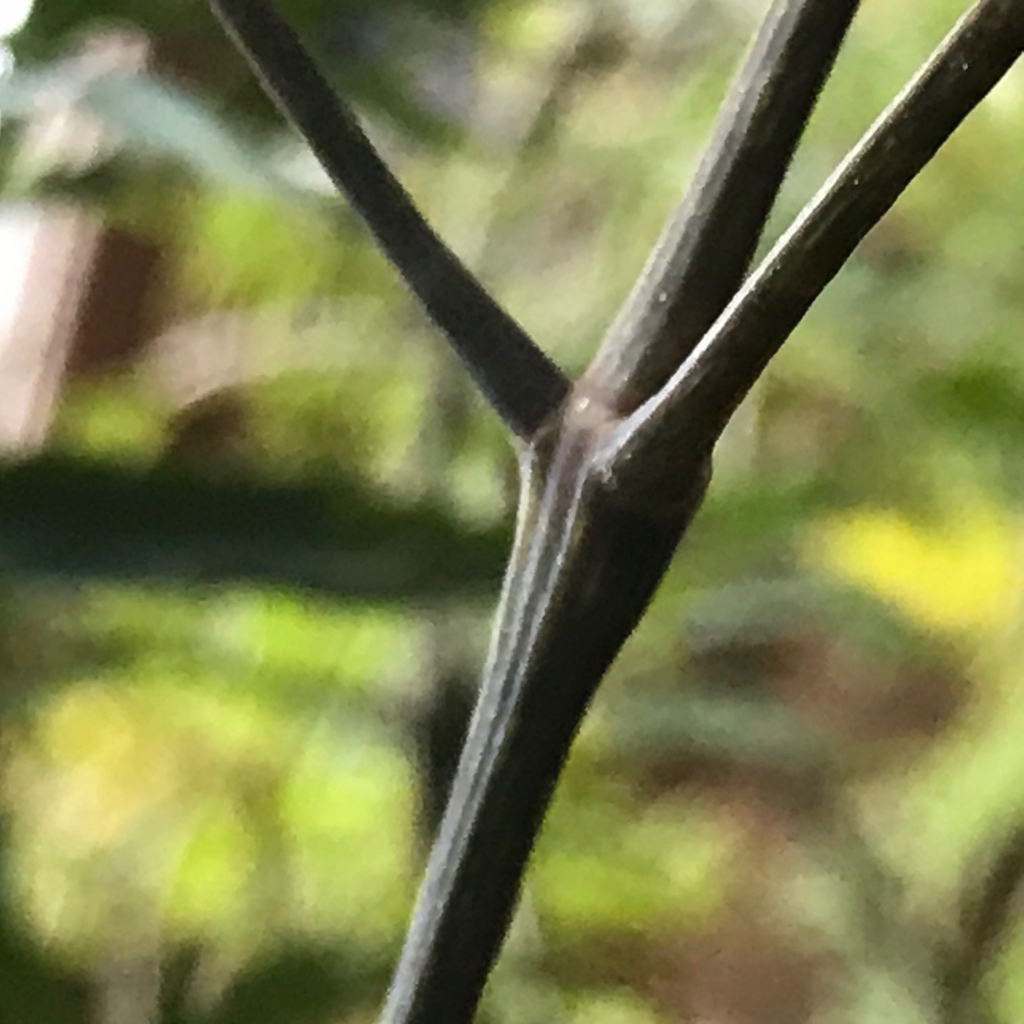
- Stems are smooth, flexible and reddish-brown.
-
-
Landscape:
- Landscape Location:
- Container
- Houseplants
- Patio
- Resistance To Challenges:
- Humidity
- Problems:
- Problem for Cats
- Problem for Dogs