


Platanthera
Common Name(s):
- Phonetic Spelling
- pla-TAN-ther-uh
- Description
-
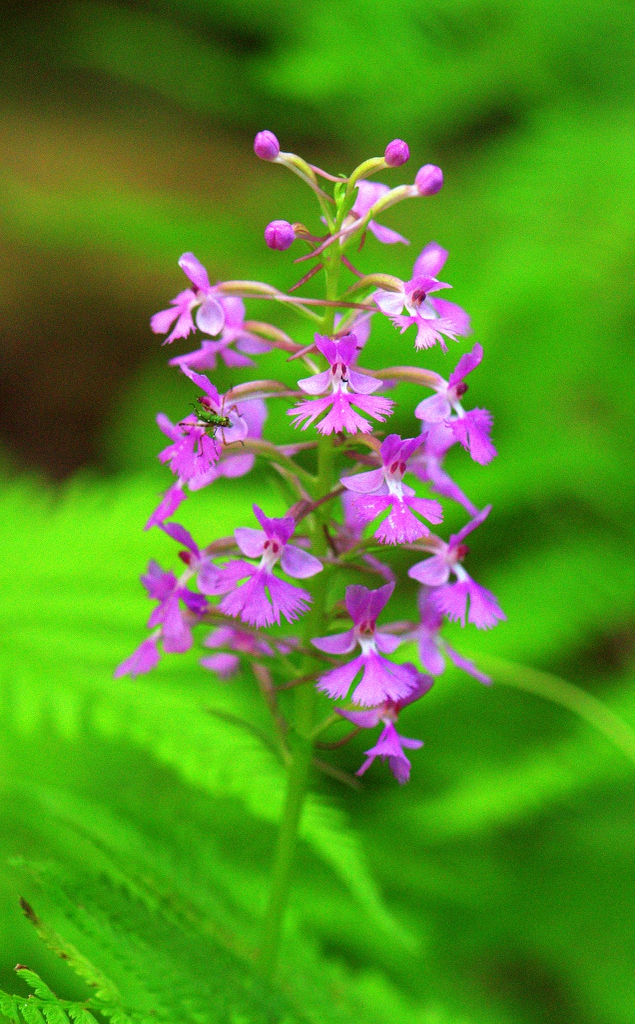
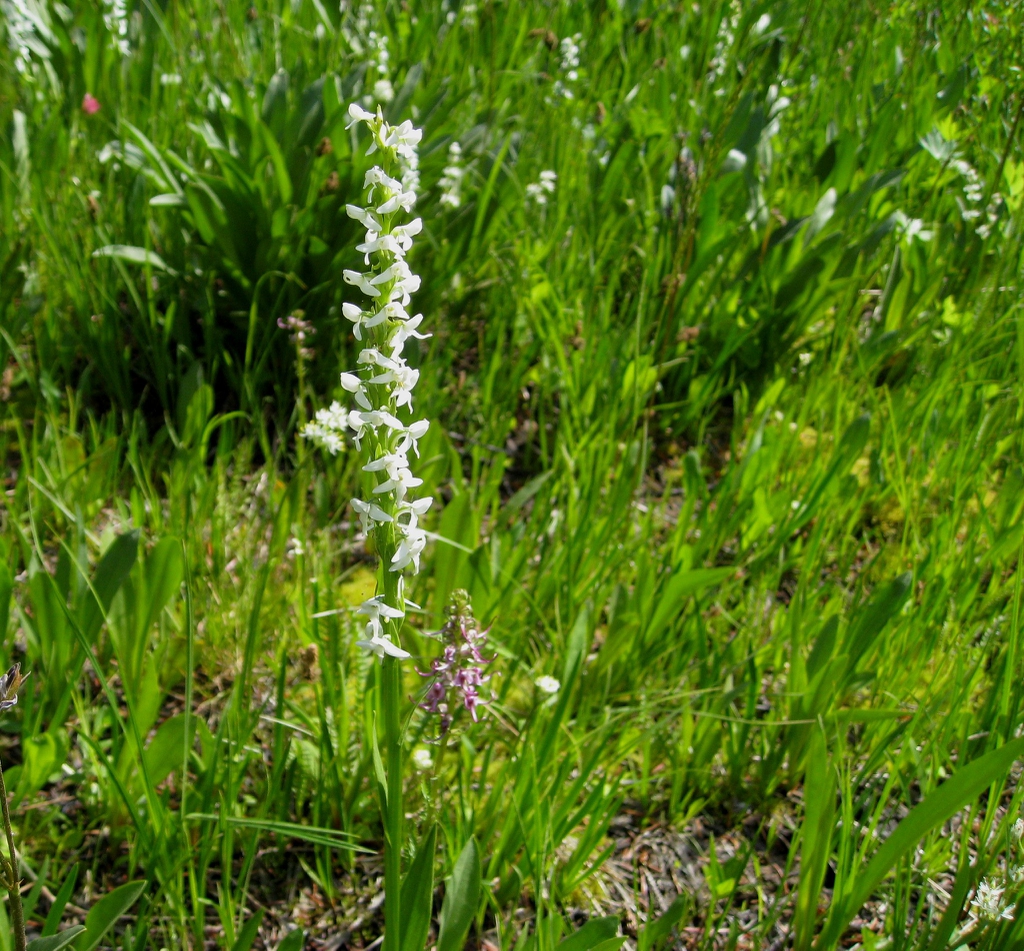
Butterfly Orchid is a genus of herbaceous perennial wildflowers belonging to the orchid family and native to the northern hemisphere. There are about 155 species with 37 being native to North America. They grow in a wide range of soil types and habitats, but often in bogs or wetlands and tend to require consistent and moderate moisture. The plants are usually erect, although sometimes lying on the ground. The flowers are generally borne singly in various colors and are typically dense and showy.
Platanthera can be grown in pots containing a rich terrestrial mix that retains moisture. Requirements vary from species to species, but generally provide medium bright light levels, cool-intermediate temperatures and steady watering throughout the growing season. The plants require winter chilling after the growing season and should be over-wintered in a cool environment.
Sixteen species of Platanther, including the small, purple Fringed Orchid (P. psycodes) are native to North Carolina. However, many are threatened or rare. This genus is a terrestrial orchid and lacks the tuberous roots of some orchid genus.
Depending on the variety, they could be used in wetland or woodland sites.
Diseases, Insect Pests, and Other Plant Problems:
May be susceptible to spider mites, aphids, and snails. Potential diseases include root rot and fungus.
- See this plant in the following landscape :
- Cultivars / Varieties:
-
- Tags:


- Cultivars / Varieties:
-
- Tags:
-
-
Attributes:
- Genus:
- Platanthera
- Family:
- Orchidaceae
- Life Cycle:
- Perennial
- Country Or Region Of Origin:
- North America, Greenland, Europe and Asia
- Distribution:
- Found in most countries north of the equator
-
-
Whole Plant Traits:
- Plant Type:
- Herbaceous Perennial
- Native Plant
- Wildflower
- Habit/Form:
- Erect
-
-
Cultural Conditions:
- Light:
- Full sun (6 or more hours of direct sunlight a day)
- Partial Shade (Direct sunlight only part of the day, 2-6 hours)
- Soil Texture:
- Clay
- Loam (Silt)
- Sand
- Soil pH:
- Acid (<6.0)
- Alkaline (>8.0)
- Neutral (6.0-8.0)
- Soil Drainage:
- Good Drainage
- Moist
- Occasionally Wet
- NC Region:
- Coastal
- Mountains
- Piedmont
-
-
Fruit:
- Fruit Type:
- Capsule
-
-
Flowers:
- Flower Color:
- Green
- Orange
- Pink
- Purple/Lavender
- White
- Flower Inflorescence:
- Solitary
- Flower Value To Gardener:
- Showy
- Flower Bloom Time:
- Fall
- Summer
- Flower Description:
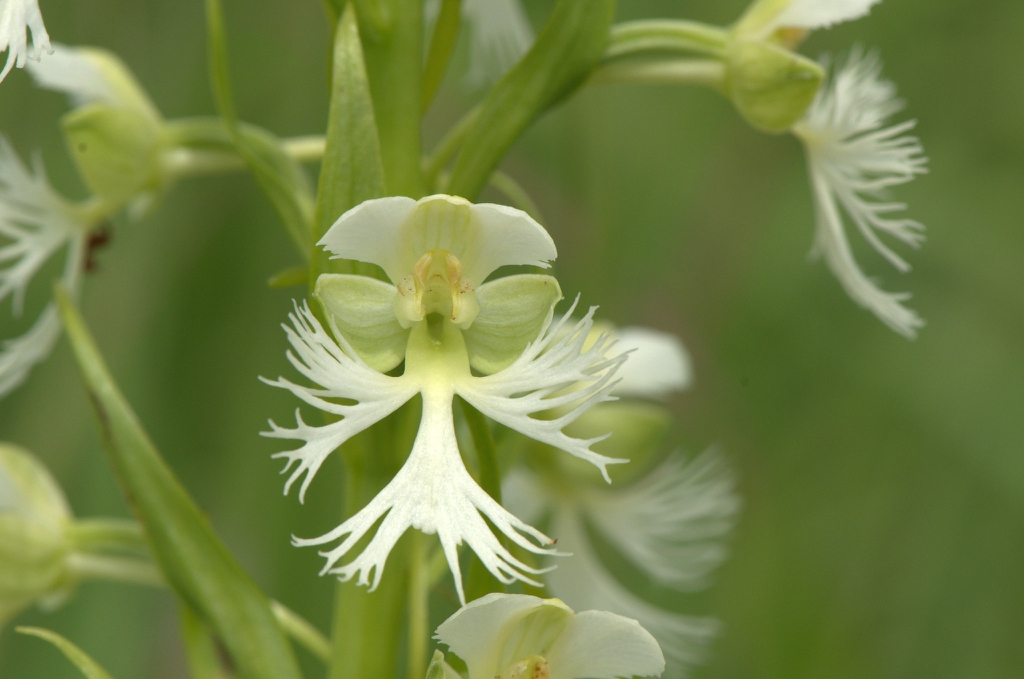
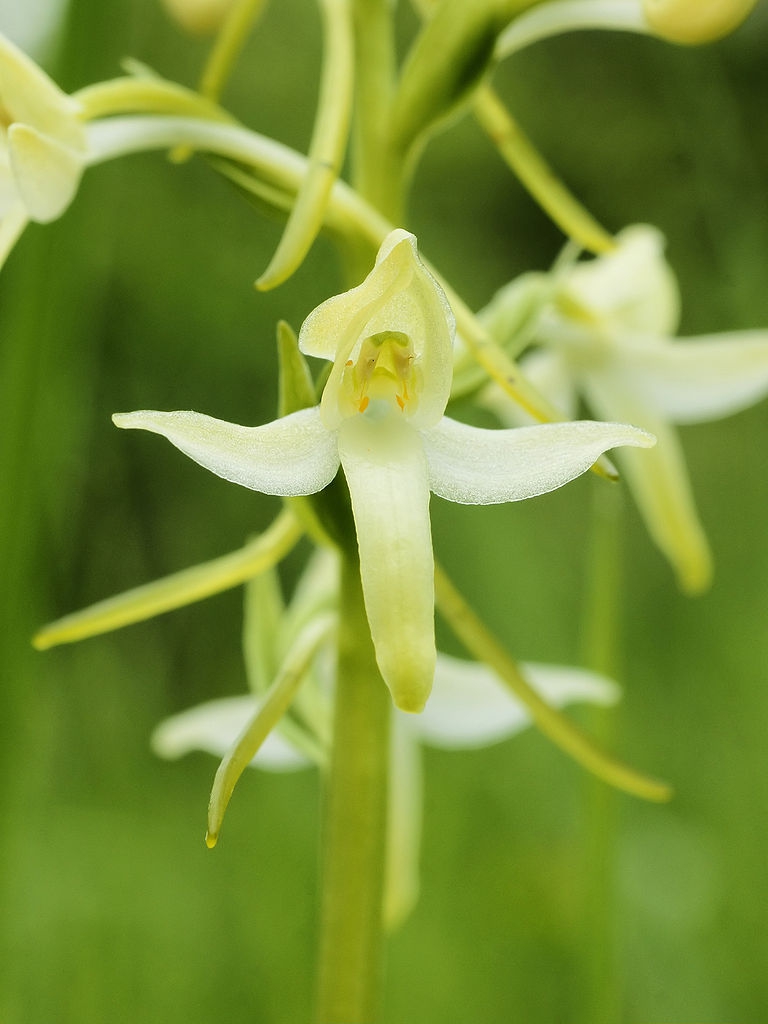
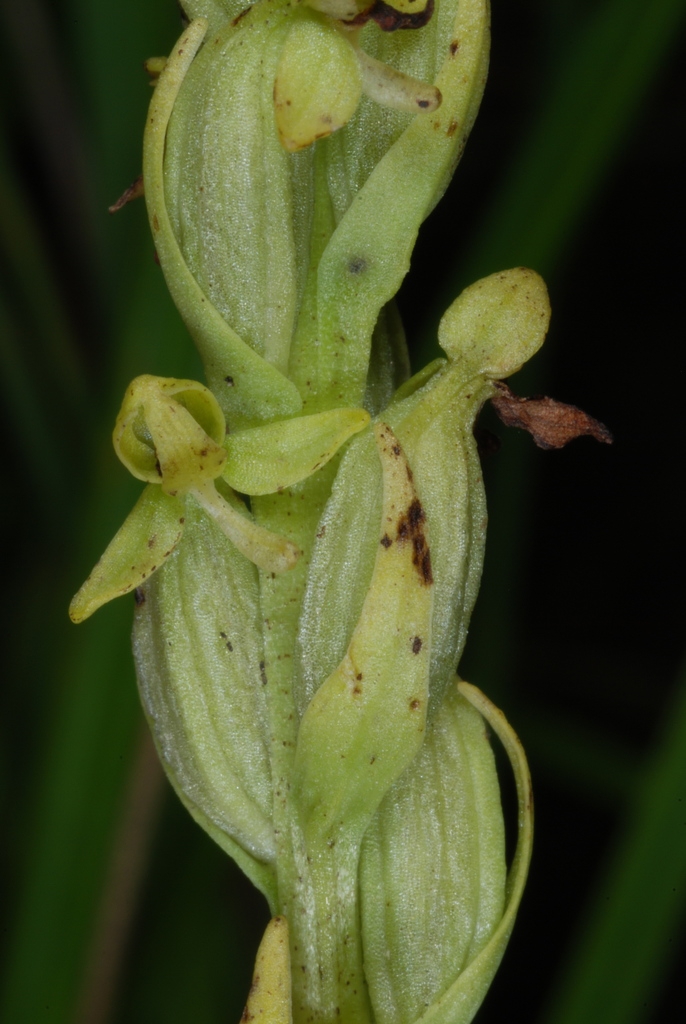
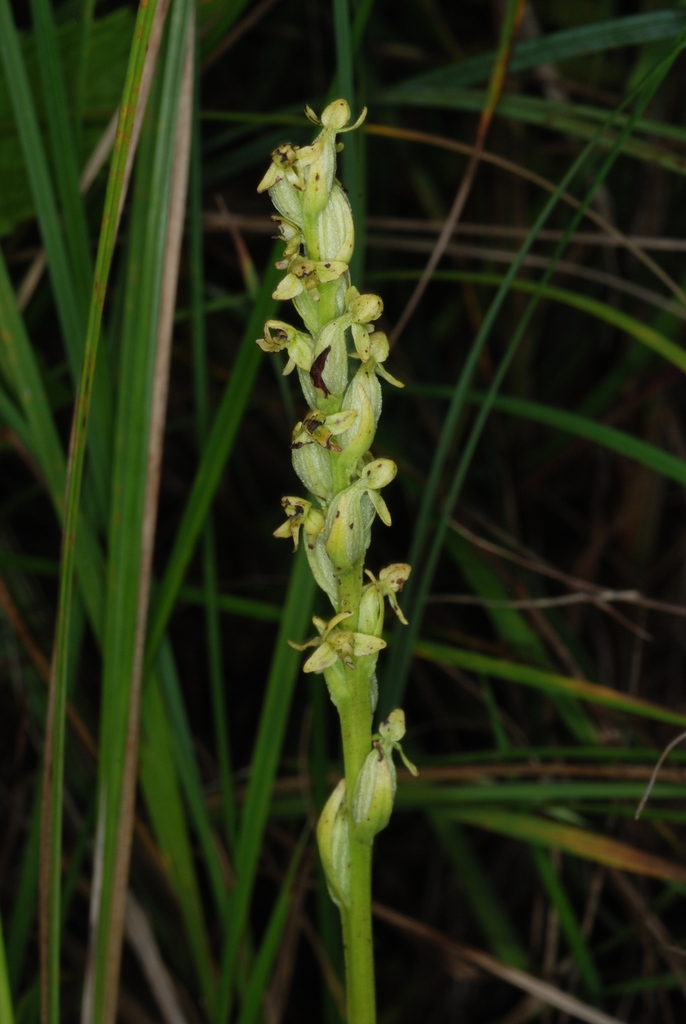
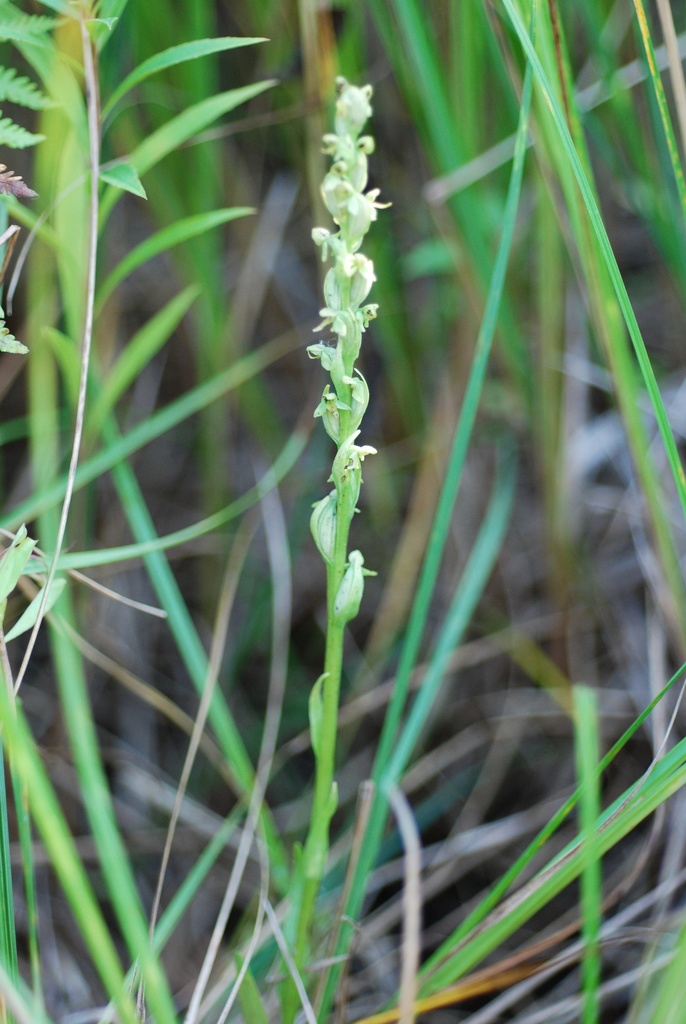
- Flowers are typically an orchid shape and can have fringed lower lips or not. Some have long spurs. The flowers come in various colors. Depending on the species, there may be many flowers or few and often showy.
-
-
Leaves:
- Leaf Color:
- Green
- Leaf Feel:
- Fleshy
- Leaf Type:
- Sheath
- Simple
- Leaf Shape:
- Lanceolate
- Leaf Margin:
- Entire
- Hairs Present:
- No
- Leaf Length:
- > 6 inches
- Leaf Description:
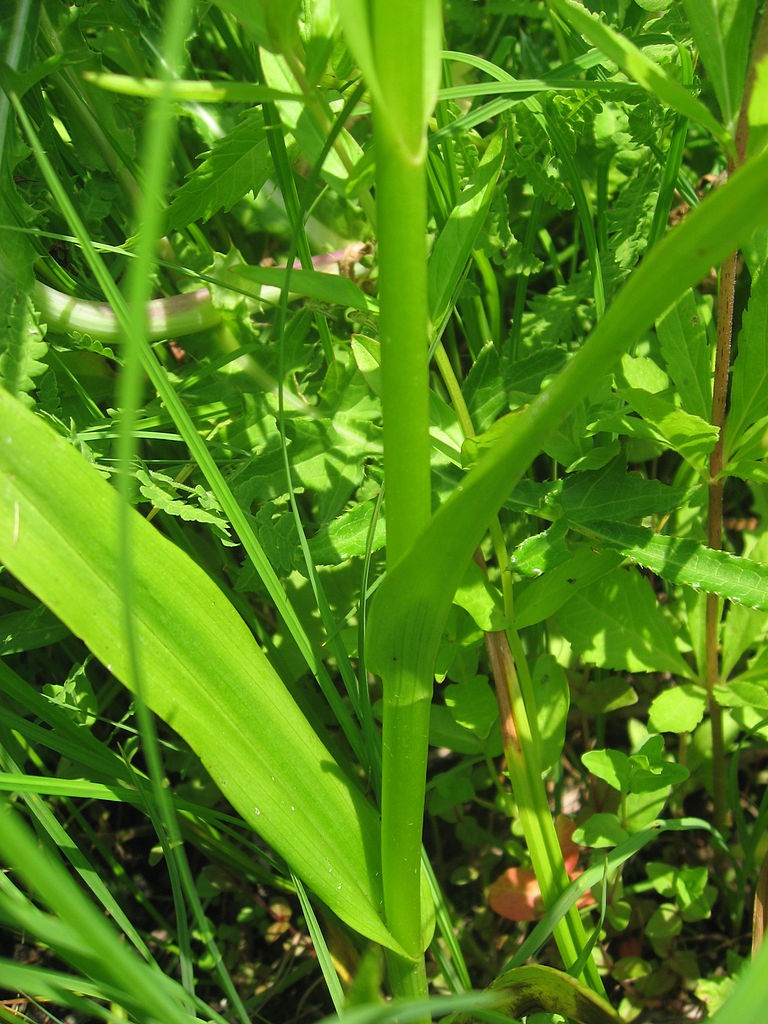
- Lower leaves are lance-shaped while the upper leaves are smaller. Leaves can be strictly basal or gradually reduced to bracts toward the flowers, folded together lengthwise, ascending to spreading. Margins can be entire or sometimes fringed.
-
-
Stem:
- Stem Is Aromatic:
- No
- Stem Cross Section:
- Round
- Stem Form:
- Straight
- Stem Description:
- Stems cab be leafy or leafless, round, and 1 to 2 feet.
-
-
Landscape:
- Landscape Location:
- Container
- Houseplants
- Woodland
- Landscape Theme:
- Native Garden
- Rain Garden
- Design Feature:
- Specimen