



Pinus contorta var. latifolia
Common Name(s):
- Phonetic Spelling
- PY-nus con-TOR-tah var. la-ti-FO-lee-ah
- Description
-
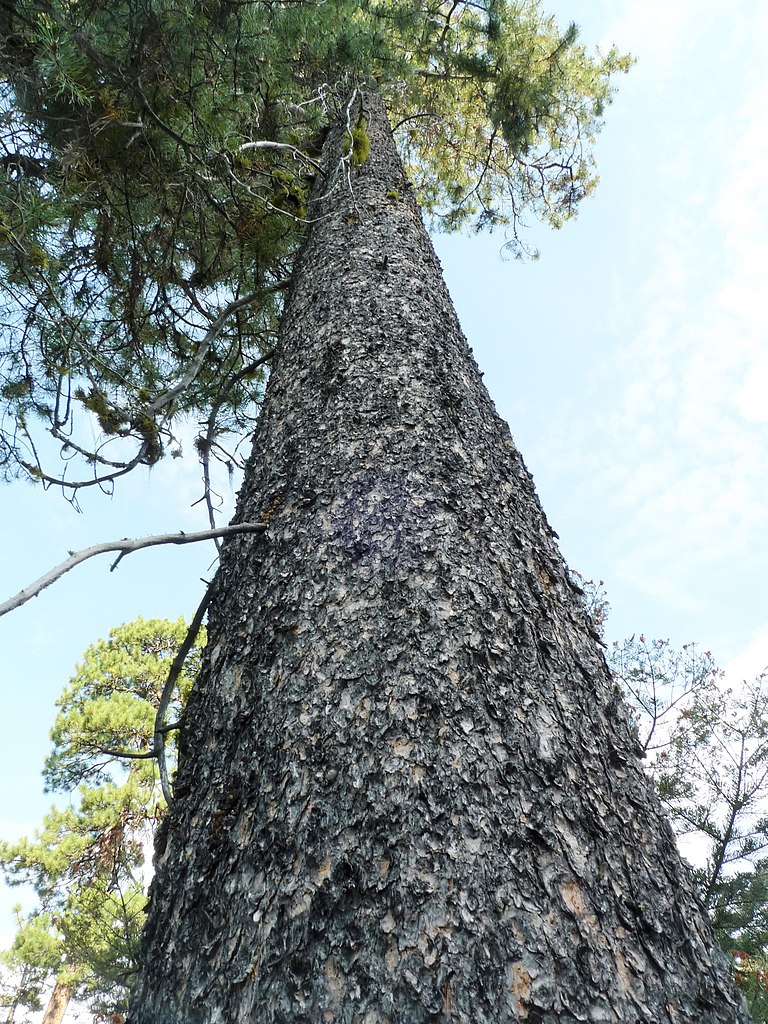
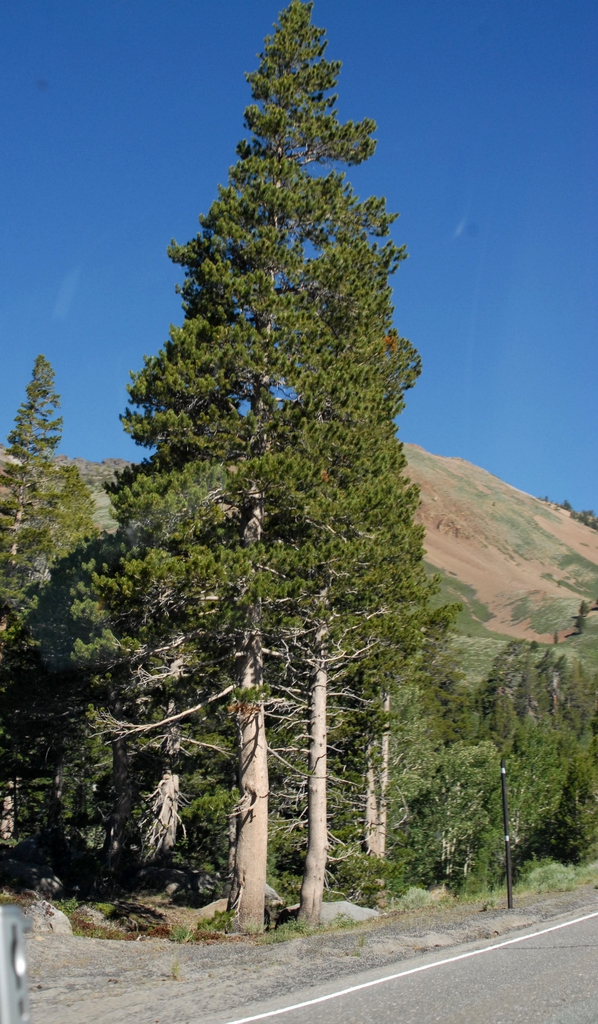
Lodgepole Pine is a tall, narrow, pyramidal to columnar, needled evergreen conifer native to the mountains and forests of the western United States and Canada from Alaska south and east to South Dakota, Utah, and Colorado. At maturity, it can reach a height of 100 feet and a width of 20 feet. The tree is considerably taller than typical P. contorta with a more slender trunk. The tree has thin, scaly bark, long needles, and pine cones that often face outward. The genus name comes from the Latin name for pines. The species name means twisted and refers to the gnarled and crooked shape this species can sometimes take in extremely windy environments. The infraspecific name means "wide leaves" and refers to the width of the foliage compared to other varieties of Pinus contorta.
Lodgepole pine prefers average, occasionally dry, well-draining, loamy soil in full sun. This is a hardy tree that tolerates pollution, occasional drought, and poor soils. It can even be found near bogs and hot geysers. However, it does not tolerate shade or wet soils.
Lodgepole pine is dependent on fire for the release and dispersal of seeds. The heat triggers the pine cones to open and release the enclosed seeds usually after the fire has passed, which contributes to the reforestation of the area.
Insect, Diseases, and Other Plant Problems:
No major insect pests or diseases. This tree is susceptible to wind damage.
- See this plant in the following landscape :
- Cultivars / Varieties:
-
- 'Chief Joseph'
Slow growing, dwarf, yellowish-green to yellow needles, upright but crooked with age.
- 'Chief Joseph'
- 'Chief Joseph'
- Tags:






- Cultivars / Varieties:
-
- 'Chief Joseph'
Slow growing, dwarf, yellowish-green to yellow needles, upright but crooked with age.
- 'Chief Joseph'
- 'Chief Joseph'
- Tags:
-
-
Attributes:
- Genus:
- Pinus
- Species:
- contorta
- Family:
- Pinaceae
- Uses (Ethnobotany):
- Native Americans used the tree for supports for teepees, lodges and other buildings, hence the common name. It remains an important source of construction timber.
- Life Cycle:
- Woody
- Country Or Region Of Origin:
- Western United States and Canada
- Distribution:
- Alaska, south to South Dakota and Utah, west to Washington state. Introduced to Finland, Denmark, and Great Britain.
- Wildlife Value:
- This plant supports Imperial Moth (Eacles imperialis) larvae which have one brood per season and appear from April-October in the south. Adult Imperial Moths do not feed.
-
-
Whole Plant Traits:
- Plant Type:
- Perennial
- Tree
- Woody Plant Leaf Characteristics:
- Needled Evergreen
- Habit/Form:
- Columnar
- Erect
- Pyramidal
- Growth Rate:
- Rapid
- Maintenance:
- Low
- Texture:
- Coarse
- Appendage:
- Prickles
- Spines
- Thorns
-
-
Cultural Conditions:
- Light:
- Full sun (6 or more hours of direct sunlight a day)
- Soil Texture:
- Loam (Silt)
- Soil pH:
- Acid (<6.0)
- Neutral (6.0-8.0)
- Soil Drainage:
- Good Drainage
- Occasionally Dry
- NC Region:
- Mountains
- USDA Plant Hardiness Zone:
- 4a, 4b, 5a, 5b, 6a, 6b, 7a, 7b, 8a, 8b, 9a, 9b
-
-
Fruit:
- Fruit Length:
- 1-3 inches
- Fruit Description:
- A gymnosperm with 1 to 2 inch egg-shaped cones armed with deciduous prickles. The cones are stalkless and frequently point back toward the base of the branch.
-
-
Flowers:
- Flower Color:
- Brown/Copper
- Flower Bloom Time:
- Spring
- Flower Description:
- Cones exhibit color from March to May. Pollen cones are orange-red while seed cones are tan to pale reddish brown.
-
-
Leaves:
- Woody Plant Leaf Characteristics:
- Needled Evergreen
- Leaf Color:
- Gold/Yellow
- Green
- Leaf Value To Gardener:
- Fragrant
- Leaf Type:
- Needles
- Leaf Shape:
- Linear
- Leaf Margin:
- Entire
- Hairs Present:
- No
- Leaf Length:
- 1-3 inches
- Leaf Width:
- < 1 inch
- Leaf Description:
- The 1.5 to 2.5 inches long green to yellow-green needles occur 2 per fascicle and are commonly twisted. They persist 4-8 years with a persistent sheath.
-
-
Bark:
- Bark Color:
- Dark Brown
- Dark Gray
- Red/Burgundy
- Surface/Attachment:
- Scaly
- Bark Description:
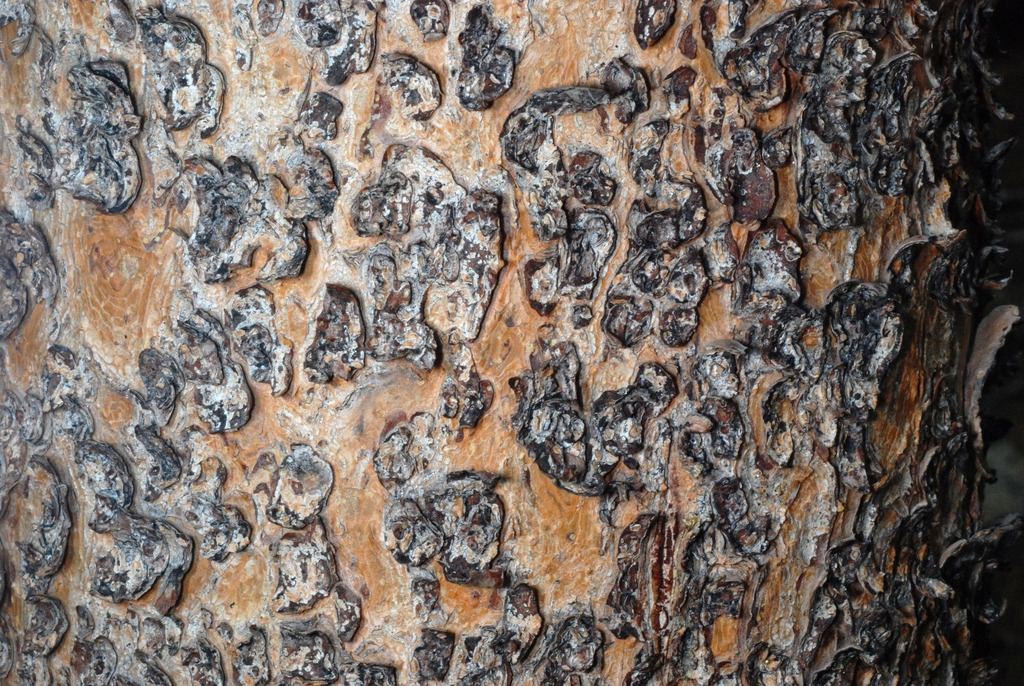
- Dark gray to reddish-brown, thin (1/4 inch), scaly bark in loose plates.
-
-
Stem:
- Stem Is Aromatic:
- No
- Stem Description:
- Open, horizontal branching structure.
-
-
Landscape:
- Landscape Theme:
- Nighttime Garden
- Winter Garden
- Design Feature:
- Accent
- Specimen
- Attracts:
- Butterflies
- Moths
- Small Mammals
- Songbirds
- Resistance To Challenges:
- Drought
- Dry Soil



