



Split Leaf Philodendron Philodendron bipinnatifidum
Other Common Name(s):
Previously known as:
- Philodendron selloanum
- Thaumatophyllum bipinnatifidum
- Phonetic Spelling
- fil-oh-DEN-dron bi-pin-nah-TI-fI-dum
- This plant has low severity poison characteristics.
- See below
- Description
-
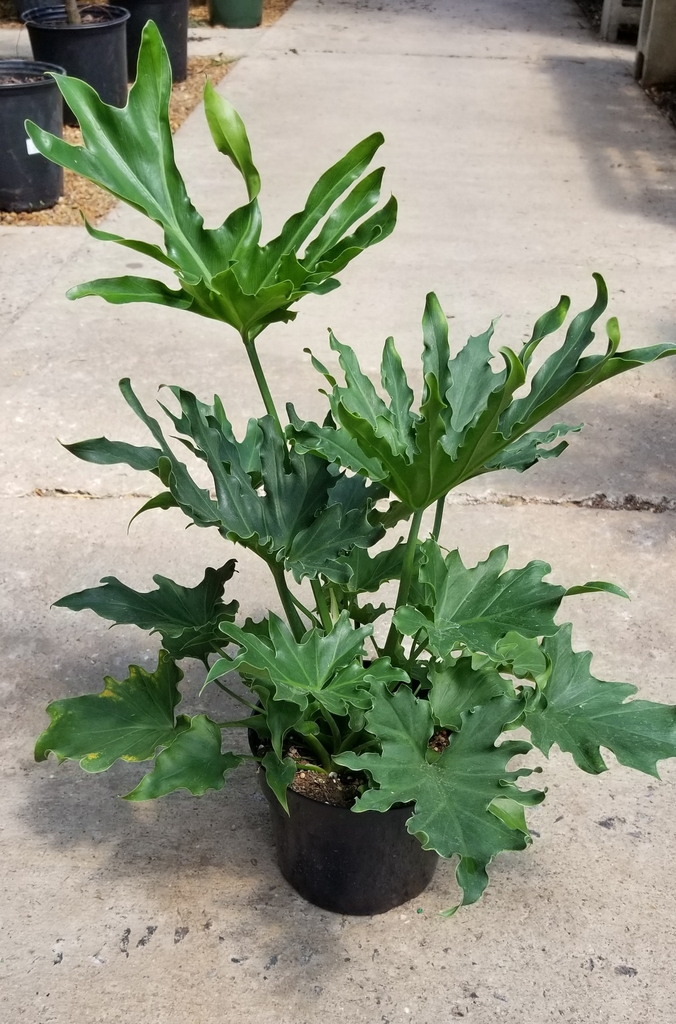
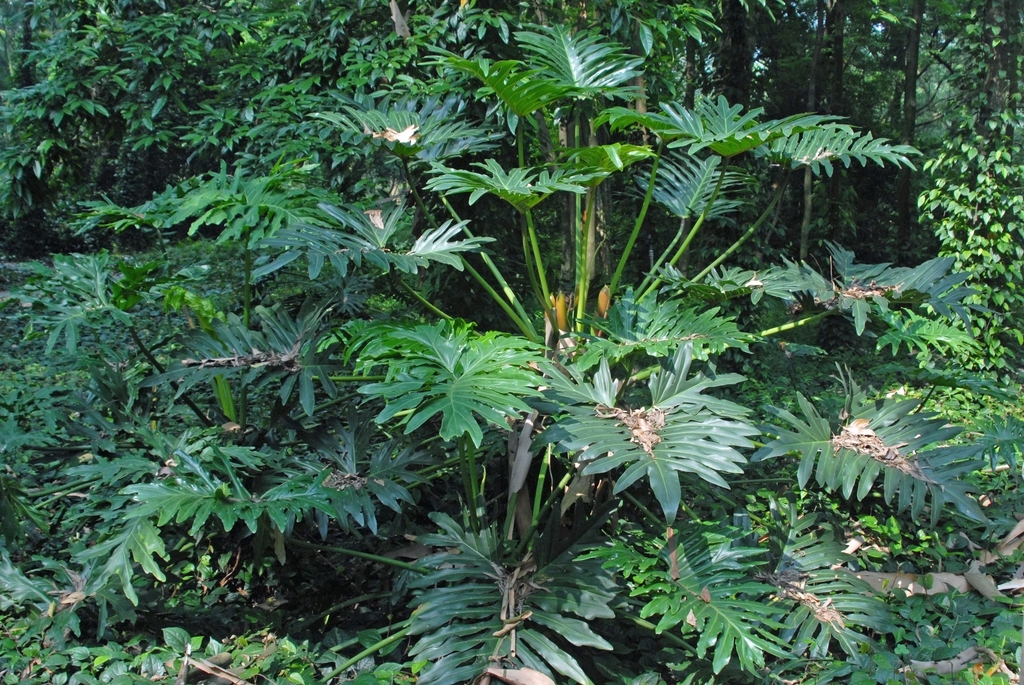
Tree philodendron, a member of the arum family (Araceae) is an upright, perennial, woody, broadleaf evergreen shrub in its South American native habitats, but it is grown as a houseplant in most of North Carolina. It can grow 4 to 10 feet tall and 6 to 10 feet wide and reclines or creeps with age. It will climb with adventitious roots if given support and send down aerial roots from the trunk to further support its large size. The specific epithet, bipinnatifidum, references the pinnatifid leaves (lobes with sinuses that are halfway or more into the main leaf).
Grow this plant in moist, well-drained soil high in organic matter. It prefers high light and moderate humidity but tolerates low light conditions. It does not tolerate salt buildup, so flush soil regularly, allow it to get rained on, or use distilled water for irrigation. It can produce aerial roots that absorb water and nutrients.
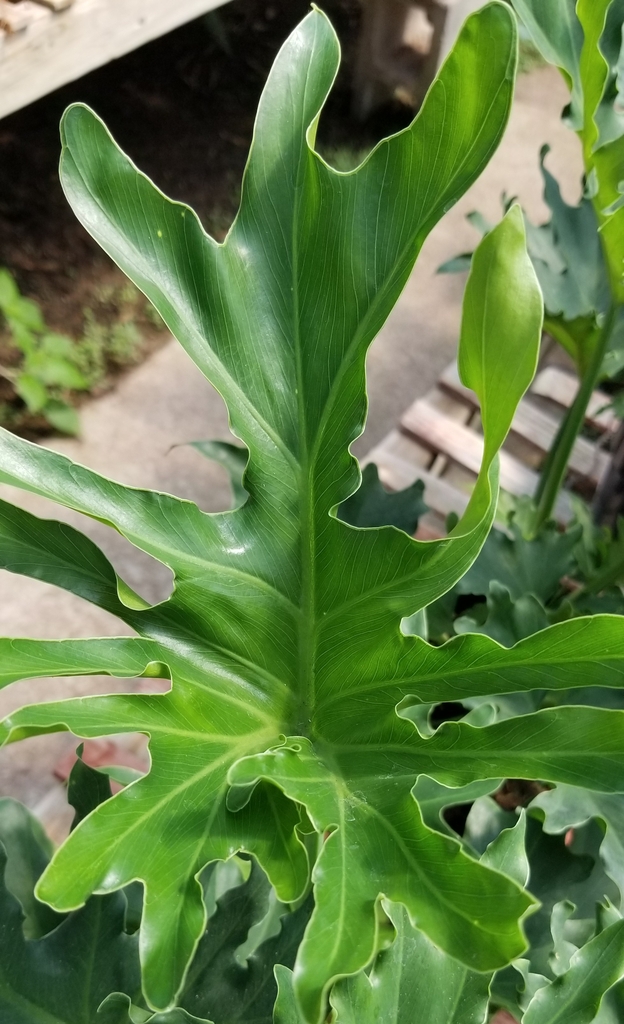
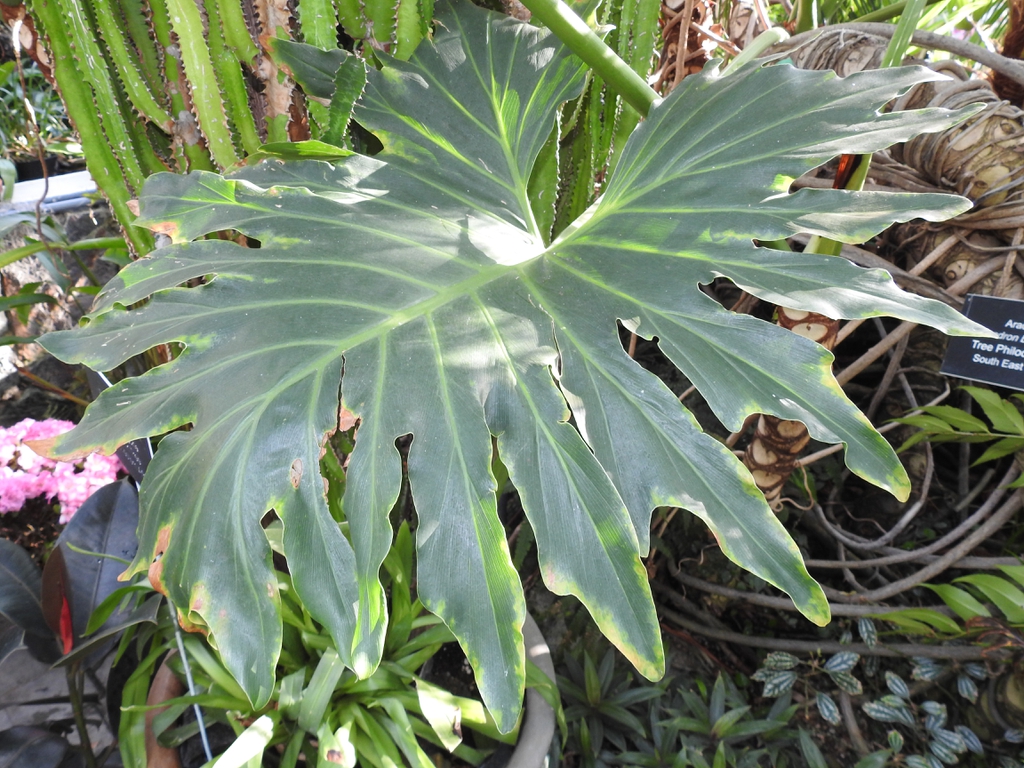
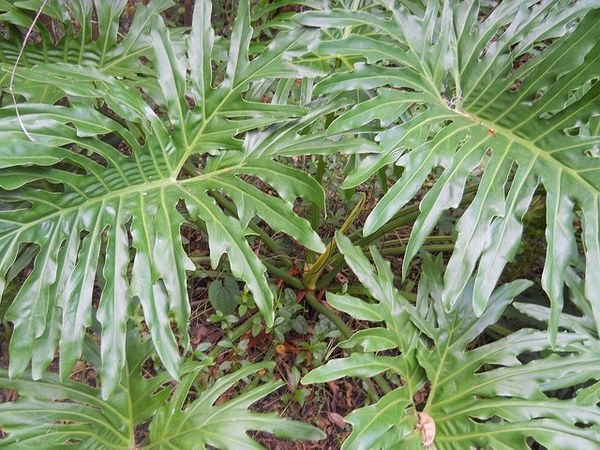
Tree philodendron is desired for its large, glossy, lobed green leaves. Low light and over-watering will cause leaves to be smaller with fewer or no lobes. It rarely blooms as a houseplant.
It is used as an indoor shrub specimen or in a container outside in warm weather and moved indoors when temperatures dip below 60 degrees F. It may become too large for smaller homes.
Quick ID Hints:
- Leaves are gigantic, glossy and heart-shaped.
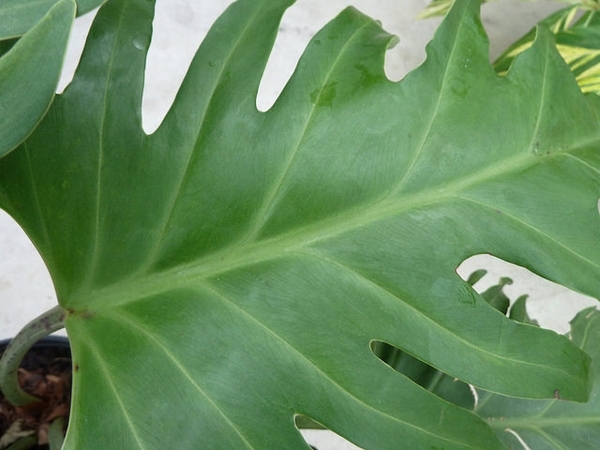
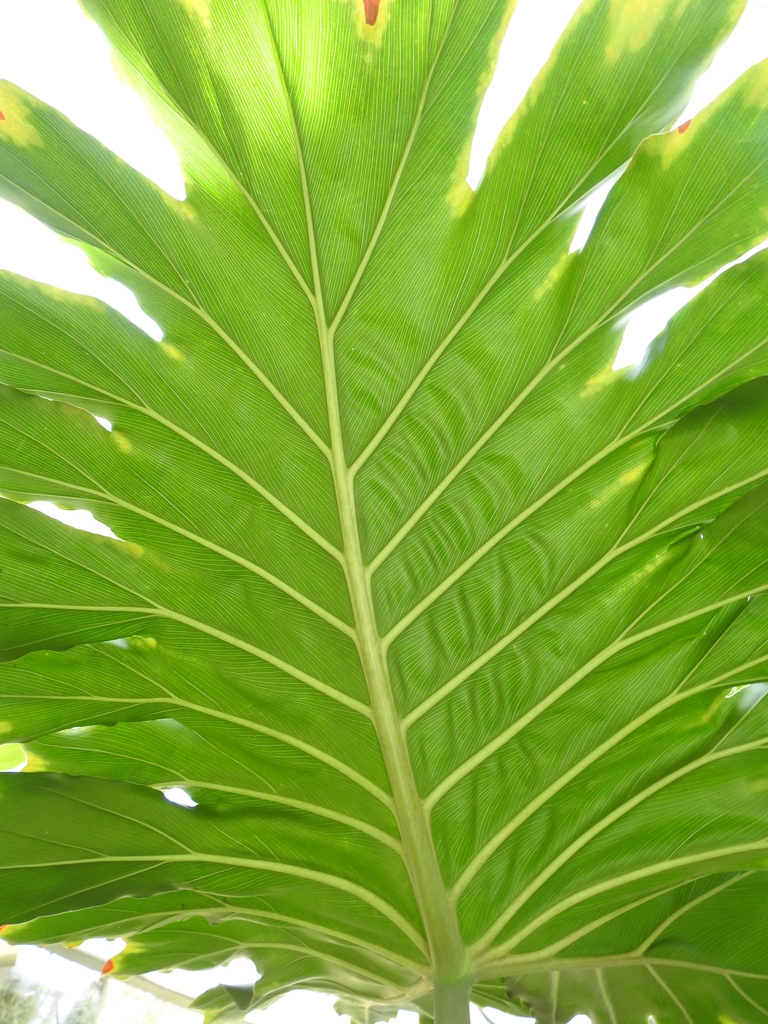
- Leaves are deeply lobed and have long petioles.
- The stem is short, and the sheathing stipule-like structures are large.
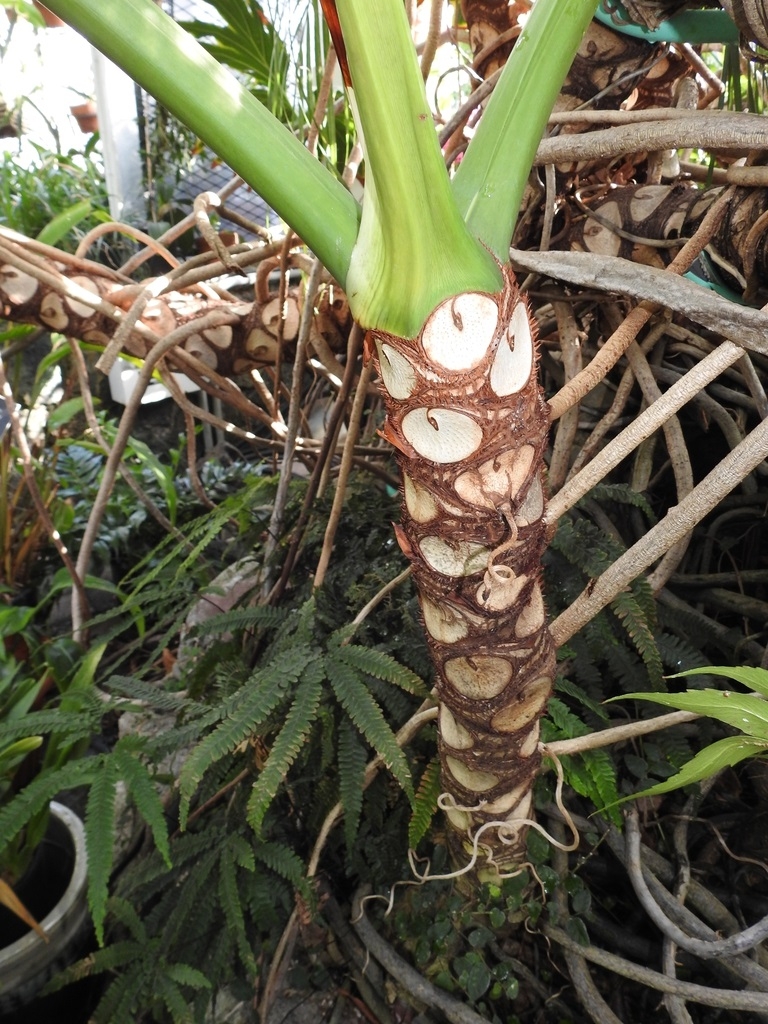
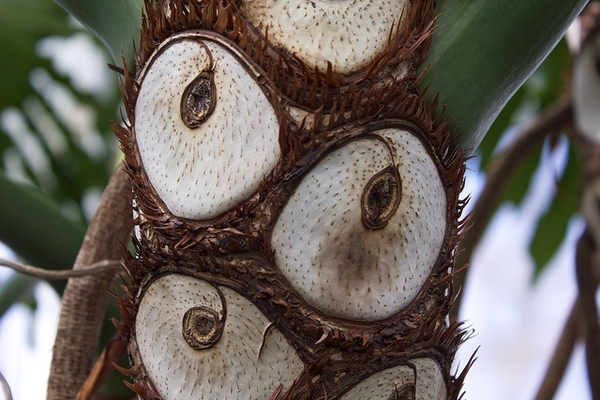
- The stem bears distinctive leaf scars surrounded by stiff scales.
Insects, Diseases and Other Plant Problems: Aphids, mealybugs, scales, banded greenhouse thrips and spider mites are occasional problems. Root rot can occur in overly damp soil though they do not tolerate drought and full sun can cause leaf scorch.
- See this plant in the following landscape :
- Cultivars / Varieties:
-
- Tags:


- Cultivars / Varieties:
-
- Tags:
-
-
Attributes:
- Genus:
- Philodendron
- Species:
- bipinnatifidum
- Family:
- Araceae
- Life Cycle:
- Perennial
- Woody
- Country Or Region Of Origin:
- E. Bolivia to SE. & S. Brazil and NE. Argentina
- Dimensions:
- Height: 4 ft. 0 in. - 10 ft. 0 in.
- Width: 6 ft. 0 in. - 10 ft. 0 in.
-
-
Whole Plant Traits:
- Plant Type:
- Houseplant
- Perennial
- Poisonous
- Shrub
- Woody Plant Leaf Characteristics:
- Broadleaf Evergreen
- Habit/Form:
- Ascending
- Erect
- Growth Rate:
- Medium
- Maintenance:
- Low
- Texture:
- Coarse
-
-
Cultural Conditions:
- Light:
- Dappled Sunlight (Shade through upper canopy all day)
- Partial Shade (Direct sunlight only part of the day, 2-6 hours)
- Soil Texture:
- High Organic Matter
- Soil Drainage:
- Good Drainage
- Available Space To Plant:
- 6-feet-12 feet
- 12-24 feet
- USDA Plant Hardiness Zone:
- 9a, 9b, 10a, 10b, 11a, 11b
-
-
Fruit:
- Fruit Color:
- Orange
- Red/Burgundy
- White
- Fruit Type:
- Berry
- Fruit Description:
- Fruits are a berry that is white to orange or red in color.
-
-
Flowers:
- Flower Color:
- Purple/Lavender
- Red/Burgundy
- White
- Flower Inflorescence:
- Spadix
- Flower Shape:
- Funnel
- Flower Description:
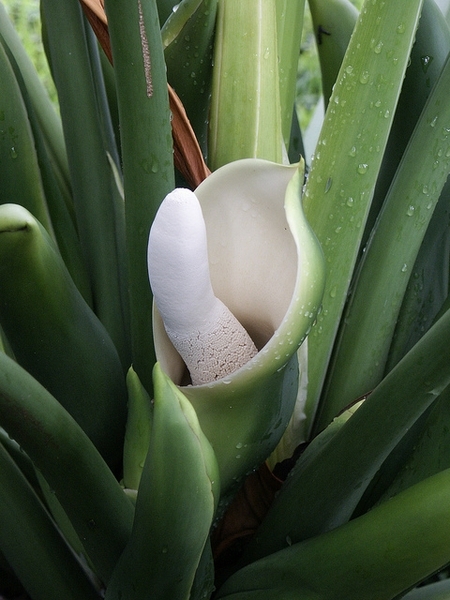
- Seasonal bloomer with white flowers with no petals arise on a spadix that is enclosed with a red-purple spathe. Flowers are unusual on indoor plants. Spadix is shorter than or equal to the spathe. The spathe forms a tube around the spadix and expands above the spadix to a hood. They are greenish-yellow in color. It can take 10-15 years for a plant to bloom indoors.
-
-
Leaves:
- Woody Plant Leaf Characteristics:
- Broadleaf Evergreen
- Leaf Color:
- Green
- Leaf Feel:
- Glossy
- Leathery
- Leaf Value To Gardener:
- Showy
- Leaf Type:
- Simple
- Leaf Arrangement:
- Alternate
- Leaf Shape:
- Pinnatifid
- Leaf Margin:
- Entire
- Undulate
- Hairs Present:
- No
- Leaf Length:
- > 6 inches
- Leaf Width:
- > 6 inches
- Leaf Description:
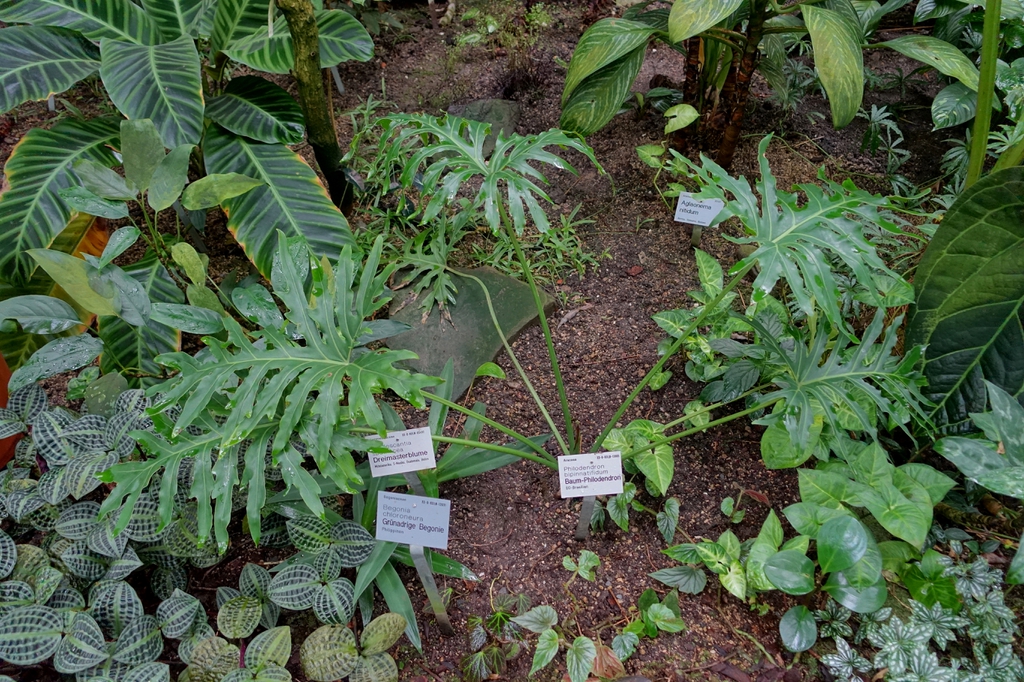
- The glossy, leathery leaves are shiny, dark green, simple, large, deeply lobed, and attached to long, smooth petioles. They can be up to 4 feet long. Margins are wavy or entire. Stipules are large, free, and lanceolate.
-
-
Stem:
- Stem Color:
- Green
- Stem Is Aromatic:
- No
- Stem Description:
- Stems are stout, green, and have prominent leaf scars and adventitious roots.
-
-
Landscape:
- Landscape Location:
- Container
- Houseplants
- Design Feature:
- Specimen
- Problems:
- Contact Dermatitis
- Poisonous to Humans
- Problem for Cats
- Problem for Children
- Problem for Dogs
-
-
Poisonous to Humans:
- Poison Severity:
- Low
- Poison Symptoms:
- If ingested, oral irritation, pain and swelling of mouth, tongue, and lips, excessive drooling, vomiting (not horses), and difficulty swallowing. The sap can cause skin irritation.
- Poison Toxic Principle:
- Calcium oxalate crystals
- Causes Contact Dermatitis:
- Yes
- Poison Part:
- Bark
- Flowers
- Fruits
- Leaves
- Roots
- Sap/Juice
- Seeds
- Stems



