


Phaseolus lunatus
Common Name(s):
- Phonetic Spelling
- faz-ee-OH-lus LOO-nah-tus
- This plant has high severity poison characteristics.
- See below
- Description
-
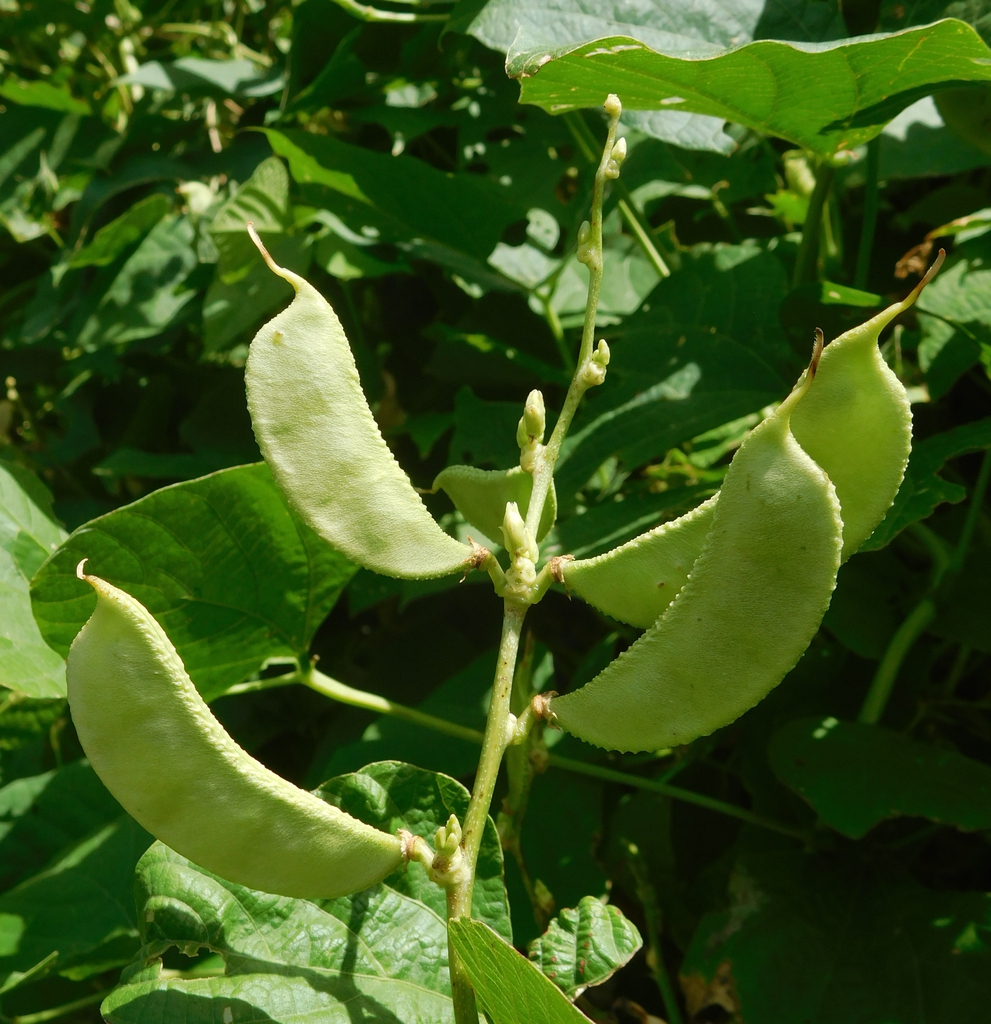
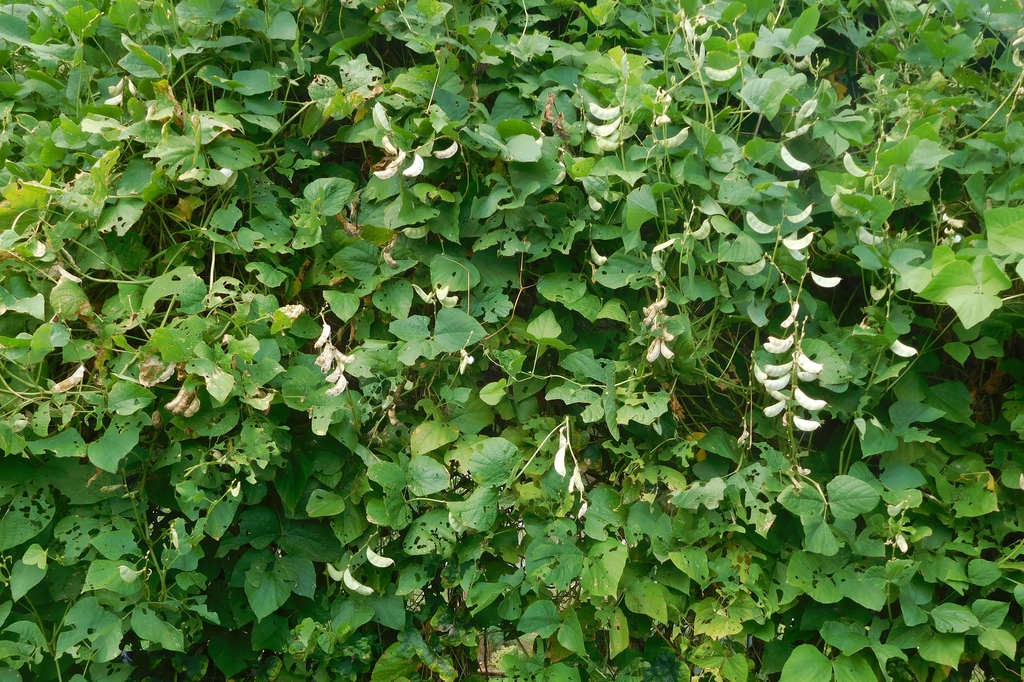
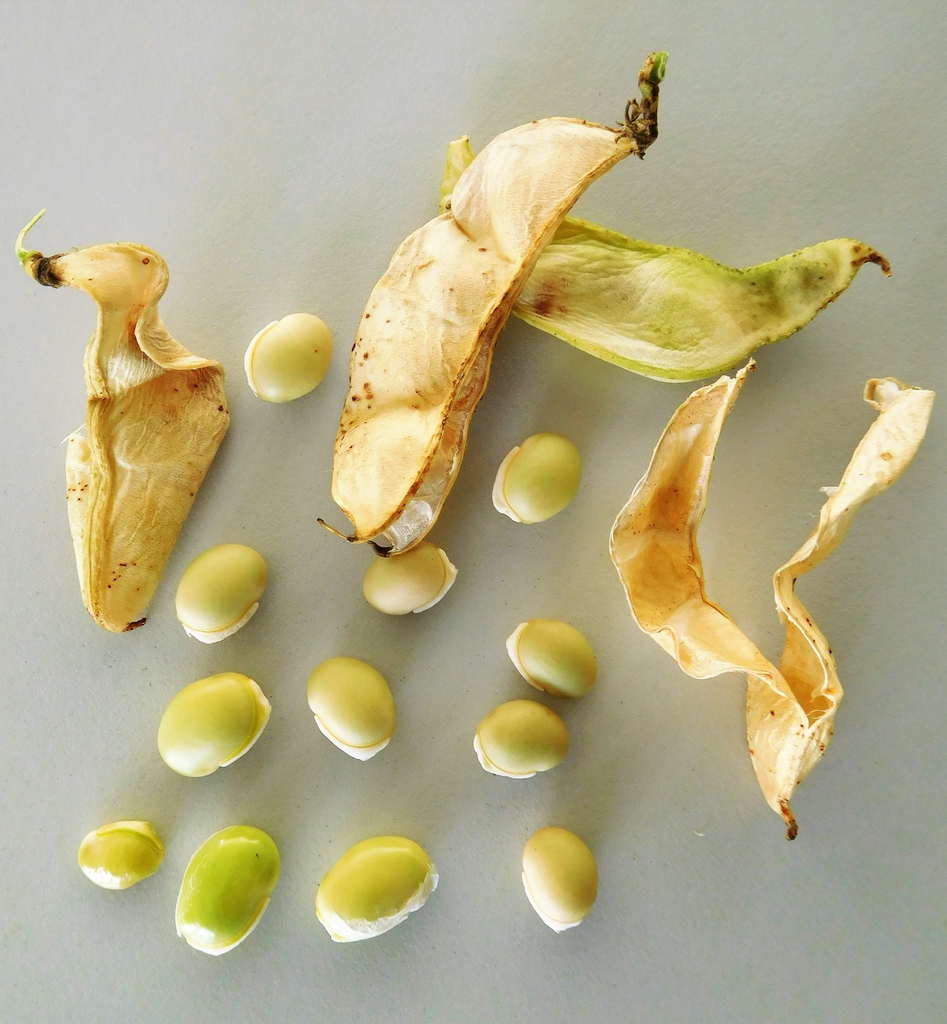
Lima Beans are an annual or perennial, flowering plant, in the bean family, producing edible beans. It is typically grown as a scrambling vine, but bush cultivars are available. The bush cultivars mature earlier than the pole cultivars. It is native to Mexico and northern states in South America, where it is often grown as a perennial. However, it is frost tender and grown as an annual in cooler climates. It produces plump, colored beans that can be distinguished from the common lima bean or navy bean by the distinct lines radiating from the scar at the center of the inner curved side.
Lima Beans do best in consistently moist, organically rich, well drained soil sited in full sun. It does not do well in the shade. It can grow in nutritionally poor soils. Sow seeds outdoors after the danger of frost has passed. You can start Lima Beans in pots 4 to 6 weeks before last frost and then plant outside. However, it is more typical to plant seeds outdoors at the last frost date in spring.
Plant the seeds in rows and, if grown as a vine, provide poles or other support for the plant to climb on. Bean production may lag in hot summer temperatures. Pick beans when ripe to encourage new flowers. This plant can become weedy.
Click here to see a calendar of planting schedules, time-to-harvest, and recommended spacing.
Diseases, Insect Pests, and Other Plant Problems:
Can be susceptible to mosaic viral disease, bacterial blight, anthracnose, powdery mildew and white mold. Mexican bean beetles and Japanese beetles can attack the foliage. Until established, growing plants may need some protection from slugs.
- See this plant in the following landscape :
- Cultivars / Varieties:
-
- 'Big 6'
Vine type. - 'Christmas'
Vine type. - 'Dixie Butterpea'
Bush type. Red speckled and white seeded. - 'Eastland'
Bush type. - 'Fordhook'
Bush type. - 'Henderson'
Bush type. - 'Jackson Wonder'
Bush type. Seeds brown mottled with purple. - 'Mezcla'
Vine type. - 'Willow Leaf'
Vine type.
- 'Big 6'
- 'Big 6', 'Christmas', 'Dixie Butterpea', 'Eastland', 'Fordhook', 'Henderson', 'Jackson Wonder', 'Mezcla', 'Willow Leaf'
- Tags:





- Cultivars / Varieties:
-
- 'Big 6'
Vine type. - 'Christmas'
Vine type. - 'Dixie Butterpea'
Bush type. Red speckled and white seeded. - 'Eastland'
Bush type. - 'Fordhook'
Bush type. - 'Henderson'
Bush type. - 'Jackson Wonder'
Bush type. Seeds brown mottled with purple. - 'Mezcla'
Vine type. - 'Willow Leaf'
Vine type.
- 'Big 6'
- 'Big 6', 'Christmas', 'Dixie Butterpea', 'Eastland', 'Fordhook', 'Henderson', 'Jackson Wonder', 'Mezcla', 'Willow Leaf'
- Tags:
-
-
Attributes:
- Genus:
- Phaseolus
- Species:
- lunatus
- Family:
- Fabaceae
- Life Cycle:
- Annual
- Perennial
- Recommended Propagation Strategy:
- Seed
- Country Or Region Of Origin:
- Mexico south to Peru
- Distribution:
- Introduced throughout South America, Cuba, Central Africa, India, and Southeast Asia.
- Climbing Method:
- Twining
- Edibility:
- Immature seed can be cooked and used like peas in soups, stews. Mature seed should be soaked for 12 hours and thoroughly cooked before being eaten.
-
-
Whole Plant Traits:
- Plant Type:
- Annual
- Edible
- Poisonous
- Shrub
- Vegetable
- Vine
- Woody Plant Leaf Characteristics:
- Deciduous
- Habit/Form:
- Climbing
- Creeping
- Spreading
- Growth Rate:
- Rapid
- Maintenance:
- Medium
- Texture:
- Coarse
- Appendage:
- Tendrils
-
-
Cultural Conditions:
- Light:
- Full sun (6 or more hours of direct sunlight a day)
- Soil Texture:
- Clay
- High Organic Matter
- Loam (Silt)
- Soil pH:
- Neutral (6.0-8.0)
- Soil Drainage:
- Good Drainage
- Moist
- USDA Plant Hardiness Zone:
- 10a, 10b, 11a, 11b, 12a, 12b
-
-
Fruit:
- Fruit Type:
- Legume
- Fruit Length:
- > 3 inches
- Fruit Description:
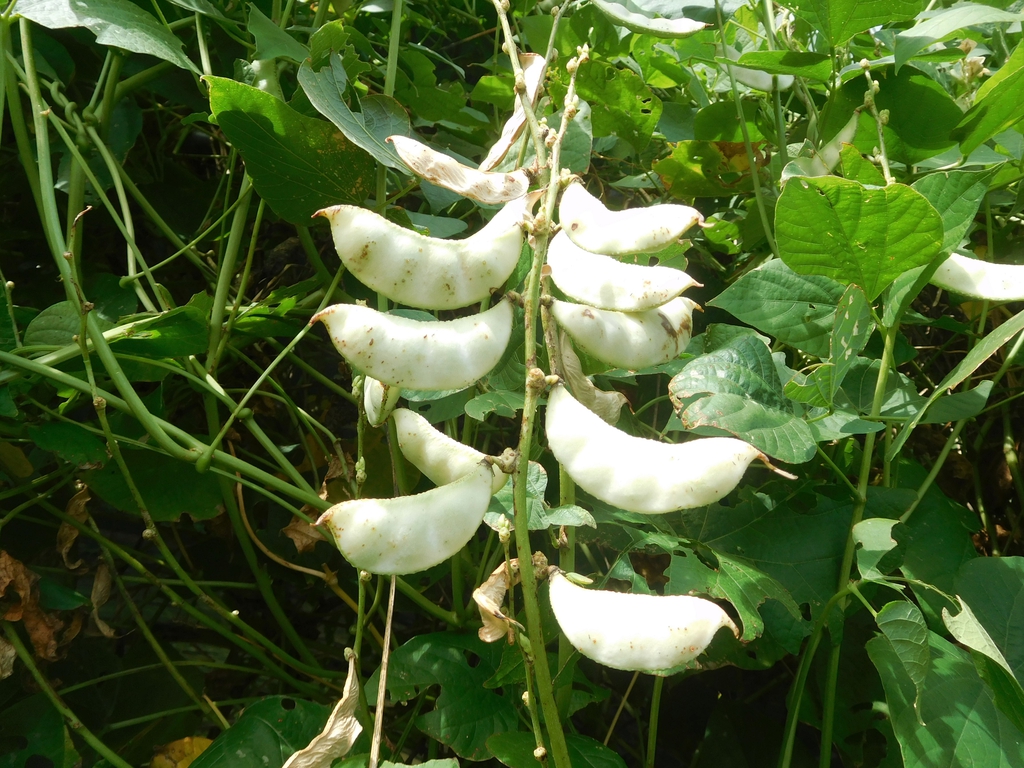
- The pods are up to 6 inches long containing seeds an inch long and oval to kidney-shaped.
-
-
Flowers:
- Flower Bloom Time:
- Fall
- Summer
- Flower Description:
- Blossoms from July into September.
-
-
Leaves:
- Woody Plant Leaf Characteristics:
- Deciduous
- Leaf Color:
- Green
- Leaf Shape:
- Ovate
- Hairs Present:
- No
-
-
Stem:
- Stem Is Aromatic:
- No
-
-
Landscape:
- Landscape Location:
- Vertical Spaces
- Landscape Theme:
- Edible Garden
- Problems:
- Poisonous to Humans
-
-
Poisonous to Humans:
- Poison Severity:
- High
- Poison Symptoms:
- Toxic, may be fatal if eaten raw. The raw mature seed is poisonous. The toxic principle is hydrocyanic acid and this is destroyed by thoroughly cooking the seed.
- Poison Toxic Principle:
- hydrocyanic acid
- Causes Contact Dermatitis:
- No
- Poison Part:
- Roots
- Seeds