


Lupinus villosus
Common Name(s):
- Phonetic Spelling
- loo-PIE-nus vil-OH-sus
- This plant has low severity poison characteristics.
- See below
- Description
-
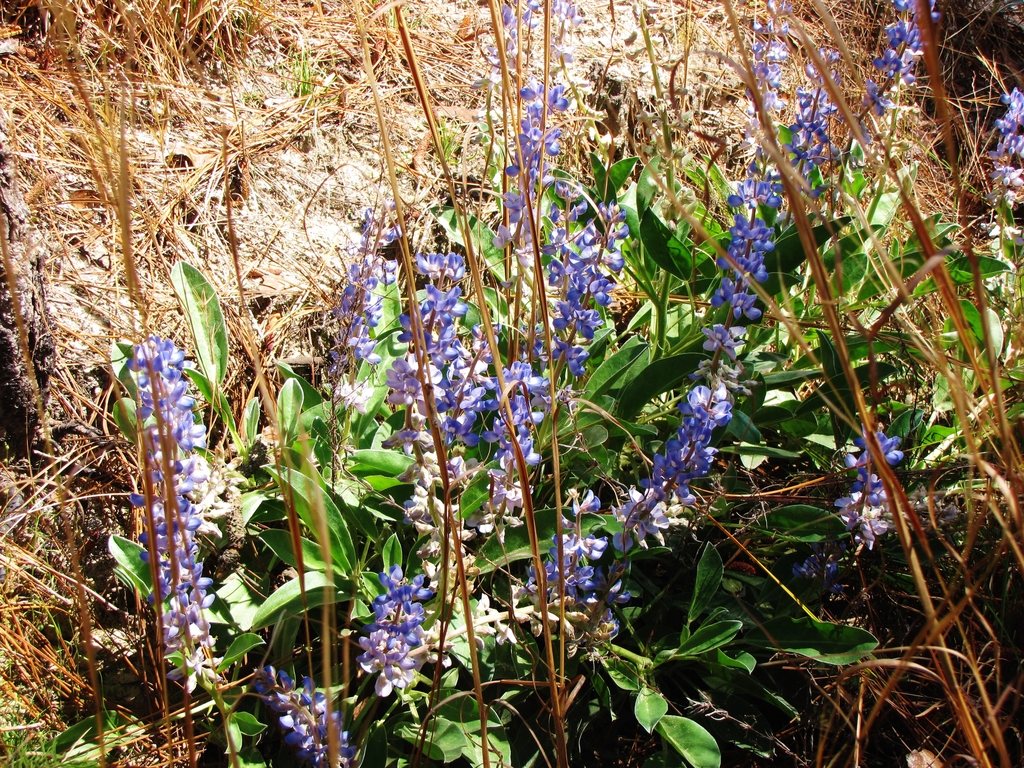
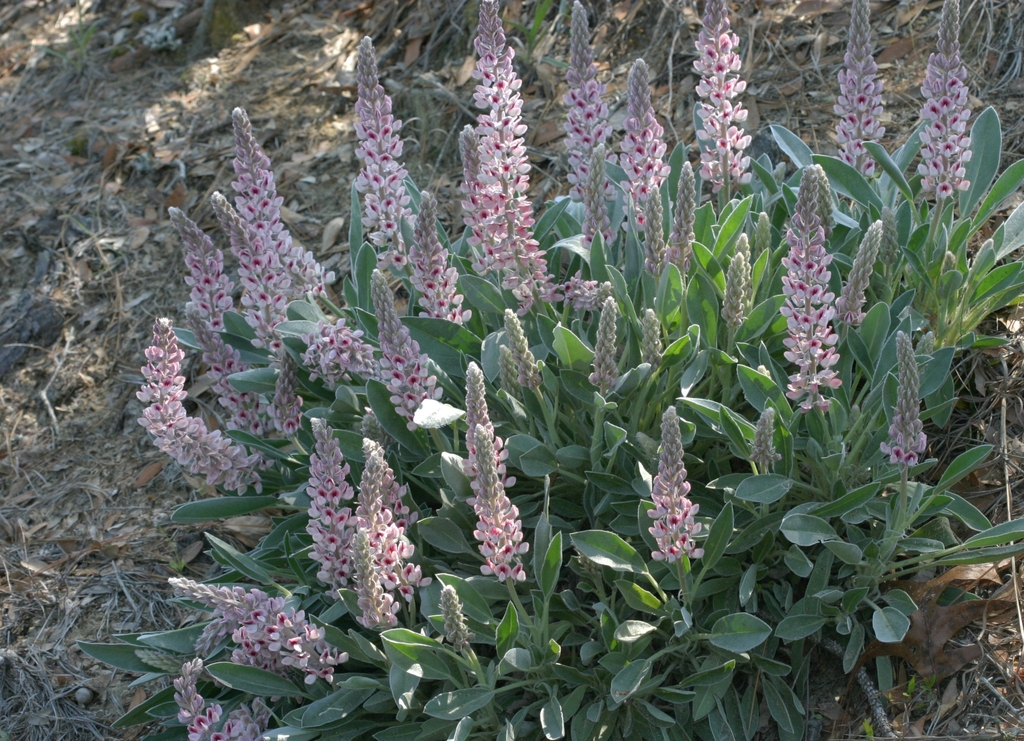
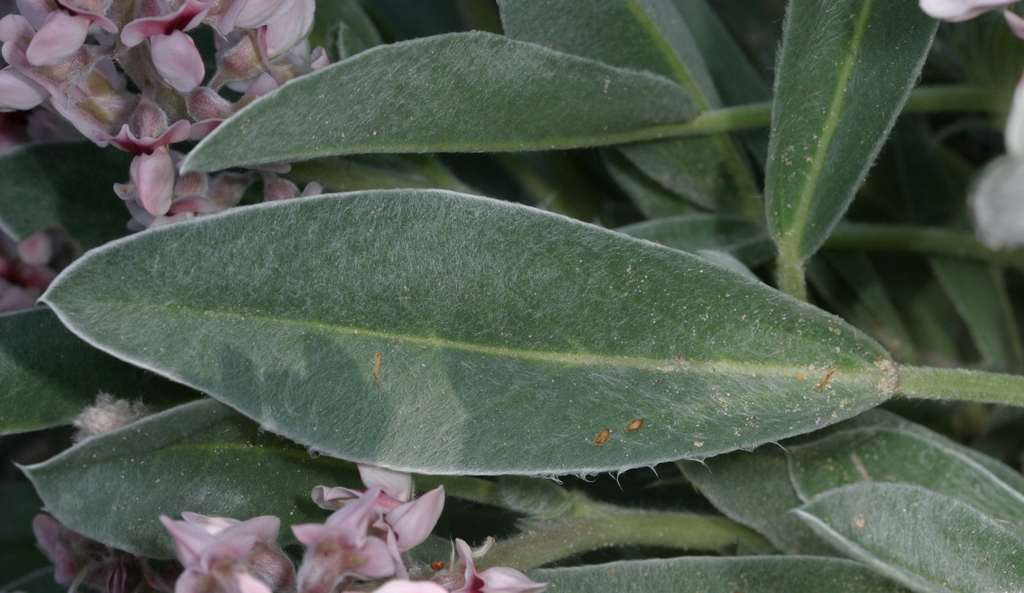
Lady Lupine is an herbaceous perennial wildflower in the bean family found only in extremely well-drained sandy habitats, most commonly in open sandhills in the southeastern United States. It is difficult to grow commercially due to its deep taproot and its dislike of being moved. Lady Lupine is an ornamental plant with lovely pea-like blue flowers in early spring with hairy velvety leaves. This lupine blooms profusely the third year of life with spikes of lovely blooms; however, the plants rarely live a forth year.
Lady Lupine does best in sandy, slightly acidic, dry, well-drained soils in full sun. While full sun encourages the best flowering, the plants appreciate some light afternoon shade in hot summer areas. Plants grow well in the cool summers, but in the heat and humidity of USDA Zones 7 through 9, it may be best to grow them as annuals. It can be a finicky plant to grow, but full sun and well-drained sandy soil are essential.
The native southern lupines are becoming endangered in some areas and have been declining over the past several decades. According to the North Carolina Native Plant Society, Lady Lupine plants are limited to just 5 to 10 sites now and it is listed as a significantly rare species. It is best to admire this plant in its native habitat and help preserve that habitat.
Diseases, Insect Pests, and Other Plant Problems:
Powdery mildew can be a problem, but good air circulation helps.
- See this plant in the following landscape :
- Cultivars / Varieties:
-
- Tags:



- Cultivars / Varieties:
-
- Tags:
-
-
Attributes:
- Genus:
- Lupinus
- Species:
- villosus
- Family:
- Fabaceae
- Life Cycle:
- Annual
- Perennial
- Recommended Propagation Strategy:
- Seed
- Country Or Region Of Origin:
- Southeastern North America
- Distribution:
- North Carolina south to Florida and west to Louisiana.
- Wildlife Value:
- Attracts hummingbirds and butterflies. Of special interest to bumble bees.
- Edibility:
- Eating the seeds can cause distress.
-
-
Whole Plant Traits:
- Plant Type:
- Herbaceous Perennial
- Native Plant
- Poisonous
- Wildflower
- Woody Plant Leaf Characteristics:
- Deciduous
- Habit/Form:
- Erect
- Growth Rate:
- Medium
- Maintenance:
- Medium
-
-
Cultural Conditions:
- Light:
- Full sun (6 or more hours of direct sunlight a day)
- Partial Shade (Direct sunlight only part of the day, 2-6 hours)
- Soil Texture:
- Sand
- Soil Drainage:
- Good Drainage
- Very Dry
- Available Space To Plant:
- Less than 12 inches
- NC Region:
- Coastal
- USDA Plant Hardiness Zone:
- 8a, 8b, 9a, 9b, 10a, 10b
-
-
Fruit:
- Fruit Type:
- Legume
- Fruit Description:
- The fruit is an elongated, flattened pod. Displays from June to August.
-
-
Flowers:
- Flower Color:
- Blue
- Purple/Lavender
- Red/Burgundy
- Flower Inflorescence:
- Raceme
- Spike
- Flower Value To Gardener:
- Showy
- Flower Bloom Time:
- Spring
- Summer
- Flower Shape:
- Lipped
- Flower Petals:
- 2-3 rays/petals
- Flower Description:
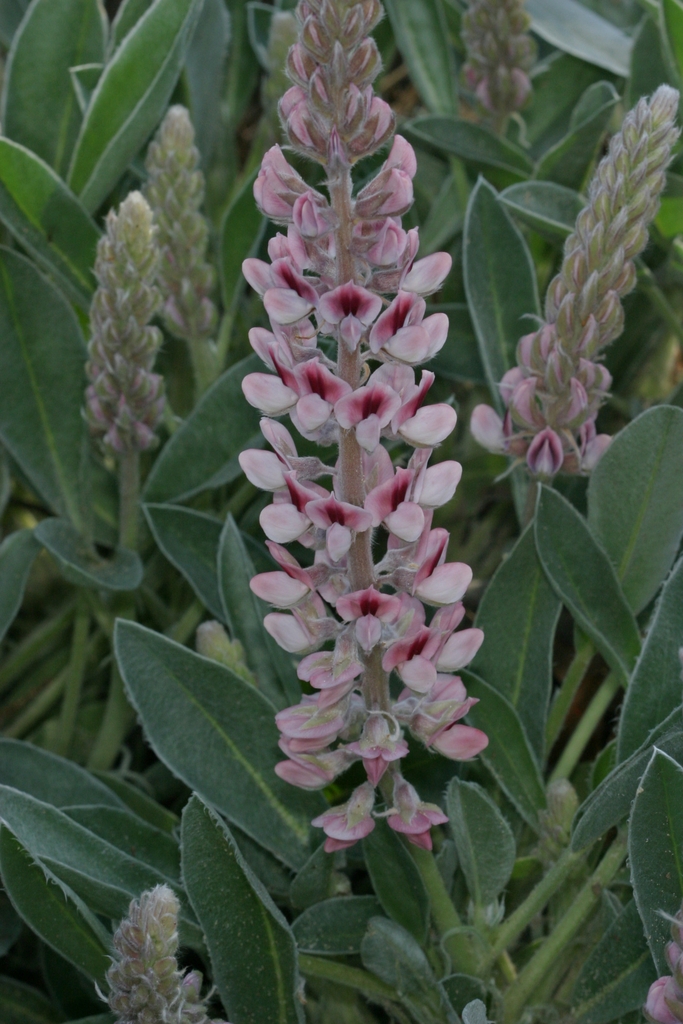
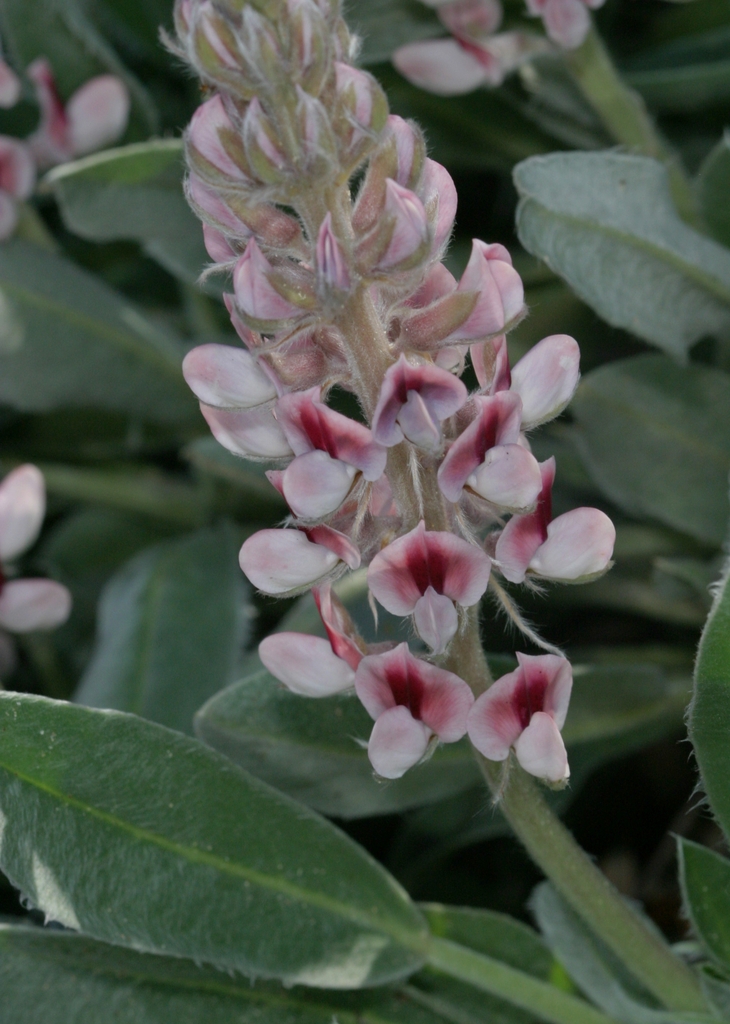
- The pea-like blooms are lavender-blue with a reddish-purple spot on the upper petal. The 2 lower petals are fused. They are borne on 4-7 inch spikes in terminal clusters. Blooms from April to May.
-
-
Leaves:
- Woody Plant Leaf Characteristics:
- Deciduous
- Leaf Color:
- Green
- Leaf Feel:
- Soft
- Leaf Type:
- Simple
- Leaf Arrangement:
- Alternate
- Leaf Shape:
- Elliptical
- Leaf Margin:
- Entire
- Hairs Present:
- Yes
- Leaf Length:
- 3-6 inches
- Leaf Description:
- 2 to 6 inch hairy elliptical leaves that are held upward.
-
-
Stem:
- Stem Is Aromatic:
- No
-
-
Landscape:
- Landscape Location:
- Coastal
- Landscape Theme:
- Butterfly Garden
- Drought Tolerant Garden
- Native Garden
- Pollinator Garden
- Design Feature:
- Accent
- Attracts:
- Bees
- Butterflies
- Hummingbirds
- Pollinators
- Small Mammals
- Songbirds
- Resistance To Challenges:
- Drought
- Heat
- Humidity
- Poor Soil