


Florida Rosemary Ceratiola ericoides
Other Common Name(s):
- Phonetic Spelling
- ser-ah-tee-OH-lah er-ik-OY-dees
- Description
-
Sandhill rosemary is an evergreen shrub in the heather family (Ericaceae) and is the only species in this genus. It is native to the southeast coastal states from South Carolina to Florida and west to Mississippi. It is found in extremely dry sandhills and sand ridges along with sand pine and evergreen scrub oaks.
The shrub grows 4 to 8 feet tall and wide in sandy, well-drained, dry soils in full sun. Propagation is by seed or stem cuttings.
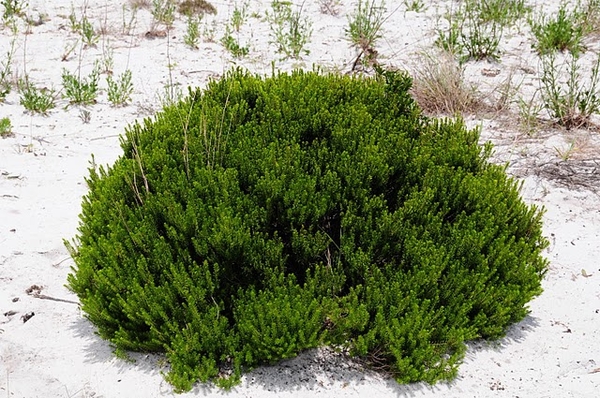
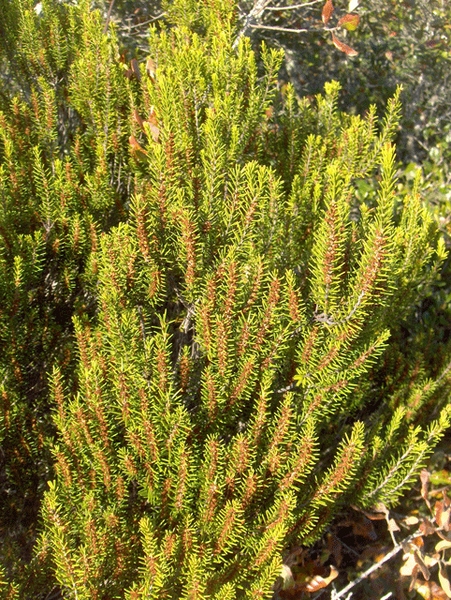
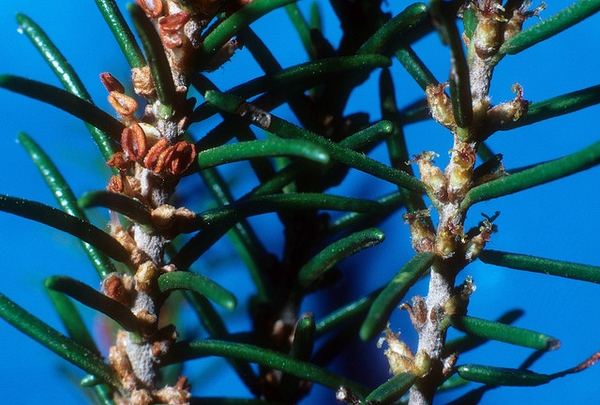
Sandhill rosemary grows in a dense, rounded form with evergreen needle-like leaves that smell like rosemary when crushed. In early spring to early summer small yellow to brown flowers appear in the leaf axils and may continue sporadically throughout the summer. The female shrubs produce a small, round, yellow-green fruit that benefits wildlife.
This plant is used in naturalized areas of sand dunes and habitat restoration. It can also be used in coastal gardens, naturalized areas and winter gardens.
Insects, Diseases, and Other Plant Problems: No significant problems.
- See this plant in the following landscape :
- Cultivars / Varieties:
-
- Tags:


- Cultivars / Varieties:
-
- Tags:
-
-
Attributes:
- Genus:
- Ceratiola
- Species:
- ericoides
- Family:
- Ericaceae
- Life Cycle:
- Perennial
- Woody
- Recommended Propagation Strategy:
- Seed
- Stem Cutting
- Country Or Region Of Origin:
- South Eastern U.S.A
- Distribution:
- AL , FL , GA , MS , SC
- Wildlife Value:
- The fruits are eaten by ants, mice and certain birds. It provides nesting habitats for birds.
- Dimensions:
- Height: 4 ft. 0 in. - 8 ft. 0 in.
- Width: 4 ft. 0 in. - 8 ft. 0 in.
-
-
Whole Plant Traits:
- Plant Type:
- Perennial
- Shrub
- Woody Plant Leaf Characteristics:
- Broadleaf Evergreen
- Habit/Form:
- Dense
- Erect
- Rounded
- Growth Rate:
- Slow
- Maintenance:
- Low
-
-
Cultural Conditions:
- Light:
- Full sun (6 or more hours of direct sunlight a day)
- Partial Shade (Direct sunlight only part of the day, 2-6 hours)
- Soil Texture:
- Sand
- Soil pH:
- Acid (<6.0)
- Neutral (6.0-8.0)
- Soil Drainage:
- Good Drainage
- Very Dry
- Available Space To Plant:
- 3 feet-6 feet
- 6-feet-12 feet
- NC Region:
- Coastal
- USDA Plant Hardiness Zone:
- 8a, 8b, 9a, 9b, 10a, 10b
-
-
Fruit:
- Fruit Color:
- Gold/Yellow
- Green
- Display/Harvest Time:
- Winter
- Fruit Type:
- Drupe
- Fruit Length:
- < 1 inch
- Fruit Width:
- < 1 inch
- Fruit Description:
- Tiny (3mm), round, fleshy yellow-green fruit has two seeds on female plants in the winter.
-
-
Flowers:
- Flower Color:
- Brown/Copper
- Gold/Yellow
- Flower Inflorescence:
- Insignificant
- Flower Bloom Time:
- Fall
- Spring
- Summer
- Flower Size:
- < 1 inch
- Flower Description:
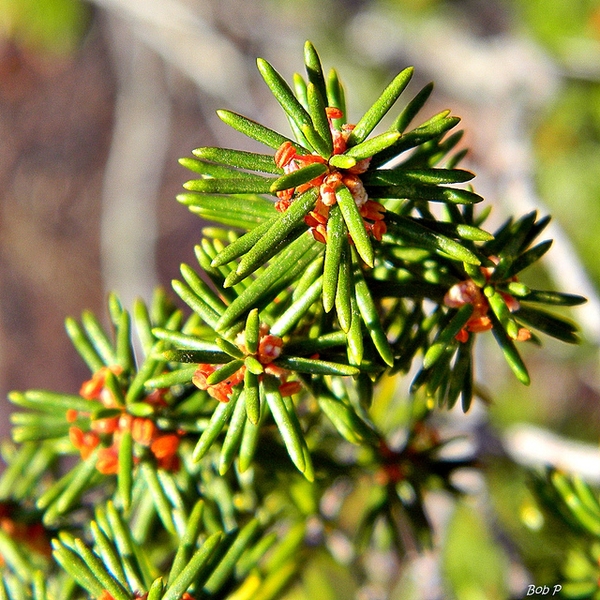
- Separate male and female flowers are small, papery, yellow to brown, and clustered in the leaf axil. Bloom time is early spring to early summer with possible sporadic blooms throughout summer.
-
-
Leaves:
- Woody Plant Leaf Characteristics:
- Broadleaf Evergreen
- Leaf Color:
- Green
- Leaf Value To Gardener:
- Fragrant
- Leaf Type:
- Needles
- Simple
- Leaf Arrangement:
- Alternate
- Whorled
- Leaf Shape:
- Linear
- Leaf Margin:
- Entire
- Hairs Present:
- No
- Leaf Length:
- < 1 inch
- Leaf Width:
- < 1 inch
- Leaf Description:
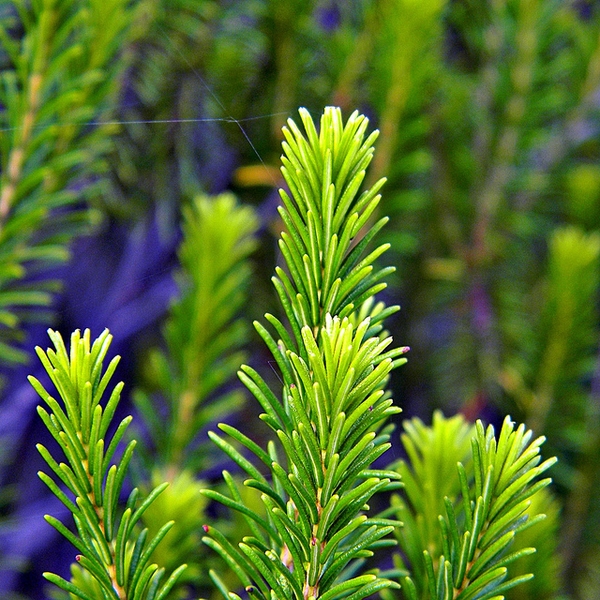
- This plant has 5/8 inch, needle-like leaves in pairs set at right angles to each other and appear to be in whorls of 4 or 6 needles when viewed from the end of the twig. The foliage has a fragrance of rosemary.
-
-
Bark:
- Bark Color:
- Dark Gray
- Light Gray
- Surface/Attachment:
- Shredding
- Bark Description:
- Gray shredding bark
-
-
Stem:
- Stem Color:
- Gray/Silver
- Stem Is Aromatic:
- No
- Stem Form:
- Straight
- Stem Surface:
- Hairy (pubescent)
- Stem Description:
- Young twigs have dense hairs. Older branches are gray, having rough leaf scars and shredding bark.
-
-
Landscape:
- Landscape Location:
- Coastal
- Naturalized Area
- Landscape Theme:
- Winter Garden
- Attracts:
- Small Mammals
- Songbirds
- Resistance To Challenges:
- Deer
- Diseases
- Drought
- Dry Soil
- Humidity
- Poor Soil