


Cedrus atlantica 'Glauca Pendula'
Common Name(s):
Previously known as:
- Cedrus libani 'Glauca Pendula'
- Cedrus libani subsp. atlantica 'Glauca Pendula'
- Phonetic Spelling
- SAY-drus at-LAN-ti-kah
- Description
-
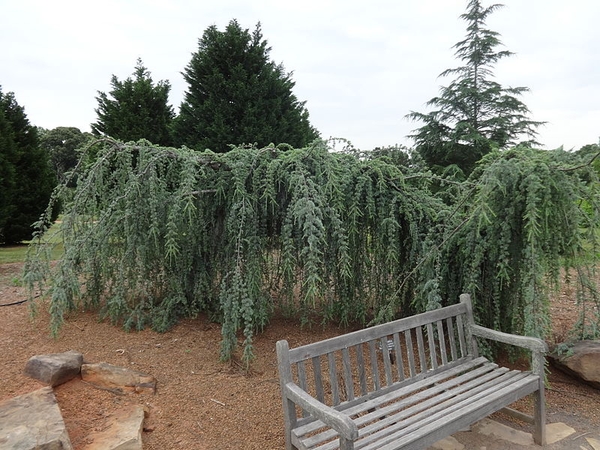
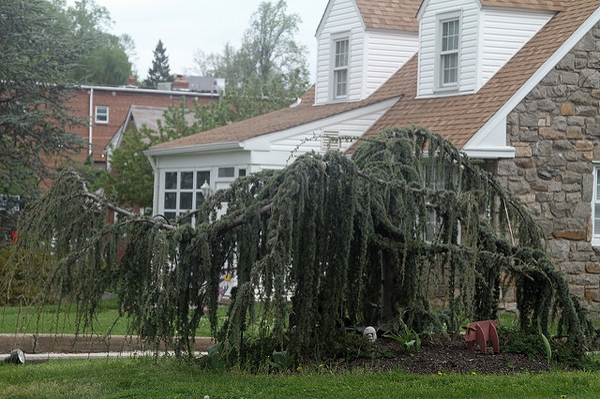
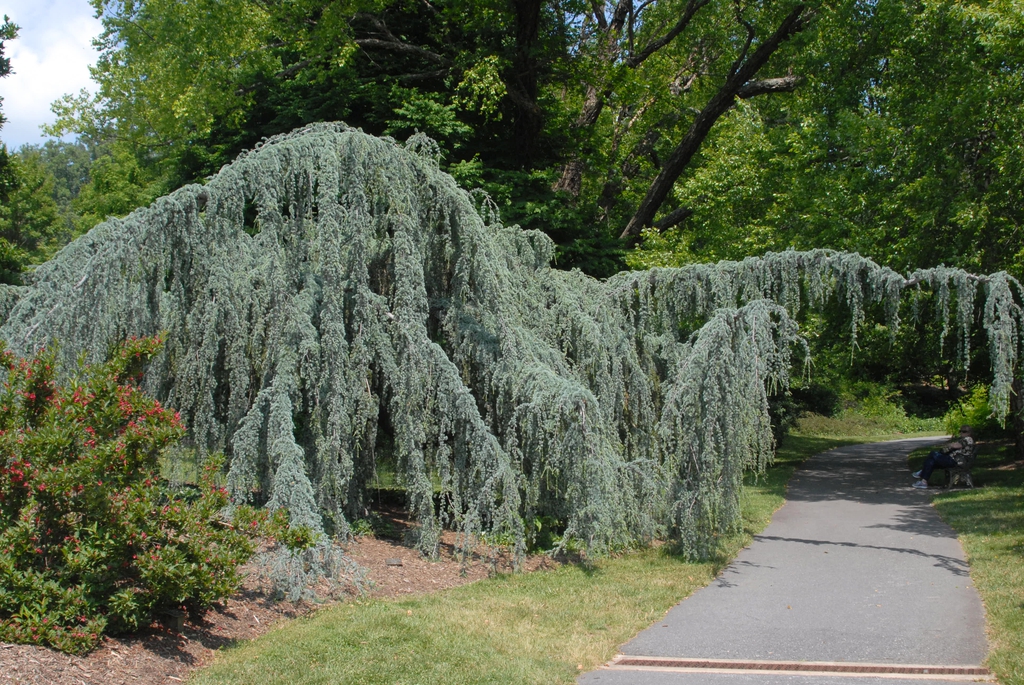
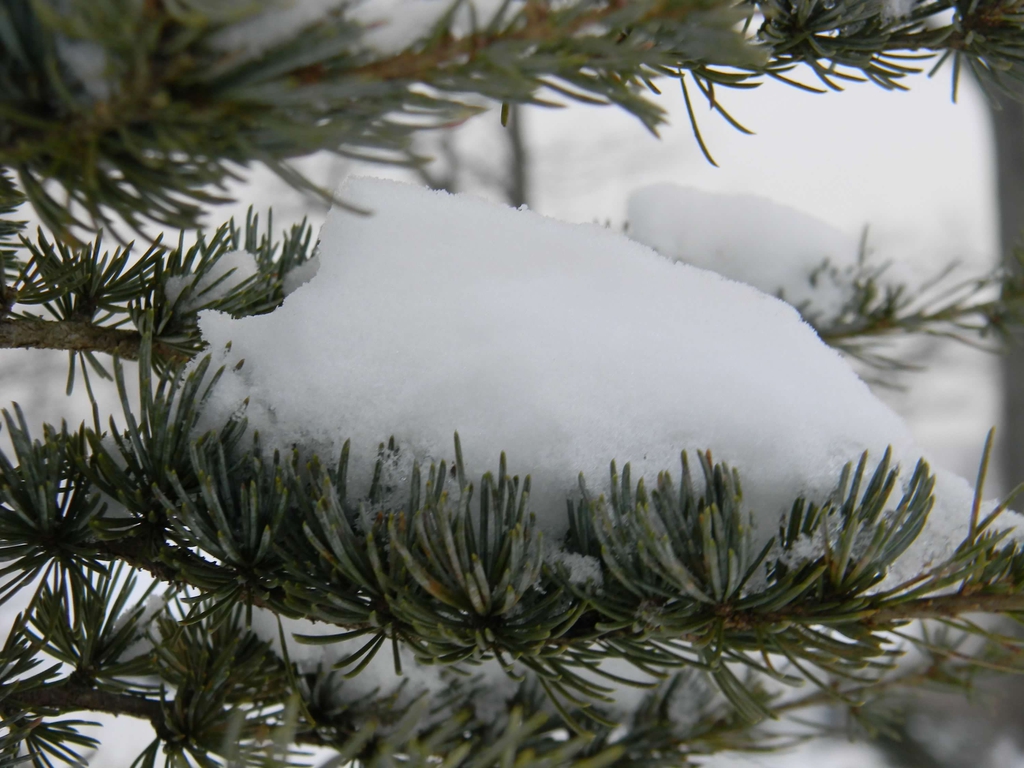
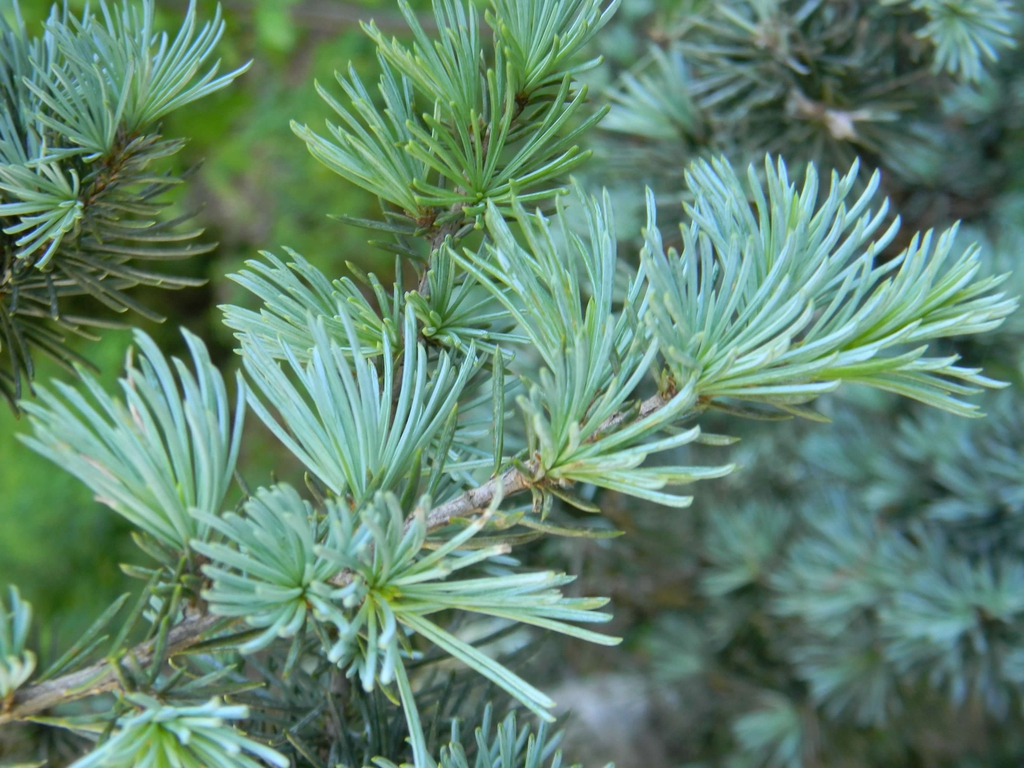
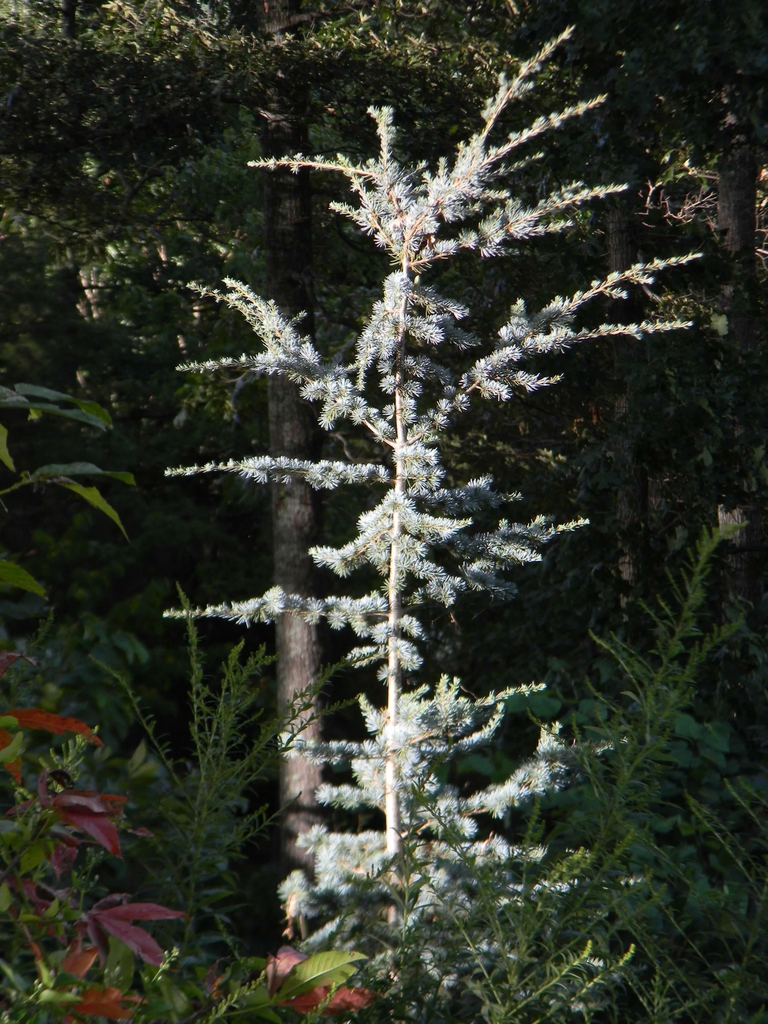
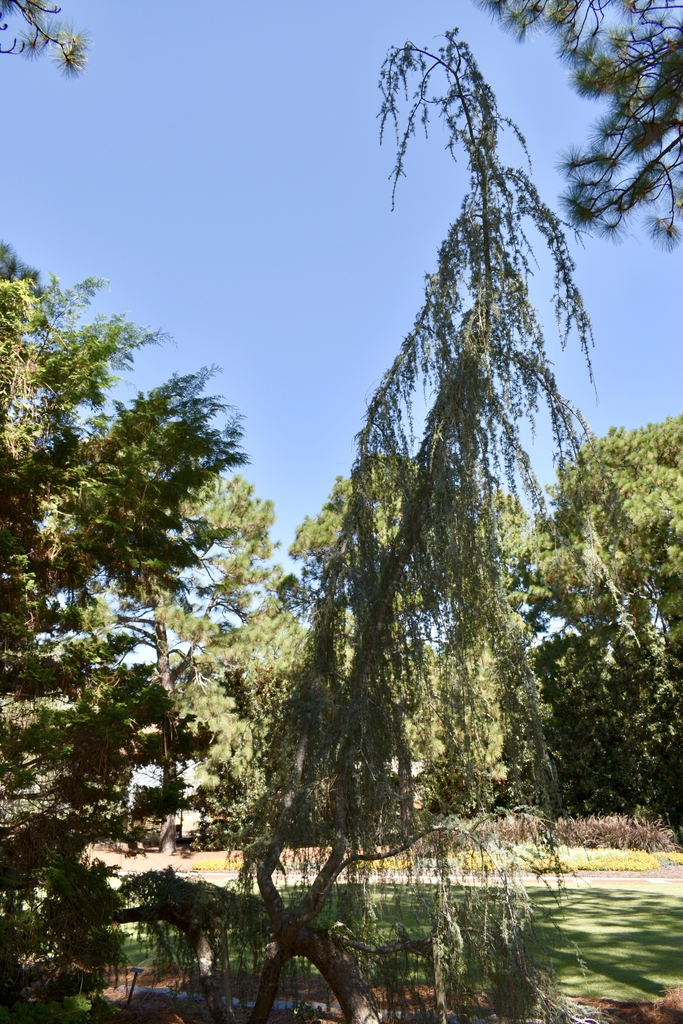
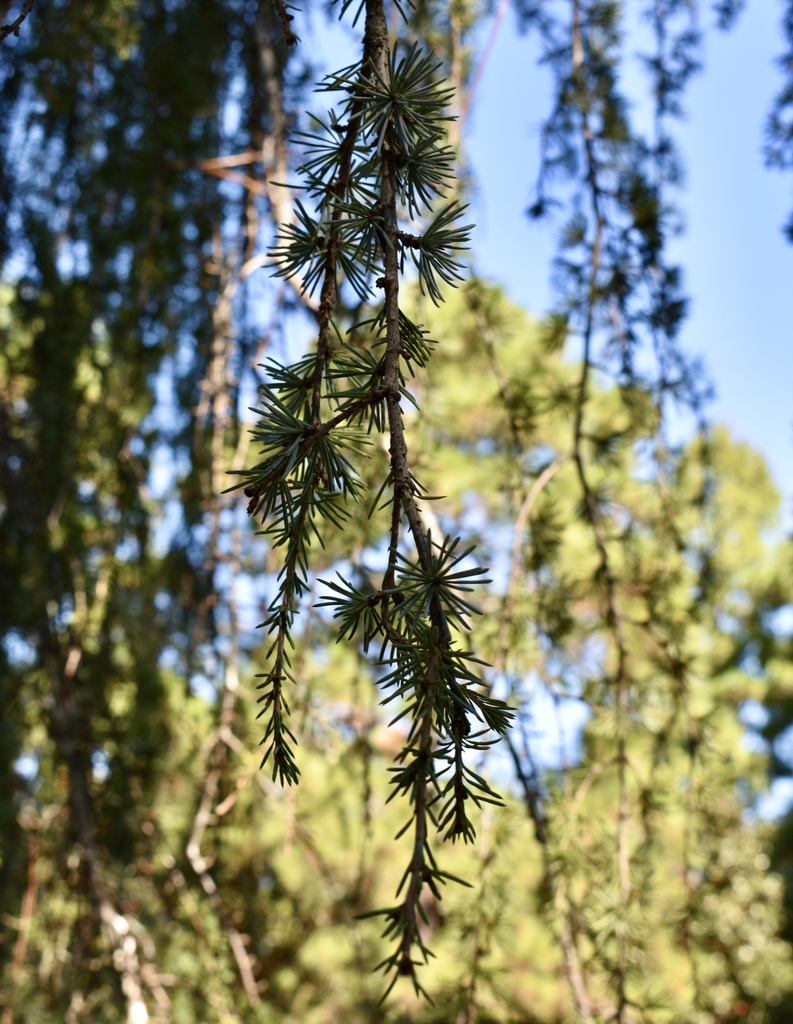
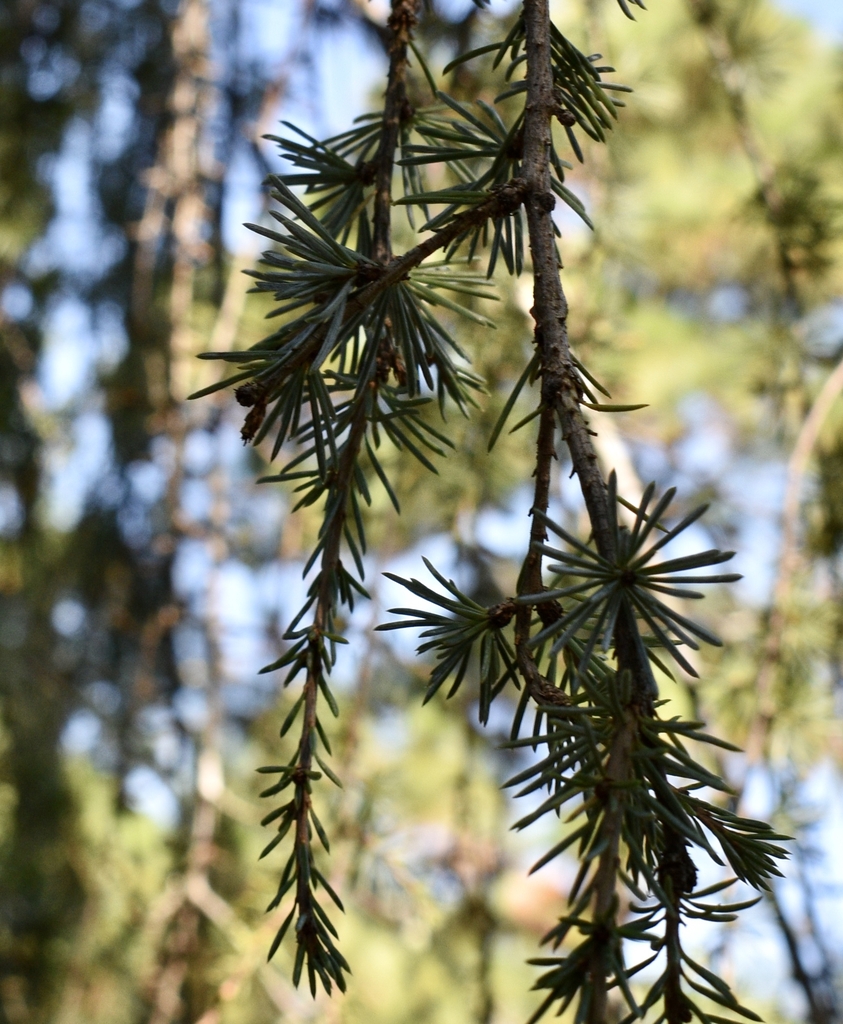
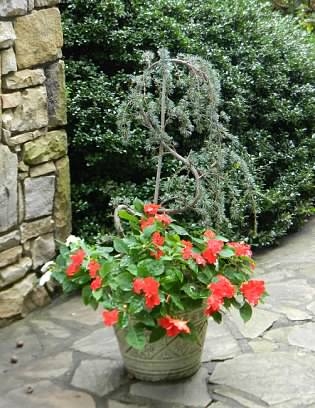
The Cedrus atlantica 'Glauca Pendula" is a non flowering needled evergreen tree that is often used as a sculptural specimen statement in the landscape. It has drooping, vertical branches with beautiful steel-blue needles. The cedrus atlantica, from the (Pinaceae) family is also known as the blue atlas cedar in reference to the distinctive color of its needles. Cedrus is native to northern Africa with the Latin epithets for "atlantica" referring to the Atlas mountains of northern Africa, "glauca" in reference to blue-green or blue-grey colored needles, and "pendula" in reference to its weeping form.
Cedrus atlantica grows best in well-drained, deep loam, acidic soil but can tolerate clay and sandy soils if well-drained. Cedrus prefers full sun and grows to 10 to 12 feet high with a spread of 10-12 feet. Cedrus is drought tolerant at maturity and does not transplant well.
The weeping form is the predominate feature of this tree. Cedrus is easily trained as an espalier, grown flat against a wall or supported on a lattice. Its height and form can be controlled by training its central leader. With proper support, the central leader will grow in an upward direction. Without support, this same leader will tend to cascade downward. Allowing this specimen plenty of room to grow, away from sidewalks and streets, will give the branches room to spread and cascade. With adequate elbow room, it will not need pruning. If the lower branches are pruned, it may take on an odd shape and lose its character. Cedrus is also often used in bonsai.
Largely known as a specimen tree, Cedrus is used in cottage gardens, winter gardens, or as a sculptural feature in lawn, meadows, and coastal gardens.
Insects, Diseases, and Other Plant Problems: There are no serious insect or disease issues. Heavy snow can damage or break branches. Tip blight may be a problem, as well as root rot or black scale. Sap-suckers often riddle the trunk with holes which can be unsightly, but not harmful to the tree. Shelter from strong winds, as the branches can be damaged.
- See this plant in the following landscape :
- Cultivars / Varieties:
-
- Tags:


- Cultivars / Varieties:
-
- Tags:
-
-
Attributes:
- Genus:
- Cedrus
- Species:
- atlantica
- Family:
- Pinaceae
- Life Cycle:
- Woody
- Recommended Propagation Strategy:
- Seed
- Country Or Region Of Origin:
- Northern Africa
- Fire Risk Rating:
- high flammability
- Play Value:
- Buffer
- Easy to Grow
- Textural
- Dimensions:
- Height: 3 ft. 0 in. - 12 ft. 0 in.
- Width: 3 ft. 0 in. - 12 ft. 0 in.
-
-
Whole Plant Traits:
- Plant Type:
- Shrub
- Woody Plant Leaf Characteristics:
- Needled Evergreen
- Habit/Form:
- Columnar
- Weeping
- Growth Rate:
- Rapid
- Maintenance:
- Medium
- Texture:
- Fine
- Appendage:
- Thorns
-
-
Cultural Conditions:
- Light:
- Full sun (6 or more hours of direct sunlight a day)
- Soil Texture:
- Loam (Silt)
- Soil pH:
- Acid (<6.0)
- Soil Drainage:
- Good Drainage
- Moist
- Available Space To Plant:
- 12-24 feet
- 24-60 feet
- NC Region:
- Coastal
- Mountains
- Piedmont
- USDA Plant Hardiness Zone:
- 6a, 6b, 7a, 7b, 8a, 8b
-
-
Fruit:
- Fruit Color:
- Brown/Copper
- Fruit Length:
- > 3 inches
- Fruit Description:
- The fruits are a 3-6" oval cone.
-
-
Flowers:
- Flower Description:
- No flowers.
-
-
Leaves:
- Woody Plant Leaf Characteristics:
- Needled Evergreen
- Leaf Color:
- Blue
- Green
- Leaf Feel:
- Prickly
- Leaf Value To Gardener:
- Showy
- Leaf Type:
- Needles
- Simple
- Leaf Arrangement:
- Whorled
- Leaf Margin:
- Entire
- Hairs Present:
- No
- Leaf Length:
- < 1 inch
- Leaf Description:
- The powdery, steel-blue/green, 1" needles are borne in whorls, or tufted clusters. The needles are curved near the tip. Grown for its attractive foliage.
-
-
Stem:
- Stem Is Aromatic:
- No
-
-
Landscape:
- Landscape Location:
- Coastal
- Lawn
- Meadow
- Patio
- Landscape Theme:
- Cottage Garden
- Winter Garden
- Resistance To Challenges:
- Drought
- Heat
- Humidity