


Arctotis
Common Name(s):
- Phonetic Spelling
- ark-TOE-tiss
- Description
-
African daisy is a genus of at least 60 annual or perennial flowering plants in the daisy family (Asteraceae) native to dry stony slopes of southern Africa.
The plants grow 1 to 2 feet tall in a mounding or spreading habit. They prefer full sun in well-drained sandy or rocky soils. They are drought-tolerant once established. They are also deer and rabbit-resistant and salt-air-tolerant.
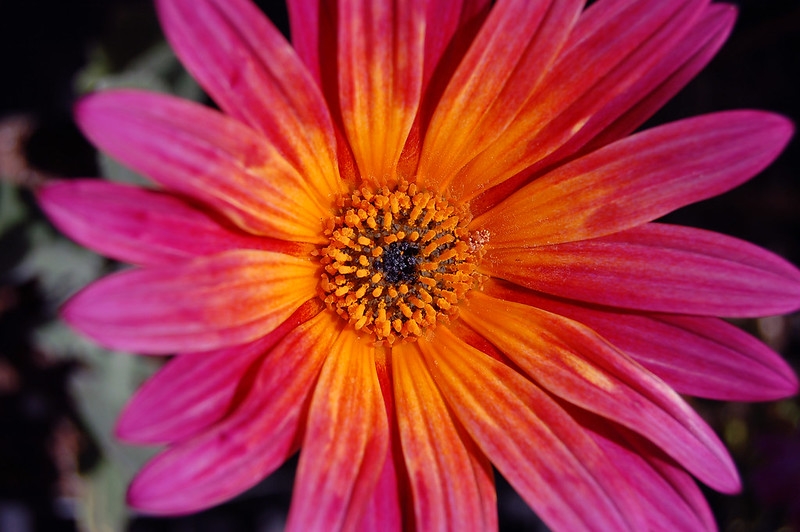
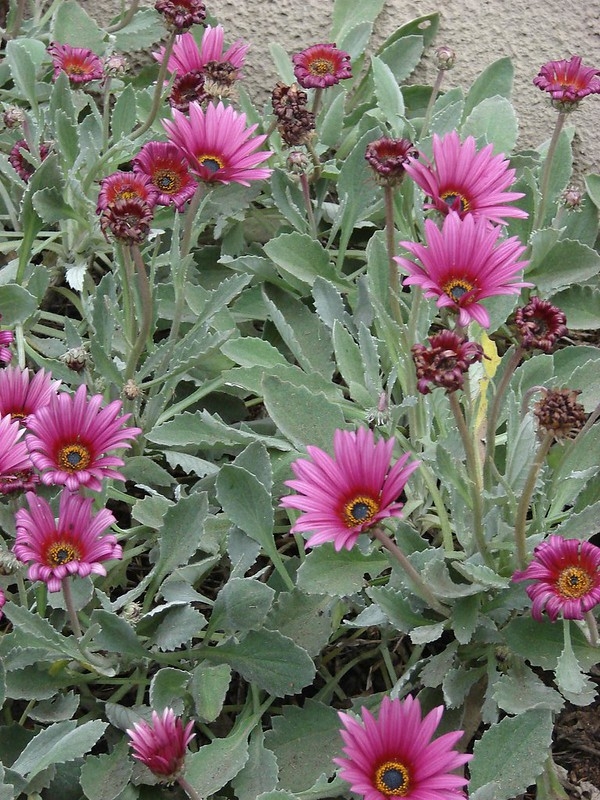
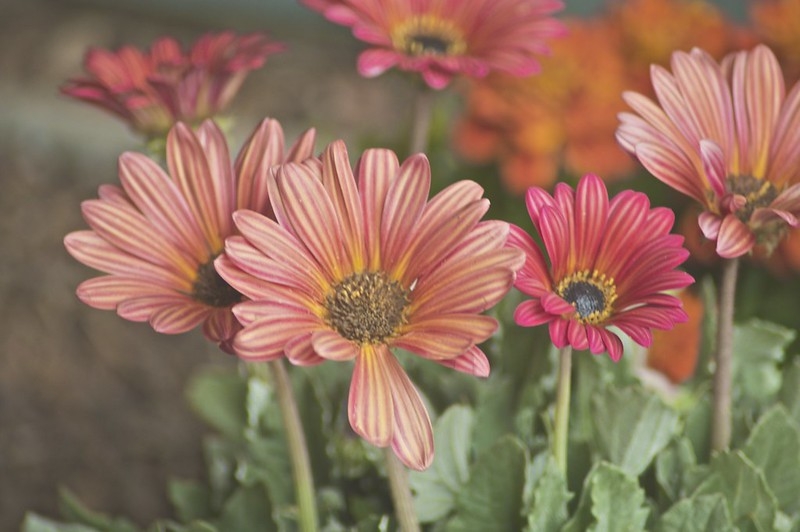
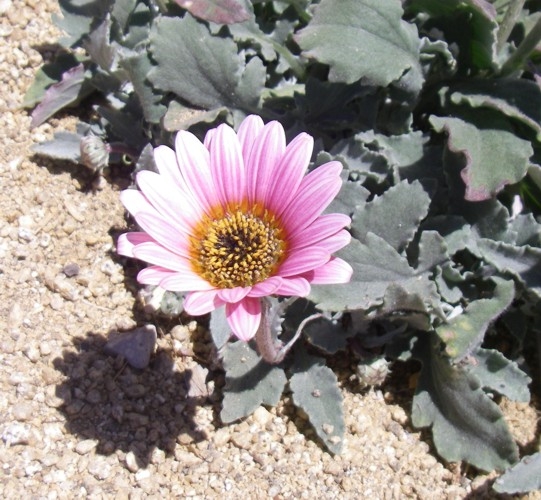
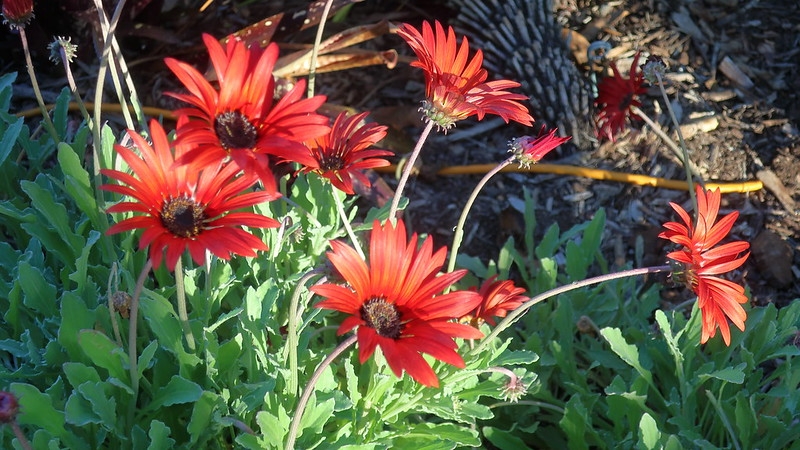
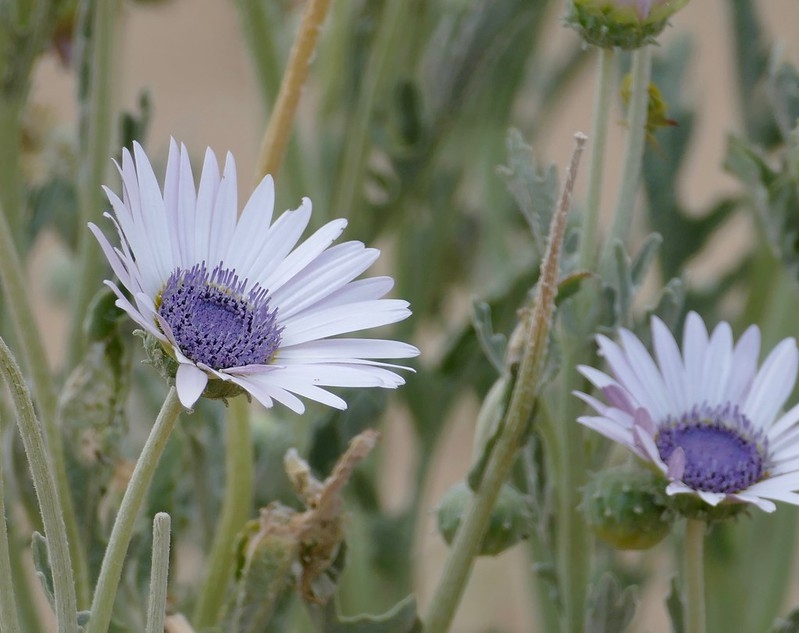
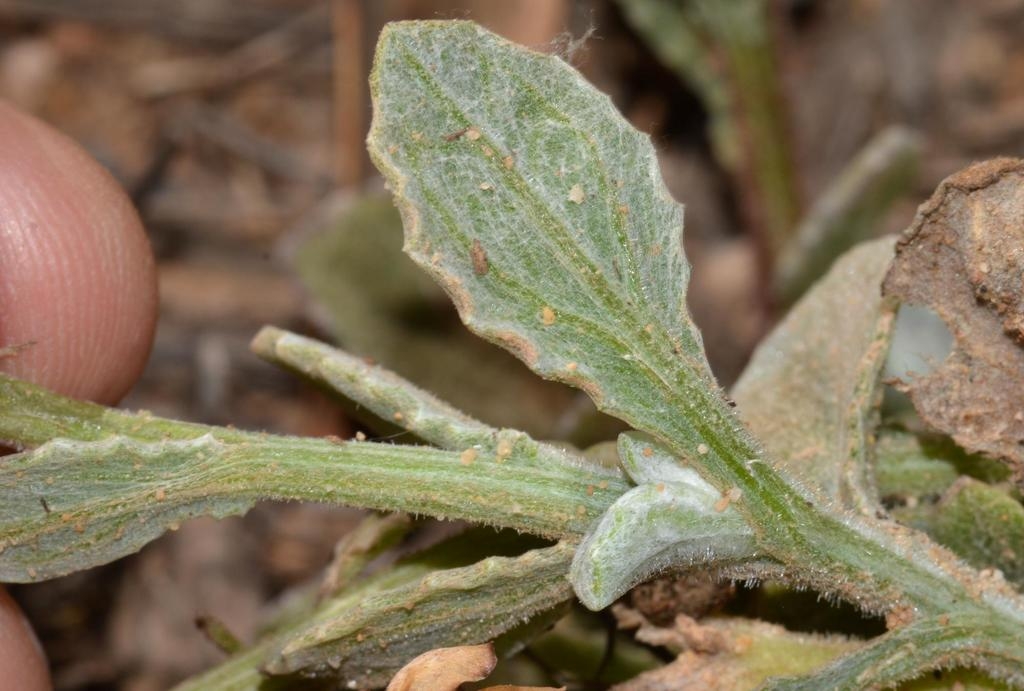
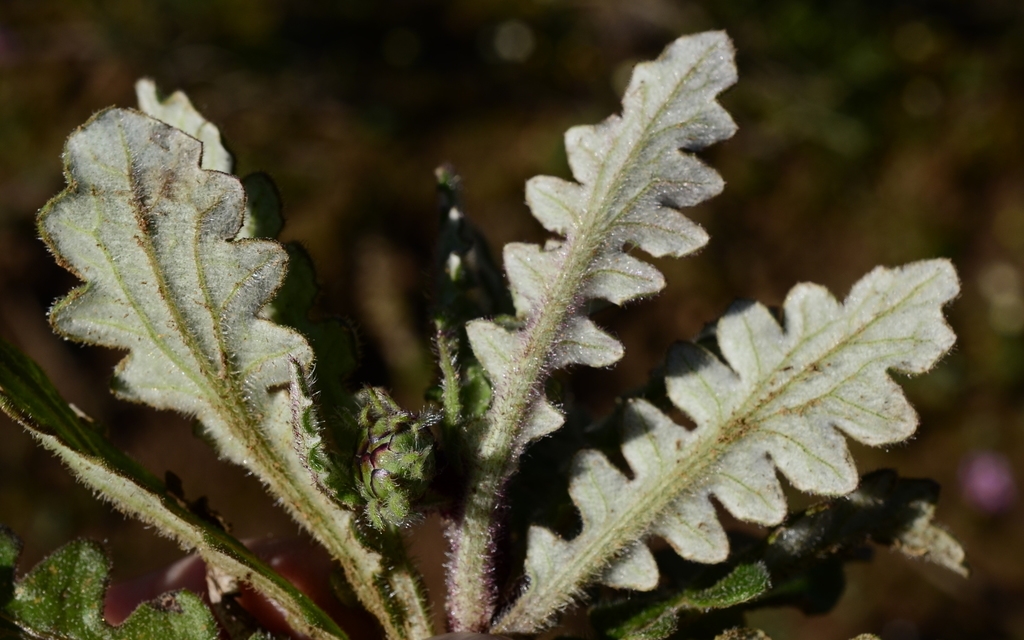
The 3-inch wide flowers appear all summer and consist of colorful rays surrounding the darker center of disc flowers and tend to close in the evening or on cloudy days.. They come in a variety of colors with many hybrids available. The attractive leaves are finely cut or lobed and with soft hairs.
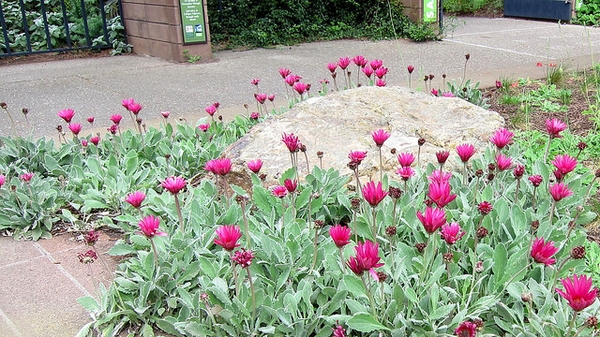
Use African daisies in the border of a pollinator garden or cutting garden. They can also be used in rock gardens, fairy gardens and containers.
Insects, Diseases, and Other Plant Problems: Watch for aphids, spiderr mites and leaf miners. Potential diseases are powdery mildew and leaf spot. Root rot can occur in too wet conditions or poorly drained soils.
- See this plant in the following landscape :
- Cultivars / Varieties:
-
- Tags:


- Cultivars / Varieties:
-
- Tags:
-
-
Attributes:
- Genus:
- Arctotis
- Family:
- Asteraceae
- Life Cycle:
- Annual
- Perennial
- Recommended Propagation Strategy:
- Seed
- Country Or Region Of Origin:
- Africa
- Particularly Resistant To (Insects/Diseases/Other Problems):
- drought
- Dimensions:
- Height: 1 ft. 0 in. - 2 ft. 0 in.
- Width: 1 ft. 0 in. - 1 ft. 0 in.
-
-
Whole Plant Traits:
- Plant Type:
- Annual
- Herbaceous Perennial
- Growth Rate:
- Medium
- Maintenance:
- Low
- Texture:
- Medium
-
-
Cultural Conditions:
- Light:
- Full sun (6 or more hours of direct sunlight a day)
- Soil Texture:
- Sand
- Shallow Rocky
- Soil Drainage:
- Good Drainage
- Occasionally Dry
- Available Space To Plant:
- Less than 12 inches
- USDA Plant Hardiness Zone:
- 9a, 9b, 10a, 10b, 11a, 11b
-
-
Fruit:
- Fruit Type:
- Capsule
- Fruit Description:
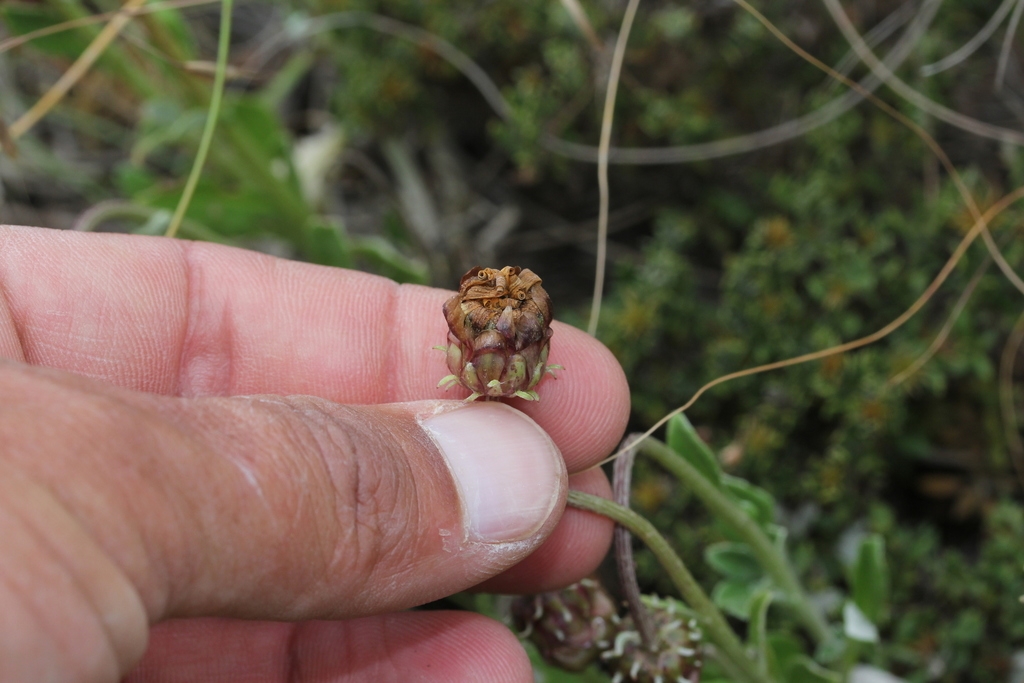
- winged ovoid to oblong capsules with 2 cavities
-
-
Flowers:
- Flower Color:
- Gold/Yellow
- Orange
- Pink
- Red/Burgundy
- White
- Flower Inflorescence:
- Head
- Solitary
- Flower Value To Gardener:
- Showy
- Flower Bloom Time:
- Fall
- Summer
- Flower Shape:
- Radial
- Flower Petals:
- more than 20 petals/rays
- Flower Size:
- 1-3 inches
- Flower Description:
- This flower often has contrasting colors at the petal bases around the center. Colors of the flowers can be bronze, pink, orange, red, white, or yellow.
-
-
Leaves:
- Leaf Color:
- Gray/Silver
- Green
- Leaf Feel:
- Velvety
- Leaf Type:
- Simple
- Leaf Arrangement:
- Rosulate
- Leaf Shape:
- Spatulate
- Leaf Margin:
- Lobed
- Hairs Present:
- Yes
- Leaf Length:
- 3-6 inches
- Leaf Width:
- 1-3 inches
- Leaf Description:
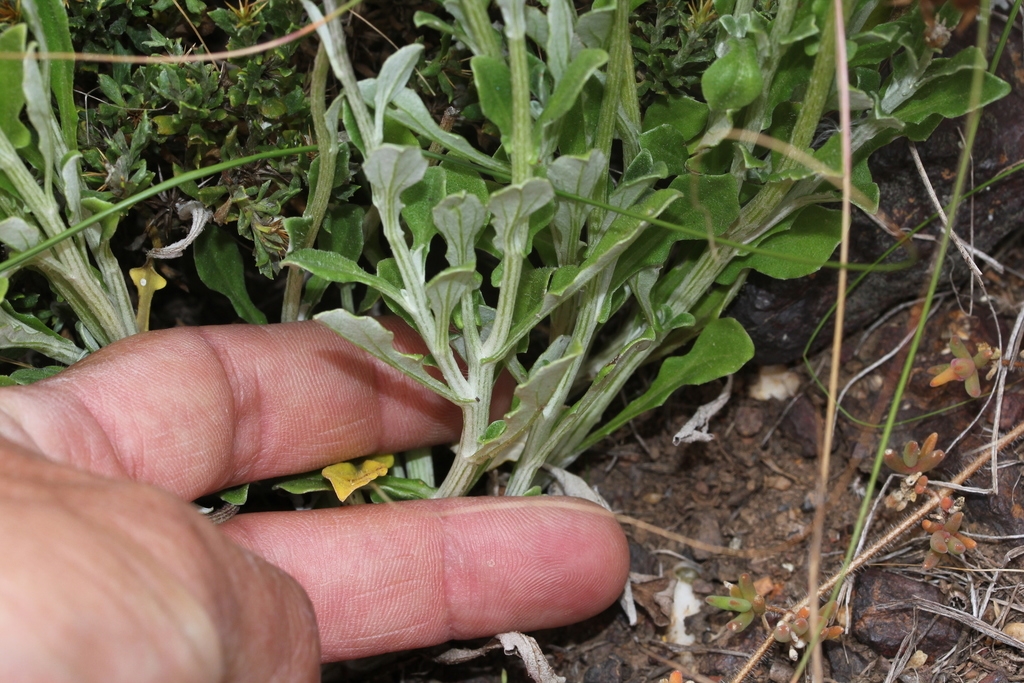
- Rosulate eaves vary per species and can be finely-cut, lobed or spoon-shaped. They are often silvery or gray-green due to the velvety hairs. They ar 2 to 8 inches long and 2/3 to 1 3/4 inches wide
-
-
Stem:
- Stem Color:
- Green
- Stem Is Aromatic:
- No
- Stem Description:
- Stems can be branched or not. Some are hairy and others leafy. Varies per species.
-
-
Landscape:
- Landscape Location:
- Container
- Patio
- Pool/Hardscape
- Small Space
- Landscape Theme:
- Cutting Garden
- Drought Tolerant Garden
- Fairy Garden
- Pollinator Garden
- Rock Garden
- Design Feature:
- Border
- Mass Planting
- Attracts:
- Bees
- Butterflies
- Resistance To Challenges:
- Deer
- Drought
- Rabbits
- Salt