


Anoectochilus
Common Name(s):
- Phonetic Spelling
- an-nek-toh-KY-lus
- Description
-
This is a genus of about 50 terrestrial deciduous orchids that are native to China, SE Asia and Indonesia and are often cultivated for their unusual leaf patterns. They are typically found in broad-leafed, evergreen, humid primary forests in moist soils as a creeping, ascending, cool-growing terrestrial orchid. The genus name is derived from the Ancient Greek words anoiktos, meaning "opened" and cheilos, meaning "lip".
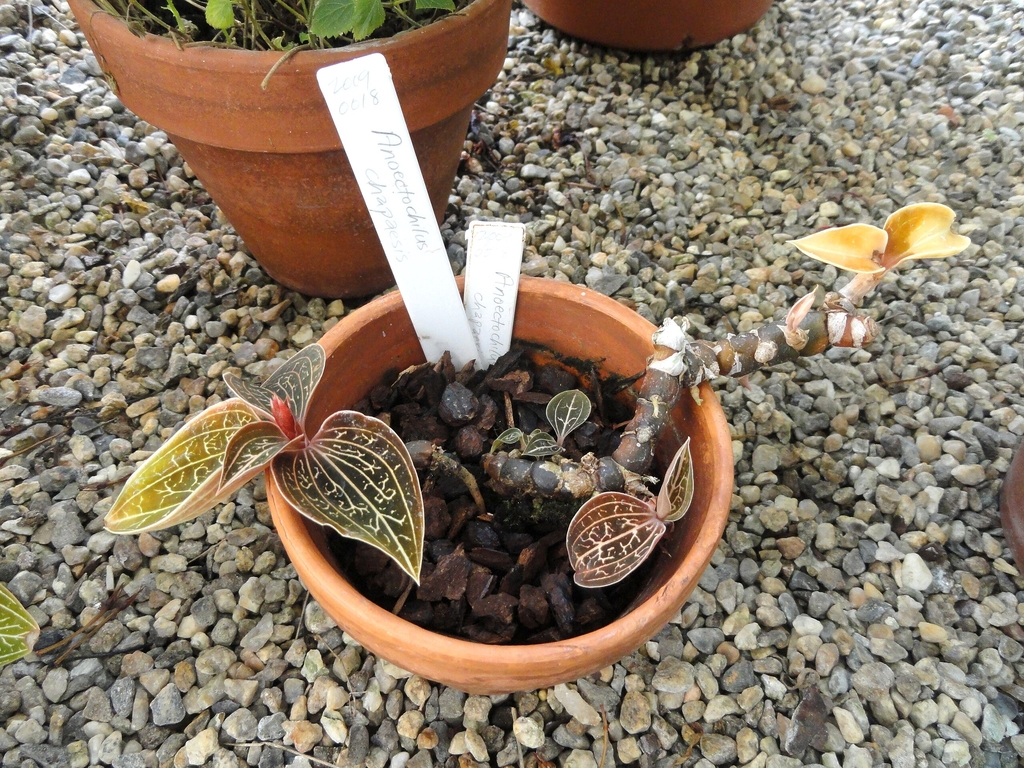
When grown indoors, the plant is usually grown in intermediate to warm conditions in a shady area. The plant does best when potted with a well-drained medium composed of sand, fir bark, perlite, and soil. Plants should be watered when potting medium dries.
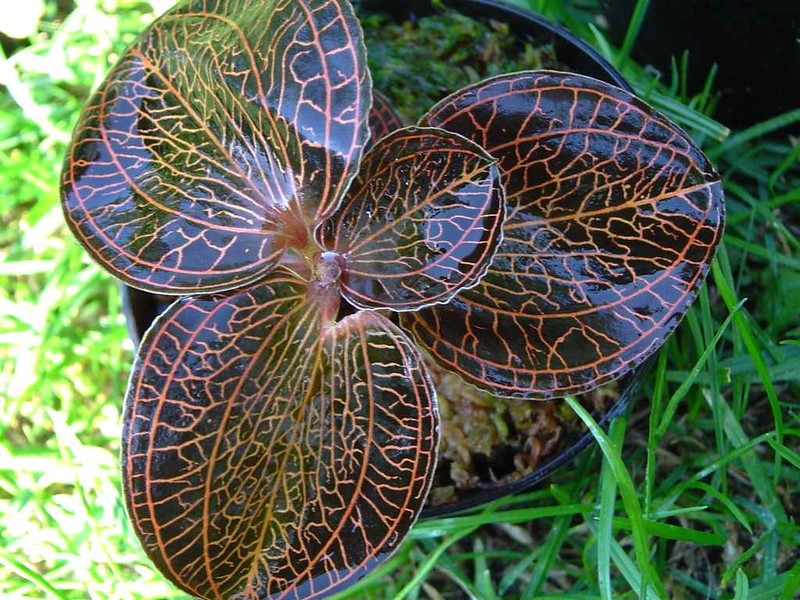
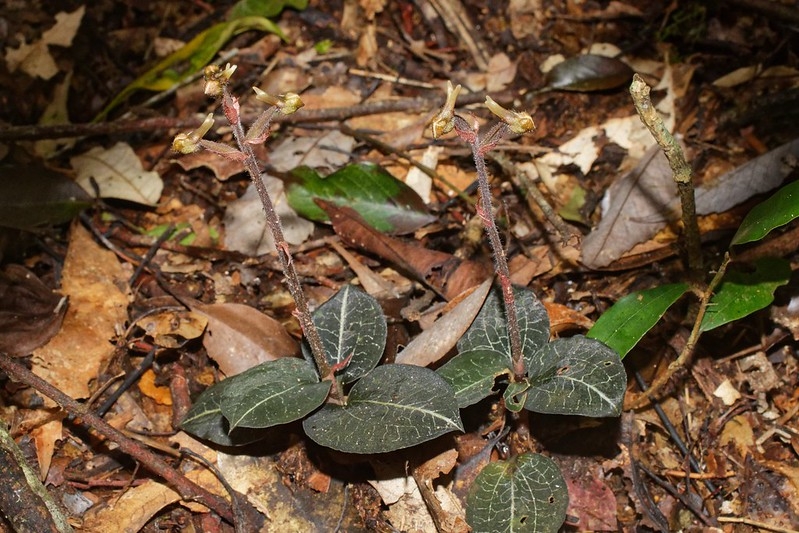
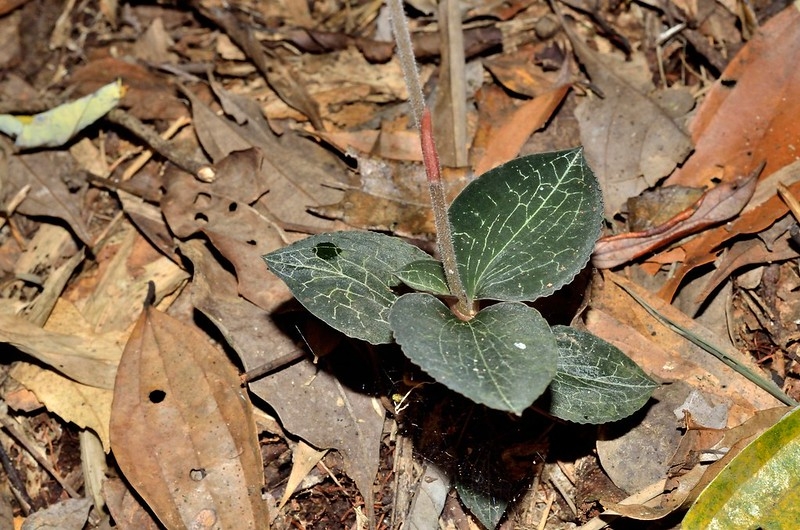
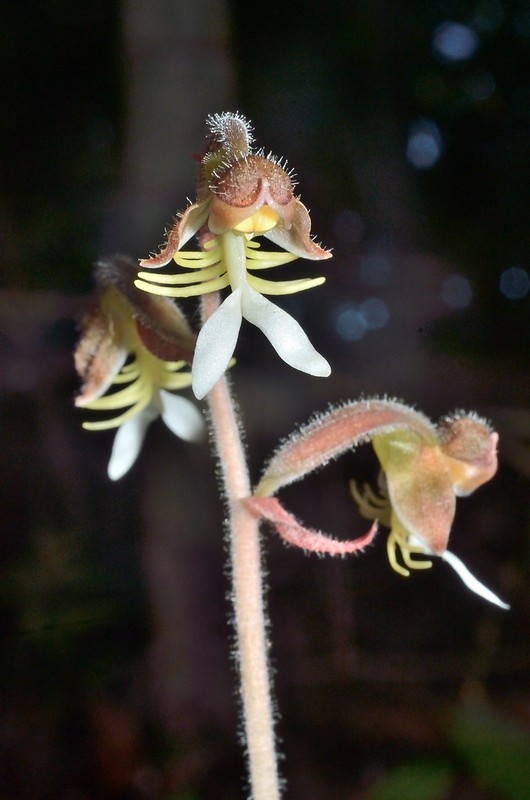
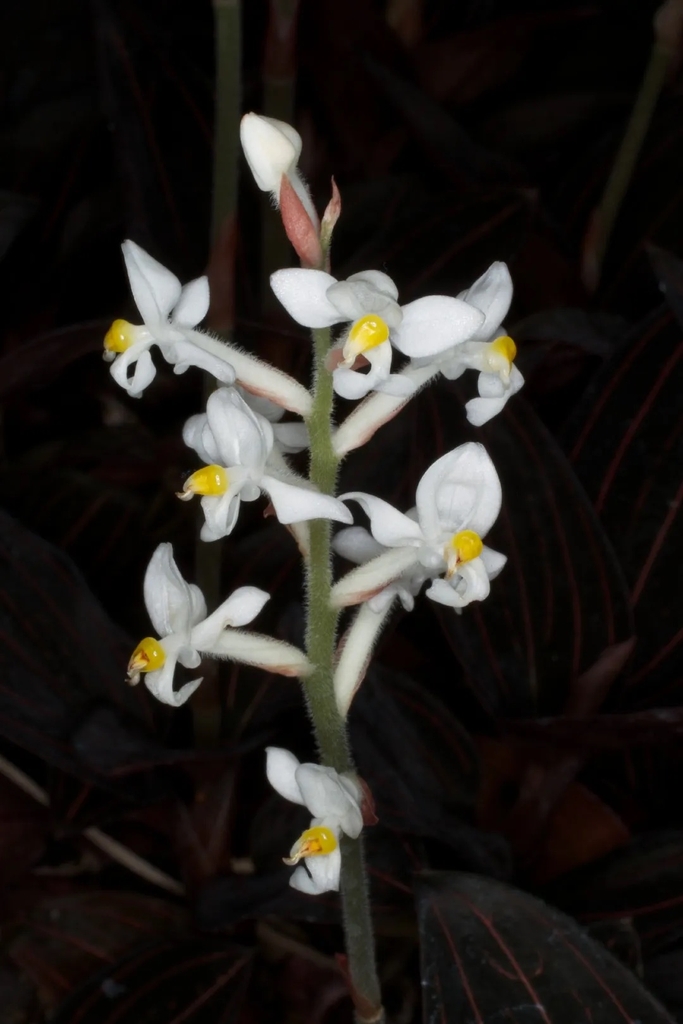
The rosette of leaves are large and dark with a contrasting network of veins. Flowers are large velvety upward-facing orchids with the upper sepals fused to form a hood and the lower sepals spread apart. They grow on short spikes and come in colors of greenish-yellow, white, or sometimes pale yellow, with some varieties showing reddish spots.
Use as a houseplant unless you live in a tropical area.
Insects, Diseases, and Other Plant Problems: Watch for mealybugs, thrips, aphids, spider mites, scale, and slugs/snails. Diseases include fungal and bacterial diseases.
- See this plant in the following landscape :
- Cultivars / Varieties:
-
- Tags:


- Cultivars / Varieties:
-
- Tags:
-
-
Attributes:
- Genus:
- Anoectochilus
- Family:
- Orchidaceae
- Life Cycle:
- Perennial
- Country Or Region Of Origin:
- Indonesia, Java, Sumatra
-
-
Whole Plant Traits:
- Plant Type:
- Epiphyte
- Houseplant
- Habit/Form:
- Ascending
- Creeping
- Maintenance:
- High
-
-
Cultural Conditions:
- Light:
- Dappled Sunlight (Shade through upper canopy all day)
- Soil Texture:
- High Organic Matter
- Soil Drainage:
- Moist
- Occasionally Wet
-
-
Fruit:
- Display/Harvest Time:
- Fall
- Fruit Type:
- Capsule
- Fruit Description:
- Hairy capsules split to release seeds.
-
-
Flowers:
- Flower Color:
- Gold/Yellow
- Purple/Lavender
- Variegated
- White
- Flower Inflorescence:
- Raceme
- Spike
- Flower Value To Gardener:
- Showy
- Flower Bloom Time:
- Summer
- Flower Shape:
- Tubular
- Flower Petals:
- Bracts
- Flower Description:
- Blooms on a 10 inch long inflorescence. Five blossoms with successively opening flowers occurring in the summer. Basal portion with 1 to 2, tubular lanceolate bracts. Color varies per variety.
-
-
Leaves:
- Leaf Color:
- Black
- Green
- Purple/Lavender
- Leaf Feel:
- Velvety
- Leaf Value To Gardener:
- Showy
- Leaf Shape:
- Ovate
- Subcordate
- Hairs Present:
- No
- Leaf Length:
- 3-6 inches
- Leaf Width:
- 1-3 inches
- Leaf Description:
- Four inch long by 2 inch wide leaves, acute at apex, round at base. Reticulated with gold leaves that are purple black on the underside, velvety dark green or purple with contrasting veins on top.
-
-
Stem:
- Stem Color:
- Green
- Stem Is Aromatic:
- No
- Stem Description:
- Creeping stems produce an erect flowering stem that is 6 to 10 inches high.
-
-
Landscape:
- Landscape Location:
- Container
- Houseplants
- Landscape Theme:
- Water Garden
- Design Feature:
- Accent
- Specimen