


Prunus x blireana
Common Name(s):
- Phonetic Spelling
- PROO-nus blee-ree-AH-nuh
- Description
-
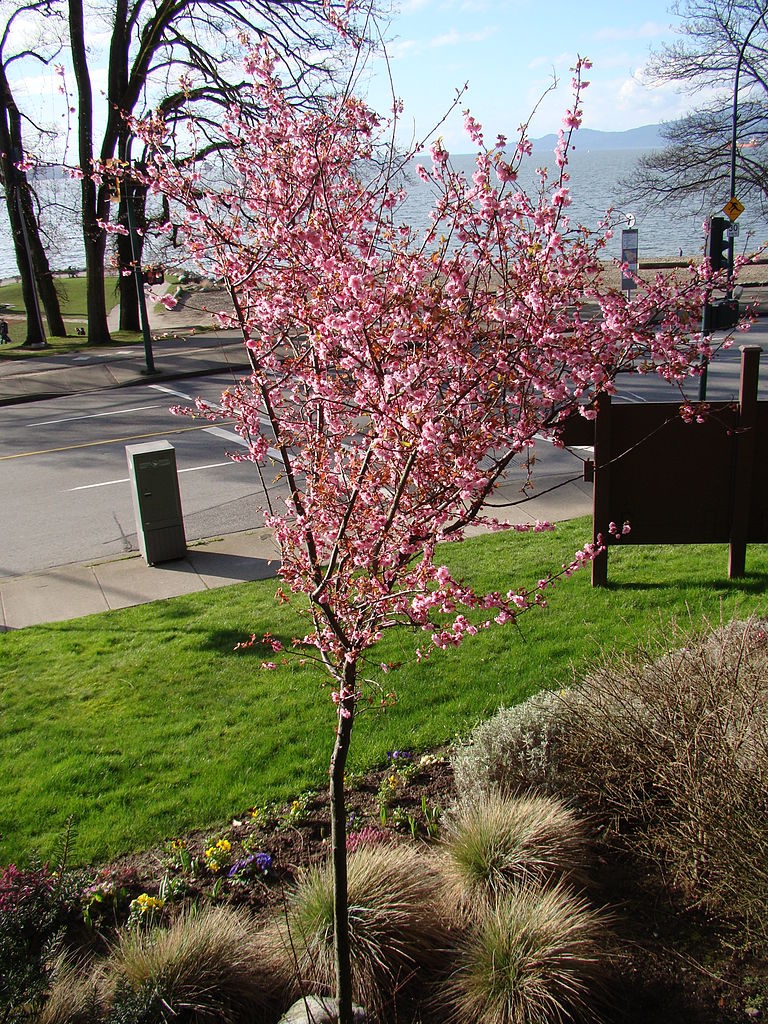
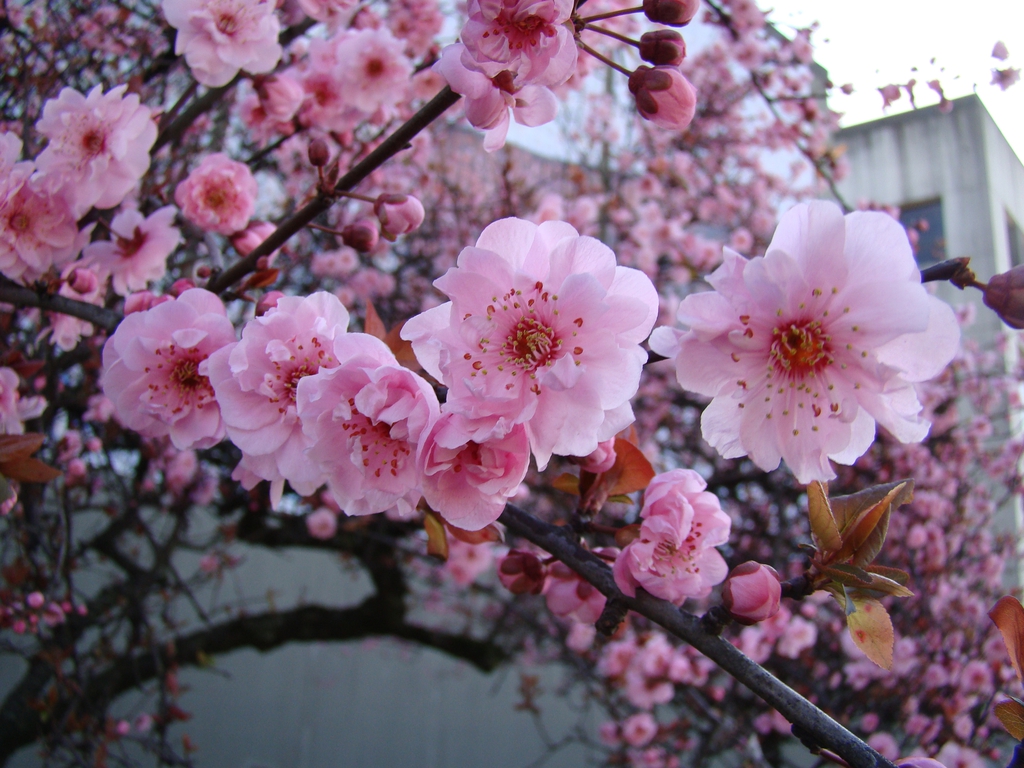
Blireana Plum is an artificial hybrid, a cross between Prunus cerasifera (Purple Leaf Flowering Plum) and P. mume (Japanese Apricot). The result of the cross is a flowering, ornamental shrub or small tree that blooms profusely with clusters of pink, fragrant, double flowers in early spring. The plant can reach a height of 13 feet with a broad form and red leaves that turn green as the season progresses. The fruits of this sterile hybrid, however, are few to none.
Plant in average, moist, well-drained, moderately fertile soil in full sun. Although the tree is winter hardy, you should site the tree where the branches will be protected from wind. The tree can be pruned after flowering to remove old, non-productive wood. Note that Blireana Plum flowers on old wood. Suckers may appear that should be removed immediately.
Use as a small flowering shade tree near patios or entryways, as a specimen or accent. The tree is browsed by deer. The tree takes 5 to 10 years to mature, but tends to have a short lifespan of about 30 years.
Diseases, Insect Pests, and Other Plant Problems:
Prunus species and hybrids tend to be susceptible to a number of diseases and pests including fire blight, leaf curl, cankers, honey fungus, aphids, and caterpillars.
- See this plant in the following landscape :
- Cultivars / Varieties:
-
- Tags:


- Cultivars / Varieties:
-
- Tags:
-
-
Attributes:
- Genus:
- Prunus
- Family:
- Rosaceae
- Life Cycle:
- Woody
- Wildlife Value:
- Attracts birds and bees.
- Dimensions:
- Height: 10 ft. 0 in. - 13 ft. 0 in.
- Width: 10 ft. 0 in. - 15 ft. 0 in.
-
-
Whole Plant Traits:
- Plant Type:
- Perennial
- Shrub
- Tree
- Woody Plant Leaf Characteristics:
- Deciduous
- Habit/Form:
- Broad
- Dense
- Rounded
- Growth Rate:
- Rapid
- Maintenance:
- Medium
- Texture:
- Medium
-
-
Cultural Conditions:
- Light:
- Full sun (6 or more hours of direct sunlight a day)
- Soil Texture:
- Clay
- Loam (Silt)
- Sand
- Soil pH:
- Acid (<6.0)
- Alkaline (>8.0)
- Neutral (6.0-8.0)
- Soil Drainage:
- Good Drainage
- Moist
- Occasionally Dry
- Available Space To Plant:
- 12-24 feet
- USDA Plant Hardiness Zone:
- 7a, 7b, 8a, 8b, 9a, 9b, 10a, 10b
-
-
Fruit:
- Fruit Color:
- Purple/Lavender
- Red/Burgundy
- Display/Harvest Time:
- Spring
- Summer
- Fruit Type:
- Drupe
- Fruit Description:
- Few to none purple-red drupes.
-
-
Flowers:
- Flower Color:
- Pink
- Flower Inflorescence:
- Umbel
- Flower Value To Gardener:
- Fragrant
- Showy
- Flower Bloom Time:
- Spring
- Flower Shape:
- Cup
- Flower Size:
- < 1 inch
- Flower Description:
- One inch, double, light pink flowers with slight fragrance occur in profusion in early sping. Flowers have prominent stamens and often totally covering the tree canopy. The flowers grow on 1 to 3 year old wood.
-
-
Leaves:
- Woody Plant Leaf Characteristics:
- Deciduous
- Leaf Color:
- Gold/Yellow
- Green
- Purple/Lavender
- Leaf Value To Gardener:
- Showy
- Deciduous Leaf Fall Color:
- Red/Burgundy
- Leaf Type:
- Simple
- Leaf Arrangement:
- Alternate
- Leaf Shape:
- Ovate
- Leaf Margin:
- Serrate
- Hairs Present:
- No
- Leaf Description:
- Reddish purple new leaves fade to green; red bronze fall color
-
-
Bark:
- Bark Color:
- Dark Brown
- Surface/Attachment:
- Fissured
- Bark Description:
- Bark is dark brown and fissured.
-
-
Stem:
- Stem Is Aromatic:
- No
- Stem Form:
- Straight
- Stem Description:
- slender, arching branches
-
-
Landscape:
- Landscape Location:
- Lawn
- Patio
- Landscape Theme:
- Cottage Garden
- Design Feature:
- Border
- Flowering Tree
- Hedge
- Understory Tree
- Attracts:
- Bees
- Pollinators
- Songbirds
- Problems:
- Problem for Cats
- Problem for Dogs
- Problem for Horses