



Meadow grass Poa pratensis
Other Common Name(s):
Other plants called Meadow grass:
- Phonetic Spelling
- POH-ah pray-TEN-sis
- Description
-
A member of the grass family (Poaceae), Kentucky bluegrass is a perennial cool-season grass and one of the world's most popular turfgrasses. It is native to Europe, North Asia and the mountains of Algeria, Morocco, and Tunisia. The genus name is derived from the Greek word poa, a pasture grass. The species epithet, pratensis, means "inhabiting meadows."
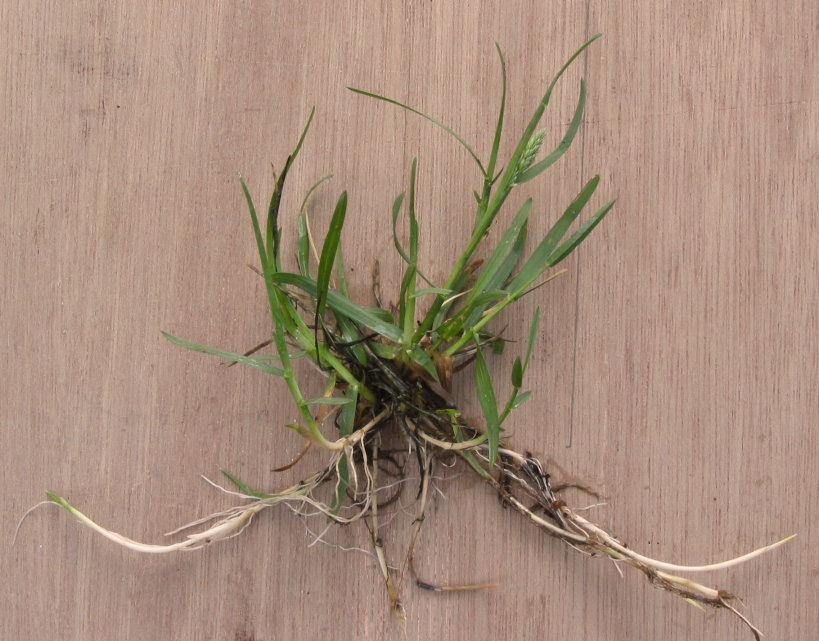
It needs full sun in the spring and fall but will require afternoon shade in hot southern summers. In the Piedmont, it is often combined with Tall fescue in turfgrass mixtures. It prefers fertile, well drained soils and is quick to recover from stress. It spreads by creeping rhizomes to form mats.
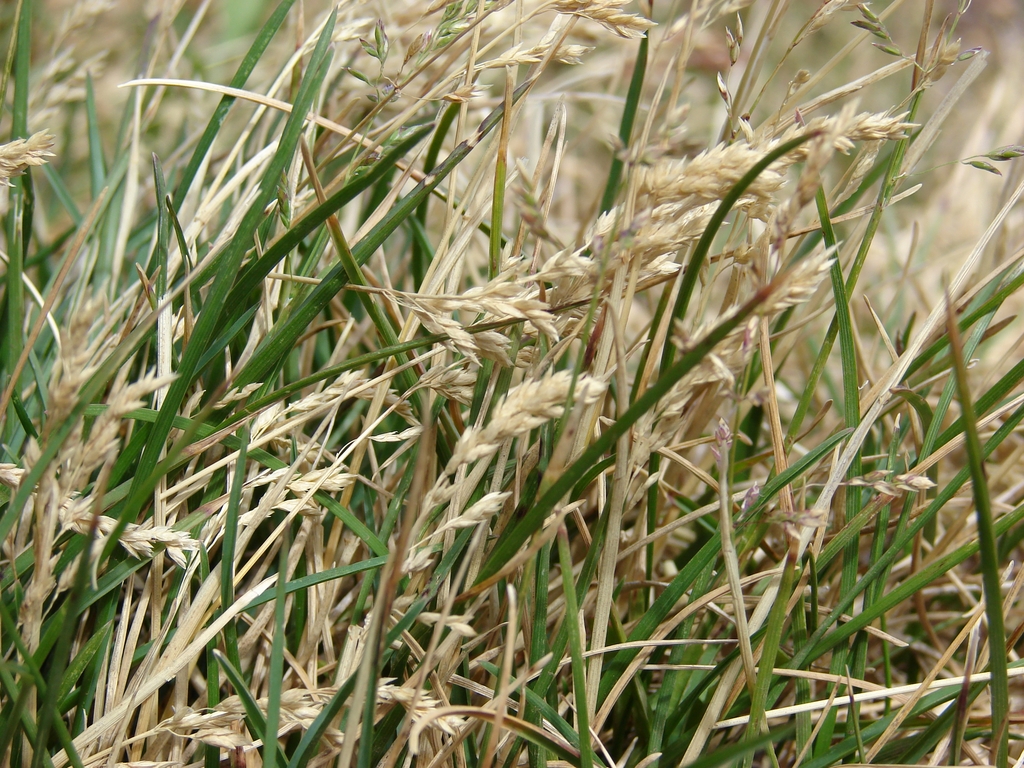
The leaves are green, up to 18 inches long and mostly basal with a few stem leaves. The insignificant flowers appear from May to July.
For more information, please refer to the NC State Extension TurfFiles entry for Kentucky Bluegrass. Refer to "Caring for Your Lawn and the Environment" for guidelines on fertilizing and mowing.
Warm-season grasses are a better lawn choice for the Southeast USA. Turf grasses are high-maintenance, requiring water, fertilizer and mowing regularly.
Diseases, Insects, and Other Plant Problems: Very prone to Summer Patch disease. Necrotic Ringspot, rusts, leafspot, Fusarium patch and powder mildew are some diseases to watch for. Pest includ Bluegrass billbug, sod webworm and European cranefly.
- See this plant in the following landscape :
- Cultivars / Varieties:
-
- Tags:


- Cultivars / Varieties:
-
- Tags:
-
-
Attributes:
- Genus:
- Poa
- Species:
- pratensis
- Family:
- Poaceae
- Life Cycle:
- Perennial
- Country Or Region Of Origin:
- Northern Hemisphere
- Dimensions:
- Height: 0 ft. 4 in. - 2 ft. 0 in.
- Width: 0 ft. 6 in. - 0 ft. 6 in.
-
-
Whole Plant Traits:
- Plant Type:
- Herbaceous Perennial
- Turfgrass
- Habit/Form:
- Dense
- Erect
- Growth Rate:
- Medium
- Maintenance:
- High
- Texture:
- Fine
-
-
Cultural Conditions:
- Light:
- Full sun (6 or more hours of direct sunlight a day)
- Partial Shade (Direct sunlight only part of the day, 2-6 hours)
- Soil Texture:
- Clay
- Loam (Silt)
- Soil pH:
- Alkaline (>8.0)
- Neutral (6.0-8.0)
- Soil Drainage:
- Good Drainage
- Moist
- NC Region:
- Mountains
- Piedmont
- USDA Plant Hardiness Zone:
- 3a, 3b, 4a, 4b, 5a, 5b, 6a, 6b, 7a, 7b
-
-
Fruit:
- Fruit Color:
- Cream/Tan
- Fruit Type:
- Caryopsis
- Fruit Description:
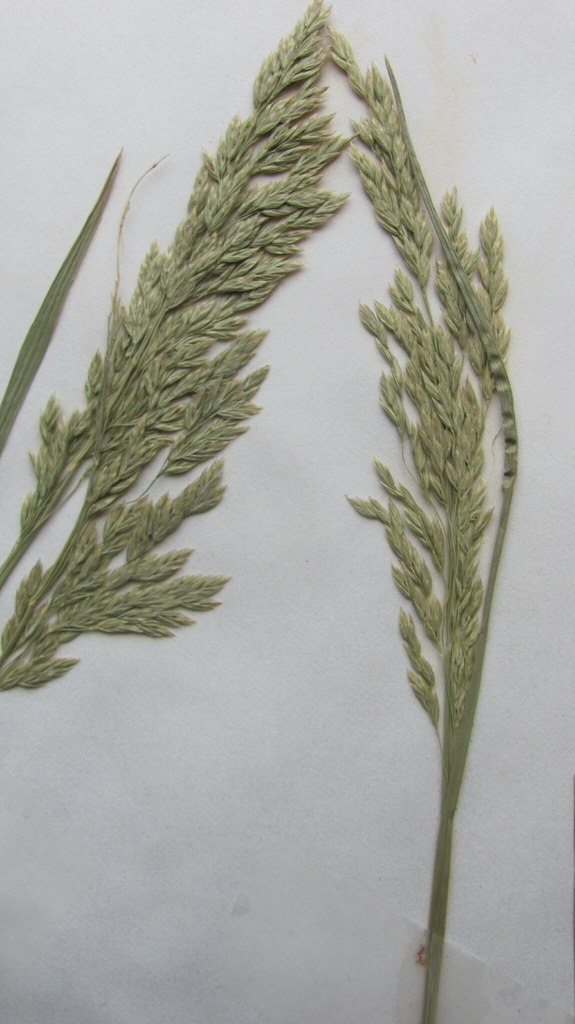
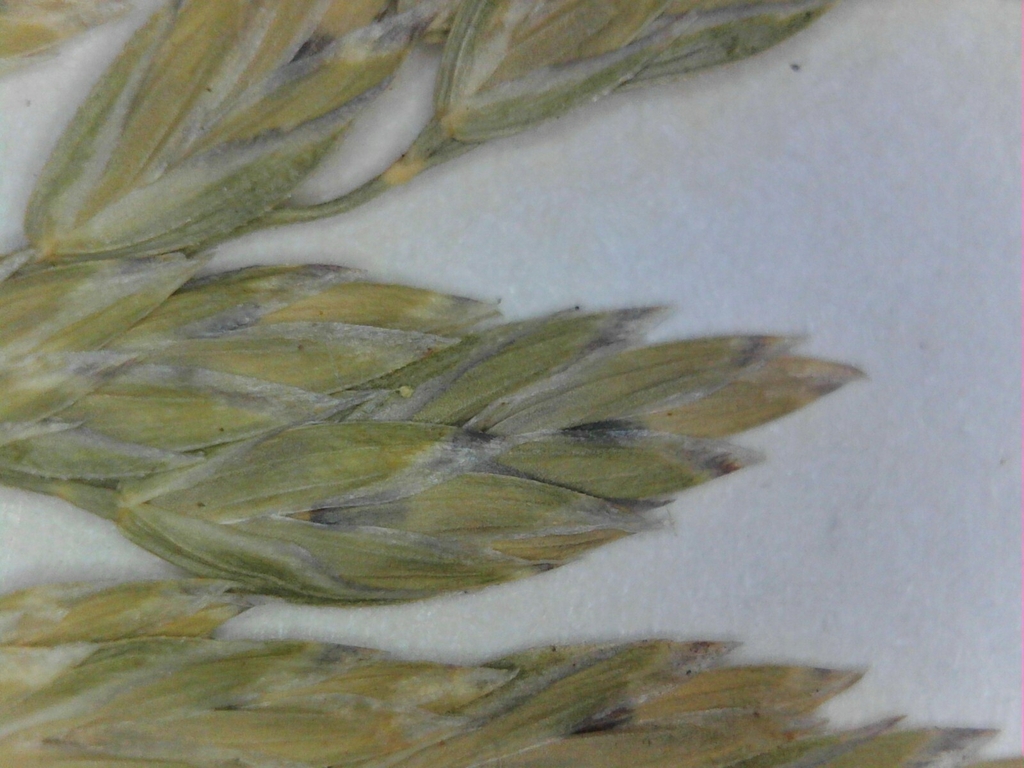
- Spikelets dry to tan and florets drop off leaving the glumes behind. Seeds a brown to golden.
-
-
Flowers:
- Flower Color:
- Gray/Silver
- Green
- Purple/Lavender
- Flower Inflorescence:
- Panicle
- Flower Bloom Time:
- Summer
- Flower Size:
- < 1 inch
- Flower Description:
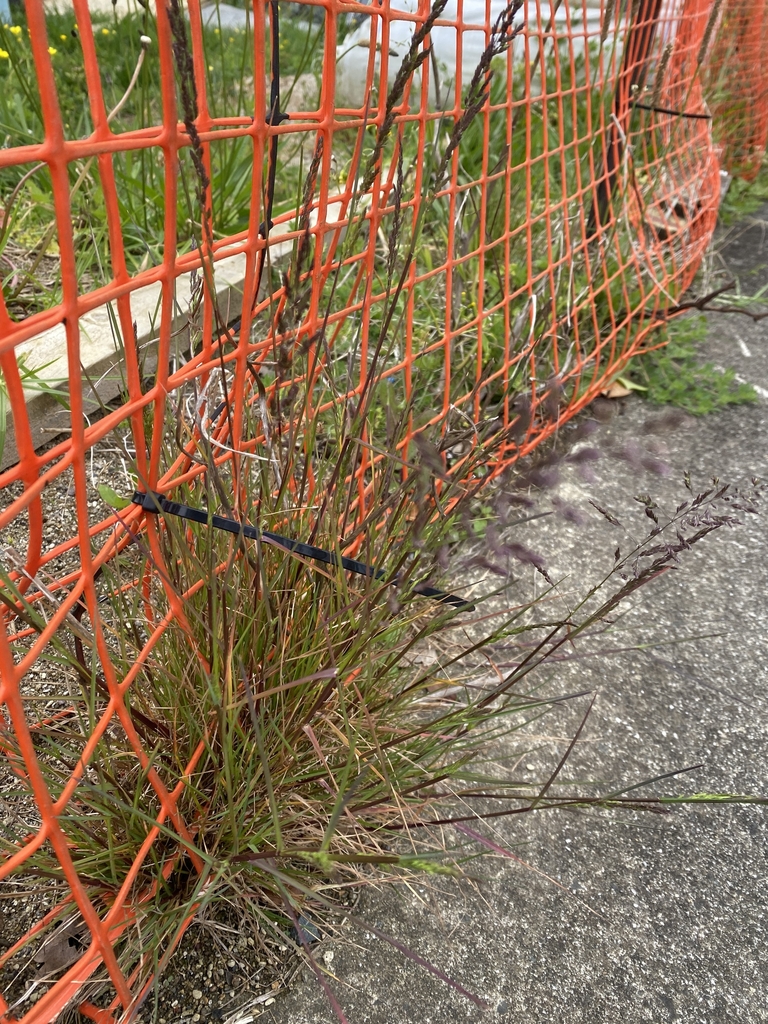
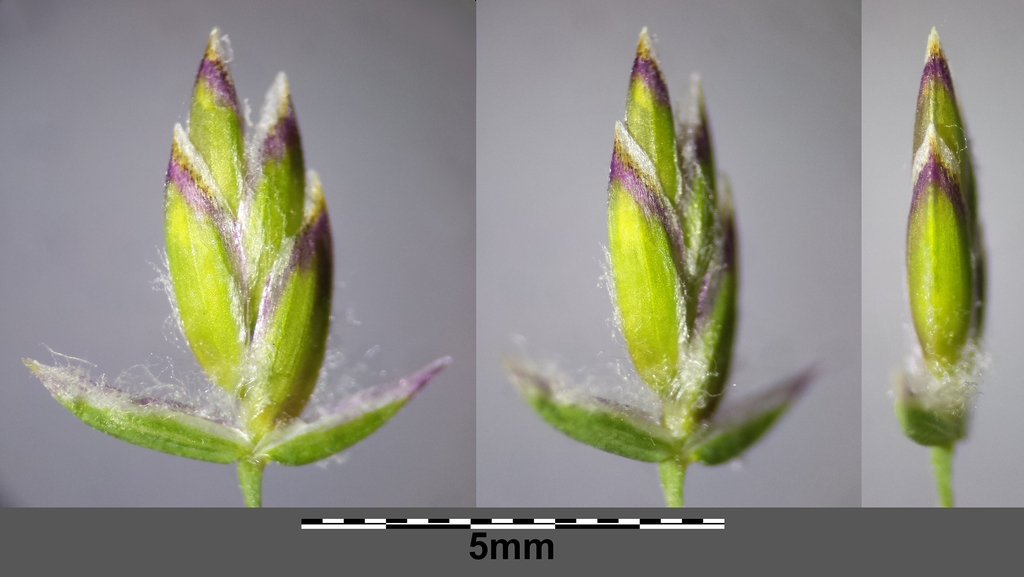
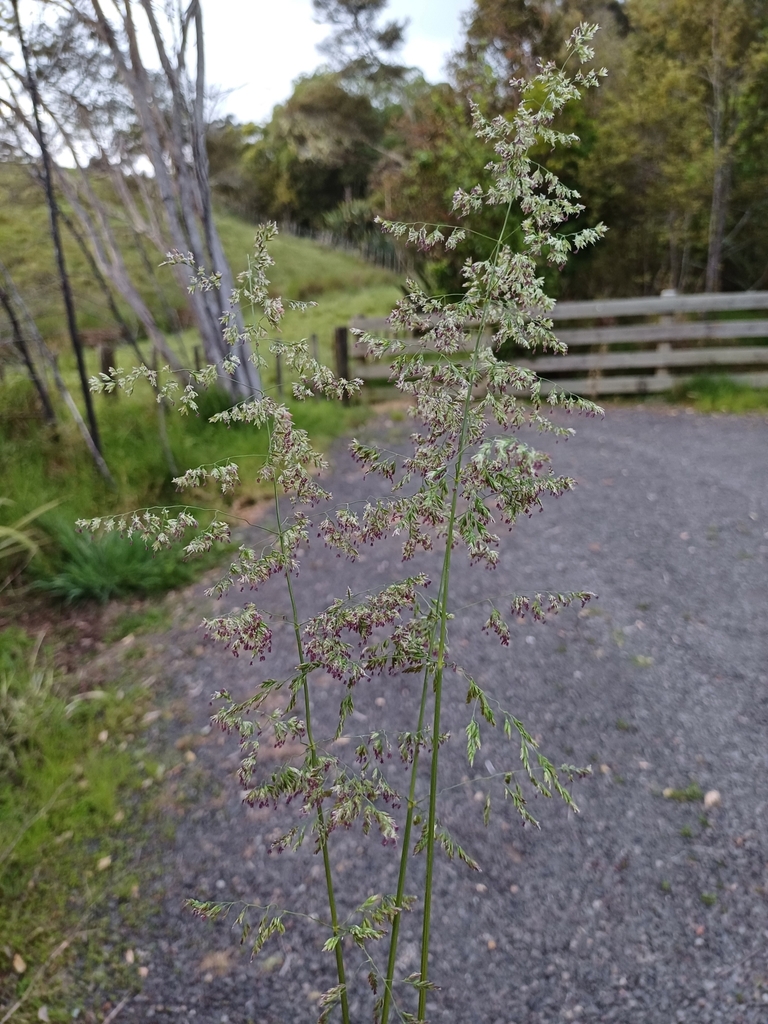
- The panicle (cluster) is 2 to 8 inches long with spiklets at the branches containing 3 to 5 florets that are purplish-green or grey. Flowers May to July.
-
-
Leaves:
- Leaf Color:
- Green
- Leaf Type:
- Sheath
- Simple
- Leaf Arrangement:
- Alternate
- Leaf Shape:
- Linear
- Leaf Margin:
- Entire
- Hairs Present:
- No
- Leaf Description:
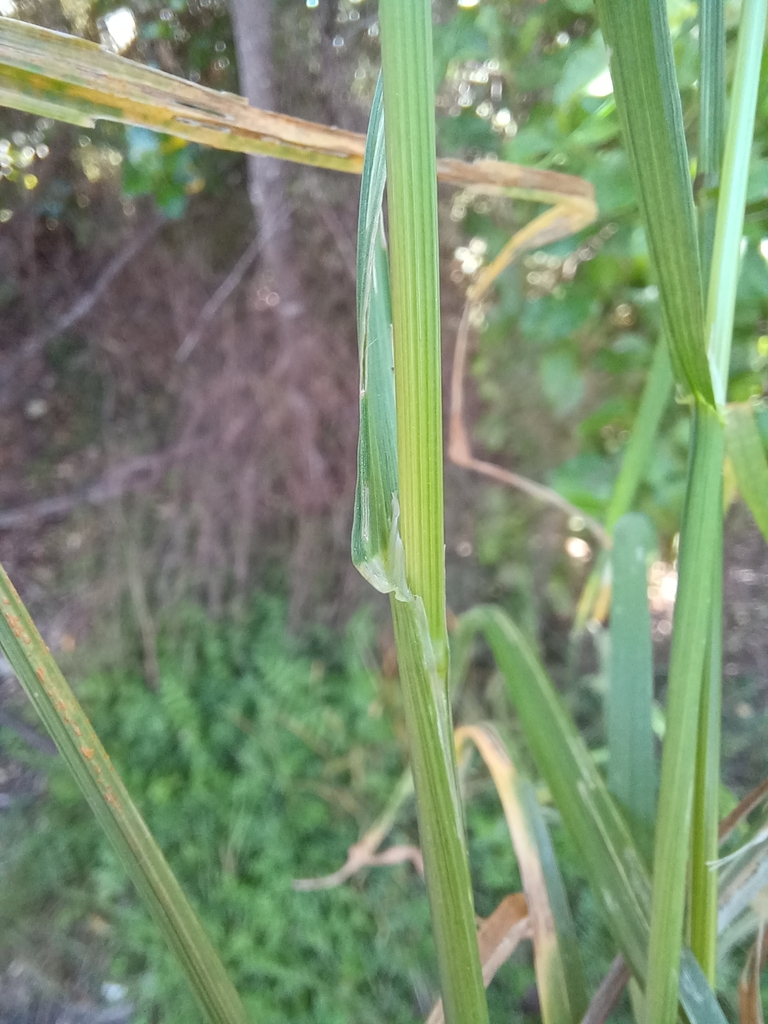
- Green linear leaf blades have boat-shaped tips and can grow up to 18 inches tall. Leaves are mostly basal with a few sheathed alternate leaves on the stem.
-
-
Stem:
- Stem Color:
- Green
- Stem Is Aromatic:
- No
- Stem Cross Section:
- Round
- Stem Surface:
- Smooth (glabrous)
- Stem Description:
- Stems are upright to decumbent and round or slightly depressed.
-
-
Landscape:
- Landscape Location:
- Lawn
- Design Feature:
- Mass Planting
- Resistance To Challenges:
- Foot Traffic
- Problems:
- Frequent Disease Problems
- Weedy



