


Hairy Mock orange Philadelphus hirsutus
- Phonetic Spelling
- fil-uh-DEL-fuss her-SOO-tus
- Description
-
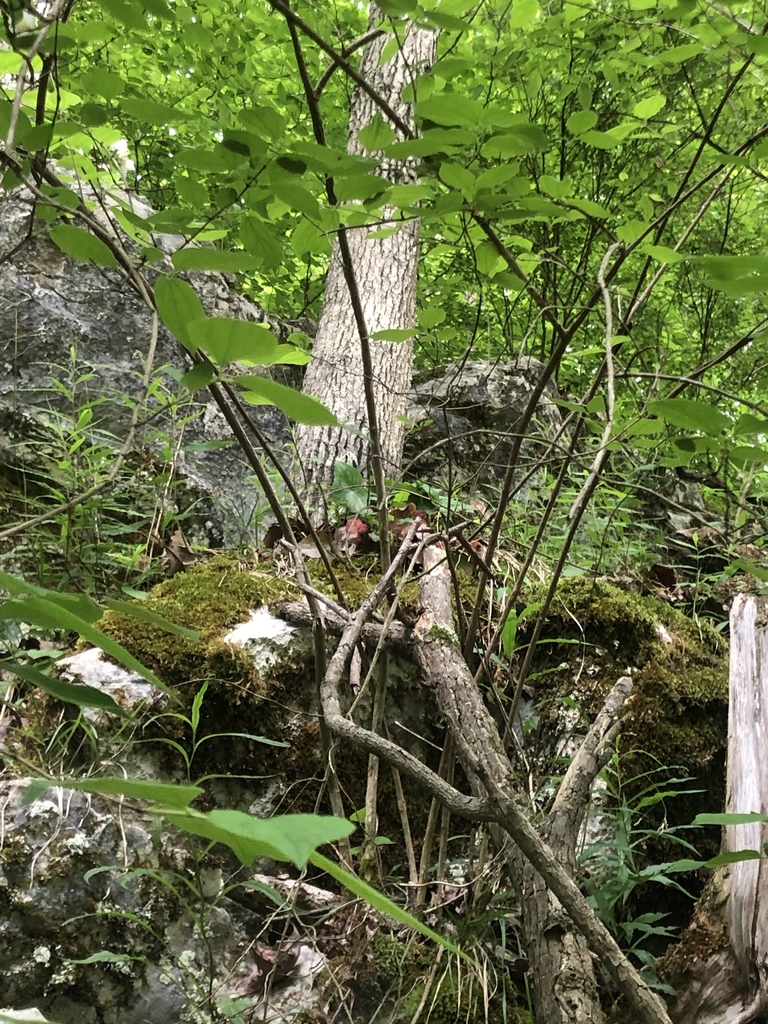
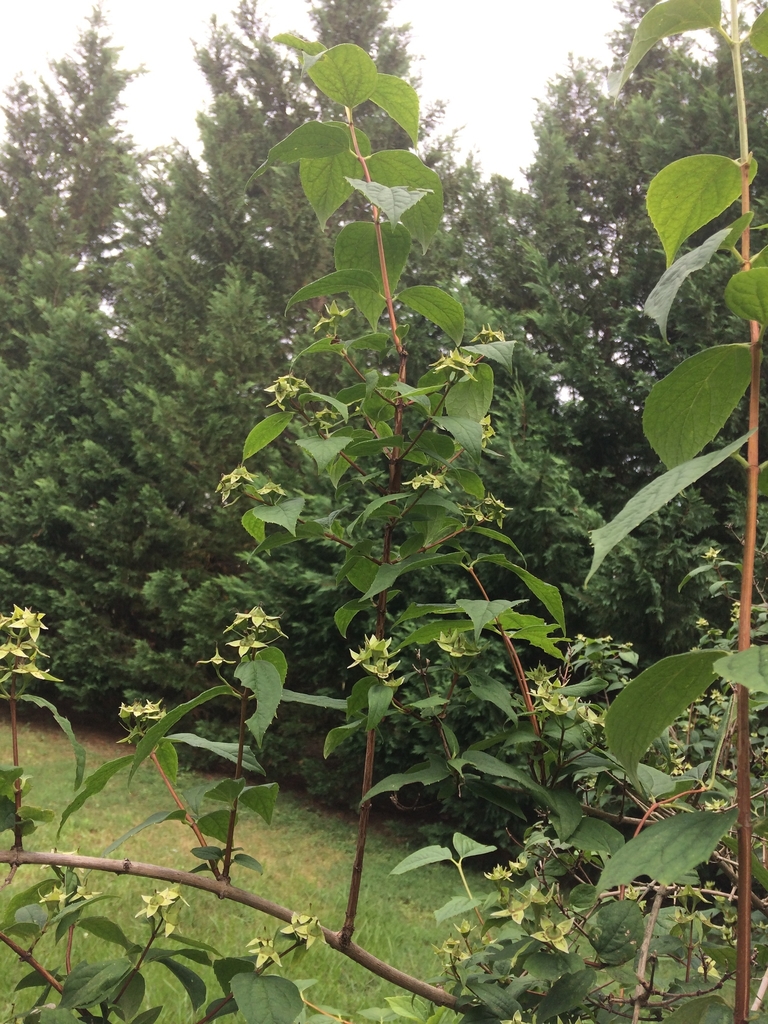
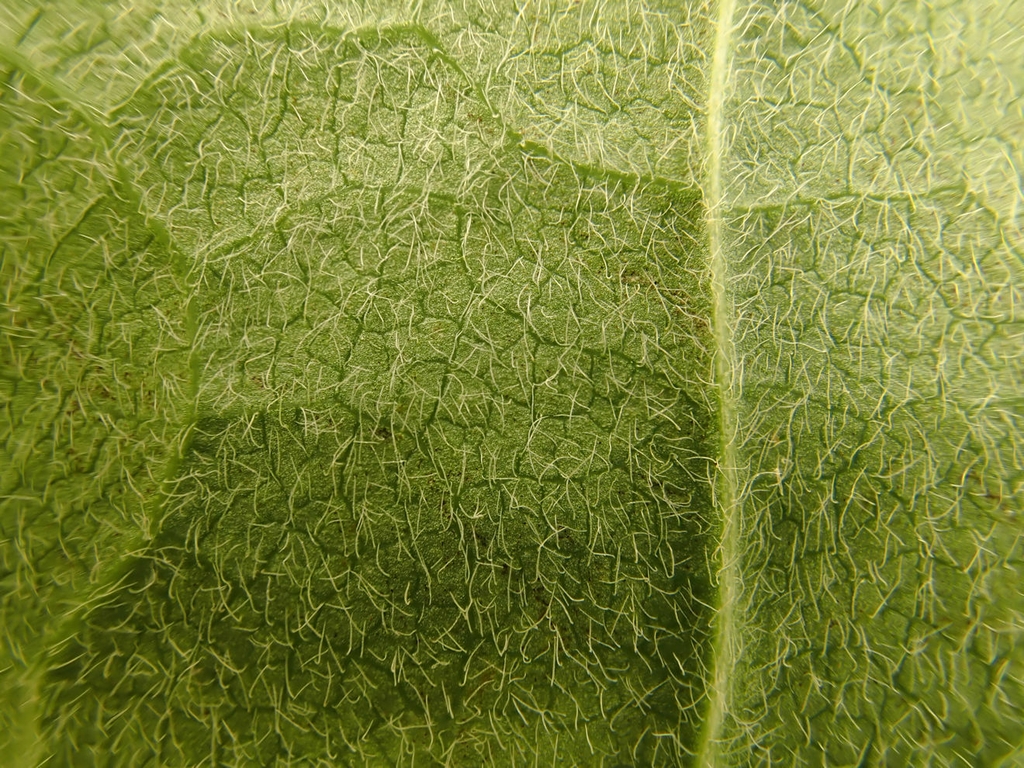
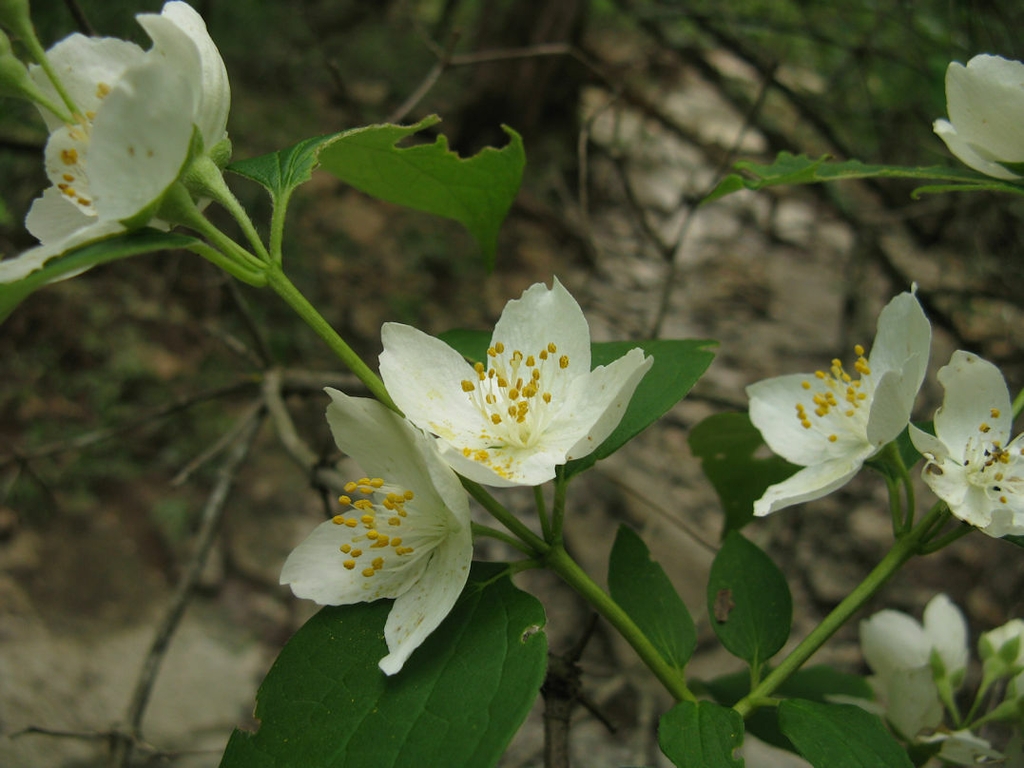
Hairy Mock orange is a flowering, upright, deciduous shrub with a dense and rounded form in the hydrangea family. At maturity (5 to 10 years after planting), it can reach a height of 10 feet. It is native to the Southeastern United States including North Carolina, but is fairly rare in the mountains. The leaves and new stems are densely hairy (thus the common name) and the white, relatively sparse, blossoms appear in late spring and early summer.
Hairy Mock orange does best in organically rich, moist, well-drained soils in full sun to light shade. It tolerates a wide range of soils, including clay, as well as drought.
Flowers appear on prior year’s growth, so prune as needed immediately after flowering. Stems can be cut to the ground (also just after flowering) if the shrub becomes scraggly, unkempt or otherwise in need of rejuvenation. Plant bare root plants in winter before the ground freezes.
This plant is best used as filler in a shrub border or on the edge of natural area. Given the sparse blossoms and lack of fragrance, this is considered one of the less ornamental species of the Philadelphus genus.
Diseases, Insect Pests, and Other Plant Problems:
No known diseases or insect pests. Can sometimes be susceptible to leaf spot, canker, powdery mildew or rust. Watch for aphids, nematodes, scale and leaf miners.
- See this plant in the following landscape :
- Cultivars / Varieties:
-
- Tags:


- Cultivars / Varieties:
-
- Tags:
-
-
Attributes:
- Genus:
- Philadelphus
- Species:
- hirsutus
- Family:
- Hydrangeaceae
- Life Cycle:
- Perennial
- Recommended Propagation Strategy:
- Stem Cutting
- Country Or Region Of Origin:
- Southeastern United States
- Distribution:
- Virginia to Georgia and west to Arkansas
- Dimensions:
- Height: 6 ft. 0 in. - 10 ft. 0 in.
- Width: 3 ft. 0 in. - 4 ft. 0 in.
-
-
Whole Plant Traits:
- Plant Type:
- Perennial
- Shrub
- Woody Plant Leaf Characteristics:
- Deciduous
- Habit/Form:
- Arching
- Dense
- Rounded
- Growth Rate:
- Slow
- Maintenance:
- Low
- Texture:
- Medium
-
-
Cultural Conditions:
- Light:
- Full sun (6 or more hours of direct sunlight a day)
- Partial Shade (Direct sunlight only part of the day, 2-6 hours)
- Soil Texture:
- Clay
- High Organic Matter
- Loam (Silt)
- Sand
- Soil Drainage:
- Good Drainage
- Moist
- NC Region:
- Coastal
- Mountains
- Piedmont
- USDA Plant Hardiness Zone:
- 5a, 5b, 6a, 6b, 7a, 7b, 8a, 8b, 9a, 9b
-
-
Fruit:
- Fruit Type:
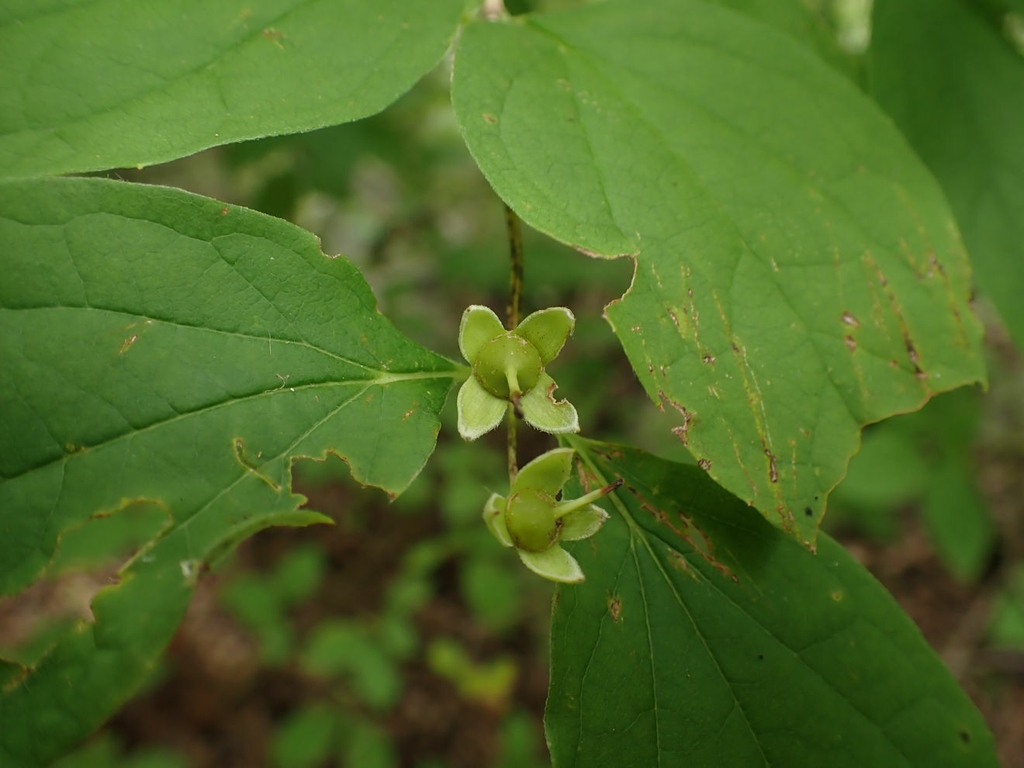
- Capsule
-
-
Flowers:
- Flower Color:
- White
- Flower Inflorescence:
- Cyme
- Flower Value To Gardener:
- Showy
- Flower Bloom Time:
- Spring
- Flower Shape:
- Cup
- Flower Size:
- 1-3 inches
- Flower Description:
- White, cup-shaped flowers about 1 1/4 inches across bloom in May and June. Blossoms tend to be sparse and unscented.
-
-
Leaves:
- Woody Plant Leaf Characteristics:
- Deciduous
- Leaf Color:
- Green
- Leaf Feel:
- Rough
- Leaf Type:
- Simple
- Leaf Arrangement:
- Opposite
- Leaf Shape:
- Lanceolate
- Ovate
- Leaf Margin:
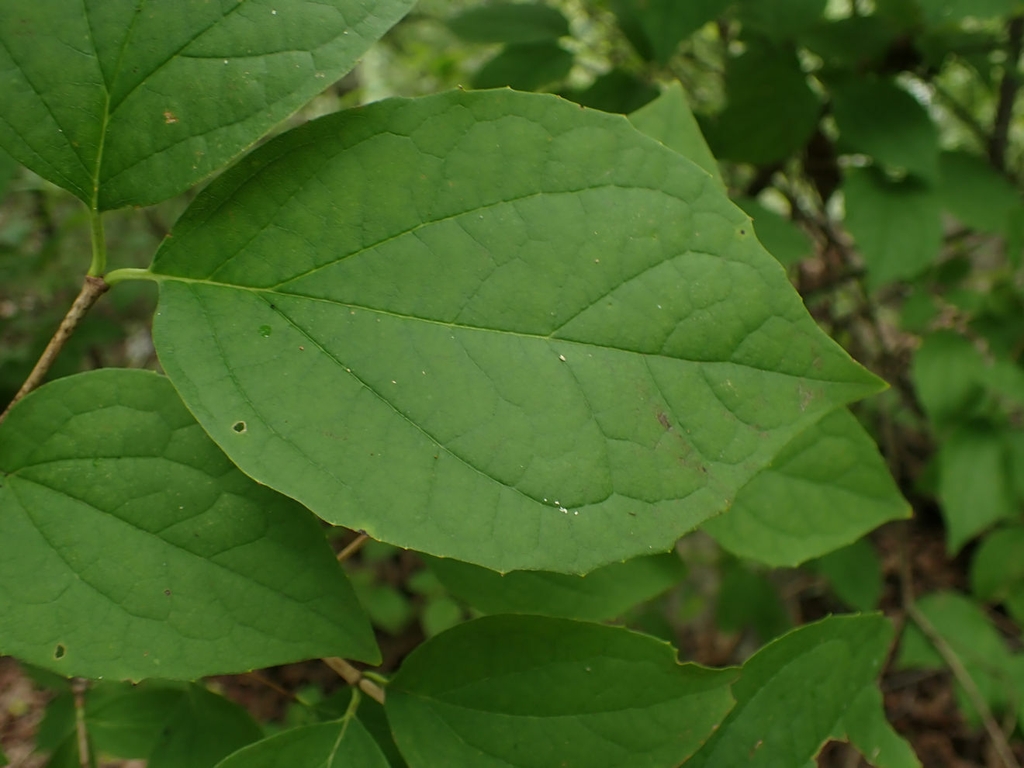
- Dentate
- Hairs Present:
- Yes
- Leaf Length:
- 3-6 inches
- Leaf Width:
- < 1 inch
- Leaf Description:
- Lustrous dark green leaves up to 4 inches long and an inch wide with white hairs on the underside.
-
-
Stem:
- Stem Color:
- Brown/Copper
- Gray/Silver
- Stem Is Aromatic:
- No
- Stem Surface:
- Hairy (pubescent)
- Stem Description:
- New twigs are densely hairy. Stems are branched and exfoliating.
-
-
Landscape:
- Landscape Location:
- Walkways
- Landscape Theme:
- Native Garden
- Design Feature:
- Border
- Hedge