



Pedicularis canadensis
Common Name(s):
- Phonetic Spelling
- pe-dik-yoo-LAIR-is ka-na-DEN-sis
- Description
-
Wood Betony is a flowering, perennial herbaceous plant in the fig wort family that is native to southeastern Canada, southeastern United States, and northern Mexico. In North Carolina, it is found in all areas of the state, although it is rare in the coastal plains. It can be found in a variety of habitats including open woods, thickets and clearings. It is a hemiparasite that attaches to the roots of neighboring plants including some grasses; however, it does produce its own chlorophyll. The genus name is Latin for "relating to lice". The species name means "of Canada. Despite the species name, the plant has no relationship, either in attracting or dispelling, lice on feeding animals.
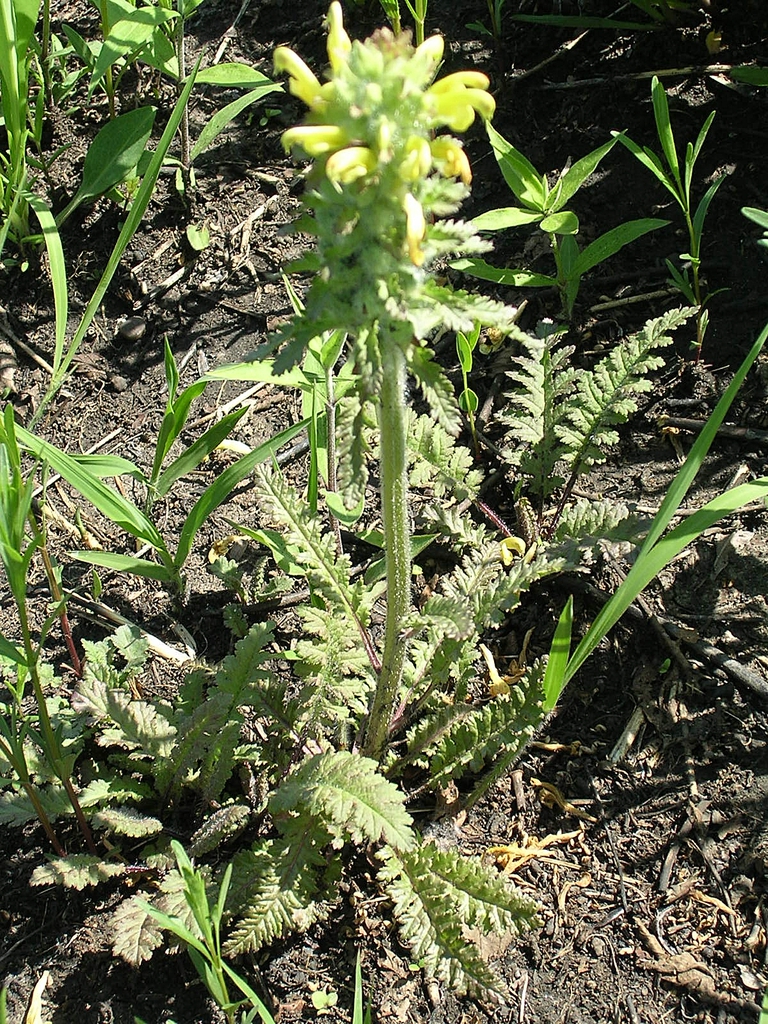
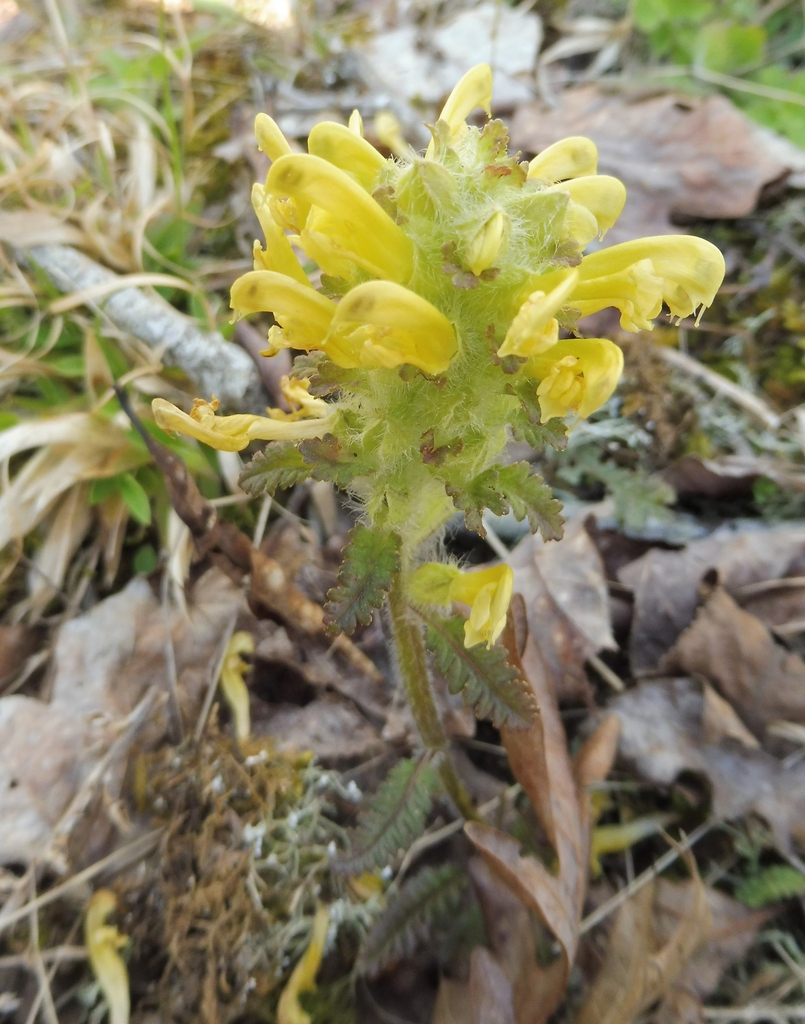
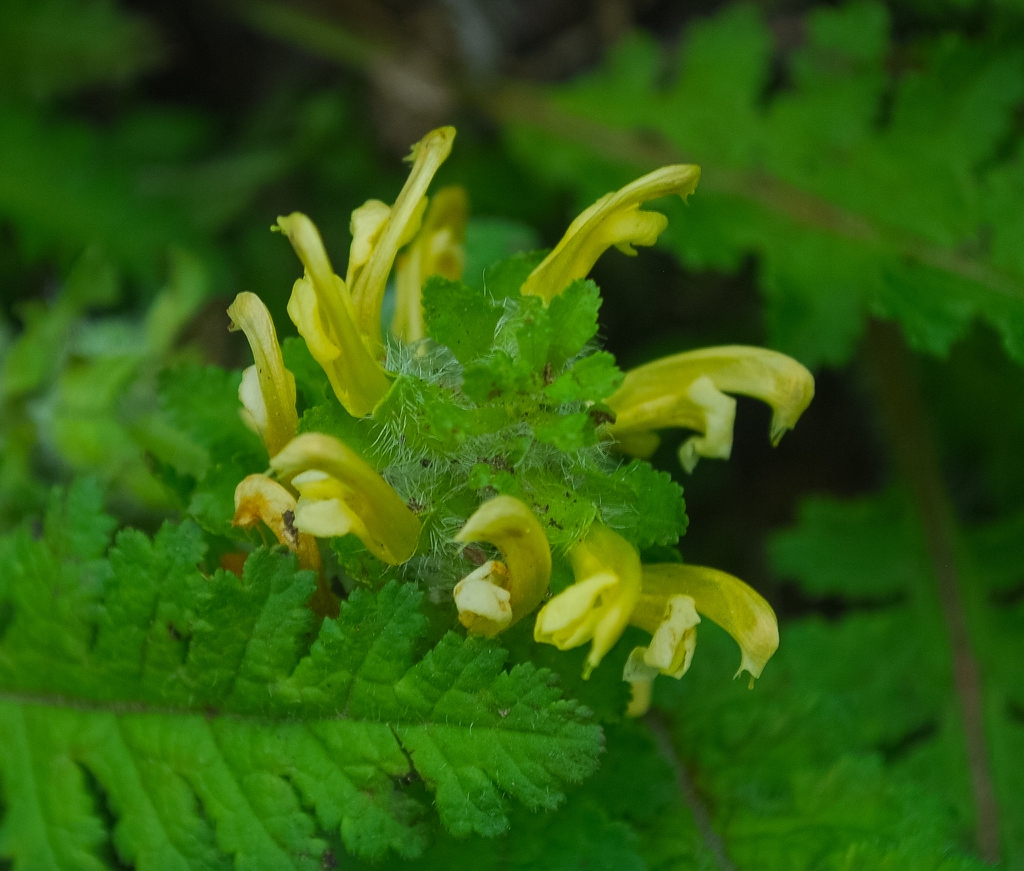
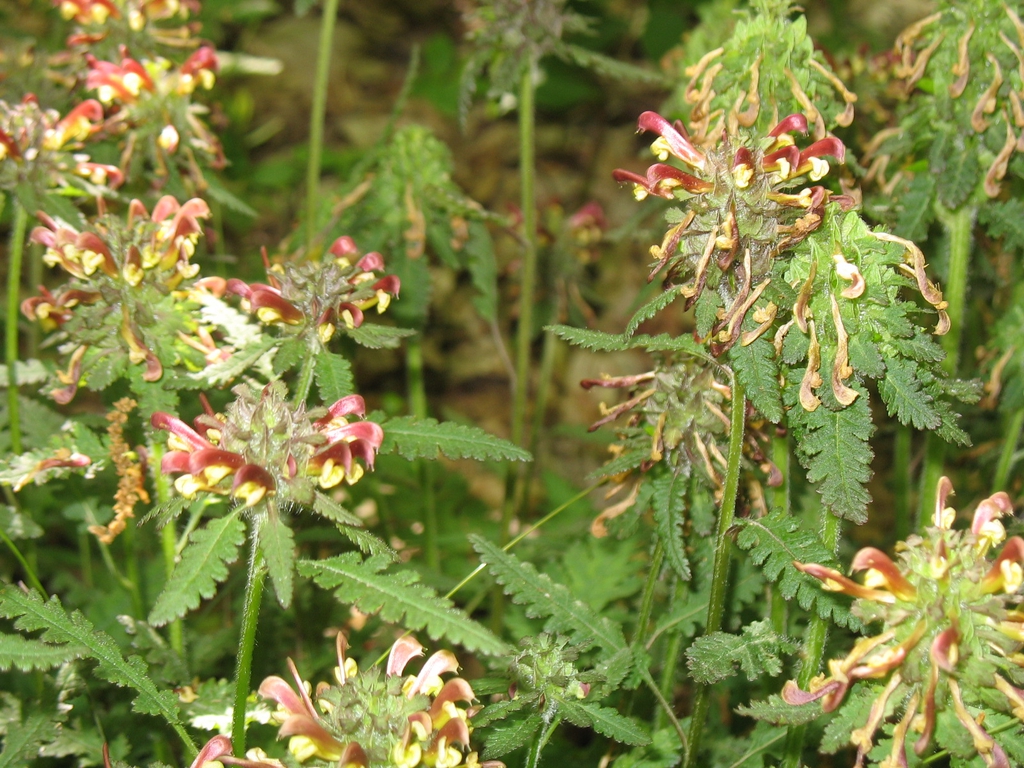
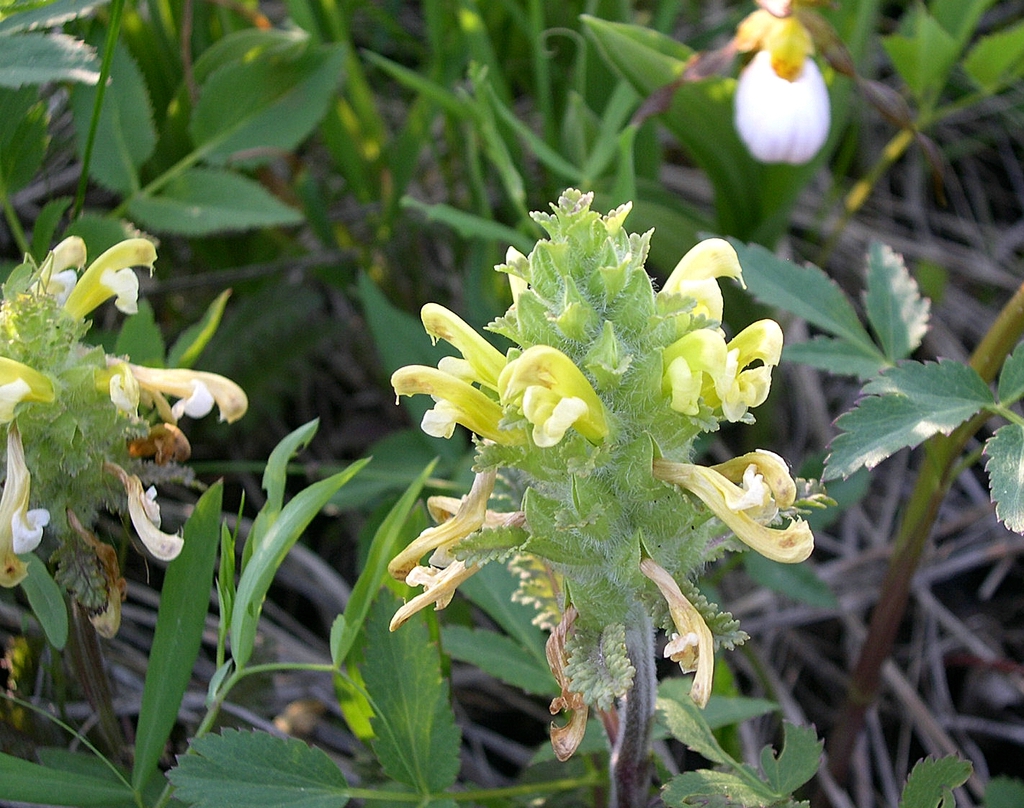
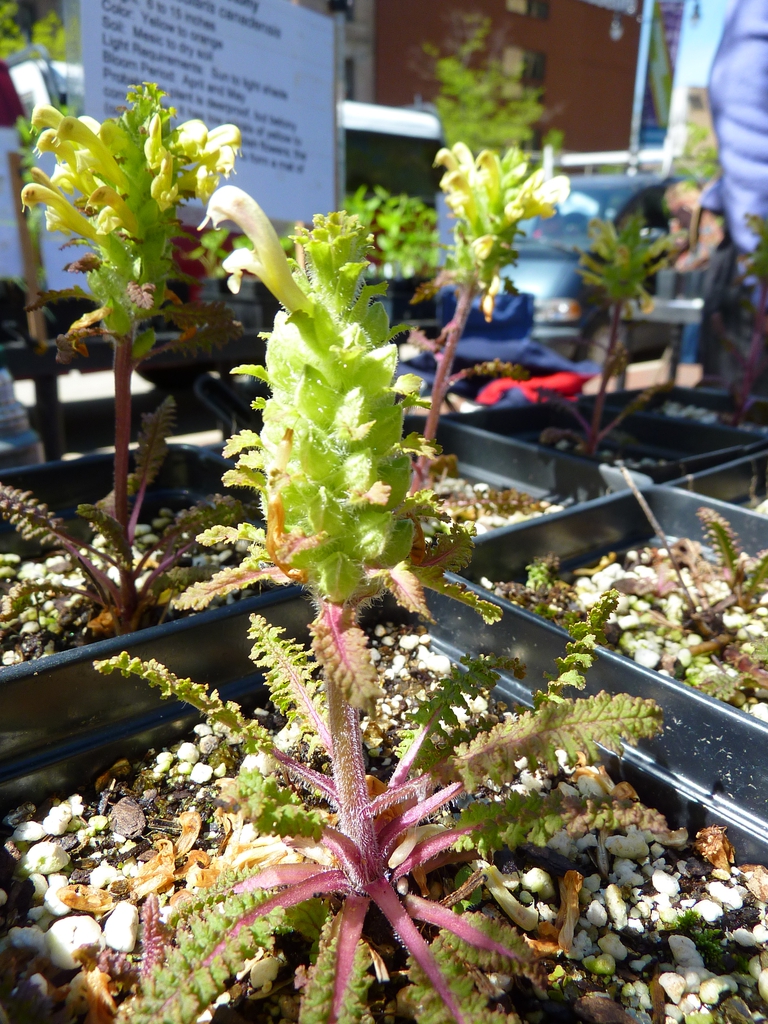
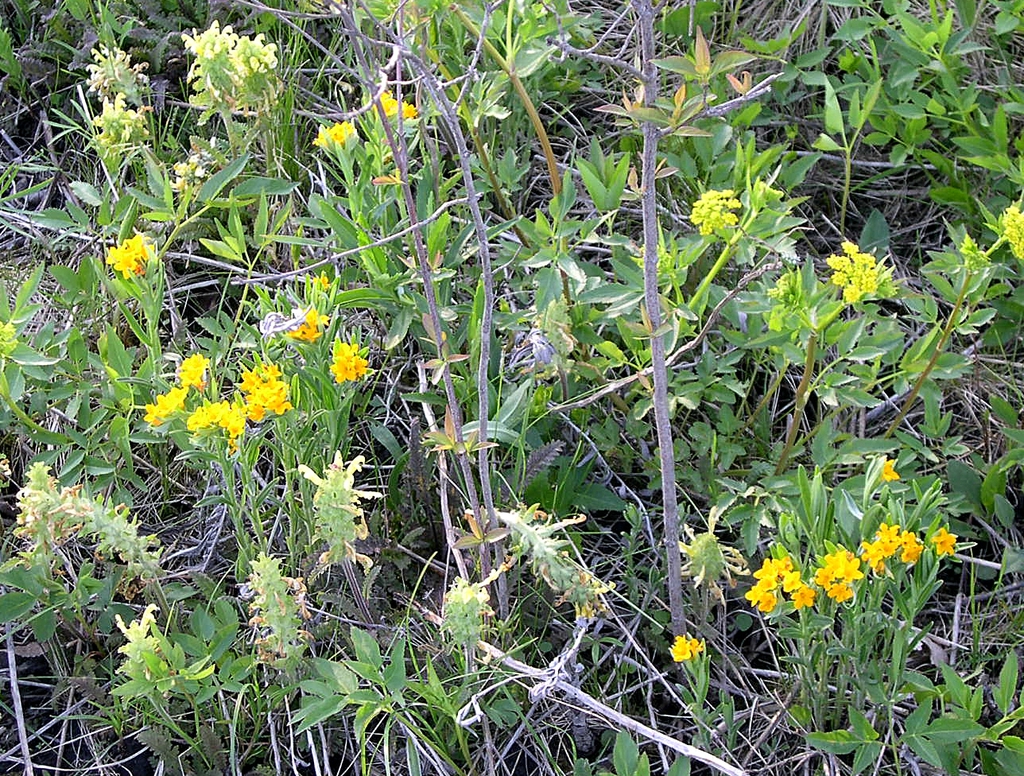
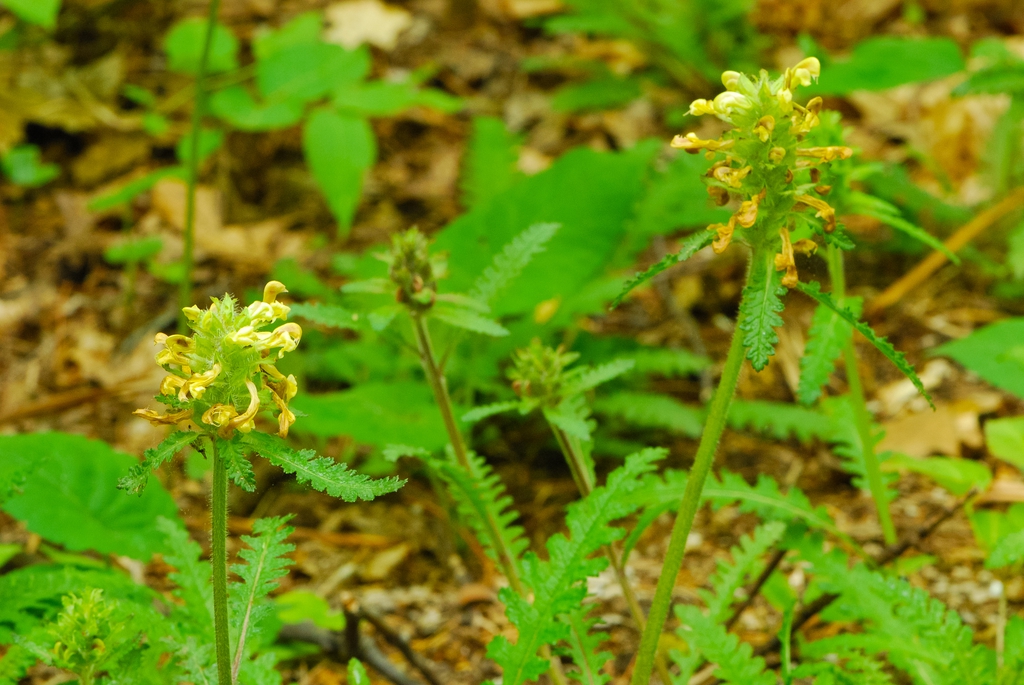
The plant is unbranched with leaves that are mostly in a basal rosette with a few stem leaves. The lobed wavy-edged margins give it a ferny look. A spike of 2-lipped yellow to red flowers appears from April to June, blooming from the bottom up. The plant attract bees.
Wood Betony does best in full sun, but will tolerate partial shade. It prefers medium moisture, well-drained soils and once established, will tolerate some drought. It can spread into colonies by means of self-seeding.
Diseases, Insect Pests, and Other Plant Problems:
No known diseases or insect pests.
- See this plant in the following landscape :
- Cultivars / Varieties:
-
- Tags:


- Cultivars / Varieties:
-
- Tags:
-
-
Attributes:
- Genus:
- Pedicularis
- Species:
- canadensis
- Family:
- Orobanchaceae
- Uses (Ethnobotany):
- Eaten as a vegetable by native Americans. Infusion of the roots used medicinally.
- Life Cycle:
- Perennial
- Recommended Propagation Strategy:
- Seed
- Country Or Region Of Origin:
- Southeast Canada, Northern Mexico, and Eastern United States.
- Distribution:
- Quebec to Manitoba south to Texas and Florida.
- Wildlife Value:
- Bumblebees pollinate the flowers.
- Dimensions:
- Height: 1 ft. 0 in. - 1 ft. 6 in.
- Width: 0 ft. 6 in. - 1 ft. 0 in.
-
-
Whole Plant Traits:
- Plant Type:
- Herbaceous Perennial
- Native Plant
- Wildflower
- Woody Plant Leaf Characteristics:
- Deciduous
- Habit/Form:
- Erect
- Growth Rate:
- Medium
- Maintenance:
- Low
- Texture:
- Fine
-
-
Cultural Conditions:
- Light:
- Full sun (6 or more hours of direct sunlight a day)
- Partial Shade (Direct sunlight only part of the day, 2-6 hours)
- Soil Texture:
- Loam (Silt)
- Sand
- Soil pH:
- Acid (<6.0)
- Soil Drainage:
- Good Drainage
- Moist
- Occasionally Dry
- NC Region:
- Coastal
- Mountains
- Piedmont
- USDA Plant Hardiness Zone:
- 3a, 3b, 4a, 4b, 5a, 5b, 6a, 6b, 7a, 7b, 8a, 8b
-
-
Fruit:
- Fruit Color:
- Black
- Fruit Type:
- Capsule
- Fruit Description:
- Large, angular and hairy fruits.
-
-
Flowers:
- Flower Color:
- Gold/Yellow
- Red/Burgundy
- Flower Inflorescence:
- Spike
- Flower Value To Gardener:
- Fragrant
- Showy
- Flower Bloom Time:
- Spring
- Summer
- Flower Shape:
- Lipped
- Tubular
- Flower Petals:
- 2-3 rays/petals
- Flower Size:
- < 1 inch
- Flower Description:
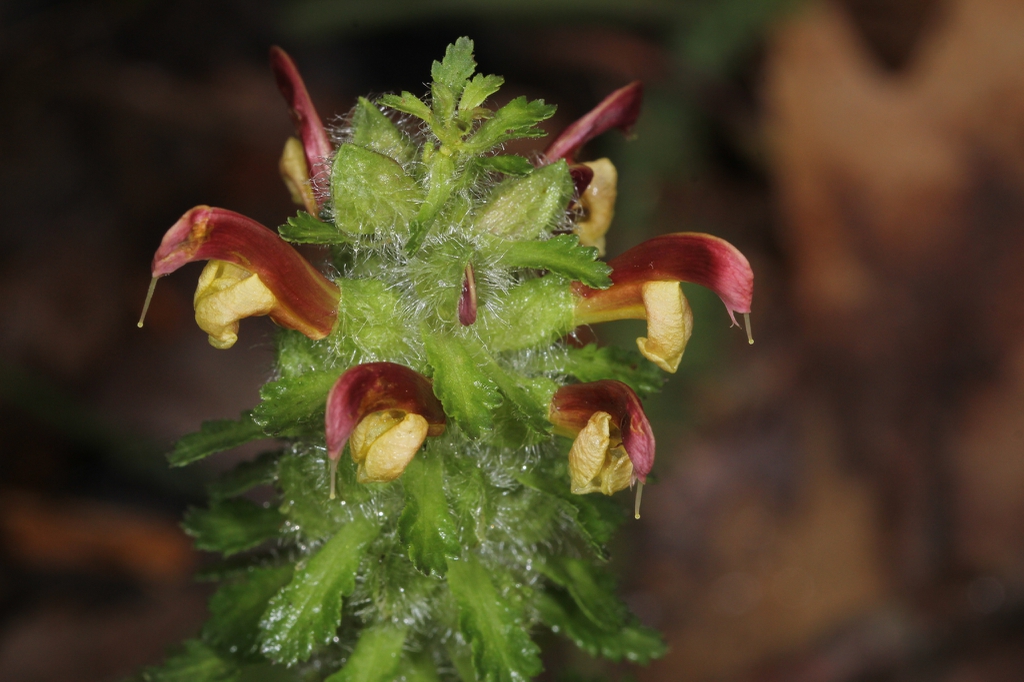
- Flowers have a long arching upper lip and form a short, dense terminal whorl, atop an unbranched, sparsely-leaved, often hairy stalk. Flowers vary in color from light yellow to purple-red or both. Each flower is 3/4 of an inch long, tubular, 2-lipped, hooded, and subtended by a leafy bract.
-
-
Leaves:
- Woody Plant Leaf Characteristics:
- Deciduous
- Leaf Color:
- Green
- Leaf Type:
- Simple
- Leaf Arrangement:
- Alternate
- Leaf Shape:
- Lanceolate
- Leaf Margin:
- Crenulate
- Lobed
- Undulate
- Hairs Present:
- Yes
- Leaf Length:
- > 6 inches
- Leaf Width:
- 1-3 inches
- Leaf Description:
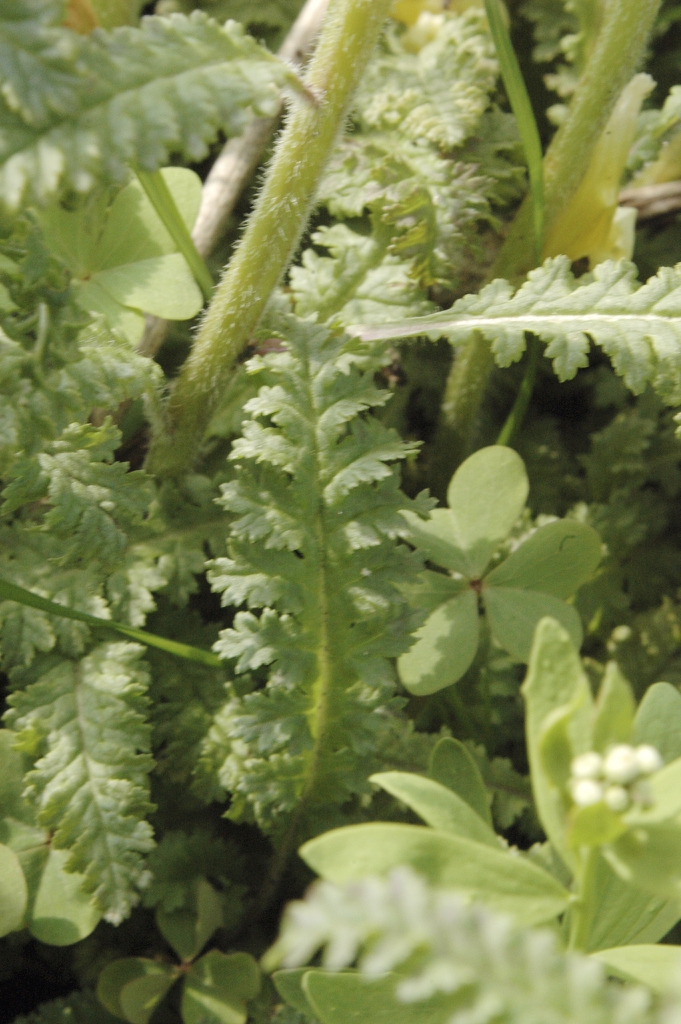
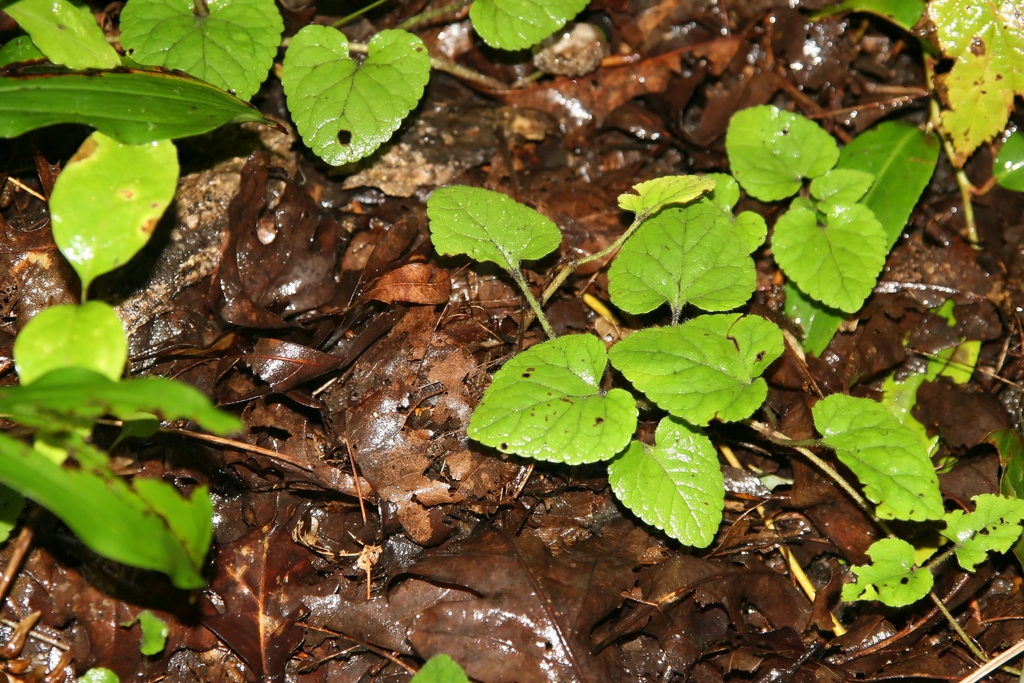
- Flowering stalk rises from the center of a basal rosette of deeply cut, 6 inch, fern-like leaves. Leaves are green throughout the growing season.
-
-
Stem:
- Stem Is Aromatic:
- No
- Stem Surface:
- Hairy (pubescent)
- Stem Description:
- Single stem. Green or reddish-brown stalk covered in hairs.
-
-
Landscape:
- Landscape Location:
- Naturalized Area
- Woodland
- Landscape Theme:
- Native Garden
- Design Feature:
- Border
- Small groups
- Attracts:
- Bees
- Pollinators



