


Pancratium maritimum
Common Name(s):
- Phonetic Spelling
- pan-KRAY-shee-um muh-RIT-ih-mum
- This plant has low severity poison characteristics.
- See below
- Description
-
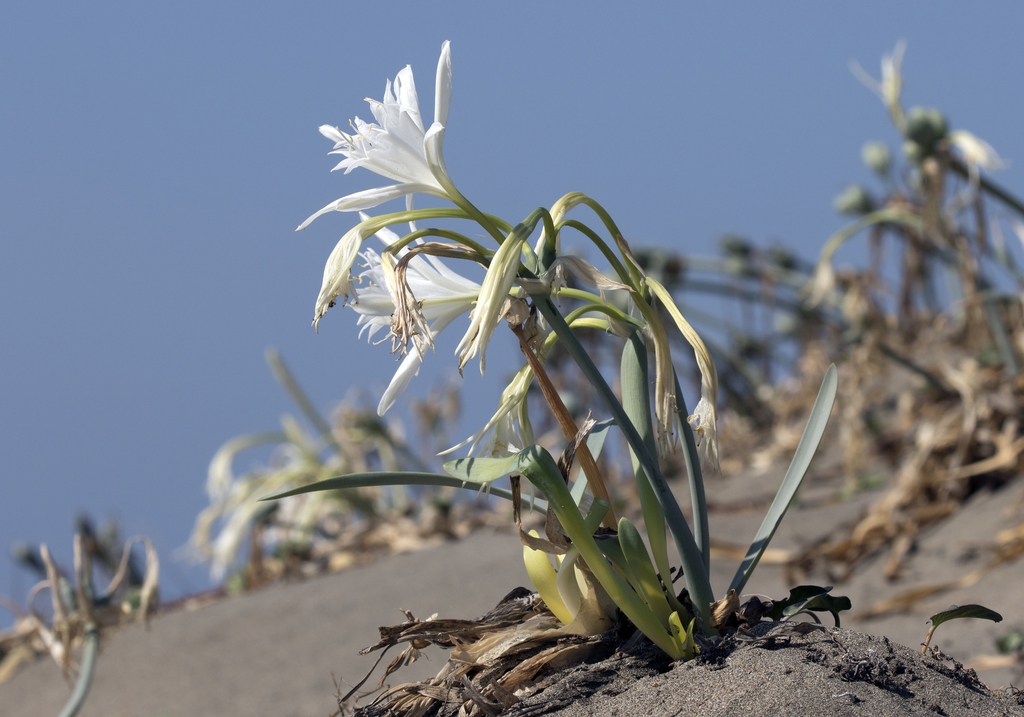
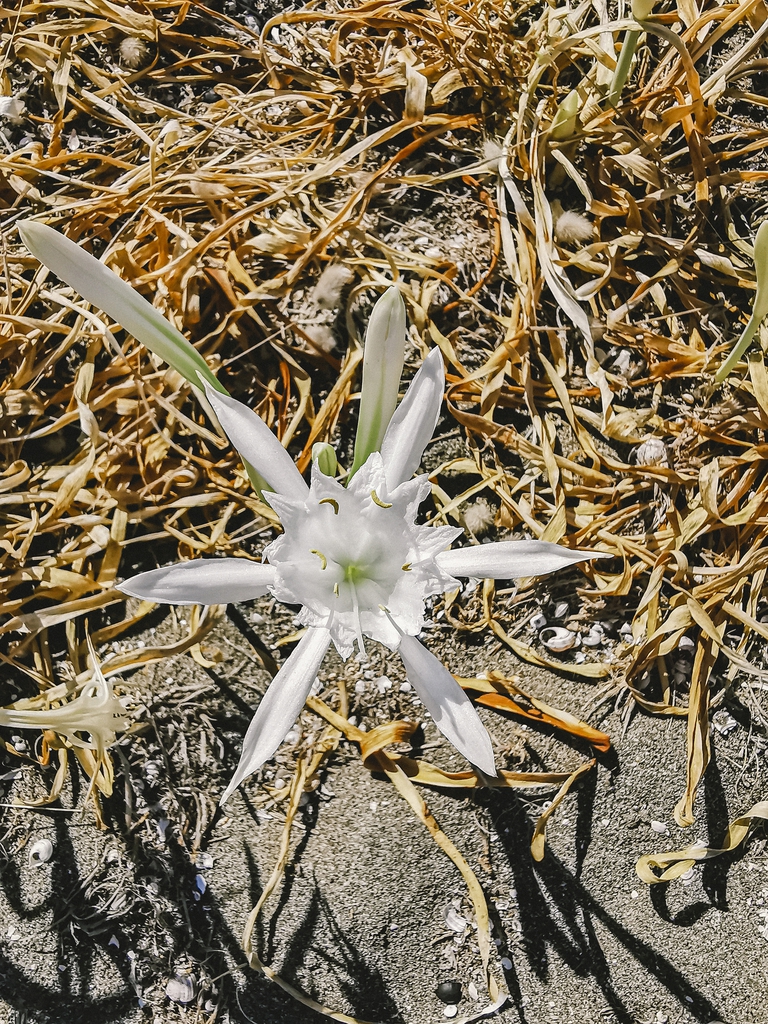
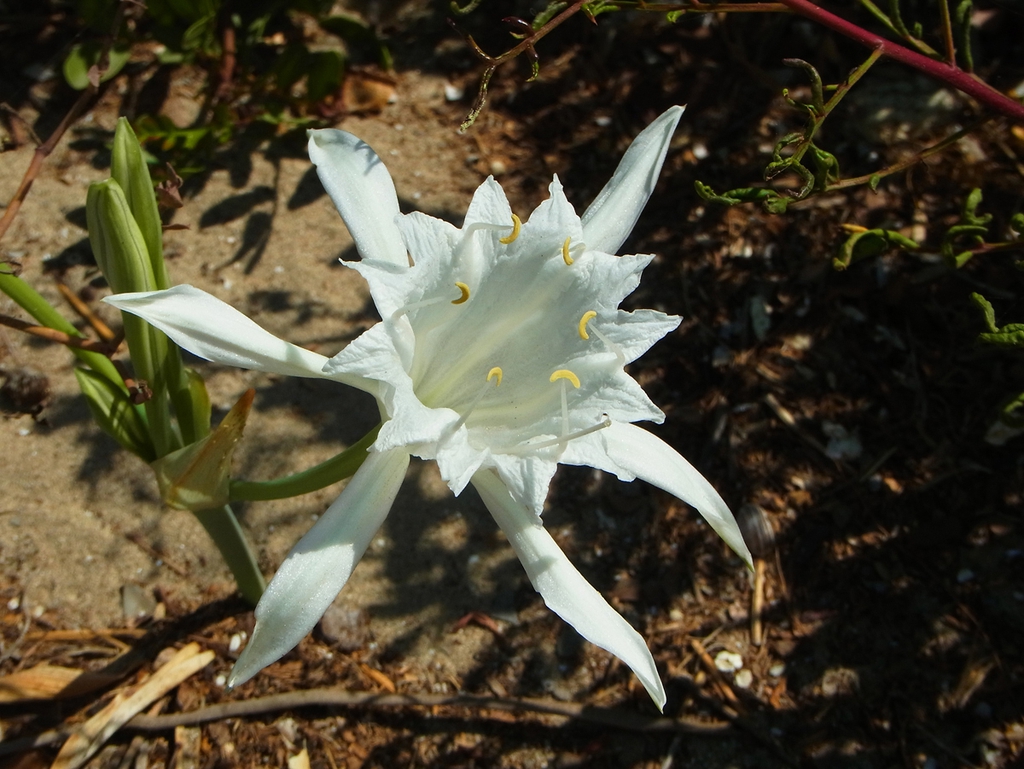
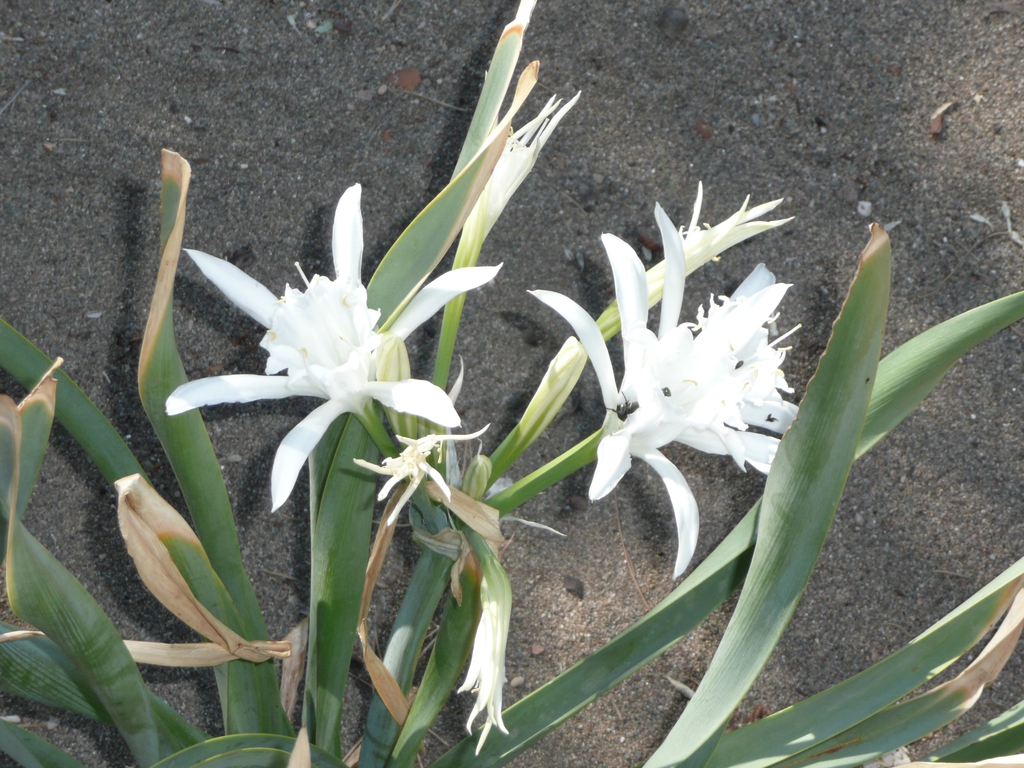
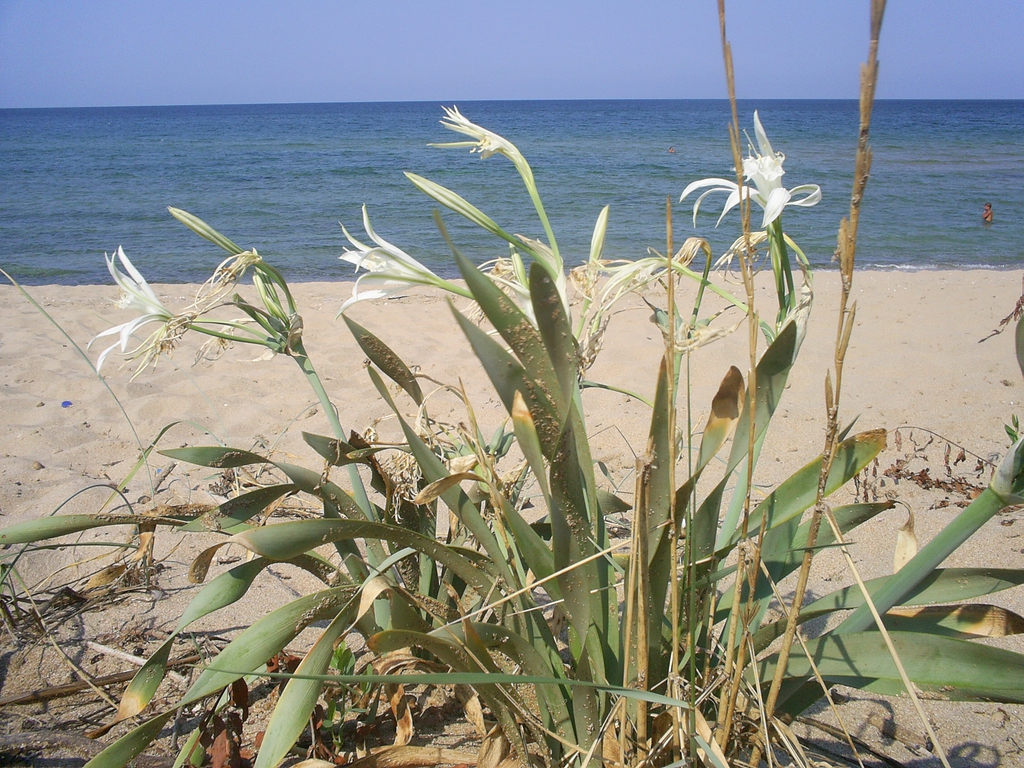
Sea Daffodil is an flowering perennial, evergreen bulb in the onion family native to the Canary Islands and the Mediterranean and Black Sea coasts. It is often found growing in sand just above the high tide mark along the Atlantic coast. It is in leaf year round with long-lasting blooms of fragrant flowers on a long stalk that appear in early summer and last into early fall.
Sea Daffodil grows on beaches and coastal sand dunes and so does best in sandy soils with good drainage, moist or sometimes dry, and sited in full sun. It will tolerate maritime exposure. Bulbs should be planted deeply in a warm, sheltered, environment.
Sea Daffodil flowers best in hot summers. While it can tolerate temperatures down to 23 degrees F, blooms will be impacted by the cold. It can be grown from seed or division after flowering completes, but it may take 3 or 4 years after planting before a plant will flower.
Diseases, Insect Pests, and Other Plant Problems:
No known insect or diseases.
- See this plant in the following landscape :
- Cultivars / Varieties:
-
- Tags:


- Cultivars / Varieties:
-
- Tags:
-
-
Attributes:
- Genus:
- Pancratium
- Species:
- maritimum
- Family:
- Amaryllidaceae
- Life Cycle:
- Bulb
- Perennial
- Recommended Propagation Strategy:
- Seed
- Country Or Region Of Origin:
- Canary Islands, Mediterranean and Black Sea
- Distribution:
- California
- Edibility:
- The bulbs, when eaten, can cause stomach problems.
- Dimensions:
- Height: 1 ft. 0 in. - 1 ft. 8 in.
- Width: 0 ft. 9 in. - 1 ft. 0 in.
-
-
Whole Plant Traits:
- Plant Type:
- Bulb
- Perennial
- Poisonous
- Habit/Form:
- Erect
- Spreading
- Maintenance:
- Low
-
-
Cultural Conditions:
- Light:
- Full sun (6 or more hours of direct sunlight a day)
- Soil Texture:
- Sand
- Soil pH:
- Acid (<6.0)
- Alkaline (>8.0)
- Neutral (6.0-8.0)
- Soil Drainage:
- Good Drainage
- Moist
- Occasionally Dry
- USDA Plant Hardiness Zone:
- 7a, 7b, 8a, 8b, 9a, 9b, 10a, 10b
-
-
Fruit:
- Display/Harvest Time:
- Fall
- Fruit Type:
- Capsule
-
-
Flowers:
- Flower Color:
- Cream/Tan
- White
- Flower Inflorescence:
- Umbel
- Flower Value To Gardener:
- Fragrant
- Showy
- Flower Bloom Time:
- Fall
- Summer
- Flower Shape:
- Funnel
- Flower Petals:
- Tepals
- Flower Size:
- 3-6 inches
- Flower Description:
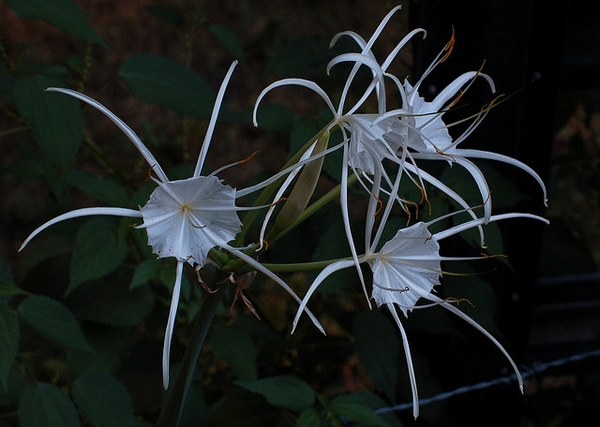
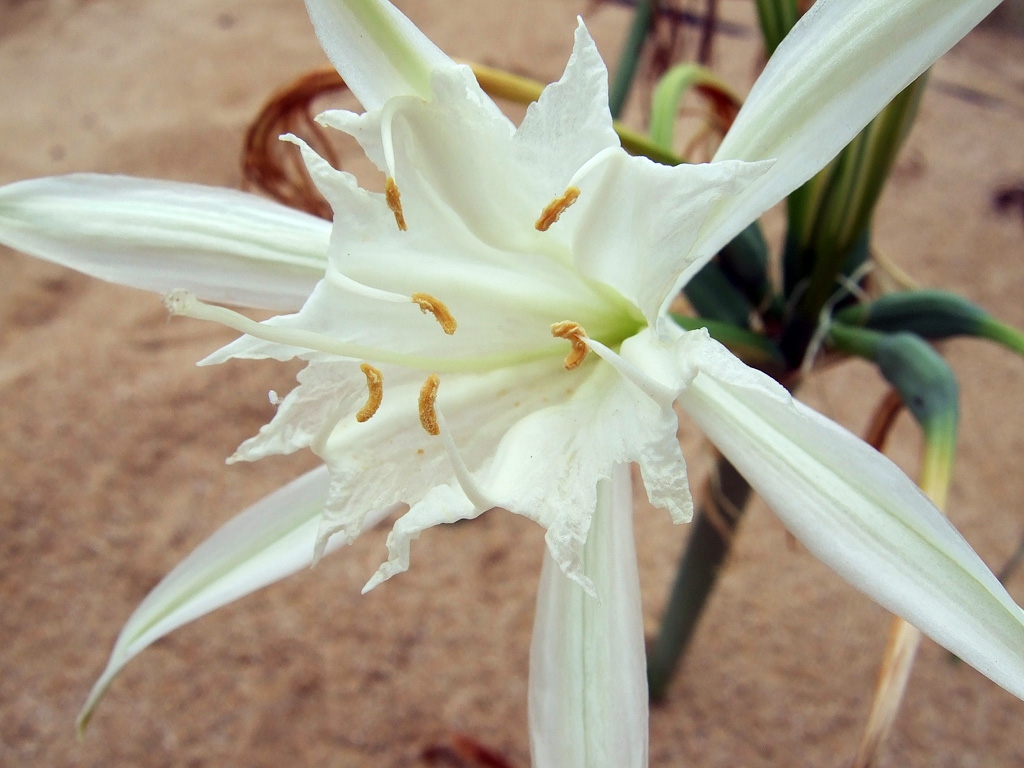
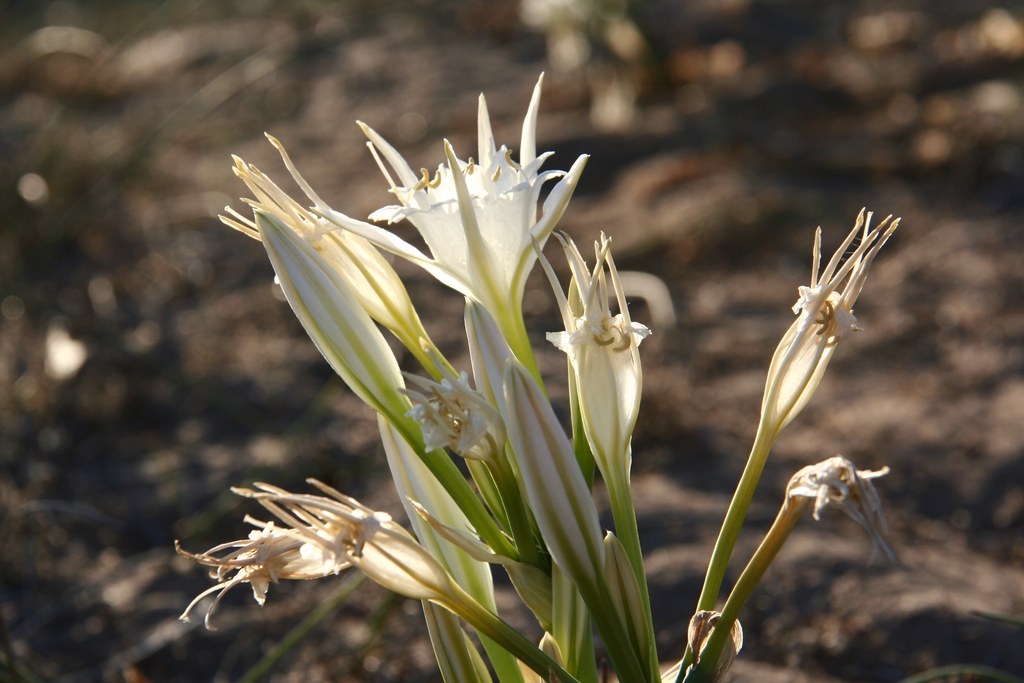
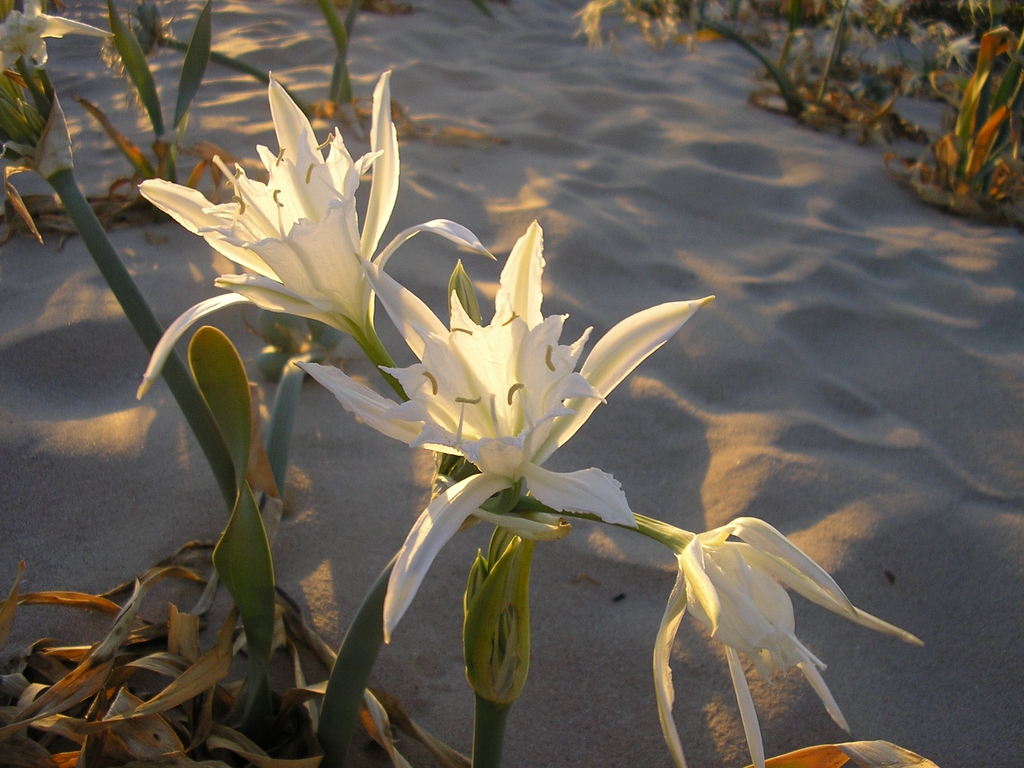
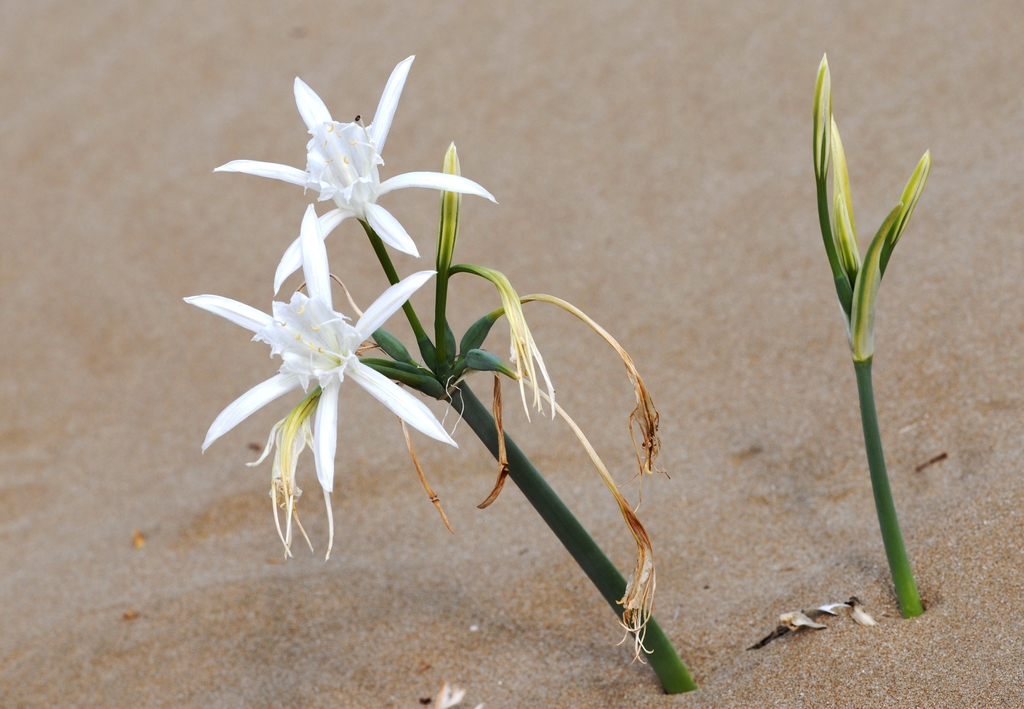
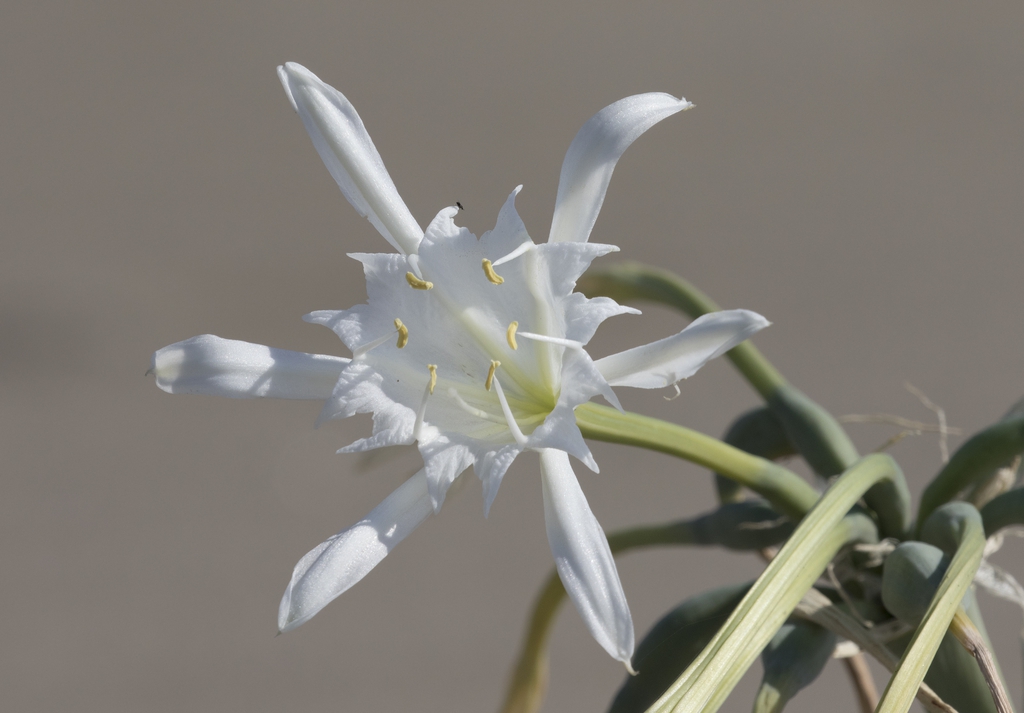
- Three to fifteen, lily-like, white flowers up to 6 inches long. Corona two-thirds as long as the tepals. The flowers have a pleasing, exotic and very subtle lily scent. Flowering is from August to October.
-
-
Leaves:
- Leaf Color:
- Green
- Leaf Type:
- Fronds
- Leaf Shape:
- Linear
- Hairs Present:
- No
- Leaf Length:
- > 6 inches
- Leaf Description:
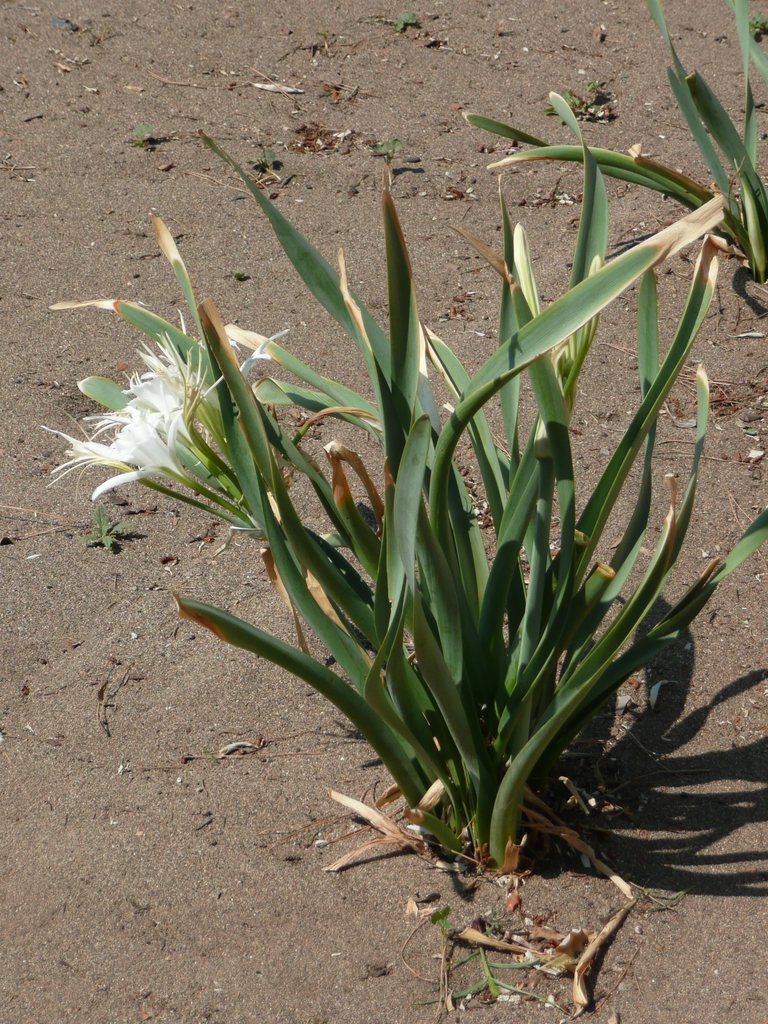
- Glaucous, broadly linear 18 inch leaves, evergreen, but the leaves can die back during hot summers without irrigation.
-
-
Stem:
- Stem Is Aromatic:
- No
- Stem Form:
- Straight
- Stem Description:
- Stem rises from the center of the foliage in summer.
-
-
Landscape:
- Landscape Location:
- Container
- Houseplants
- Landscape Theme:
- Cottage Garden
- Water Garden
- Design Feature:
- Accent
- Small groups
- Resistance To Challenges:
- Wet Soil
- Problems:
- Poisonous to Humans