


Toothed Burclover Medicago polymorpha
Other Common Name(s):
Previously known as:
- Medicago hispida
- Phonetic Spelling
- med-DIK-ah-go pol-ee-MOR-fuh
- Description
-
Bur medick is an annual or short-lived perennial, flowering, shallow-rooted legume in the bean family native to the countries bordering the Mediterranean Sea. The genus name is from the Greek word "Medlick" or "medick" meaning alfalfa and the species epithet polymorpha means many forms or variable. The common name, burclover, comes from summer grazing sheep that often accumulate numerous burs in the wool.
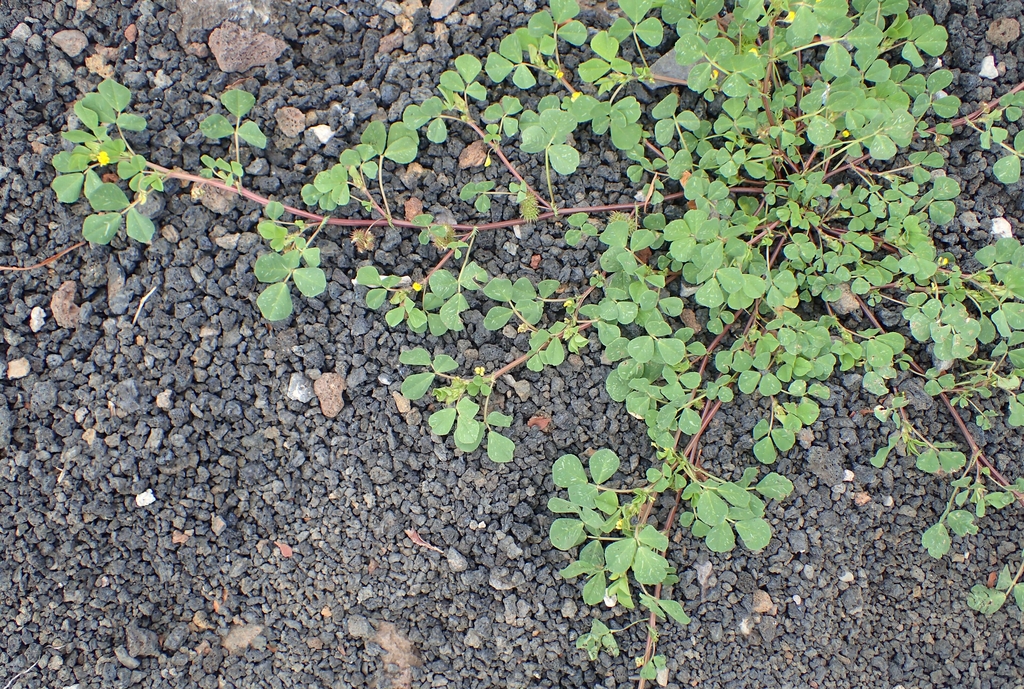
It grows up to 2 feet, usually in full sun, forming mats on the ground as it spreads horizontally. It is often found along roadsides, disturbed areas, and stream banks. The plant can spread aggressively and can become invasive as numerous prostrate stems branch from the crown and spread out 6 to 30 inches. It is adaptable to most soil types and moisture levels. As a lawn weed, it can be controlled by hand pulling, mowing and herbicides.
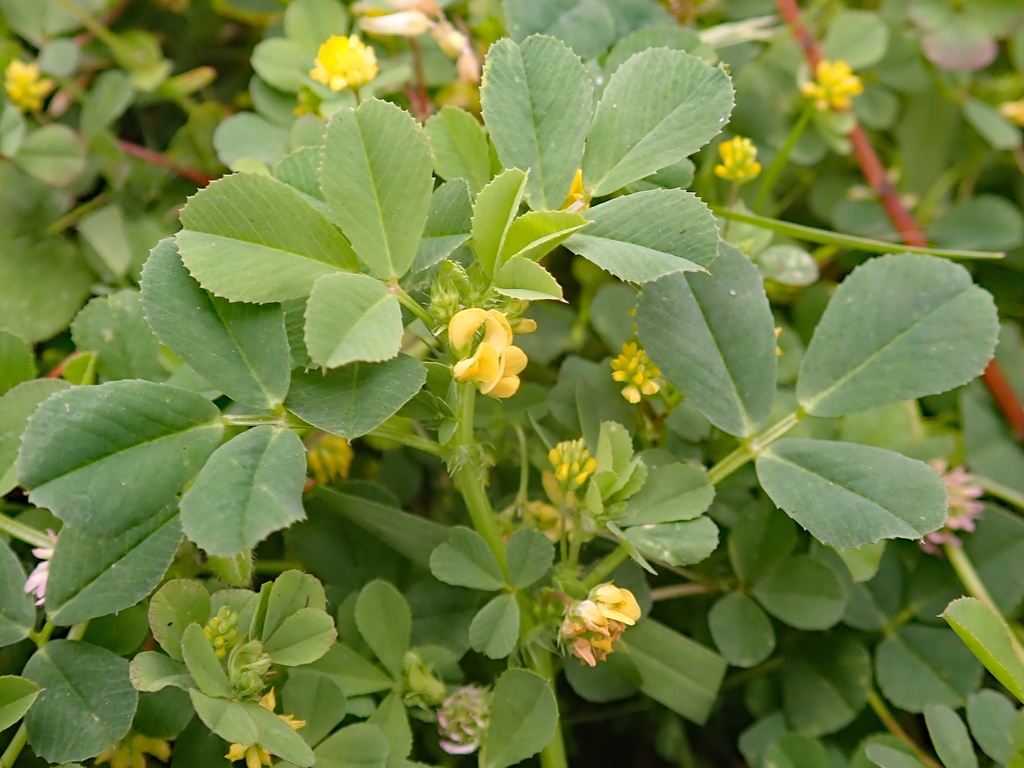
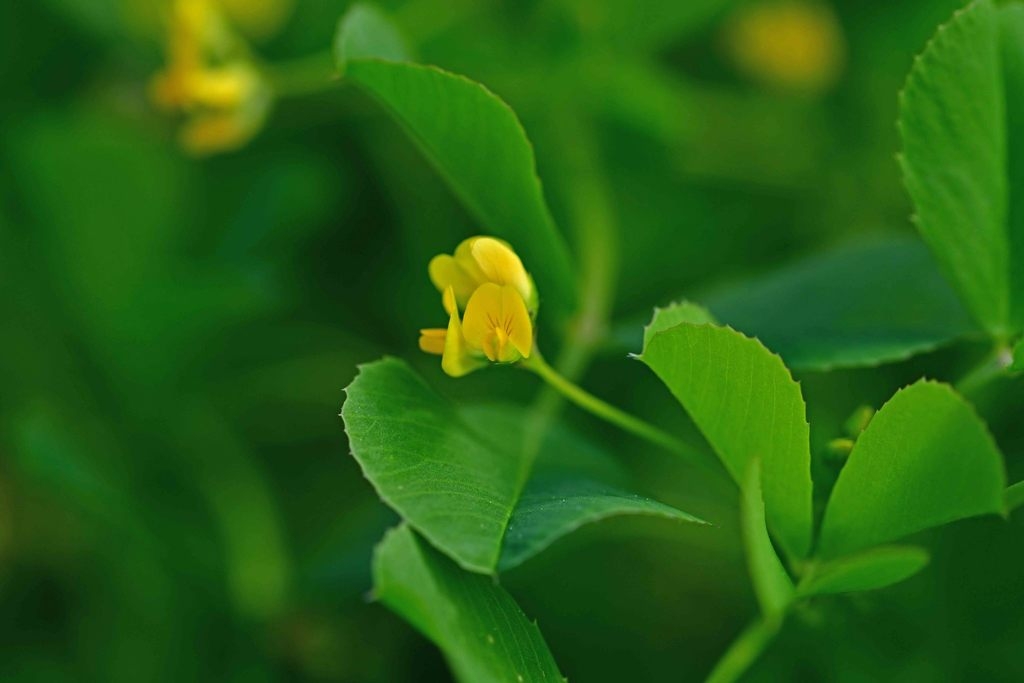
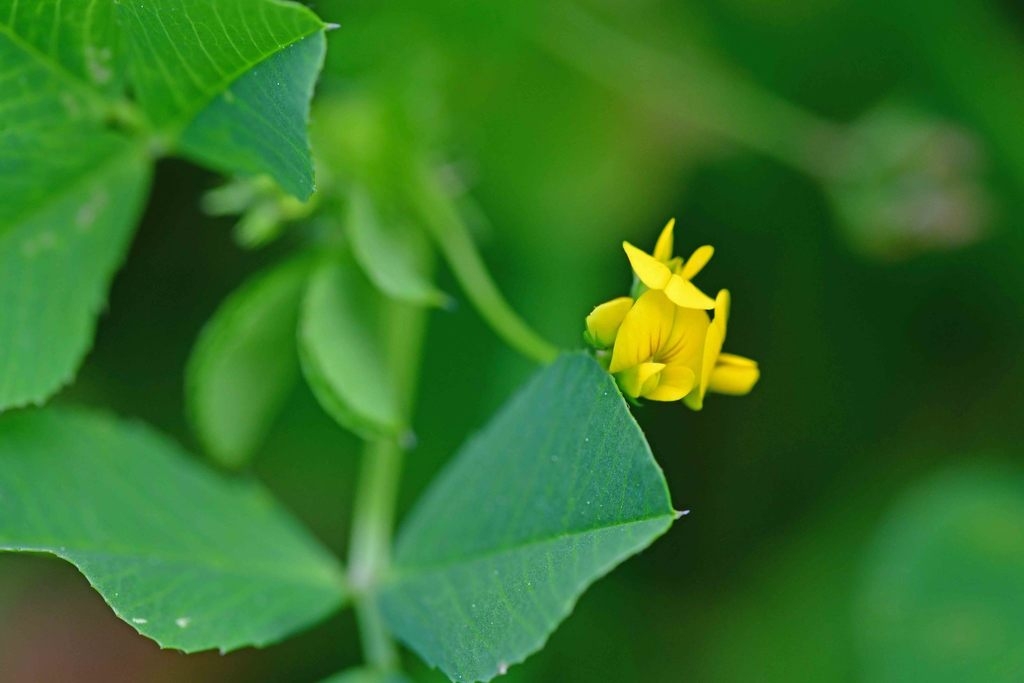
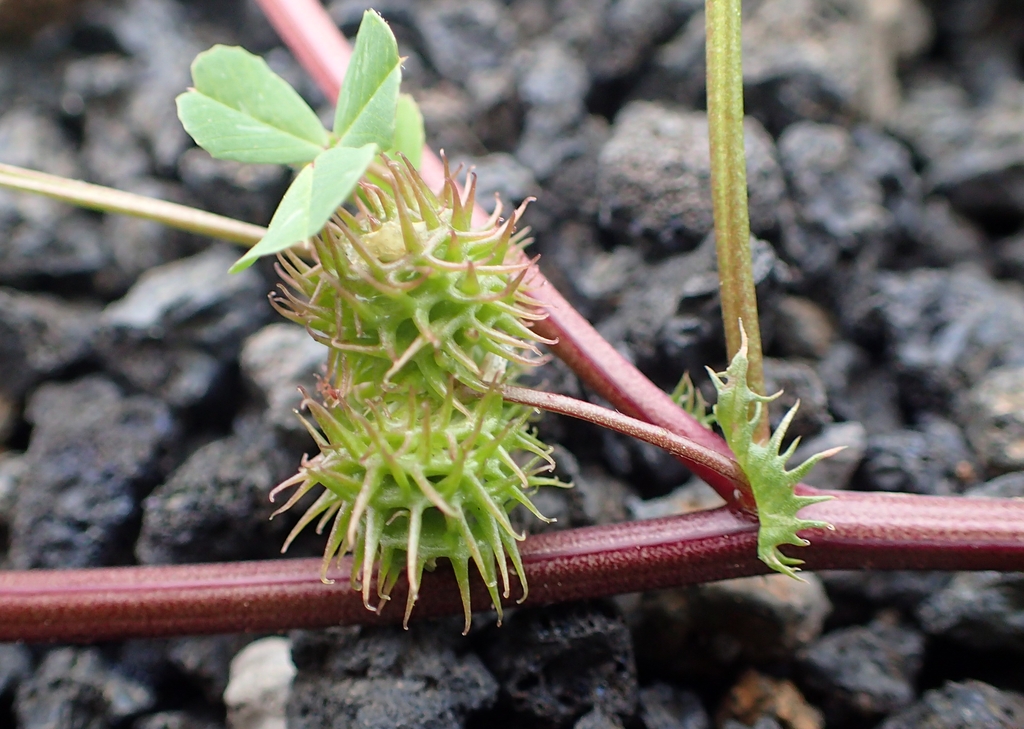
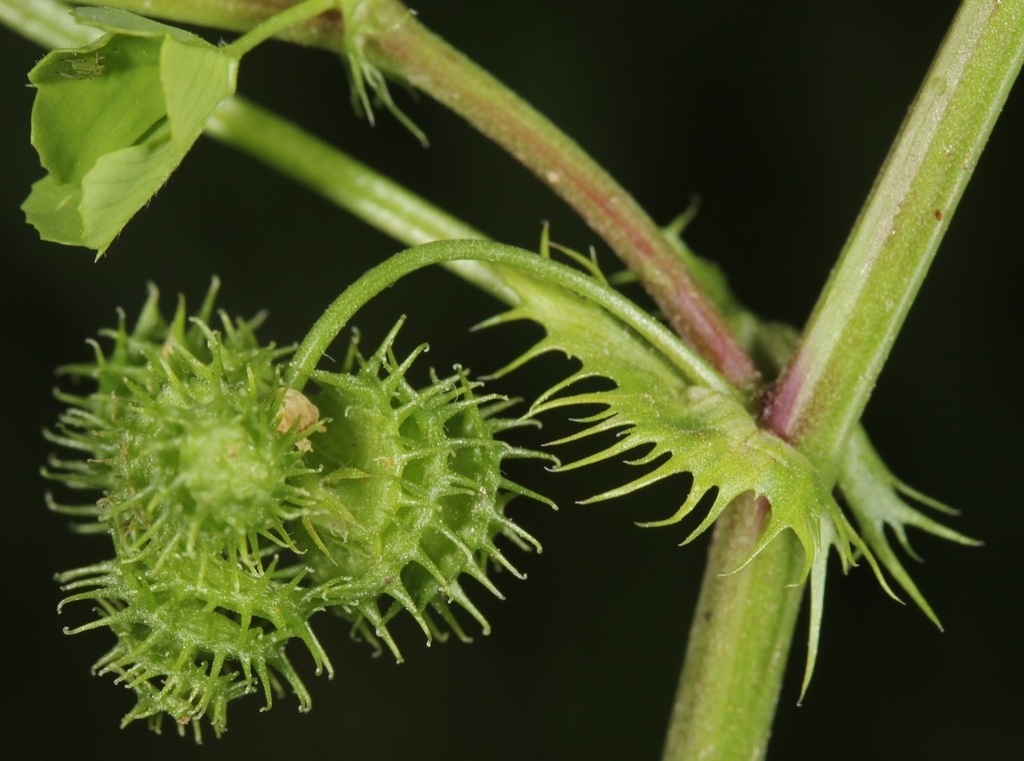
The yellow flowers attract pollinators and the compound leaves have three round leaflets, making it look clover-like. The fruit coils and is covered in burrs, allowing it to attach to clothes and fur.
Bur medick is commonly used as a cover crop in orchards because of its dense growth and ability to fix nitrogen and as forage.
Diseases, Insect Pests, and Other Plant Problems: No significant diseases or insect pests.
- See this plant in the following landscape :
- Cultivars / Varieties:
-
- Tags:


- Cultivars / Varieties:
-
- Tags:
-
-
Attributes:
- Genus:
- Medicago
- Species:
- polymorpha
- Family:
- Fabaceae
- Uses (Ethnobotany):
- All livestock except horses and mules will eat bur clover readily, especially when the plant is maturing. Bur clover is used for medicinal purposes in India, Italy and other countries.
- Life Cycle:
- Annual
- Perennial
- Recommended Propagation Strategy:
- Seed
- Country Or Region Of Origin:
- Europe east to Central Asia, Northern Africa and Arabia.
- Distribution:
- Europe, Asia, Australia, western United States, Central America, and western South America.
- Wildlife Value:
- Quail and deer make extensive use of the dry burs.
- Edibility:
- Plant is edible and used as a vegetable in China. The seeds can be ground and used to make mu
- Dimensions:
- Height: 1 ft. 6 in. - 2 ft. 0 in.
- Width: 0 ft. 6 in. - 2 ft. 6 in.
-
-
Whole Plant Traits:
- Plant Type:
- Annual
- Ground Cover
- Perennial
- Weed
- Habit/Form:
- Creeping
- Dense
- Horizontal
- Multi-stemmed
- Spreading
- Growth Rate:
- Rapid
- Maintenance:
- High
- Texture:
- Fine
- Appendage:
- Prickles
-
-
Cultural Conditions:
- Light:
- Full sun (6 or more hours of direct sunlight a day)
- Partial Shade (Direct sunlight only part of the day, 2-6 hours)
- Soil Texture:
- Clay
- Loam (Silt)
- Sand
- Soil pH:
- Acid (<6.0)
- Alkaline (>8.0)
- Neutral (6.0-8.0)
- Soil Drainage:
- Good Drainage
- Moist
- Occasionally Dry
- Available Space To Plant:
- 12 inches-3 feet
- NC Region:
- Coastal
- Mountains
- Piedmont
- USDA Plant Hardiness Zone:
- 3a, 3b, 4a, 4b, 5a, 5b, 6a, 6b, 7a, 7b, 8a, 8b, 9a, 9b
-
-
Fruit:
- Fruit Color:
- Black
- Gray/Silver
- Display/Harvest Time:
- Fall
- Summer
- Fruit Type:
- Legume
- Fruit Description:
- Prickly, gray black, cylindrical and coiled with burs that attach to fur for dispersal. The flattened, coiled pod, commonly up to 1/4 inch wide. Well developed plants may produce more than 1,000 pods. The seed is large - over 3/32 of an inch in length.
-
-
Flowers:
- Flower Color:
- Gold/Yellow
- Flower Inflorescence:
- Insignificant
- Raceme
- Flower Bloom Time:
- Spring
- Summer
- Winter
- Flower Shape:
- Lipped
- Flower Size:
- < 1 inch
- Flower Description:
- Small yellow flowers appear in clusters at the end of stems from March to June.
-
-
Leaves:
- Leaf Color:
- Green
- Leaf Feel:
- Smooth
- Leaf Type:
- Compound (Pinnately , Bipinnately, Palmately)
- Leaf Arrangement:
- Alternate
- Leaf Shape:
- Obovate
- Orbicular
- Ovate
- Leaf Margin:
- Serrate
- Hairs Present:
- Yes
- Leaf Length:
- < 1 inch
- Leaf Width:
- < 1 inch
- Leaf Description:
- The alternate green compound leaves have three round leaflets appearing clover-like. They sometimes have purple and white markings on their upper surface or a small inverted V mark at the base of the leaf.. The margins are slightly serrated
-
-
Stem:
- Stem Color:
- Green
- Red/Burgundy
- Stem Is Aromatic:
- No
- Stem Form:
- Straight
- Stem Surface:
- Hairy (pubescent)
- Stem Description:
- Light green or red-green stems with white hairs can reach a length of 30 inches. Older plants have less hair. They may also be branched, prostrate, or ascending.
-
-
Landscape:
- Attracts:
- Pollinators
- Problems:
- Weedy