


Gomphrena 'Pink Zazzle'
Common Name(s):
- Phonetic Spelling
- gom-FREE-nuh
- Description
-
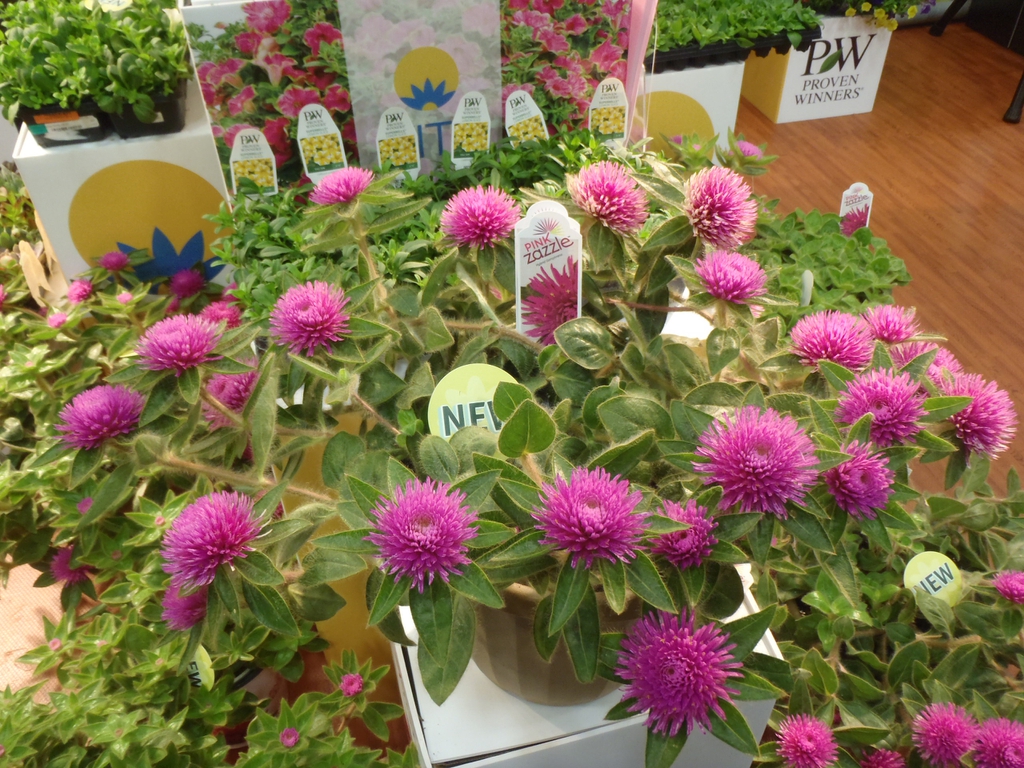
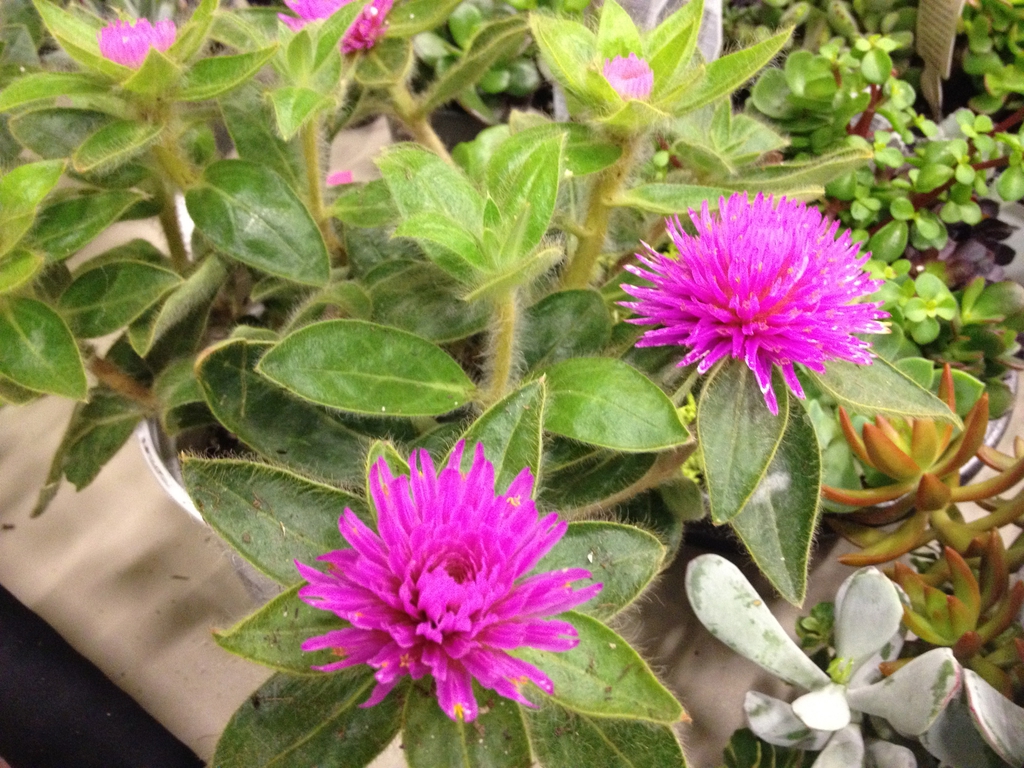
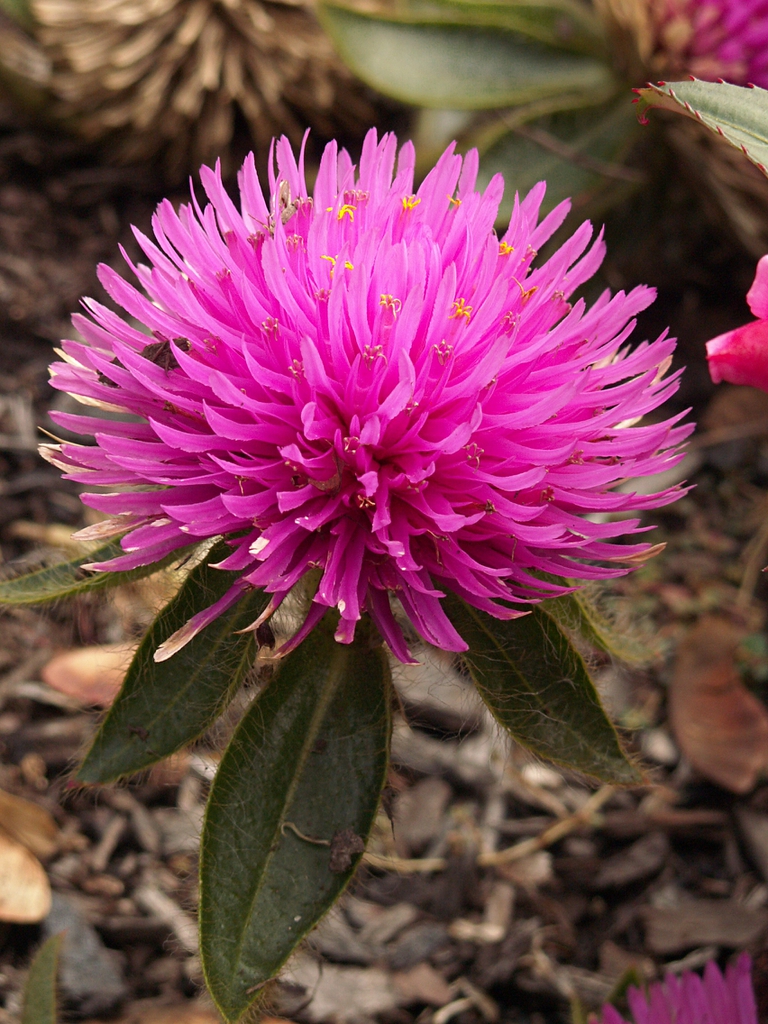
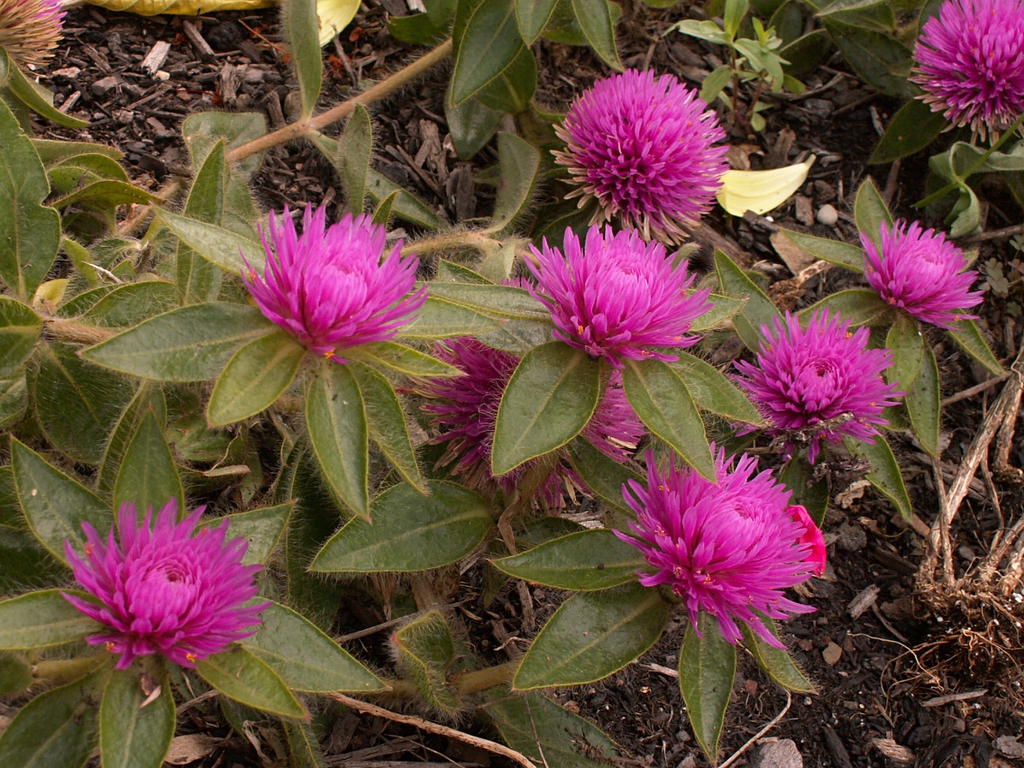
Gomphrena 'Pink Zazzle' is a hybrid annual with showy, hot pink blooms. This hybrid is compact, growing to 16 to 24 inches tall and equally as wide, with larger blooms than other gomphrenas. The rounded, 2 to 3-inch flower heads are actually papery bracts, while the true flowers grow in between. They are long-lasting and bloom from late spring to mid-fall. The plant has a dense habit with upright stems and dark green, fuzzy foliage.
Prefers full sun and moist, well-drained, fertile, neutral soil. It has a low water requirement; avoid overwatering. They are heat- and drought-tolerant. Attracts bees and butterflies. It is winter hardy in zones 9 to 11.
The jumbo-sized, globe-shaped flowers are eye-catching and will add a charming addition to your garden. You will be dazzled by 'Pink Zazzle' when planted in containers, borders, rock gardens, and cottage gardens. The flowers are beautiful in fresh or dried floral arrangements.
Insects, Diseases, and Other Plant Problems: Monitor for thrips. Overwatering may result in fungal gnats.
- See this plant in the following landscape :
- Cultivars / Varieties:
-
- Tags:


- Cultivars / Varieties:
-
- Tags:
-
-
Attributes:
- Genus:
- Gomphrena
- Family:
- Amaranthaceae
- Life Cycle:
- Annual
- Perennial
- Wildlife Value:
- Attracts butterflies and bees.
- Dimensions:
- Height: 1 ft. 4 in. - 2 ft. 0 in.
- Width: 1 ft. 4 in. - 2 ft. 0 in.
-
-
Whole Plant Traits:
- Plant Type:
- Annual
- Perennial
- Habit/Form:
- Multi-stemmed
- Spreading
- Growth Rate:
- Medium
- Maintenance:
- Low
- Texture:
- Medium
-
-
Cultural Conditions:
- Light:
- Full sun (6 or more hours of direct sunlight a day)
- Soil Texture:
- Loam (Silt)
- Sand
- Soil pH:
- Neutral (6.0-8.0)
- Soil Drainage:
- Good Drainage
- Moist
- Occasionally Dry
- Available Space To Plant:
- 12 inches-3 feet
- USDA Plant Hardiness Zone:
- 9a, 9b, 10a, 10b, 11a, 11b
-
-
Flowers:
- Flower Color:
- Pink
- Flower Inflorescence:
- Head
- Flower Value To Gardener:
- Good Cut
- Good Dried
- Long Bloom Season
- Long-lasting
- Showy
- Flower Bloom Time:
- Fall
- Spring
- Summer
- Flower Shape:
- Dome
- Flower Petals:
- Bracts
- Flower Size:
- 1-3 inches
- Flower Description:
- The 2- to 3-inch-wide globular flowers are actually papery bracts, and the true flowers grow between. New bracts and flowers grow on top of the old ones, allowing them to last longer on the plant. Magenta flowers fade to pink and bloom from late spring to mid-fall.
-
-
Leaves:
- Leaf Color:
- Green
- Leaf Type:
- Simple
- Leaf Arrangement:
- Opposite
- Leaf Shape:
- Elliptical
- Linear
- Leaf Margin:
- Entire
- Hairs Present:
- Yes
- Leaf Description:
- The leaves are elliptical to oblong, simple, dark green with fuzzy entire margins.
-
-
Stem:
- Stem Color:
- Green
- Stem Is Aromatic:
- No
- Stem Form:
- Straight
- Stem Surface:
- Hairy (pubescent)
- Stem Description:
- The stems are upright, green, and fuzzy.
-
-
Landscape:
- Landscape Location:
- Coastal
- Container
- Patio
- Small Space
- Walkways
- Landscape Theme:
- Butterfly Garden
- Children's Garden
- Cutting Garden
- Drought Tolerant Garden
- Rock Garden
- Design Feature:
- Border
- Attracts:
- Bees
- Butterflies
- Resistance To Challenges:
- Deer
- Drought
- Dry Soil
- Heat