


Bermudagrass Cynodon
Other Common Name(s):
- Phonetic Spelling
- sy-NO-don
- This plant is an invasive species in North Carolina
- Description
-
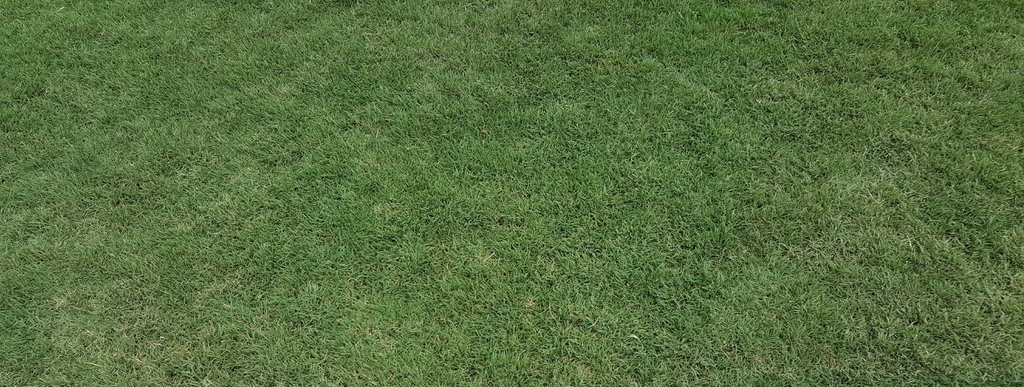
Bermudagrass, a hybrid between C. dactylon and C. transvaalensis, is a warm-season, herbaceous perennial weed in the grass family (Poaceae) and native from the temperate and subtropical regions of Europe, Africa and Asia to Australia. Although it grows just 3 to 6 inches high and wide, its dense, creeping habit and rapid growth rate cause it to form thick mats that are difficult to control. It is an invasive plant in North Carolina. .
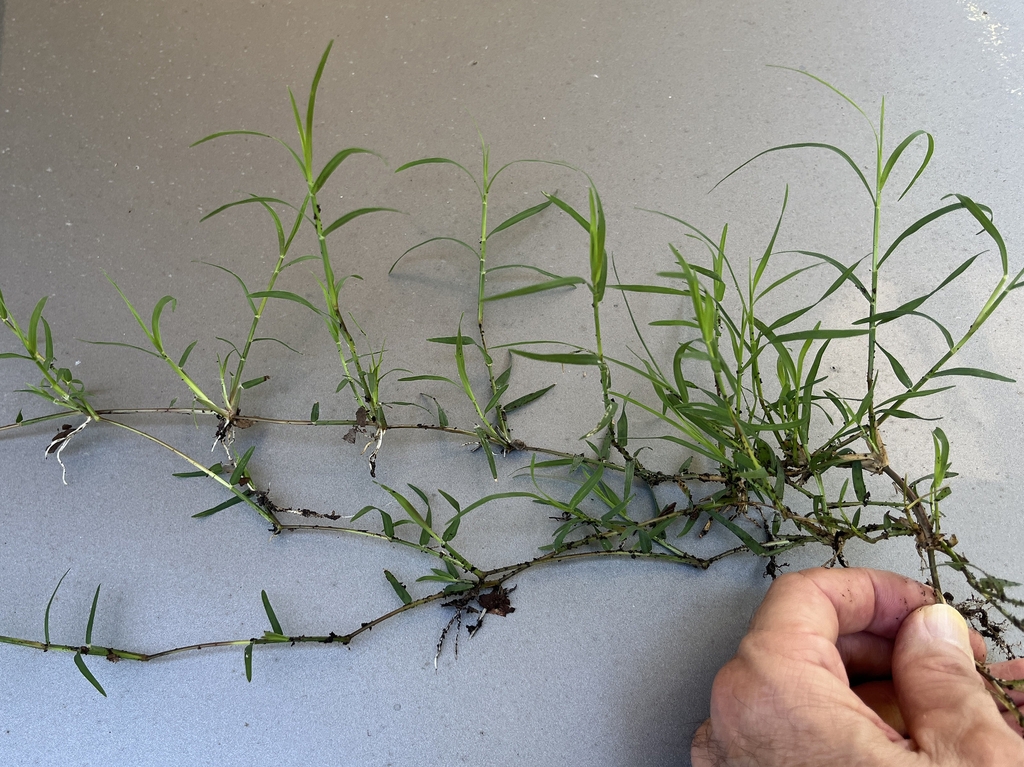
Bermudagrass spreads by rhizomes, stolons and seeds and tolerates a wide range of growing conditions, yet not winter temperatures below 10 degrees F. Once it is established, it will spread vigorously and uncontrollably and cannot be removed without resorting to repeated applications of herbicides. Soil barriers may help slow its spread into adjacent areas.
Bermudagrass is widely used on athletic fields and golf course fairways due to its high tolerance for heavy traffic. In other settings, it is considered a highly invasive and difficult-to-control weed. Be wary of introducing this turfgrass to a residential lawn. Consider a less problematic warm-season grass such as zoysiagrass, St. Augustine grass or centipedegrass.
Diseases, Insects and Other Plant Problems: White grubs are the most common insect problem. Additional insects of concern include sod webworms, cutworms, armyworms, nematodes and mole crickets. Watch for mites. With its high production of pollen, it can be a major cause of hay fever. Refer to TurfFiles for cultural and chemical management.The Clemson Cooperative Extension Home and Garden Information Center has a fact sheet on common southern lawn diseases.
- See this plant in the following landscape :
- Cultivars / Varieties:
-
- 'Celebration'
propagated vegetatively - 'GN-1'
propagated vegetatively - 'Latitude 36'
propagated vegetatively - 'Northbridge'
propagated vegetatively - 'Sundevil'
Coarse, seeded turfgrass with light green blades; less winter hardy than the species. - 'T-10'
propagated vegetatively - 'Tahoma 31'
propagated vegetatively - 'TifTuf'
propagated vegetatively - 'Tifway 419'
propagated vegetatively - 'Yukon'
Fine-textured, seeded variety noted for winter hardiness, remains greener longer in fall before entering dormancy.
- 'Celebration'
- 'Celebration', 'GN-1', 'Latitude 36', 'Northbridge', 'Sundevil', 'T-10', 'Tahoma 31', 'TifTuf', 'Tifway 419', 'Yukon'
- Tags:


- Cultivars / Varieties:
-
- 'Celebration'
propagated vegetatively - 'GN-1'
propagated vegetatively - 'Latitude 36'
propagated vegetatively - 'Northbridge'
propagated vegetatively - 'Sundevil'
Coarse, seeded turfgrass with light green blades; less winter hardy than the species. - 'T-10'
propagated vegetatively - 'Tahoma 31'
propagated vegetatively - 'TifTuf'
propagated vegetatively - 'Tifway 419'
propagated vegetatively - 'Yukon'
Fine-textured, seeded variety noted for winter hardiness, remains greener longer in fall before entering dormancy.
- 'Celebration'
- 'Celebration', 'GN-1', 'Latitude 36', 'Northbridge', 'Sundevil', 'T-10', 'Tahoma 31', 'TifTuf', 'Tifway 419', 'Yukon'
- Tags:
-
-
Attributes:
- Genus:
- Cynodon
- Family:
- Poaceae
- Uses (Ethnobotany):
- Used as turf grass for athletic fields, golf courses and home lawns, invasive weed in other turfgrasses.
- Life Cycle:
- Perennial
- Recommended Propagation Strategy:
- Division
- Seed
- Stem Cutting
- Country Or Region Of Origin:
- Temperate and Subtropical Old World to Australia
- Wildlife Value:
- Host plant for Southern Skipperling, but the caterpillars rarely causes noticeable damage to lawns.
- Dimensions:
- Height: 0 ft. 3 in. - 0 ft. 6 in.
- Width: 0 ft. 3 in. - 0 ft. 6 in.
-
-
Whole Plant Traits:
- Plant Type:
- Herbaceous Perennial
- Turfgrass
- Weed
- Habit/Form:
- Creeping
- Dense
- Spreading
- Growth Rate:
- Rapid
- Maintenance:
- High
- Medium
- Texture:
- Medium
-
-
Cultural Conditions:
- Light:
- Full sun (6 or more hours of direct sunlight a day)
- Soil Texture:
- Clay
- High Organic Matter
- Loam (Silt)
- Sand
- Shallow Rocky
- Soil pH:
- Acid (<6.0)
- Alkaline (>8.0)
- Neutral (6.0-8.0)
- Soil Drainage:
- Good Drainage
- Moist
- Occasionally Dry
- NC Region:
- Coastal
- Piedmont
- USDA Plant Hardiness Zone:
- 6a, 6b, 7a, 7b, 8a, 8b, 9a, 9b, 10a, 10b
-
-
Flowers:
- Flower Inflorescence:
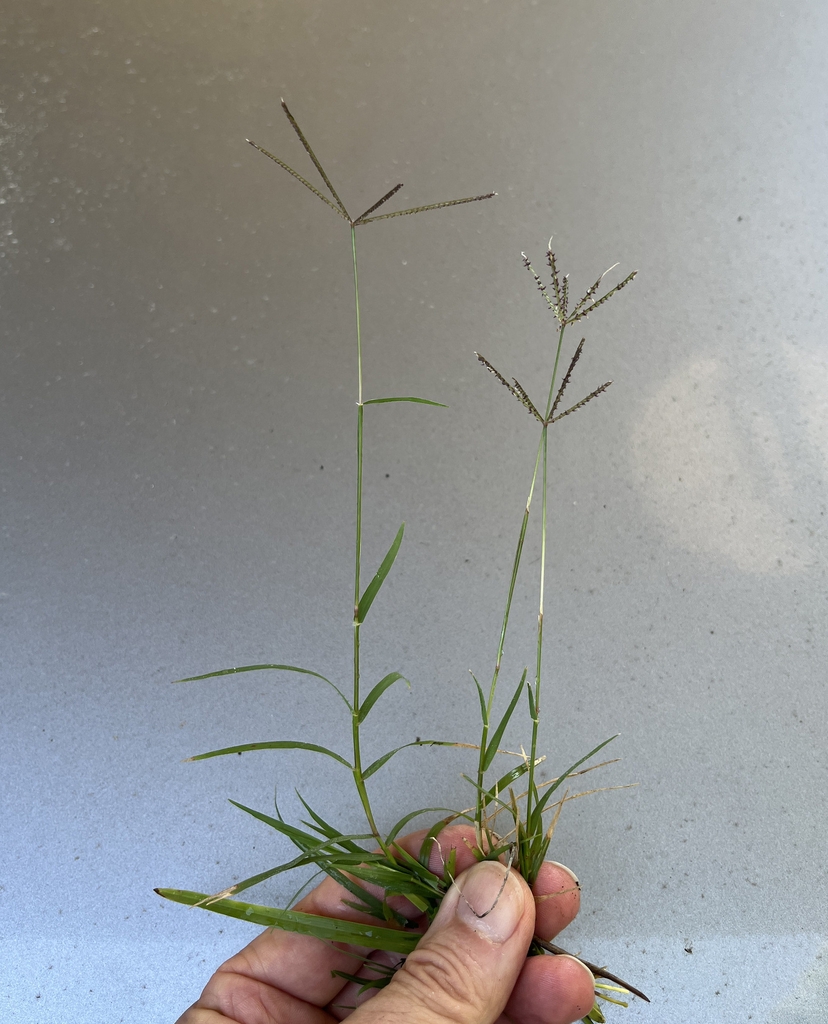
- Raceme
-
-
Leaves:
- Leaf Color:
- Gray/Silver
- Green
- Leaf Type:
- Simple
- Leaf Shape:
- Linear
- Leaf Margin:
- Dentate
- Entire
- Hairs Present:
- Yes
- Leaf Length:
- 3-6 inches
- Leaf Width:
- < 1 inch
- Leaf Description:
- Leaf-blades flat, or conduplicate; from less than 1 inch to 5 inches long; 1/10 of an inch wide; glaucous; smooth or sparsely hairy.
-
-
Stem:
- Stem Is Aromatic:
- No
-
-
Landscape:
- Landscape Location:
- Lawn
- Recreational Play Area
- Resistance To Challenges:
- Drought
- Foot Traffic
- Problems:
- Invasive Species
- Weedy