


Chimonanthus praecox
Common Name(s):
- Phonetic Spelling
- ky-mon-ANTH-us PRE-koks
- This plant has low severity poison characteristics.
- See below
- Description
-
Wintersweet is a deciduous flowering shrub in the Calycanthaceae family, native to forested areas of China, but has been introduced to Japan. The genus name comes from the Greek words cheimon, meaning winter and anthos, meaning flower. The specific epithet means very early in reference to bloom time.
Winter sweet grows vigorously to 10 to 15 feet tall and 8 to 12 feet wide in full sun to partial shade. It prefers moist, well-drained soils and is drought-tolerant once established. Prune if needed after blooming to help control size and shape. Keep in mind the shrub blooms on old wood. It is best propagated from softwood cuttings, as plants started from seed can take up to 10 years to bloom.
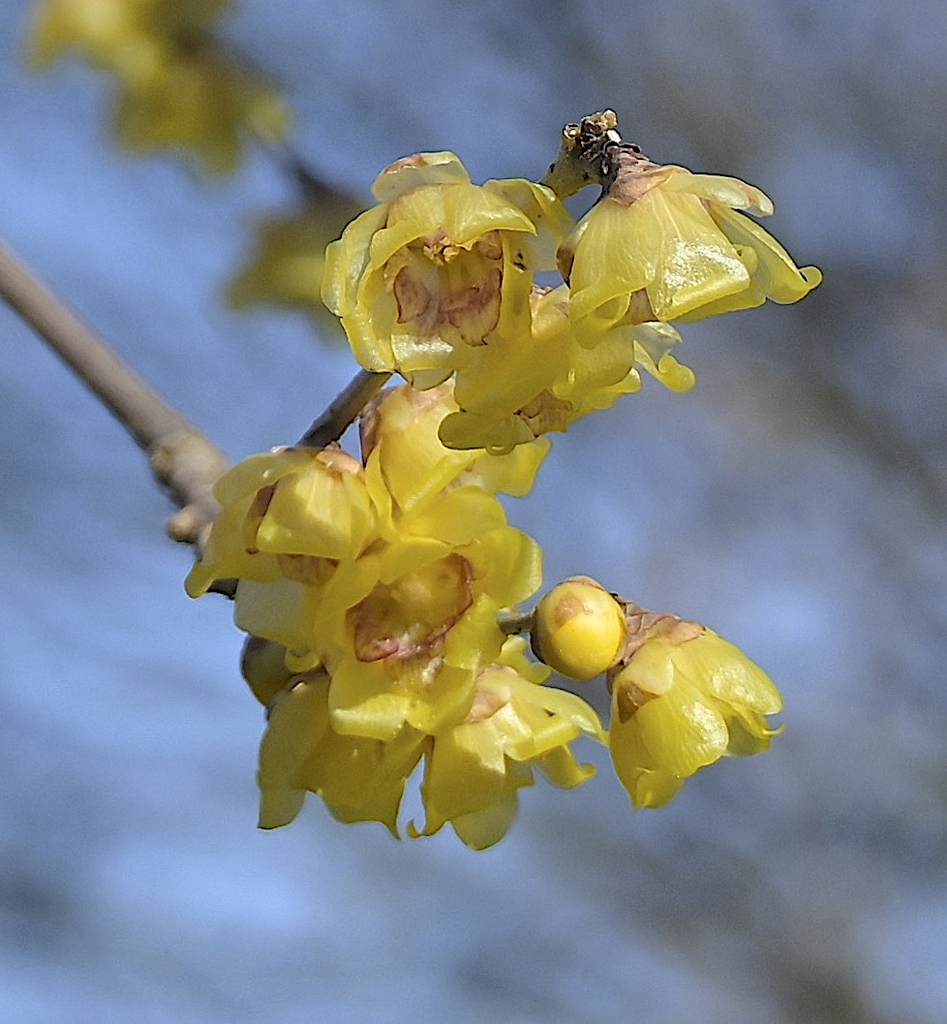
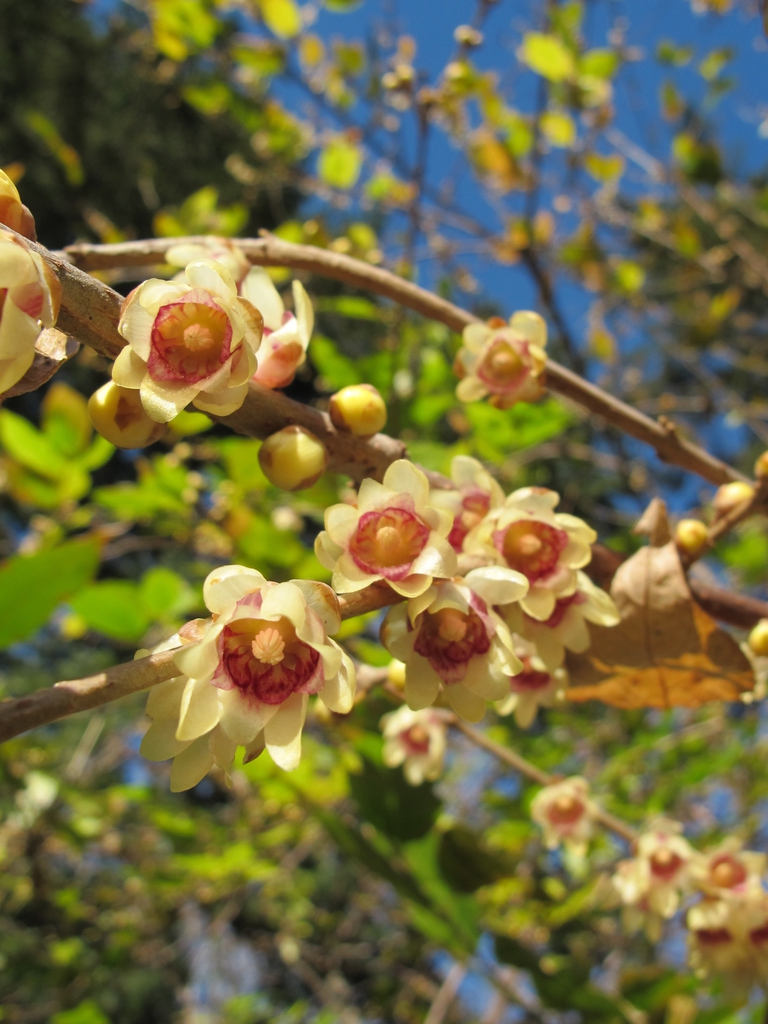
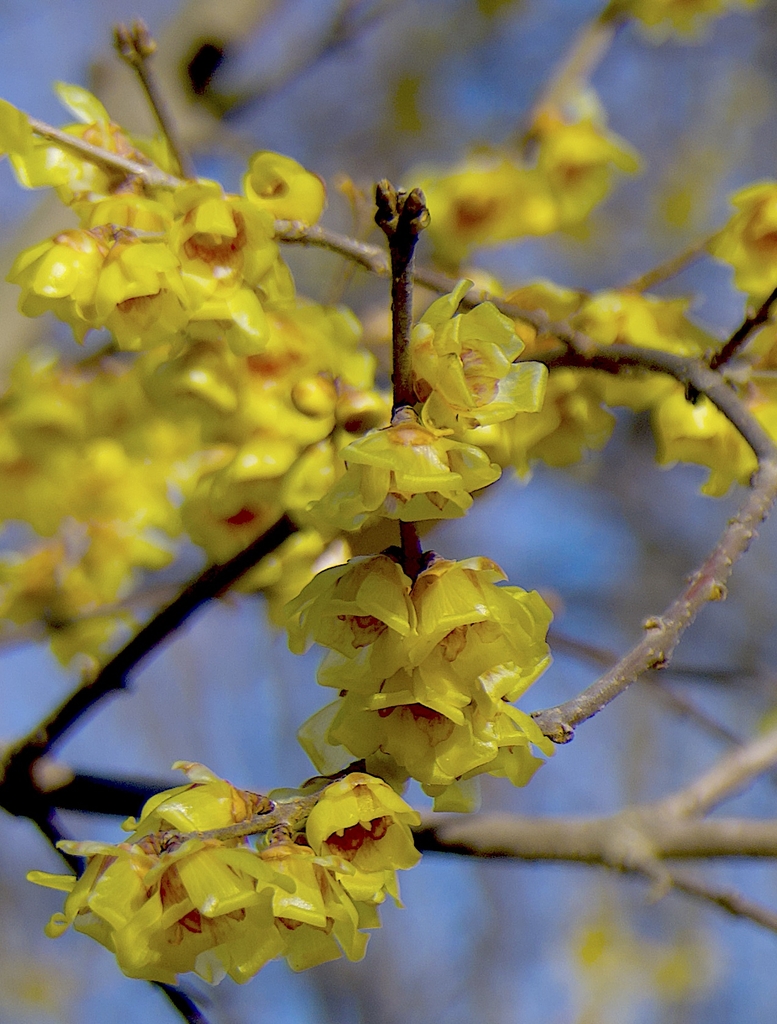
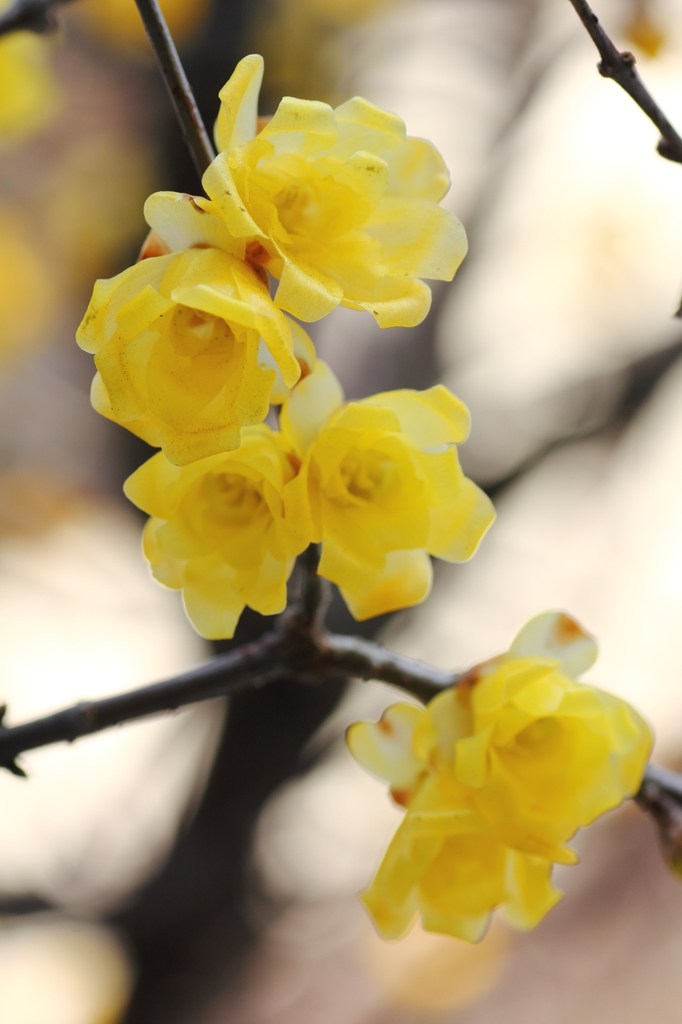
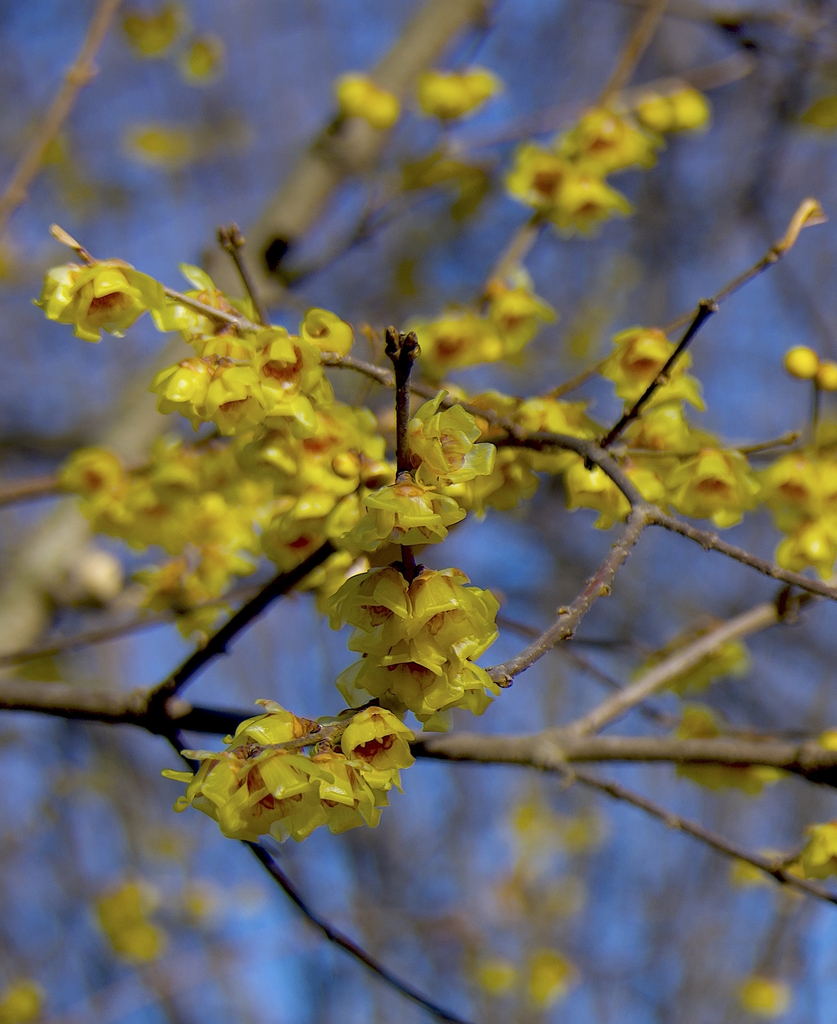
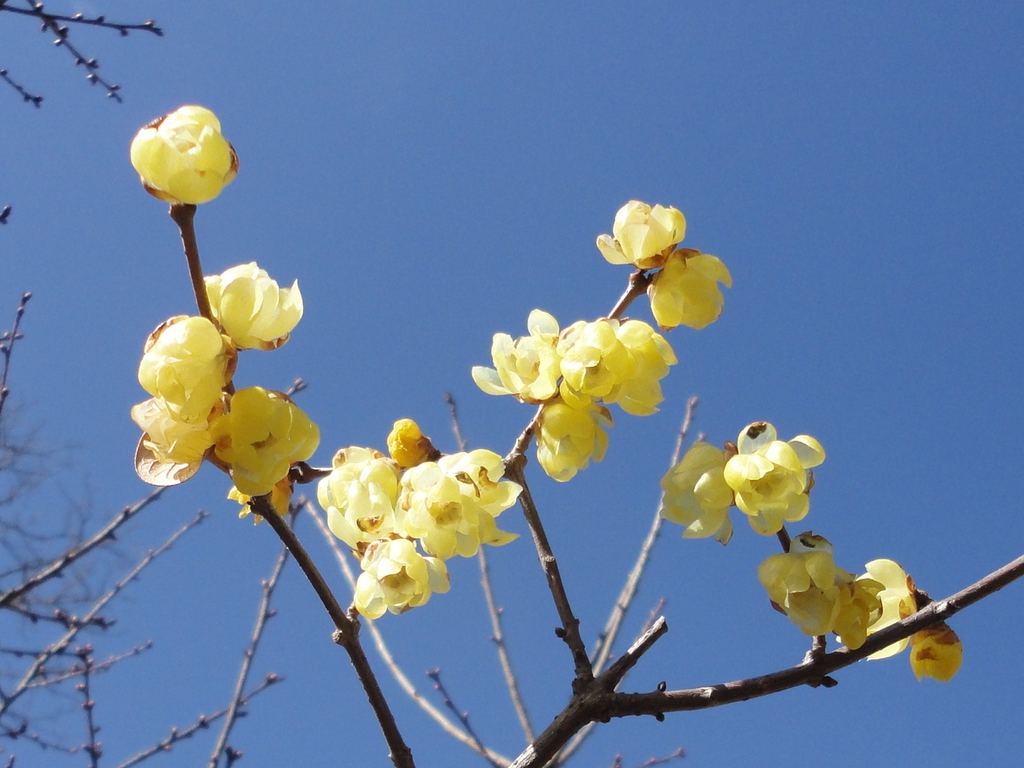
In warmer winter areas, the flowers can start appearing in December and continue through March. In colder areas, flowers may not appear until February or March. Masses of cup-shaped flowers with pale yellow-green outer petals and shorter reddish-purple inner tepals appear before the leaves. They are pollinated by flies, hoverflies and early spring bees. Shiny dark green leaves appear in spring and turn yellow in the fall.
Two of its cultivars have received the Award of Garden Merit from the Royal Horticultural Society
Use winter sweet in the winter or cottage garden, in a courtyard setting or in mixed shrub hedges.
Quick ID Hints:
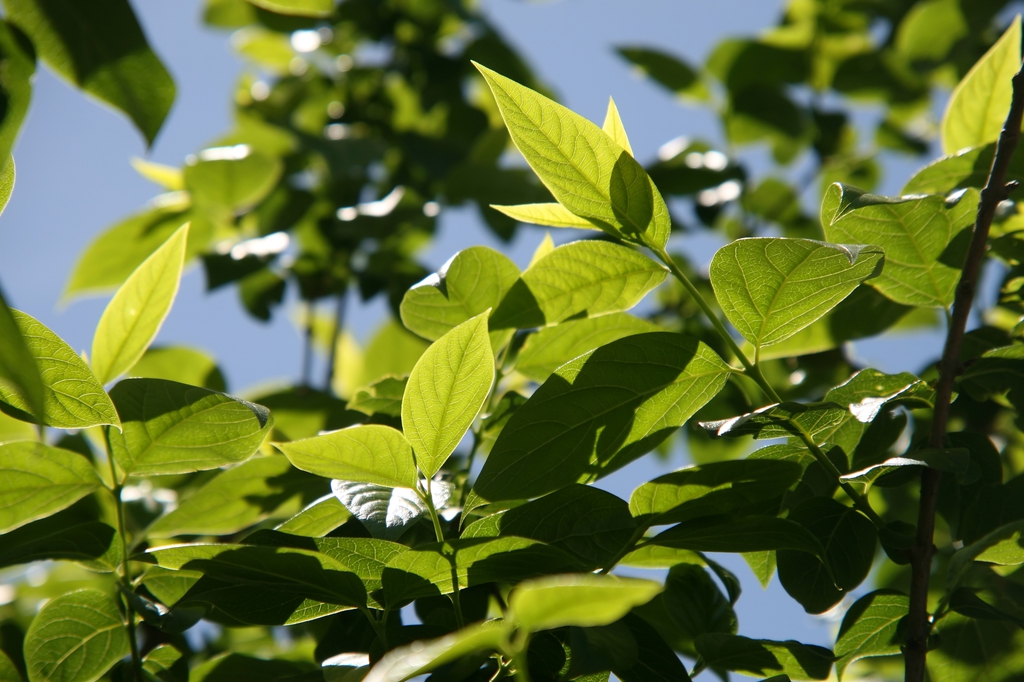
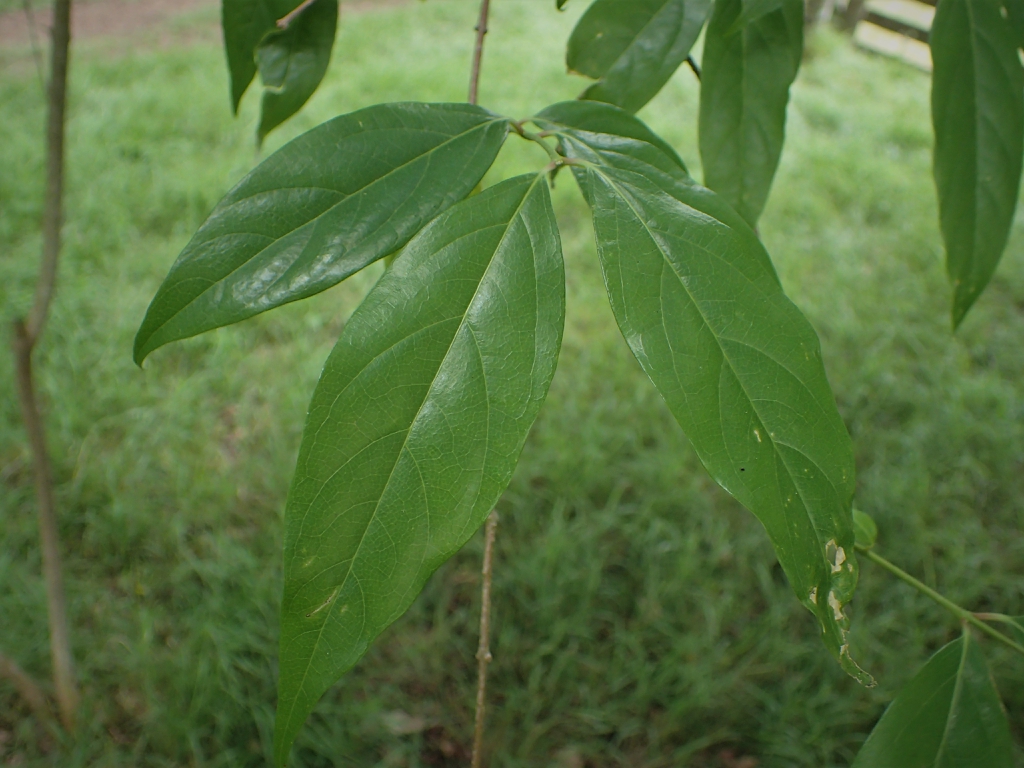
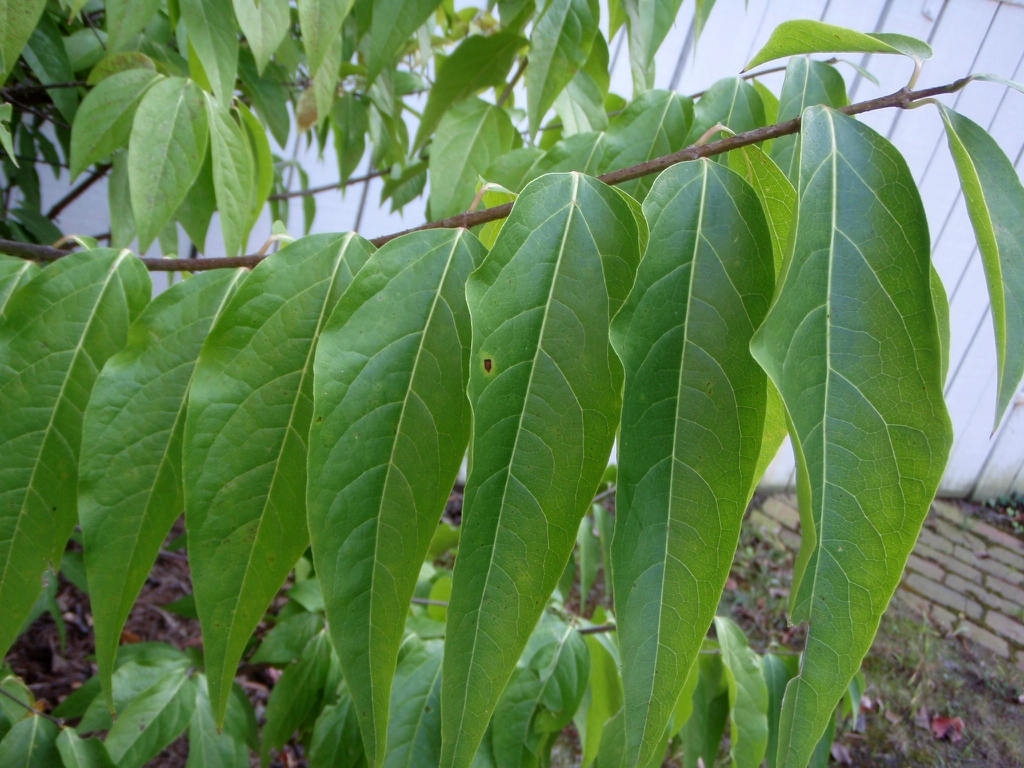
- Opposite leaves, rough to the touch.
- Cane-like growth, fountain-shaped bush
- Yellow, fragrant winter flowers, purplish inside
- Deciduous shrub, blooms in winter, when leafless
Insects, Diseases, and Other Plant Problems: No significant problems.
VIDEO created by Ryan Contreras for “Landscape Plant Materials I: Deciduous Hardwoods and Conifers or Landscape Plant Materials II: Spring Flowering Trees and Shrubs” a plant identification course offered by the Department of Horticulture at Oregon State University
- Profile Video:
- See this plant in the following landscape :
- Cultivars / Varieties:
-
- 'Grandiflorus'
showier and purer-yellow flowers than the species, inner petals a striped maroon, not as fragrant. Leaves may be a bit larger an - 'Luteus'
Dark gold flowers
- 'Grandiflorus'
- 'Grandiflorus', 'Luteus'
- Tags:
 Download Image
 Download Image
 Download Image


- Cultivars / Varieties:
-
- 'Grandiflorus'
showier and purer-yellow flowers than the species, inner petals a striped maroon, not as fragrant. Leaves may be a bit larger an - 'Luteus'
Dark gold flowers
- 'Grandiflorus'
- 'Grandiflorus', 'Luteus'
- Tags:
-
-
Attributes:
- Genus:
- Chimonanthus
- Species:
- praecox
- Family:
- Calycanthaceae
- Uses (Ethnobotany):
- Used in Chinese folk medicine
- Life Cycle:
- Woody
- Recommended Propagation Strategy:
- Seed
- Stem Cutting
- Country Or Region Of Origin:
- China North-Central, China South-Central & China Southeast
- Wildlife Value:
- Attracts pollinators. Birds feed on the fruit.
- Play Value:
- Edible fruit
- Fragrance
- Wildlife Food Source
- Edibility:
- Flowers can be used as an herbal tea. Avoid using the rest of the plant
- Dimensions:
- Height: 10 ft. 0 in. - 15 ft. 0 in.
- Width: 8 ft. 0 in. - 12 ft. 0 in.
-
-
Whole Plant Traits:
- Plant Type:
- Poisonous
- Shrub
- Woody Plant Leaf Characteristics:
- Deciduous
- Habit/Form:
- Arching
- Multi-stemmed
- Multi-trunked
- Growth Rate:
- Rapid
- Maintenance:
- Medium
- Texture:
- Coarse
-
-
Cultural Conditions:
- Light:
- Dappled Sunlight (Shade through upper canopy all day)
- Full sun (6 or more hours of direct sunlight a day)
- Soil Texture:
- Clay
- Loam (Silt)
- Sand
- Soil Drainage:
- Good Drainage
- Moist
- Available Space To Plant:
- 6-feet-12 feet
- NC Region:
- Coastal
- Piedmont
- USDA Plant Hardiness Zone:
- 7a, 7b, 8a, 8b, 9a, 9b
-
-
Fruit:
- Fruit Color:
- Brown/Copper
- Display/Harvest Time:
- Spring
- Fruit Type:
- Achene
- Fruit Description:
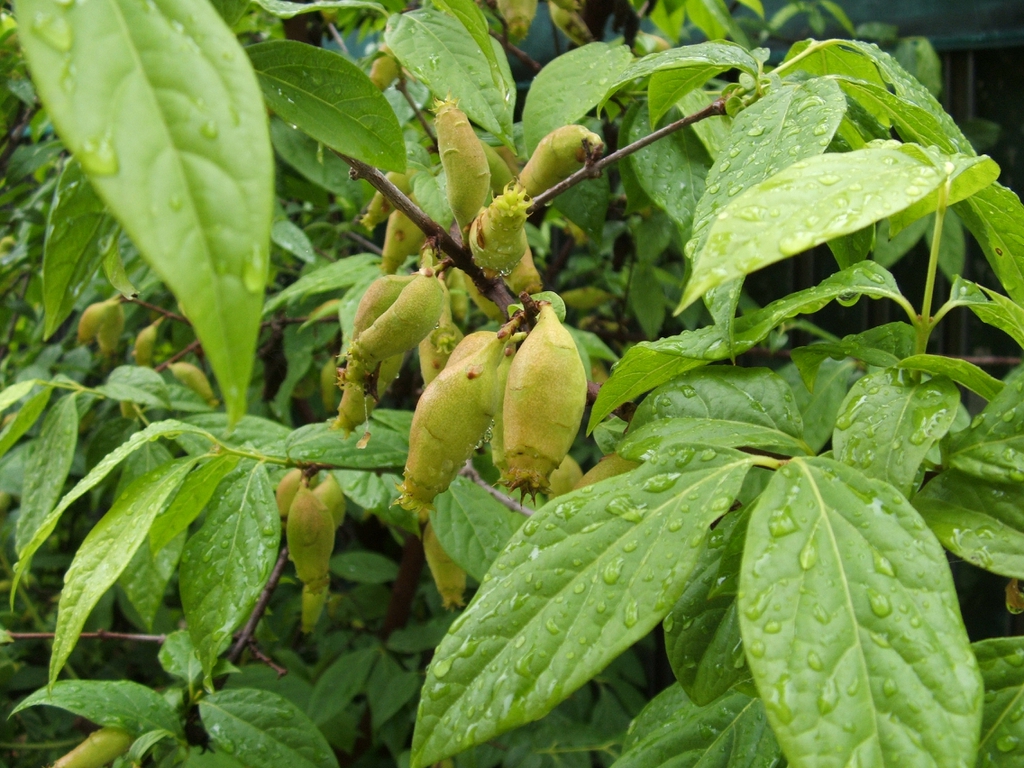
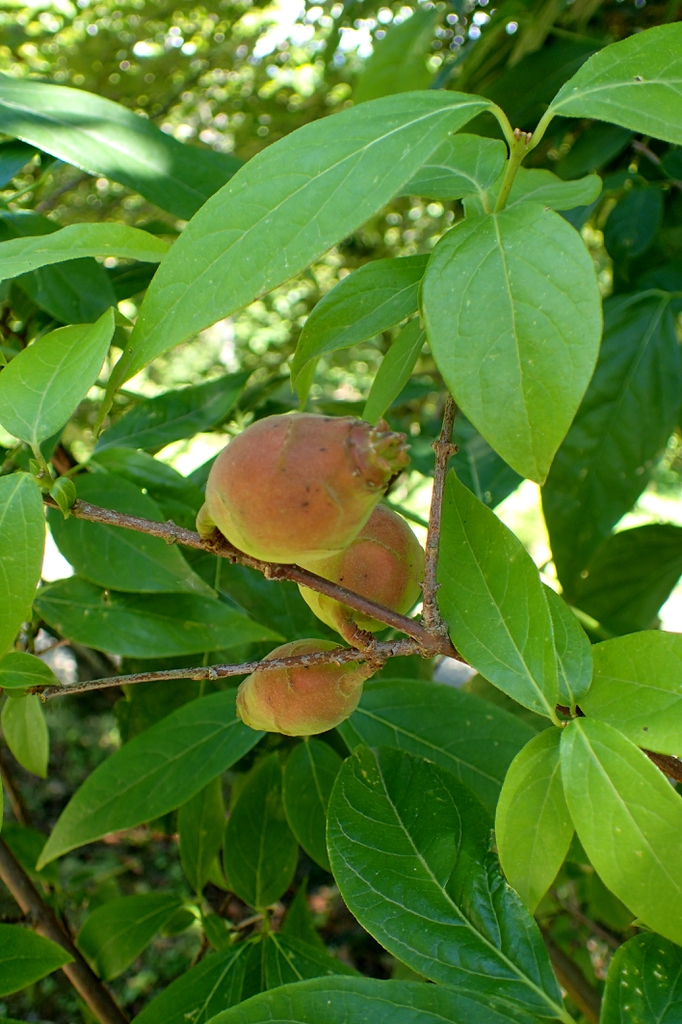
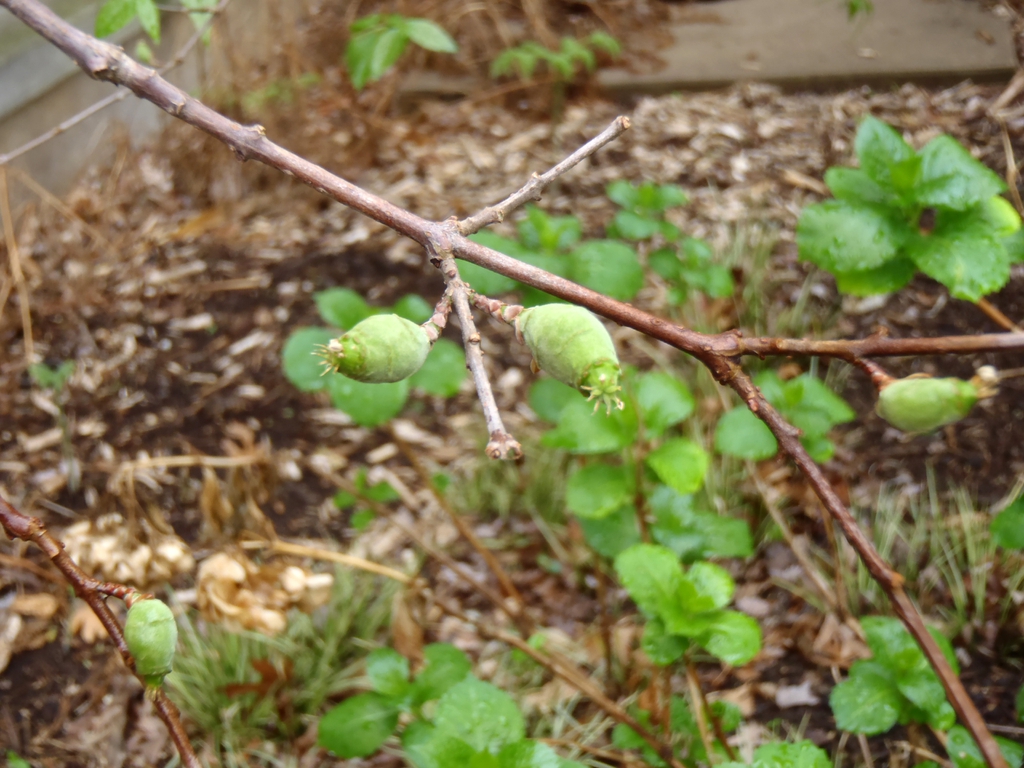
- Non-showy fruit. Urn-shaped receptacle bearing 5-8 bean-shaped achenes, non-ornamental. poisonous.
-
-
Flowers:
- Flower Color:
- Gold/Yellow
- Purple/Lavender
- Red/Burgundy
- White
- Flower Value To Gardener:
- Fragrant
- Flower Bloom Time:
- Spring
- Winter
- Flower Shape:
- Cup
- Flower Size:
- < 1 inch
- Flower Description:
- 0.7-1 in. waxy, yellowish-white, cupped flowers in winter to early spring on leafless stems. The flowers are fragrant with purple centers and occur on the previous season's growth. The inner tepals brown or purple, outer tepals yellow.
-
-
Leaves:
- Woody Plant Leaf Characteristics:
- Deciduous
- Leaf Color:
- Green
- Leaf Feel:
- Rough
- Deciduous Leaf Fall Color:
- Gold/Yellow
- Leaf Type:
- Simple
- Leaf Arrangement:
- Opposite
- Leaf Shape:
- Cuneate
- Lanceolate
- Ovate
- Leaf Margin:
- Entire
- Hairs Present:
- No
- Leaf Length:
- 3-6 inches
- Leaf Width:
- 1-3 inches
- Leaf Description:
- Leaves are green lighter color.ed veins. Opposite, simple, lustrous, dark green leaves; 2.5-6 in. long; yellow-green fall color. Ovate-lanceolate, entire, acuminate, cuneate, rough to the touch.
-
-
Bark:
- Bark Color:
- Black
- Dark Brown
- Bark Description:
- Bark is dark brown to black.
-
-
Stem:
- Stem Color:
- Brown/Copper
- Gray/Silver
- Orange
- Stem Is Aromatic:
- No
- Stem Cross Section:
- Square
- Stem Lenticels:
- Conspicuous
- Stem Description:
- Squarish, shiny gray-brown, covered with orange-brown lenticels; cane-like growth.
-
-
Landscape:
- Landscape Location:
- Lawn
- Landscape Theme:
- Cottage Garden
- Garden for the Blind
- Winter Garden
- Design Feature:
- Hedge
- Small groups
- Attracts:
- Songbirds