


Allium x proliferum
Common Name(s):
Previously known as:
- Allium cepa var. proliferum
- Description
-
Egyptian walking onion is a hybrid, herbaceous, perennial in the amaryllis family (Amaryllidaceae) and is a cross of A. fistulosum and A. cepa. The hybrid name proliferum means "having bunching growth or offsets" and refers to the abundant bulbils produced by this plant.
The Egyptian walking onion can be grown in full sun in moist, fertile, well-drained sandy loams but tolerates other soils if well-drained. Propagation is by division or planting bulbils. It is rabbit- and deer-resistant and can be a problem for dogs.
The bulbs look similar to shallots and can be used as such but are spicier. In spring, clumps of hollow leaves grow from the bulb up to 3 feet tall and are followed by hollow stems called topsets. It forms a small cluster of bulbils at the top that mature and bend the stem over to the ground where they root to form new clumps. Small white flowers are occasionally to rarely formed and don't produce viable seed. All parts of the plant are edible.
Use this plant in the edible garden or as a curiosity garden plant.
Insects, Diseases, and Other Problems: Diseases include botrytis, purple blotch, downy mildew, neck rot, soft rot, onion smut and viruses such as onion yellow dwarf and iris yellow spot. Common pests include onion thrips, allium leaf miner and onion fly (also known as onion maggot). Rot is more likely in poorly drained, overly moist soils.
- See this plant in the following landscape :
- Cultivars / Varieties:
-
- Tags:
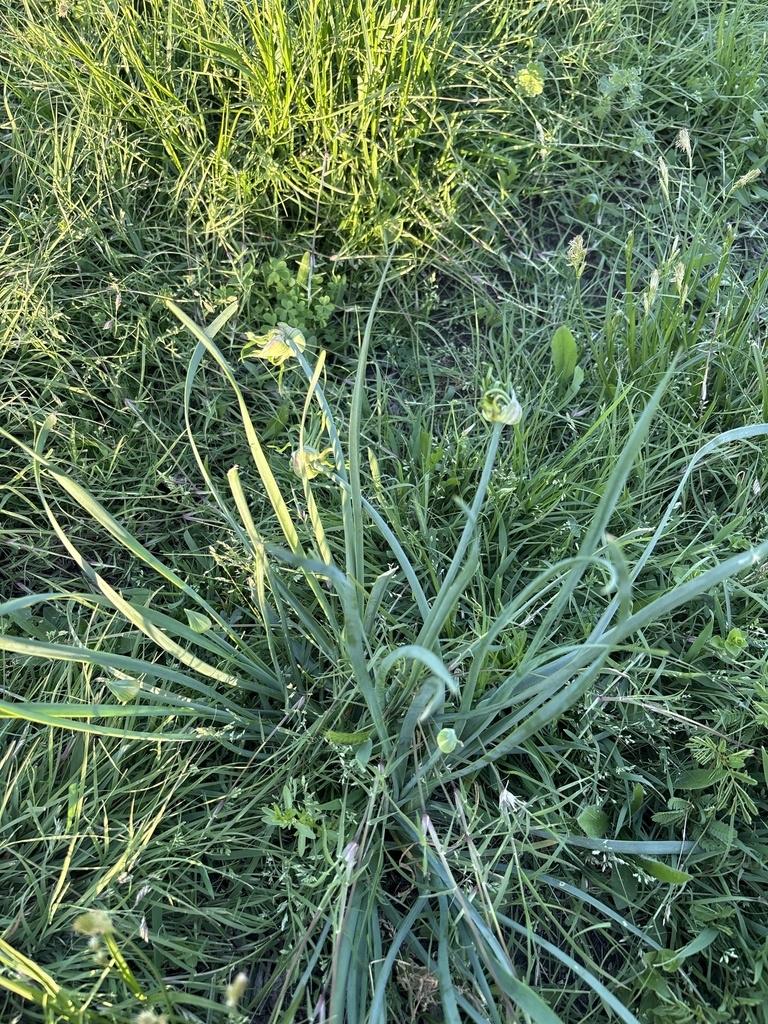
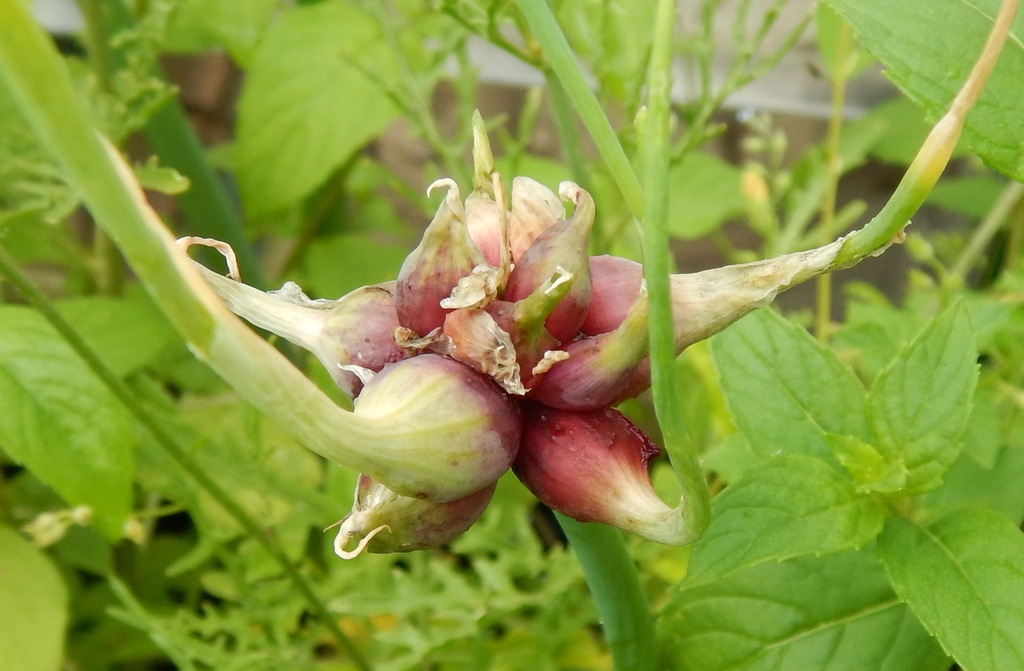
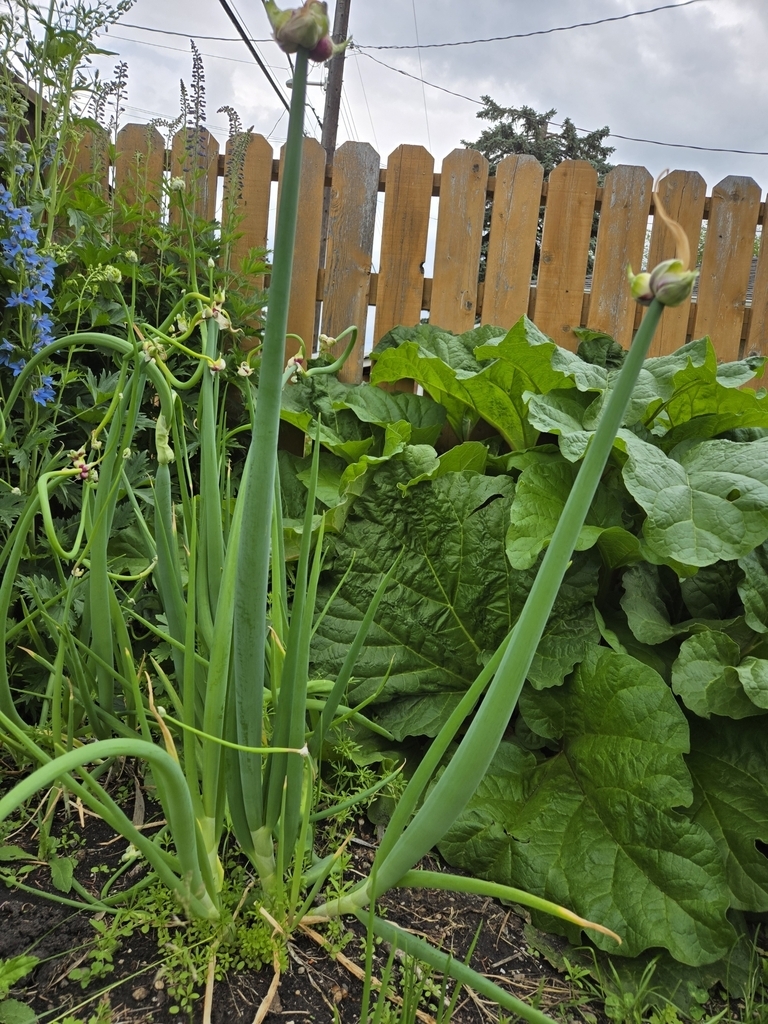


- Cultivars / Varieties:
-
- Tags:
-
-
Attributes:
- Genus:
- Allium
- Species:
- × proliferum
- Family:
- Amaryllidaceae
- Life Cycle:
- Perennial
- Recommended Propagation Strategy:
- Division
- Edibility:
- All parts of the plant are edible raw or cooked.
- Dimensions:
- Height: 2 ft. 0 in. - 3 ft. 0 in.
- Width: 1 ft. 0 in. - 2 ft. 0 in.
-
-
Whole Plant Traits:
- Plant Type:
- Bulb
- Herbaceous Perennial
- Habit/Form:
- Clumping
- Growth Rate:
- Medium
- Maintenance:
- Low
- Texture:
- Fine
-
-
Cultural Conditions:
- Light:
- Full sun (6 or more hours of direct sunlight a day)
- Soil Texture:
- Clay
- High Organic Matter
- Loam (Silt)
- Sand
- Soil pH:
- Neutral (6.0-8.0)
- Soil Drainage:
- Good Drainage
- Moist
- Available Space To Plant:
- 12 inches-3 feet
- NC Region:
- Coastal
- Mountains
- Piedmont
- USDA Plant Hardiness Zone:
- 4a, 4b, 5a, 5b, 6a, 6b, 7a, 7b, 8a, 8b, 9a, 9b
-
-
Fruit:
- Fruit Value To Gardener:
- Edible
- Display/Harvest Time:
- Summer
- Fruit Length:
- < 1 inch
- Fruit Width:
- < 1 inch
- Fruit Description:
- Bulbils are formed at the top of a stem. When mature, the stem bends over and the bulbils root.
-
-
Flowers:
- Flower Color:
- White
- Flower Bloom Time:
- Spring
- Flower Shape:
- Star
- Flower Description:
- Rarely flowers with small white blooms
-
-
Leaves:
- Leaf Color:
- Green
- Leaf Feel:
- Soft
- Leaf Value To Gardener:
- Edible
- Leaf Type:
- Simple
- Leaf Arrangement:
- Rosulate
- Leaf Shape:
- Linear
- Leaf Margin:
- Entire
- Hairs Present:
- No
- Leaf Length:
- > 6 inches
- Leaf Width:
- < 1 inch
- Leaf Description:
- Strap-shaped hollow leaves grow in clumps 2 to 3 feet long and 1.25 inches wide.
-
-
Stem:
- Stem Color:
- Blue
- Green
- Stem Is Aromatic:
- No
- Stem Cross Section:
- Round
- Stem Form:
- Straight
- Stem Description:
- Hollow blue-green stem up to 3 feet tall
-
-
Landscape:
- Landscape Location:
- Container
- Landscape Theme:
- Edible Garden
- Design Feature:
- Small groups
- Problems:
- Problem for Dogs